8 Red Flags on Dating Apps That Show Up Before a Scam
· 7 min read
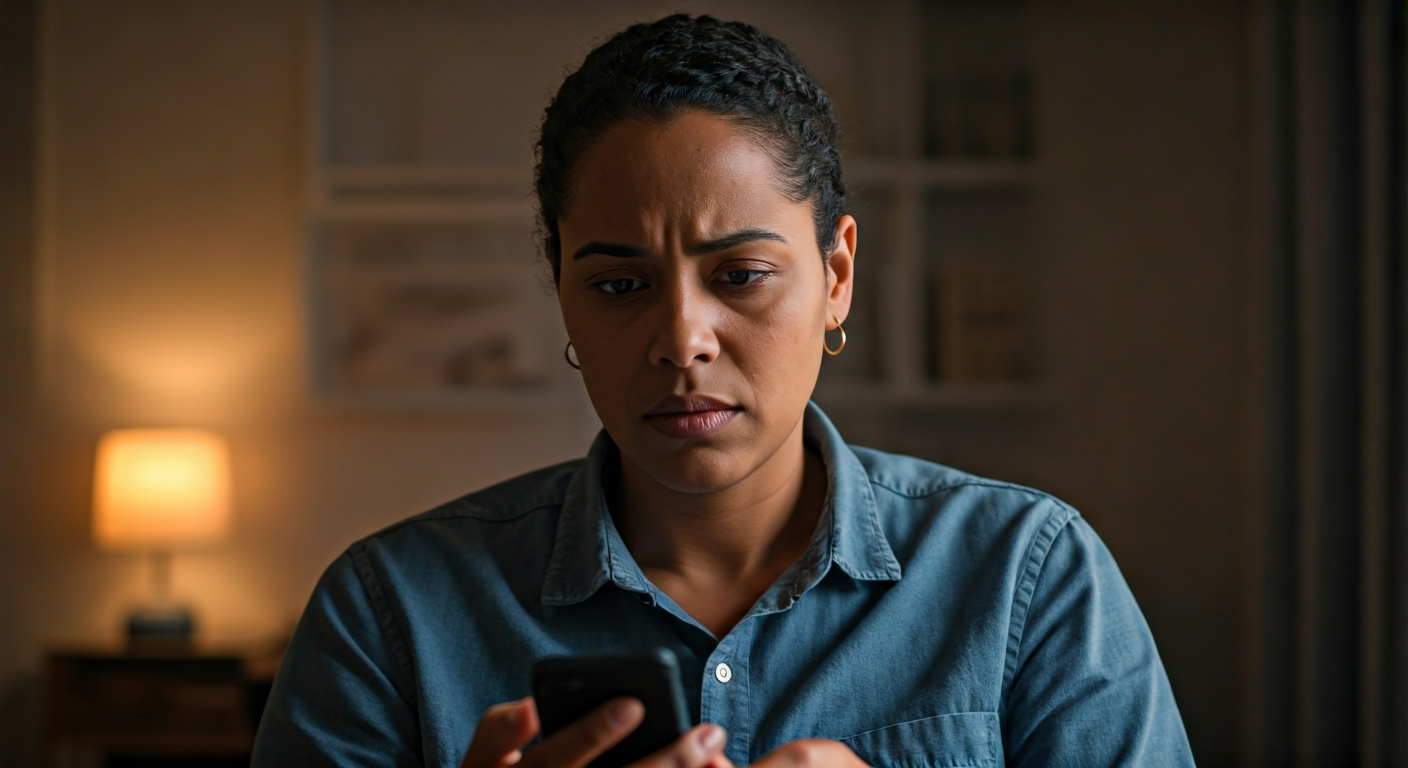
Meeting people online has become a common way to connect, but it also opens the door to individuals with less-than-honorable intentions. Romance scams are a particularly insidious form of online fraud, preying on emotional vulnerabilities to extract money and cause significant heartbreak. These aren't random acts; they follow a series of behaviors that, once you know what to look for, become clear warning signs. Missing these signals can lead not only to financial devastation but also deep emotional trauma, as victims often feel betrayed by someone they believed cared for them. As of May 2026, the Federal Trade Commission reported that losses from romance scams exceeded $1.3 billion in 2025, marking a significant increase from previous years. Thankfully, understanding these patterns and using tools like running a TrustCheck—which takes 60 seconds and ties a name to a real phone, real email, and a real digital footprint—can help you protect yourself.
The Profile Is Almost Too Perfect
When you encounter a profile that seems to check every single box you've ever imagined, it's often a red flag. Scammers frequently create personas designed to be universally appealing, sometimes using stolen photos of attractive individuals. They may list interests, aspirations, and values that align impeccably with yours, creating an immediate, almost uncanny connection. If someone appears to be your absolute ideal match right from the start, without any apparent flaws or realistic complexities, it warrants a closer look.
Love Bombing or Rapid Escalation
This behavior involves an intense and rapid display of affection, often including declarations of love or soulmate status very early in your interaction. A scammer will overwhelm you with compliments, constant communication, and promises of a shared future, all designed to build a strong emotional bond quickly before you have a chance to assess them critically. For instance, after only a few days of chatting, they might say things like, "I've never felt this way about anyone before; you're my soulmate," or "I know we just met, but I feel like I've known you forever, and I love you." This emotional manipulation aims to bypass your logical defenses.
Moving Off-Platform Quickly
A common tactic is for them to push to move your conversation off the dating app to private channels like text message, WhatsApp, or email almost immediately. This isn't just about convenience; it helps them avoid the app's security features and reporting mechanisms, making it harder for the platform to detect their malicious activity. They might say their app notifications aren't working, or they prefer a more "personal" way to chat, like, "I don't check this app much, let's switch to WhatsApp," or "My subscription is about to run out, can I have your number?"
Inconsistencies or Vague Details in Their Story
Pay attention if their life story doesn't quite add up, or if they're consistently vague about important details. Scammers often have complex, fabricated backstories involving international business, military service, or humanitarian work, which they use to explain their inability to meet or their need for money later on. For example, they might claim to be an engineer on an oil rig but struggle to describe basic aspects of their work or location, or their location changes abruptly. If you ask a direct question about their past or profession, they might give a rambling, non-committal answer or quickly change the subject.
Refusal or Constant Excuses to Meet in Person or Video Call
One of the clearest early red flags is a consistent refusal to meet face-to-face, even for a video call. They will always have an elaborate excuse: they're traveling for work, deployed overseas, their camera is broken, they're in a remote area with poor internet, or a sudden emergency has come up. These excuses serve to maintain their anonymity and prevent you from seeing they aren't who they claim to be. You might suggest a quick video chat, and they respond with, "Oh, I'd love to, but I'm currently on a secure site with no video access," or "My phone's camera broke last week, I'm waiting for a new one to arrive."
Sudden, Urgent Crises or Emergencies
As the relationship develops, the scammer will often introduce a series of dramatic, urgent problems that only money can solve. These crises are designed to evoke your sympathy and sense of obligation, laying the groundwork for a financial request. Common scenarios include medical emergencies for a family member, sudden business failures, legal troubles, or travel complications. They might tell you their child suddenly needs an expensive surgery they can't afford, or they're stuck in customs overseas and need money for fees to release their "inheritance."
Requests for Any Financial Assistance, No Matter How Small
This is where the scam shifts from emotional manipulation to direct financial exploitation. The first request for money might be small, designed to test your willingness to help. It could be for a phone bill, a plane ticket that keeps getting rescheduled, or a small loan to "tide them over" until their next payment arrives. They might say, "My phone bill is due, and I can't access my bank account from here; could you spot me $50 until I get back?" They're assessing your boundaries and financial generosity, paving the way for much larger asks later.
Attempts to Isolate You from Friends and Family
A scammer's goal is to become your sole confidant, making you less likely to seek outside advice or question their motives. They may express jealousy, criticize your friends or family, or suggest that others "don't understand" your special connection. This isolation makes you more dependent on them and easier to manipulate. For example, if you mention discussing your new relationship with a friend, they might react negatively, saying, "They're just jealous of what we have," or "Only you truly understand my situation; don't listen to what others say."
To further illustrate the contrast, here's a quick look at how genuine interactions differ from scammer tactics:
| Dimension | Safe Behavior (Genuine Contact) | Scam Behavior (Red Flag) |
|---|---|---|
| Profile Content | Realistic photos, varied interests, may show imperfections, clear details. | Professionally shot photos, overly perfect, vague or contradictory details. |
| Pace of Relationship | Takes time to build trust, feelings develop naturally, respects boundaries. | Love bombing, rapid declarations of intense feelings, pressures for commitment. |
| Communication Platform | Willingness to stay on the app initially, comfortable with video calls. | Insists on moving to private channels (WhatsApp, text) almost immediately. |
| Meeting in Person | Eager to meet when practical, makes concrete plans, shows up. | Constant excuses, travel issues, broken cameras, always unavailable for video or in-person. |
| Financial Discussions | Doesn't ask for money, discusses finances realistically, respects your boundaries. | Introduces urgent financial crises, asks for loans, gifts, or investments. |
What to do if you spot these signs
If you're noticing several of these patterns, it's wise to take a step back and protect yourself. Your gut feeling is often a powerful guide.
- Pause and Reflect: Don't act impulsively. Take a moment to review your conversations and interactions. Consider if the speed of the relationship feels natural or rushed, and if their story has any unaddressed gaps. Talk to a trusted friend or family member about your concerns; an outside perspective can be incredibly valuable.
- Demand Verification: Insist on a video call. If they refuse or make excuses, treat it as a significant red flag. A genuine person with nothing to hide will typically be willing to show their face and confirm their identity. If they continue to avoid it, you have reason to be highly suspicious.
- Run a TrustCheck: If you have a name, phone number, or email, run a TrustCheck. This service helps you verify if the identity they're presenting has a real digital footprint, linking to legitimate social media, professional profiles, and other public records. It can quickly reveal if the person you're talking to is using a fabricated persona.
- Block and Report: If you're confident you've identified a scammer, stop all communication immediately. Block them on all platforms where you've interacted and report their profile to the dating app administrators. This action not only protects you but also helps prevent them from targeting others.
- Document Everything: Keep screenshots of conversations, profiles, and any financial requests. If you've sent money, document the transactions. This evidence can be crucial if you decide to report the scam to law enforcement or government agencies like the FBI or the Federal Trade Commission.
In the world of online connections, trusting your instincts is invaluable. These red flags aren't meant to foster fear, but to equip you with the knowledge to recognize manipulative behavior before it causes harm. If something feels off, it probably is. Remember, verifying an online contact with a simple 60-second TrustCheck can give you peace of mind and protect you from potential heartache and financial loss. You deserve genuine connections, and staying informed is your best defense.
Frequently asked
What is 'love bombing' in the context of online dating?
Love bombing is a manipulative tactic where someone overwhelms you with excessive affection, compliments, and grand gestures early in a relationship. This intense display of attention is designed to create a strong emotional bond quickly, making you feel special and loved, thereby lowering your guard before they begin to exploit you emotionally or financially. It's a key red flag in romance scams.
Why do scammers often want to move conversations off dating apps?
Scammers prefer to move conversations off dating platforms to avoid detection by the app's security measures and reporting systems. Once communication shifts to private channels like text or WhatsApp, it becomes much harder for the dating app to monitor their activity or for you to easily report them. This also gives them more control over the communication environment.
What kind of excuses do scammers use to avoid meeting in person?
Scammers frequently use elaborate excuses to avoid meeting in person or video calling. These can include being stationed overseas, working on an oil rig or remote project, having a broken webcam or phone camera, experiencing unexpected travel complications, or dealing with a sudden family emergency. These excuses are designed to maintain their anonymity and prevent you from verifying their true identity.
How can I tell if someone's story is inconsistent or vague?
Pay close attention to details they provide about their life, work, or background. If their story changes over time, contradicts itself, or if they become defensive and vague when you ask follow-up questions, these are strong indicators of fabrication. Scammers often rely on generic narratives that don't hold up under scrutiny, especially regarding specific locations or job duties.
When should I be most concerned about financial requests from an online contact?
You should be highly concerned about any financial request, no matter how small, from someone you've only met online and haven't established a real-world relationship with. These requests often start small to test your willingness to give and then escalate. Scammers will create urgent, emotionally charged situations that only money can solve, exploiting your empathy. Always be wary of anyone asking for financial help.