Essential Safety Rules for Using Dating Apps While Traveling Solo
· 10 min read
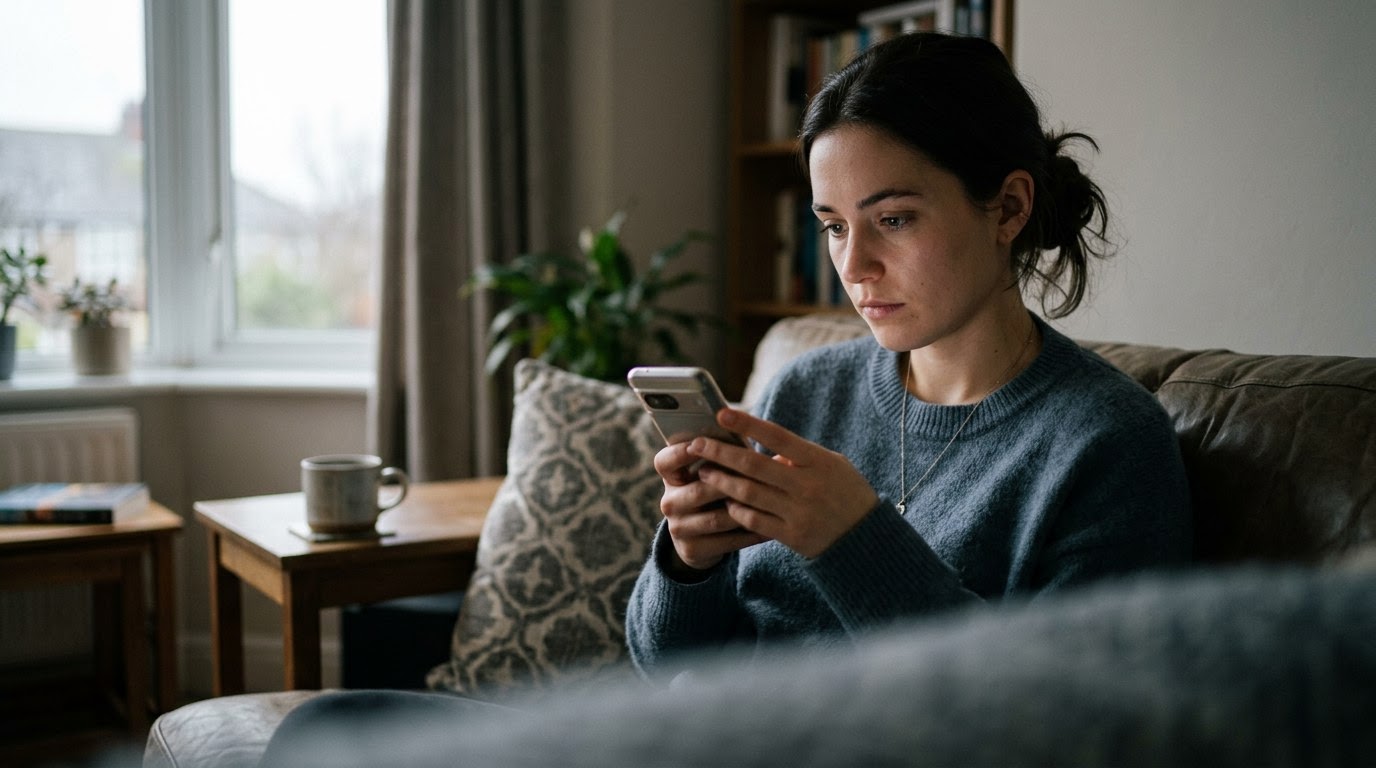
Traveling alone opens up wonderful opportunities to meet locals and other explorers, yet applying essential safety rules for using dating apps while traveling solo is critical when a match starts feeling slightly off. As of November 2026, tourist-targeted dating scams—ranging from rigged bar tabs and stolen luggage to long-term financial manipulation—cost travelers both thousands of dollars and days of ruined vacation time. When your gut tells you a charming stranger is rushing intimacy or dodging basic questions, checking their details early protects your trip. With TrustMatch, running a TrustCheck takes 60 seconds and ties a name to a real phone, real email, and a real digital footprint.
Why do matches push so hard to choose an unfamiliar meetup venue?
When a match insists on meeting at one specific bar or club they picked in an unfamiliar area, they may be steering you into a tourist venue scam. In these setups, a date works with crooked staff to hand you a massive bill or pressure you into paying cash. For example, Elena, a solo traveler in Athens, matched with someone who rejected three central cafés and led her to a side-street lounge where one drink came with a four-hundred-euro charge.
Before you agree to meet anyone abroad, vet the venue yourself using independent maps and recent traveler reviews. Look closely at one-star ratings rather than just the overall score, because victims of drink-overcharging scams frequently leave warnings about hidden menus, forced tips, or aggressive bouncers.
Choose a daytime coffee shop, a busy food hall, or a well-known restaurant along a main pedestrian street that you select yourself. If a match refuses every public location you suggest and claims only their favorite hidden spot is good enough, treat that stubbornness as an immediate exit sign. Genuine locals who want to show you their city are happy to start somewhere bright, accessible, and comfortable for a visitor.
What does it mean when someone asks where you are staying too quickly?
Asking for your hotel name, neighborhood, or exact arrival dates within the first few messages is a classic boundary test used by opportunistic thieves and stalkers. When you share where you sleep while traveling alone, someone can wait in your lobby, monitor your schedule, or target your room while you are out sightseeing. For example, Hannah, visiting Lisbon solo, felt uneasy when a charming match asked which boutique hotel she booked before even agreeing on coffee.
Your phone can reveal your whereabouts even if you never type an address. Most dating platforms display a live proximity radius, which is a built-in distance counter showing other users how close you are in miles or kilometers. If you swipe from your hotel bed at night and again at breakfast, someone watching that number can narrow down your exact block.
Turn off exact distance visibility in your app settings whenever the platform allows it, or disable location permissions until you step into a busy public district. When a match casually asks what part of town you are staying in, name a broad landmark twenty minutes away and keep your flight dates, solo status, and accommodation details completely off the record.
Why do travel-mode scammers rush you off the dating app right away?
Pushing you to switch to WhatsApp, Telegram, or text messaging after only three or four lines is a deliberate tactic to escape platform safety filters. Scammers want your real phone number before automated moderation flags their profile or bans their account for targeting tourists. For example, Devon, traveling alone in Bangkok, matched with someone who claimed their app notifications were broken and begged for his WhatsApp number within five minutes of saying hello.
Outside messaging platforms often rely on end-to-end encryption, a privacy feature that scrambles messages so outside moderators cannot read or review them. While that protects normal conversations, it also erases the safety net you get inside a dating app, where trust teams can inspect abusive patterns and preserve evidence if you file a report.
Giving out your phone number abroad also exposes your real identity through caller ID databases, linked social accounts, and messaging profiles. Keep all early chatting inside the dating app until you have met in a crowded public place and confirmed the person is real. If someone gets angry or guilt-trips you for wanting to stay on the app, they have already told you how little they respect your boundaries.
How do you spot fake local profiles built to target solo tourists?
Profiles filled with overly polished studio photos, vague job titles, and zero neighborhood knowledge often belong to remote scam rings using travel-mode features to impersonate locals. These operators lure lonely or curious travelers into fast emotional attachment before pitching fake cryptocurrency investments or bogus emergency loans. For example, Priya, visiting Barcelona on her own, matched with an alleged local architect whose photos showed luxury cars in Dubai and who could not name a single street near the Gothic Quarter.
Many of these scripts come from organized fraud groups running romance-investment cons, sometimes called pig butchering, which is a long-term scam where a fraudster builds warm trust before steering you toward a fake trading platform. FTC data shows consumers reported over $1.1 billion in romance scam losses in 2023. Travelers using location-swapping features are prime targets because they are away from home routines and eager to connect.
Test a suspicious match with simple, ordinary questions a true resident could answer in seconds, such as asking for their favorite local grocery chain or which transit line closes early on Sundays. You can also run a reverse image search—uploading a profile photo into a public search engine to see where else it appears online—to check whether their pictures were stolen from an influencer. Real people have imperfect snapshots, consistent local details, and no rush to talk about money.
Why is a last-minute venue change or sudden cash crisis a major red flag?
Canceling a safe meetup right before you arrive and asking you to send ride money or detour to an isolated spot is a high-pressure manipulation tactic. Scammers wait until you are already dressed and invested in the evening so you feel awkward saying no to a small favor or a sudden change of plans. For example, Jordan, traveling solo in Mexico City, was told ten minutes before dinner that his match lost her wallet and needed forty dollars sent digitally for a taxi.
Small upfront requests for cab fares, phone top-ups, or concert deposits rarely lead to an actual date; once you pay once, the excuses grow larger and the person disappears. The FBI reported that confidence fraud and romance scams cost victims more than $650 million in 2023. Even in person, never let a new date guide you to a random street ATM, where a card skimmer—a hidden device attached to a cash machine that steals your card details—could drain your travel funds.
Treat any sudden venue switch as an automatic cancellation. If someone asks you to leave the busy café you agreed on and walk down a quiet block to meet them at a friend's apartment or a closed storefront, turn around and head straight back to your main street. Paying your own way on a first meetup and refusing every digital transfer before meeting keeps your trip intact.
What are the subtle privacy leaks hidden in your dating profile photos?
Your own photos and bio lines can accidentally hand a stranger your exact hotel room, flight schedule, or daily walking route before you even swipe right. Cropping out landmarks, delaying social posts, and keeping solo travel details vague prevent bad actors from tracking you offline without your permission. For example, Sam, traveling alone in Tokyo, realized his profile photo showed his hotel's distinct balcony view and keycard logo, making it easy for anyone familiar with the district to pinpoint his building.
Beyond visible street signs, digital pictures sent over direct chat can contain EXIF metadata, which is hidden camera information stored inside image files that can include exact GPS coordinates and timestamps. Most major dating apps strip that data automatically upon upload, but sending raw photos over email or uncompressed messaging apps can still pass location tags straight to a stranger.
Use older photos from home or neutral travel shots taken days earlier rather than snapping a selfie at the café where you are sitting right now. Avoid writing phrases like "arrived solo today" or "here until Friday" in your bio, because those lines act like an invitation for tourist-targeting scammers looking for someone unfamiliar with local emergency numbers and customs.
How safe travel dating compares to common scam behavior
Comparing a match's habits side by side against normal dating behavior takes the guesswork out of evaluating someone new in an unfamiliar city. Safe matches respect your pace, accept public venues you help choose, and keep conversations grounded without asking for favors or private hotel details. When multiple patterns tip toward urgency, secrecy, or financial requests, you are looking at a practiced scam script rather than genuine local hospitality.
| Behavior Dimension | Safe Behavior | Scam Behavior |
|---|---|---|
| Meetup venue choice | Agrees to a bright, busy café or public square that you independently pick and verify. | Insists on one obscure bar or late-night lounge and rejects every central option you suggest. |
| Communication channel | Chats comfortably inside the dating app until you have met face-to-face in public. | Pushes within minutes to move to WhatsApp, Telegram, or text using excuses about broken notifications. |
| Location and travel questions | Focuses on shared interests, local food, or sightseeing without probing where you sleep. | Asks immediately for your hotel name, exact arrival dates, or whether you are completely alone. |
| Profile and local details | Shows casual, varied photos and shares specific neighborhood tips with natural consistency. | Uses glossy stock-like portraits, gives vague answers about local streets, and avoids video calls. |
| Money and emergencies | Splits the bill cleanly and never brings up cash problems, crypto apps, or favors. | Asks for digital cab fare, pitches investment tips, or springs a sudden wallet crisis before meeting. |
What to do if you spot these signs
Spotting one or two red flags while matching abroad does not mean your trip is ruined, as long as you slow down and take practical precautions right away. Stepping back from high-pressure chats, locking down your personal details, and confirming who you are talking to protects both your money and your physical safety. Follow these five calm steps whenever a match triggers your instincts on a solo trip.
- Pause the chat and keep everything on the app. Stop replying immediately if someone pressures you for your phone number, hotel address, or a last-minute venue change. Staying inside the dating platform prevents them from contacting you off-app if you decide to unmatch.
- Lock down your location privacy right away. Hide your distance radius in app settings, remove any profile photos showing your hotel exterior or room keys, and avoid posting real-time location tags on social media while you stay in that city.
- Run a quick identity check before meeting. If a match already shared a full name, phone number, or email address, use TrustMatch to run a 60-second TrustCheck so you can see whether those details connect to a consistent, real-world digital footprint before you step outside.
- Cancel questionable meetups or move to a venue you picked. You never owe a stranger a polite explanation when something feels off. Either cancel the date completely or insist on a daytime coffee shop on a busy main street you verified yourself.
- Report the account and share your plans with someone back home. Use the dating app's safety menu to report suspicious venue steering or money requests so moderators can protect other travelers. Whenever you do meet someone new abroad, send a trusted friend at home the venue address, your match's profile screenshots, and a check-in time.
Solo travel should leave you with great memories, not stress over whether a charming match has hidden motives. Trusting your gut when a conversation feels rushed, secretive, or pushy is always a smart call, even if you cannot point to hard proof right away. Before you agree to meet a stranger in an unfamiliar city, taking 60 seconds to run a TrustCheck on TrustMatch gives you clear, calm confidence so you can verify who you are meeting and focus on enjoying your trip.
Frequently asked
Should I tell dating app matches that I am traveling solo?
Keep your solo status private until you know someone well and have met in a busy public place. Writing that you are traveling alone in your bio or early messages signals to opportunistic scammers that you may lack local backup. Tell matches you are visiting with friends or simply focus on sightseeing plans rather than your solo schedule.
How do I pick a safe first meetup spot in an unfamiliar city?
Choose a busy daytime café, hotel lobby lounge, or central restaurant on a well-lit main street that you selected yourself. Check recent one-star reviews on independent map apps beforehand to watch for warnings about fake menus or inflated tourist bills. Never let a new match reroute you to a secluded bar at the last minute.
Is it safe to switch to WhatsApp before meeting a travel match?
No, staying inside the dating app until you meet in person protects your real phone number and preserves built-in moderation tools. Messaging platforms outside the dating app often hide chats behind encryption, making it harder to report abusive behavior and easier for strangers to look up your linked personal accounts or flood your phone.
How can I protect my hotel location on dating apps abroad?
Turn off exact distance sharing inside your dating app settings whenever possible, and avoid swiping directly from your hotel room. Never share your hotel name, arrival dates, or keycard photos in chat. If a match asks what neighborhood you are staying in, name a broad public landmark twenty minutes away from your actual lodging.
What should I do if a travel match asks for ride money before a date?
Cancel the meetup immediately and stop responding if a match asks for digital taxi fare, phone credit, or an upfront deposit before you meet. Scammers frequently invent last-minute wallet emergencies right when you are ready to leave. Real dates pay their own transit costs and never pressure you for money before saying hello.
More in Safety
- How to Tell If a Dating App Match Is an AI Bot
November 25, 2026
- How to Safely Leave an Uncomfortable First Date Early
November 23, 2026
- How to Spot Recovery Scams After Losing Money Online
November 20, 2026