How Fake Bar Tab Scams Exploit Victims During In-Person Dates
· 9 min read
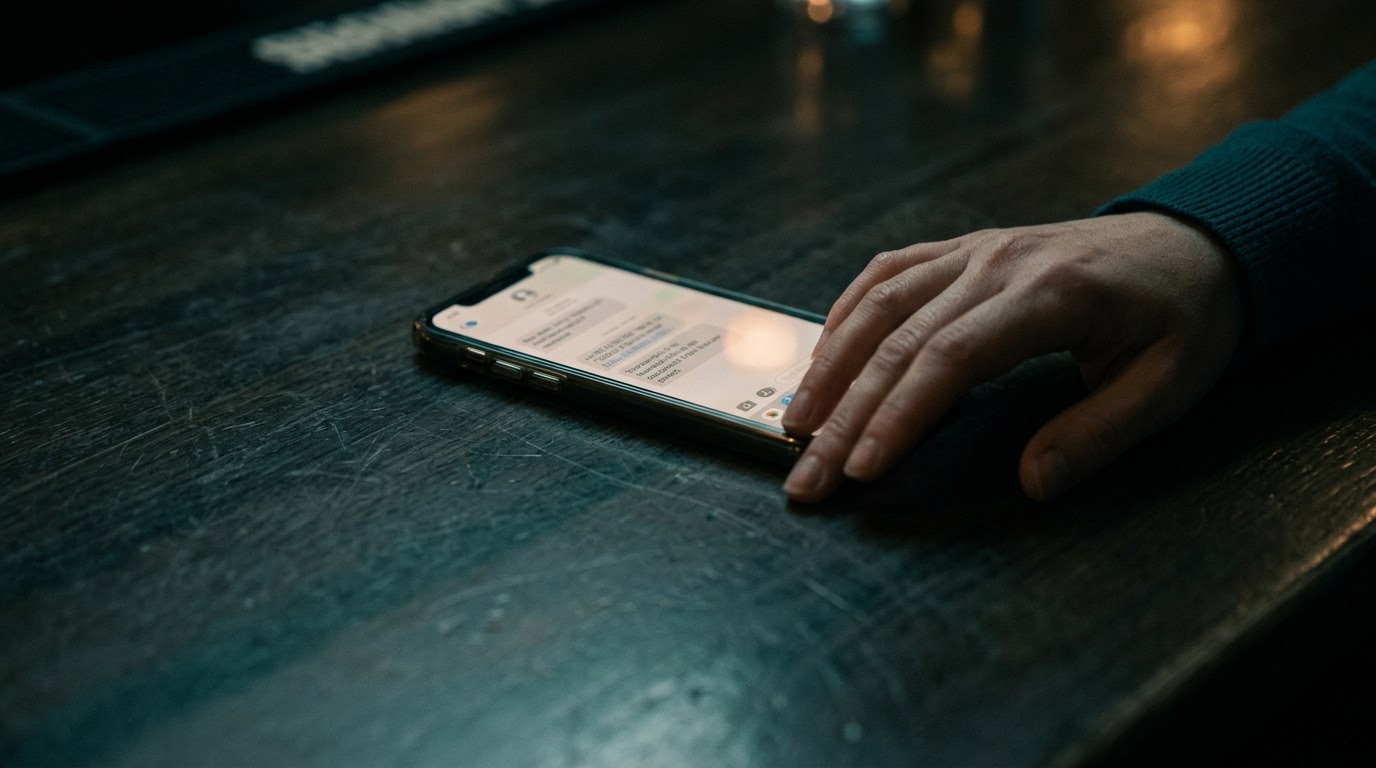
The fake bar tab scam—frequently termed date trapping or venue-commission extortion—is a predatory scheme where an online dater leads an unsuspecting target into a corrupt partner venue to run up an exorbitant bill. Losses commonly range between $300 and $3,500 for a single brief encounter, leaving victims financially drained and facing intense intimidation from venue staff. According to Federal Trade Commission (FTC) data from 2024, romance-adjacent imposter schemes generated over $1.3 billion in direct losses, with physical venue coercion representing one of the fastest-growing operational models in major metro areas. As of September 2026, police departments and consumer safety organizations report an uptick in these organized ring tactics across entertainment districts worldwide.
How the Scam Unfolds: The Step-by-Step Playbook
The fake bar tab scam relies on a coordinated handoff between an online accomplice and a corrupt nightlife venue. The target is matched on a dating app, rapidly guided toward an in-person meeting, and directed to a specific high-markup venue chosen entirely by the scammer. Once inside, the accomplice orders exorbitant items, leaves abruptly under false pretenses, and leaves the victim facing enforced payment by hostile staff.
While venue-based entrapment appears spontaneous to the person targeted, the entire interaction follows a strict script designed to maximize profit per target. Here is how a typical sequence plays out from initial digital match to financial exploitation.
- The High-Interest Match and Fast Transition: The process begins on a mainstream dating platform or social media app. The scammer’s profile features attractive, high-quality photos and displays intense, immediate interest. Within a few messages, the scammer proposes an immediate in-person meetup, skipping typical conversation phases. They establish an eager tone to lower the target's critical defenses.
- The Non-Negotiable Venue Selection: When suggesting where to meet, the scammer insists on a specific lounge, club, or bar. If you suggest a popular, well-known spot, they dismiss it, claiming their chosen spot is intimate, owned by a personal friend, or hosting an exclusive private gathering. This venue is a colluding business where staff operate on commission with the scammer.
- The Controlled Greeting and Seating: Upon arrival, the host or bartender recognizes the scammer immediately, creating a false sense of security and elite status. The seating arranged for the couple is often in a secluded back area, private room, or VIP table where regular public menus are absent. Staff quickly bring out specialized drink menus or bypass physical menus entirely, offering verbal recommendations for premium items.
- Rapid Aggressive Ordering: Before standard conversation even gets underway, the accomplice date orders top-shelf champagne, imported spirits, or luxury seafood platters. They may order multiple rounds in rapid succession, often telling the bartender to "keep them coming." The victim, attempting to project generosity and maintain a smooth date, rarely stops the order or asks for prices upfront.
- The Staged Emergency and Abrupt Exit: Shortly after the expensive items arrive at the table, the accomplice receives a phone call or text message. They feign a sudden crisis—such as a sick relative, an urgent work emergency, or a roommate locked out of an apartment. Apologizing profusely, the accomplice promises to return shortly or meet up later, leaving their jacket or a cheap bag behind to preserve credibility while slipping out the exit.
- The Inflated Bill and Mandatory Settlement: Minutes after the accomplice disappears, the waiter or manager immediately presents the check. The final total is artificially inflated—often charging $400 for bottles of wine worth $20, or adding mandatory 30% service charges and undocumented "VIP room fees." The bill frequently totals anywhere from $800 to $3,000 for under an hour of service.
- Physical Intimidation and Enforced Payment: If you question the prices, request an itemized receipt, or explain that your date ordered the items, security personnel or aggressive staff block the exit. They demand immediate payment via credit card or cash, threatening police intervention or physical harm. Out of fear, embarrassment, or confusion, most targets comply and pay the exorbitant total.
Who Gets Targeted and Why
Fake bar tab scams primarily target individuals searching for romantic connections on dating applications, particularly out-of-town visitors, business travelers, or people seeking luxury dates. Scammers exploit social politeness, romantic optimism, and the desire to avoid public confrontation. Targets rarely question menu prices early in a date because they want to project generosity and financial stability, creating a psychological vulnerability that corrupt venue staff actively exploit.
The criminal networks running date-trapping schemes do not choose victims at random. They target specific profiles where the likelihood of resistance is low and the pressure to conform is high. Understanding the underlying psychological hooks helps explain why intelligent, cautious individuals still fall into the trap.
Out-of-town travelers represent a primary demographic for these operational rings. A visitor in a foreign city or unfamiliar metropolitan district lacks knowledge of local venue reputations. They rely entirely on their date's local recommendations. When led into an alleyway lounge or unlisted bar, the target assumes it is simply a hidden local gem rather than an extortion setup.
Psychologically, the scheme weaponizes societal dating norms. During a first meeting, people naturally strive to make a positive impression. Questioning prices, demanding to see a physical menu, or arguing with a server over high costs creates awkward tension. Scammers capitalize on this reluctance to cause a scene. The target stays silent while expensive bottles are opened, fearing that speaking up will make them appear cheap, defensive, or financially insecure.
Furthermore, reports filed with the Federal Bureau of Investigation (FBI) Internet Crime Complaint Center (IC3) in 2025 revealed that extortion schemes tied to social dating platforms resulted in more than $200 million in localized losses, demonstrating how organized crime rings leverage romance to force quick financial transfers before victims register the danger.
To better understand how these encounters transition from a normal date into financial coercion, review the tactical breakdown below:
| Stage of the Scam | What the Scammer Says | What's Actually Happening |
|---|---|---|
| First Contact | "I hate texting! Let's get drinks tonight at this amazing hidden lounge I know." | The scammer avoids establishing a digital footprint and moves directly to a venue where they earn commission on your bill. |
| Venue Arrival | "Don't worry about looking at the menu, the staff here know me. Let's get their special bottle!" | The venue intentionally hides standard pricing to prevent you from realizing prices are marked up by 1,000% or more. |
| Ordering Drinks | "Let's order another round of shots for us and the bartender to celebrate our date!" | The accomplice inflates the running tab as quickly as possible, earning a cut of every drink charged to your card. |
| The Exit Trap | "My roommate just had an emergency! I need to step outside for five minutes to take this call." | The accomplice abandons the date completely, leaving you alone to face venue staff enforcement. |
| The Settlement | "Your date left. Pay this $1,500 tab right now or security will call the police and keep you here." | Venue staff use intimidation and legal bluffs to force immediate payment before you can verify local laws or call for help. |
How to Recognize It Before Money Moves
Recognizing a fake bar tab scam requires watching for specific behavioral and environmental red flags before you ever step inside a venue. High-signal indicators include a date refusing all alternative venue suggestions, insisting on an unlisted or off-menu bar, and rushing to order expensive spirits without reviewing price tags. Evaluating these red flags early prevents you from entering an isolated venue designed to coerce your payment.
To protect yourself during early-stage dating interactions, evaluate the situation critically. Ask yourself these key questions before agreeing to meet or before placing an order:
- Is my date completely inflexible about the meeting location? If a match refuses three different public, highly reviewed locations and insists on one specific, obscure bar, treat this as an immediate red flag. Legitimate daters are usually happy to compromise on a mutually convenient venue. Running a TrustCheck on the contact in week one catches most variants by verifying whether their online persona aligns with authentic records before you commit to meeting.
- Are physical menus with clear pricing visible? Corrupt partner venues frequently omit prices on menus, provide verbal-only options, or supply custom menus where prices are missing. If staff refuse to provide a menu with written prices, step away from the table immediately.
- Is your date pushing premium items immediately? Normal first dates involve moderate ordering while getting to know one another. If your date orders top-shelf champagne or expensive food platters within five minutes of sitting down, they are likely attempting to inflate the check before departing.
- Does the venue lack an independent online presence? Check Google Maps, Yelp, and local business registries. Colluding venues often operate under temporary names, lack verified business reviews, or have numerous past reviews warning of inflated tabs and aggressive bouncers.
- Is the payment process rushed or aggressive? If staff present an unitemized bill or demand instant credit card authorization before service is finished, refuse to hand over payment cards until every item is clearly accounted for.
If It's Already Happened: Recovery and Action Steps
If you fell victim to a fake bar tab scam, take immediate steps within the first 72 hours to protect your finances and secure evidence. Contact your bank or credit card issuer to dispute fraudulent or coerced charges, document all communication records, and file formal law enforcement complaints. Swift reporting increases the probability of recovering funds and helps authorities shut down predatory venues operating in illicit commission networks.
Experiencing date trapping and venue extortion can leave you feeling disoriented, angry, or embarrassed. However, taking decisive structural steps quickly helps mitigate damage and protects other potential victims.
Here are the crucial actions to execute within the first 72 hours:
- Dispute the Charges with Your Card Issuer: Call your bank or credit card company immediately. Inform them that you paid under physical coercion or that the business engaged in fraudulent billing practices without clear price disclosures. Request a chargeback under merchant fraud rules. Mention if physical restraint or security intimidation was used to force payment.
- Document All Digital and Physical Evidence: Take screenshots of your entire conversation history on the dating app, including profile photos, phone numbers, and messaging logs. Keep your merchant receipt, credit card statement itemization, and exact location coordinates of the venue. Doing a TrustCheck on the contact confirms the identity is fake, providing additional documentation for your bank dispute that the profile was an unverified alias.
- File Law Enforcement Reports: Submit a report to local police in the jurisdiction where the venue operates. Request a police report number, which financial institutions often require for coerced payment disputes.
- Report to Federal Authorities: File a formal fraud complaint with the FTC at reportfraud.ftc.gov and submit cyber-enabled romance extortion reports to the FBI Internet Crime Complaint Center at ic3.gov. Federal logs track patterns to build RICO cases against corrupt nightlife groups.
- Protect Your Financial Accounts and Credit: If venue staff forced you to reveal personal identification or card PIN numbers, cancel the compromised cards immediately. Request new card numbers and review your credit statements for any unauthorized inquiries or secondary charges. If identity theft is suspected, place a free security freeze on your credit files with Equifax, Experian, and TransUnion.
Frequently asked
What should I do if venue security physically prevents me from leaving?
Stay calm and prioritize your physical safety. Do not attempt a physical altercation with bouncers. If you feel threatened, call 911 immediately or state clearly that you are dialing emergency services. If forced to pay under duress, use a credit card rather than cash or debit, as credit cards offer stronger consumer fraud dispute protections after you exit.
Can I dispute a fake bar tab scam charge with my credit card company?
Yes, you can dispute charges resulting from date trapping schemes. Contact your card issuer and file a dispute under merchant fraud, deceptive pricing, or coercion. Explain that prices were undisclosed, service was fraudulent, or payment was extracted under physical intimidation. Providing a police report and dating profile screenshots significantly strengthens your chargeback claim.
Why do corrupt bars partner with dating app scammers?
Corrupt bars partner with online scammers to generate massive profit margins on low-cost inventory. The venue charges target victims thousands of dollars for cheap alcohol or undisclosed service fees. The scammer receives a negotiated commission—often 30% to 50% of the total tab—for bringing targets into the venue, creating a lucrative joint extortion model.
How can I avoid date trapping when meeting someone new?
Always select or mutually agree upon a well-known, publicly reviewed establishment for a first date. Never allow your date to unilaterally mandate an obscure lounge or unlisted venue. If your date refuses standard locations, orders expensive items without checking pricing, or attempts to leave early, request individual checks immediately from the server.
Does reporting a fake bar tab scam actually help catch scammers?
Yes, reporting date trapping schemes to local police, the FTC, and the FBI IC3 helps build criminal cases against organized networks. Federal agencies track repeating patterns across venues and social accounts. Aggregate complaints allow law enforcement to raid predatory bars, revoke liquor licenses, and prosecute corrupt owners and accomplices operating extortion rings.
More in Scams
- How Fake Peer Boat Charter Deposit Scams Target Vacationers
September 17, 2026
- How Spoofed Bank Text Alerts Steal Access to Peer Payment Apps
September 14, 2026
- How Fake Vehicle Shipping Deposit Scams Target Out-of-State Buyers
September 12, 2026