How to Safely Sell Digital Goods and Gaming Accounts Online
· 9 min read
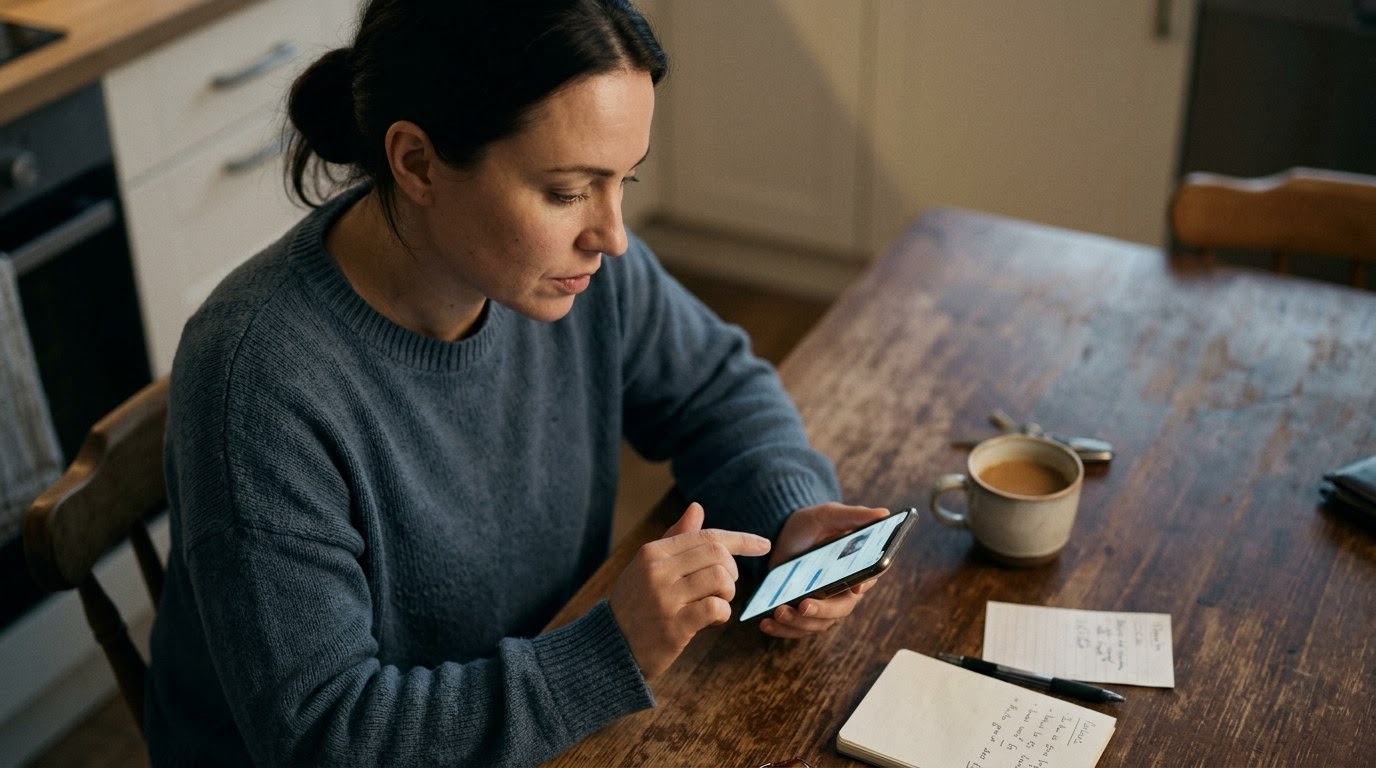
Selling virtual assets—whether high-level gaming accounts, rare skin inventories, custom software licenses, or digital collectibles—can be lucrative, but it exposes you to sophisticated fraud tactics. Unlike physical goods, digital assets are delivered instantly and are almost impossible to recover once login details or transfer codes are handed over. Fraudsters capitalize on this asymmetry using unauthorized chargebacks, fake payment receipts, middleman scams, and stolen financial credentials. Getting caught in one of these schemes means losing both your asset and your money, alongside the emotional distress of having years of gaming progress or hard work wiped out in seconds. As of September 2026, peer-to-peer digital trades require a healthy sense of skepticism and clear verification standards. Before you hand over sensitive account credentials or transfer valuable in-game assets to a stranger, running a TrustCheck takes 60 seconds and ties a name to a real phone, real email, and a real digital footprint.
The Buyer Demands to Use an Unfamiliar Third-Party Escrow Site
This tactic occurs when a prospective buyer refuses to use established trading platforms or well-known escrow services, insistently pushing a domain you have never heard of. What this usually means is that the buyer controls the fake escrow website, designed to mirror a legitimate service while stealing your account details or pretending to hold funds that do not exist. For example, Marcus listed a rare World of Warcraft account on a community board. A buyer offered full asking price immediately but insisted on using a custom trade-verification URL; once Marcus submitted his account credentials to the site's automated transfer form, his account password was changed and the buyer disappeared.
Fake escrow portals are built to closely resemble legitimate verification platforms, complete with fake live chat support operators who claim your funds are safely held in vault storage. When you interact with these sites, every piece of information you enter goes directly to the fraudster. Legitimate middleman services do not require you to register on unknown domains sent through private messages. If a buyer refuses to use a mutually agreed, reputable platform like PlayerAuctions or verified trade forums, cancel the deal immediately.
You Receive a Payment Confirmation Email Before Money Hits Your Account
This red flag involves receiving an email notification claiming that funds have been sent, held in escrow, or require an account upgrade to release, while your actual bank or payment app balance remains unchanged. Scammers use email spoofing—a technique that fakes header addresses to make messages look like they originated from PayPal, Wise, or Zelle—to trick sellers into transferring digital goods. For example, Sarah was selling a CS:GO skin portfolio worth $800. She received a professional-looking email purportedly from PayPal stating that $800 was on hold until she provided the Steam trade confirmation code to the buyer, which she did, only to discover no payment was ever processed.
Payment processors do not require sellers to provide transfer proof, tracking codes, or digital gift cards to release standard payments into your account. Always log in directly to your official payment app or bank account by typing the address yourself rather than clicking links inside emails. If your account balance does not show available funds, the payment has not occurred, regardless of how official the notification email looks.
The Buyer Overpays and Asks You to Transfer the Difference to a Courier
This pattern is a classic overpayment scam where the buyer sends a check, stolen credit card payment, or fraudulent bank wire for more than the agreed purchase price, then requests a partial refund or fee payment. The initial payment inevitably bounces or gets reversed weeks later by the issuing bank due to fraud, leaving you responsible for the full reversed amount plus whatever money you sent out. For example, David agreed to sell his Valorant account for $300. The buyer sent a cashier's check image for $800, asking David to wire $500 to a digital broker for account migration fees; after wiring the funds, the original check cleared provisionally before bouncing completely days later.
Overpayment schemes rely on bank clearing delays, known as provisional credit, where funds appear in your balance before the issuing institution fully verifies the deposit. Scammers exploit this gap by pressuring you to act fast before the bank detects the fraudulent source. Remember that genuine buyers never overpay by hundreds of dollars by mistake, nor do they ask sellers to forward cash to unverified third parties.
The Buyer Insists on Moving the Conversation Away from the Official Marketplace
When a buyer immediately asks to move chat off a verified marketplace like PlayerAuctions, EpicNPC, or eBay to Discord, Telegram, or WhatsApp, they are attempting to strip away your seller protections. Scammers know that platform operators cannot monitor external chat logs or enforce buyer rules once communication leaves the site. For example, Elena listed a high-level Fortnite account on a gaming marketplace. A buyer messaged her to move to Discord for a faster reply, where he negotiated a price and convinced her to accept a direct friend-to-friend payment that offered zero merchant dispute coverage.
Marketplace protection policies rely heavily on system logs to resolve trade disputes, confirm delivery of login information, and verify buyer communications. When you take the conversation elsewhere, you eliminate the paper trail needed to win a chargeback dispute or account theft report. Keep all negotiations, item confirmations, and payment links inside the official marketplace chat system.
The Buyer Demands Login Details Before Releasing Payment or Using Friends and Family
This behavior manifests when a buyer insists on inspecting the account firsthand or demands that you accept payment via PayPal Friends and Family or cryptocurrency prior to asset transfer. In digital asset sales, giving away access credentials prior to secured funds grants total control of the primary email and multi-factor authentication setup to the buyer, who can then lock you out instantly. According to FTC data, consumers reported losing over $10 billion to fraud in 2023, highlighting how widespread payment fraud and unauthorized reversals remain in digital transactions. For example, Alex shared his EA account password with a buyer who promised to send money immediately after confirming in-game items; the buyer immediately changed the primary email address and blocked Alex across all channels.
Peer-to-peer payment options labeled as "Friends and Family" or instant wire transfers explicitly waive dispute protections for sellers and buyers alike. When selling to someone you do not know personally, using an unprotected payment channel combined with advance account access creates maximum risk. Legitimate buyers expect to use goods-and-services payment methods or verified escrow systems that protect both parties equally.
Comparing Safe vs. Scam Behaviors in Virtual Trades
Distinguishing between legitimate digital buyers and online scammers comes down to recognizing subtle behavioral patterns during negotiations and payment processing. Authentic buyers respect established platform safeguards, expect standard security checks, and understand why instant credential transfers are unsafe before payment clears. Scammers, on the other hand, push for speed, rely on unverified payment channels, and attempt to manipulate you into bypassing standard escrow procedures. Reviewing these key behavioral differences helps you spot potential red flags before handing over control of your digital property.
| Dimension | Safe Buyer Behavior | Scam Buyer Behavior |
|---|---|---|
| Communication Channel | Stays within official marketplace messaging system. | Demands moving immediately to Discord, Telegram, or off-site email. |
| Payment Method Requested | Uses verified platform escrow or official goods-and-services options. | Pushes for PayPal Friends and Family, crypto, or fake escrow sites. |
| Urgency and Pressure | Patient, allows time for account preparation and verification. | Creates extreme rush, claiming funds expire or trade must happen instantly. |
| Verification & Identity | Willingly provides contact details to verify digital footprint. | Refuses identity verification, uses brand-new accounts with zero history. |
| Account Transfer Process | Waits until payment is fully settled in seller account balance. | Demands login details prior to payment or uses fake receipt emails. |
Essential Safety Rules for Transferring High-Value Gaming Accounts
Transferring ownership of a gaming account or digital asset requires deliberate steps to prevent permanent loss of control. Because game publishers strictly monitor security changes, performing account handovers incorrectly can trigger automated bans or account locks. Establishing a clean separation between your personal identity and the account being sold ensures that the trade goes smoothly while keeping your personal email and recovery data secure from exploitation.
First, create a brand-new, dedicated email address solely for the account transfer process. Change the gaming account's registered contact address to this disposable email account at least 48 hours before the trade, ensuring all recovery options and two-factor authentication devices are transferred over smoothly. Never hand over your personal primary email account under any circumstances, as doing so puts your financial accounts, personal documents, and personal passwords at severe risk.
Second, document every stage of the transfer process using screen recordings or screenshots. Record the account status, inventory items, characters, and current balance prior to initiated changes, alongside the exact timestamp of email changes and credential handovers. If a buyer attempts a fraudulent chargeback through their credit card company or PayPal, having a comprehensive media log of the transaction drastically increases your chances of winning the claim dispute.
Third, verify the funding source whenever possible. Fraudulent buyers frequently use stolen credit cards to purchase digital accounts, leading to automatic payment reversals when the rightful cardholder notices the unauthorized activity weeks later. Requesting identity matching on high-value sales filters out buyers operating behind compromised payment profiles.
What to Do If You Spot These Signs
If a prospective buyer exhibits any of these red flag behaviors during a digital asset trade, taking immediate defensive steps will protect your financial accounts and virtual assets. Halting the transaction early prevents account lockouts and unrecoverable monetary losses. Follow these actionable steps to verify the buyer and secure your digital property before proceeding with any transfer.
- Stop the transfer and pause all off-platform communication immediately if the buyer pressures you to skip safe trade steps.
- Run a TrustCheck on the buyer's phone number or email address before finalizing the transfer to ensure their identity matches their online claim.
- Log into your primary payment processor directly through an official mobile app or browser bookmark to confirm that funds are fully settled in your available balance.
- Secure your original digital accounts by updating passwords, removing saved credit card information, and enabling two-factor authentication via an authenticator app.
- Report the suspicious buyer and submit trade logs to the official trading marketplace or forum moderators to help protect other community members.
If you suspect an account trade has already gone wrong, contact your gaming publisher's customer support immediately using your original registration billing information, purchase receipts, and account creation details. Most major publishers can restore original account ownership if you provide valid historical proof of purchase. Additionally, if you revealed personal passwords or financial details during the transaction attempt, place a fraud alert on your credit file and review your accounts for unauthorized activity.
Trusting your gut when a digital trade feels suspicious is completely valid and often saves you from devastating asset loss. Experienced sellers know that walking away from a high-pressure deal is always better than risking years of account history on an unverified stranger. When you want to verify who is on the other end of a deal, using TrustMatch gives you the clarity you need to trade safely.
Frequently asked
Can I get my gaming account back if a buyer steals it?
Yes, in many cases you can recover a stolen account by contacting the game publisher support team. You will need to provide original registration details, early purchase transaction IDs, original CD keys, or payment receipts linked to the account to prove you are the original owner.
Is PayPal Friends and Family safe for selling digital goods?
No, PayPal Friends and Family offers zero seller protection for commercial transactions or digital goods. If a buyer pays using this method with a stolen account or files a unauthorized chargeback with their bank, PayPal will not defend your sale and funds will be reversed.
What should I do if a buyer files a chargeback after receiving the account?
Gather all evidence including marketplace chat logs, account change confirmation emails, timestamped screenshots of the asset delivery, and buyer identity details. Submit these documents to your payment processor or dispute portal promptly to challenge the unauthorized chargeback claim.
Why do scammers want to move trades to Discord or Telegram?
Scammers move conversations off official platforms to eliminate verified communication logs that marketplaces use to protect sellers. Off-site chat makes it difficult for platform administrators to verify what was agreed upon, rendering dispute claims harder for sellers to win.
How can I safely accept payment for digital items?
Use reputable trade escrow platforms or standard commercial payment options that provide digital goods coverage. Always wait until funds are fully cleared into your settled account balance before handing over access credentials or transferring secondary email ownership.
More in Safety
- What to Do When an Online Match Knows Unshared Personal Details
October 16, 2026
- How to Safely Handle Drink Security on First Dates
October 14, 2026
- How to Spot Romance Scammers on Professional Networking Platforms
October 12, 2026