Essential Safety Rules for Meeting an Online Dating Match in Person
· 11 min read
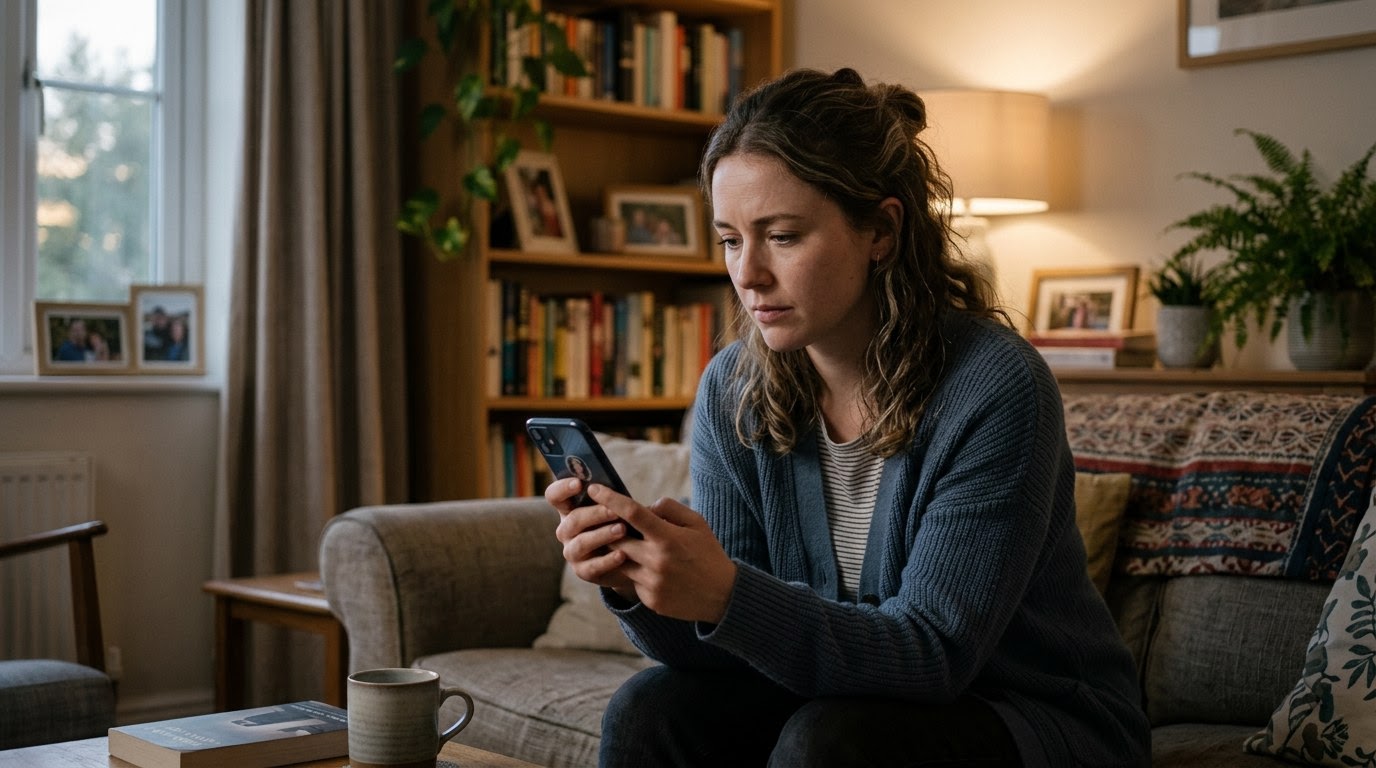
When you spend days or weeks chatting with someone online, it feels completely natural to want to take the next step and meet face-to-face. However, transitioning from a screen to a physical environment carries emotional and physical risks if the person on the other end is hiding their true identity or intent. Falling for a bad actor can cost you severe emotional distress, personal safety compromises, or thousands of dollars in deceptive financial schemes. As of August 2026, setting firm personal boundaries early is the most effective way to protect yourself. Before putting yourself in a vulnerable position, running a TrustCheck takes 60 seconds and ties a name to a real phone, real email, and a real digital footprint. Taking simple, practical steps before stepping out the door lets you enjoy your date with complete peace of mind.
Refusing to Meet in a Public Location
Refusing to meet in a public location usually indicates that your match is avoiding public accountability, trying to isolate you, or hiding their physical appearance. Safe matches welcome well-lit, populated environments like coffee shops or public parks for a first meeting. For example, Marcus chatted with a woman for two weeks who insisted on meeting at her secluded apartment for privacy. When Marcus suggested a local coffee shop instead, she made defensive excuses and eventually stopped responding.
When someone tries to convince you to skip a public venue, they are asking you to trade your personal safety for their convenience. Public places provide natural boundaries and a built-in safety net. If things turn uncomfortable, you can easily pay your bill and walk away into a crowded street. Private settings remove those protective layers and put you in an isolated environment before you have established real trust.
If your match claims they are too shy for public places, suggest a low-key, quiet cafe during daylight hours rather than a noisy lounge. A reasonable person who genuinely wants to get to know you will compromise. If they remain rigid about meeting at a private residence, inside a vehicle, or at a secluded location, cancel the date. Your safety must always take priority over someone else's preference.
Pushing to Move Off the Dating App Immediately
Pushing to switch to encrypted messaging apps right away is a tactic used to escape app safety moderation and user reporting systems. Major dating platforms actively monitor suspicious behavior, so bad actors quickly lure you away before their profile gets flagged or banned. For instance, Sarah matched with an attractive architect who sent three brief messages before insisting they switch to text because he was leaving the app. When Sarah asked to stay on the app longer, he became hostile.
Dating platforms invest heavily in fraud detection systems that analyze message patterns for spam, harassment, and common scam phrases. Scammers know their accounts have a limited lifespan on these apps, which is why they push for your personal phone number or move you to third-party messaging services. They may ask for your phone number, email address, or handle on apps that utilize end-to-end encryption, a security feature that scrambles messages so only the sender and receiver can read them.
While moving off the app is a normal step eventually, doing so within the first few messages should trigger caution. Keep the conversation on the dating platform until you have had a video conversation or verified that their story holds up. According to a 2024 BBB study, nearly 30% of romance scam victims were targeted across popular dating platforms before being moved to private messaging. Protecting your phone number keeps your personal life isolated from prospective matches until they earn your trust.
Inconsistent Details About Their Job, Location, or Identity
Inconsistent personal details suggest your match is creating a fictional persona, a practice known as catfishing, which means creating a false online identity to deceive someone. When someone changes their job title, claims to live nearby but mentions distant landmarks, or gives conflicting backstories, their narrative is usually fabricated. For example, David noticed his match claimed to work at a hospital in Chicago, but later mentioned working night shifts at a clinic in Denver during the same week.
Maintaining a fake identity requires remembering dozens of fabricated facts. Eventually, people lying about their background make mistakes. They might forget where they claimed to go to college, mix up their work schedule, or give vague answers when you ask about local spots in their supposed hometown. Pay attention to how they answer direct, simple questions about their daily routine.
You can cross-reference the information they share without being overly paranoid. Pay attention to whether their photos look professional or stolen from a model's portfolio. You can run a reverse image search, which is a web tool that searches the internet to see where a photo was originally published. If their photo appears on a stock imagery site or belongs to a social media influencer with a completely different name, break off contact immediately.
Avoiding Video Calls or Sudden Camera Failures
Repeatedly avoiding a quick video call or blaming technical glitches usually means your match does not match their profile photos. Honest matches are typically glad to do a two-minute video chat before meeting to confirm mutual interest and safety. For instance, Elena tried to arrange a quick FaceTime call before dinner with a guy she liked, but he claimed his camera lens broke four times in a row while continuing to post fresh photos on social media.
Video calls are the ultimate test for online dating safety because they eliminate photo filters, old pictures, and stolen identities. A brief live video chat confirms two essential things: the person looks like their profile photos, and they are located roughly where they claim to be. Scammers will offer every excuse under the sun—a bad Wi-Fi connection, a broken screen, strict job security policies, or personal anxiety—to keep you from seeing them live.
Make a short video call a non-negotiable rule before setting foot in a restaurant or coffee shop. You do not need to have a three-hour deep conversation over video. A quick two-minute hello is enough to verify their face and vibe. If they refuse, make excuses, or promise to call later but never follow through, treat it as a major warning sign and pause your plans to meet.
Excessive Urgency and Fast-Tracking Emotional Intimacy
Showering someone with overwhelming affection and declarations of love very early is known as love-bombing, a manipulation tactic designed to bypass your logical guardrails. Scammers manufacture intense emotional bonds within days to make you feel obligated to help them or trust them blindly. For example, James received lengthy poems and professions of deep love from a match within 48 hours of swiping right, followed quickly by pressure to plan an expensive weekend getaway together.
Genuine relationships take time to develop through shared experiences and mutual respect. When an online match rushes past normal milestones—calling you their soulmate after three text messages or talking about marriage before you have shared a cup of coffee—they are creating a false sense of intimacy. This emotional fog makes it much harder for you to say no when they make unreasonable demands later on.
Pay close attention to how they react when you slow down the pace. A safe match will appreciate your thoughtfulness and respect your need to take things step-by-step. A manipulator will make you feel guilty, accuse you of not trusting them, or dramatic claims of heartbreak. FTC data from 2024 shows romance scam reported losses exceeded $1.1 billion across the United States, with emotional manipulation standing as the primary driver behind financial compliance.
Asking for Financial Help or Unusual Payment Methods
Requesting money, gift cards, or wire transfers before or shortly after meeting is the clearest sign of a financial scam. No legitimate dating match will ask you to cover an unexpected emergency, customs fee, or travel costs before establishing a genuine relationship. For example, Priyha was planning a first date when her match claimed his bank account was frozen and asked her to send $200 via cryptocurrency to cover his rideshare to the restaurant.
Scammers construct elaborate, high-stress scenarios to create urgency. Common stories include being stranded at an airport, experiencing an unexpected medical emergency, having business funds locked in probate, or needing help paying for gas to come see you. They often ask for payment methods that offer zero consumer protection, such as gift cards, wire transfers, or cryptocurrency transfers.
Never send money, share credit card details, or buy gift cards for someone you met online, regardless of how compelling their story sounds or how attached you feel. A genuine person would turn to family, banks, or local support systems during a crisis—not an online dating match they have never met in person. A 2025 FBI report revealed that online romance fraud caused over $650 million in losses to thousands of individuals, demonstrating how costly ignoring this boundary can be.
Resisting Clear Personal Boundaries Before the Date
Disregarding your simple preferences or safety boundaries before you even meet reveals a fundamental lack of respect for your comfort and personal autonomy. If someone reacts with guilt, anger, or dismissive comments when you set ground rules, they will likely cross larger boundaries in person. For instance, Tom told his match he needed to be home by 9:00 PM for work, but she repeatedly pressured him to commit to late-night drinks at a distant venue.
Boundary testing starts small during the messaging phase. A match might push you to share your home address, ask uncomfortable personal questions, insist on picking you up at your house, or critique your date preferences. These small boundary tests are designed to see how easily you give in to pressure and whether you will enforce your own limits.
Pay close attention to how your match handles the word "no." If you say you prefer tea over alcohol, or that you want to drive yourself to the venue, a healthy partner accepts your decision without argument. If they attempt to negotiate, mock your caution, or push past your comfort zone, cancel the date. Respect is established in the initial interactions, not after you arrive at the restaurant.
Comparing Safe vs. Scam Dating Behaviors
Recognizing the difference between healthy interest and manipulative behavior helps you evaluate your match objectively. The table below compares common dating interactions across five critical dimensions so you can check your gut against established safety standards.
| Dimension | Safe Behavior | Scam Behavior |
|---|---|---|
| Location Preference | Suggests or enthusiastically agrees to a busy, public cafe, restaurant, or park. | Insists on meeting at a private residence, secluded spot, or inside a personal vehicle. |
| Communication Platform | Willing to stay on the dating app until trust is built and a video call occurs. | Demands your phone number immediately or pushes to switch to encrypted apps right away. |
| Emotional Pacing | Takes time to get to know you, respects your schedule, and builds gradual rapport. | Love-bombs you with instant declarations of affection, calling you a soulmate within days. |
| Identity Verification | Happy to do a brief live video chat to say hello before meeting in person. | Makes repeated excuses about broken cameras, poor Wi-Fi, or sudden work travel. |
| Financial Boundaries | Expects to split or pay for their own coffee/meal; never brings up personal money issues. | Asks for cash, gift cards, or crypto transfers for emergency travel or frozen accounts. |
Essential Safety Rules for Meeting an Online Dating Match in Person
When you are ready to transition from online messaging to an in-person meeting, following a clear set of safety rules keeps you in control of the situation. Implementing these rules removes guesswork and ensures that you can focus on enjoying the date while maintaining your physical safety.
First, always arrange your own transportation to and from the venue. Drive your own vehicle, take public transit, or use a rideshare service that you book yourself. Never let a first date pick you up at your home or workplace, as this gives them your precise residential location before you know whether you feel safe around them.
Second, choose a public venue that you are already familiar with. Select a place with steady foot traffic, clear lighting, and attentive staff. Inform a close friend or family member about your plans. Send them the details of where you are going, the full name and profile details of your match, and set up a live location-sharing link on your phone for the duration of the date.
Third, establish a check-in routine with your safety contact. Set a specific time during the date—such as one hour after your arrival—to send a quick text confirming that everything is going smoothly. Agree on a code word with your friend beforehand so that if you text that word, they know to call you immediately with an believable emergency reason for you to leave.
Finally, keep your personal belongings, drink, and food within sight at all times. If you need to step away to use the restroom, leave your drink with the bartender or order a fresh one when you return. Watch for attempts at spoofing, which involves altering phone numbers or email addresses to impersonate legitimate contacts, if your match offers to show you text confirmations or credentials on their phone.
What to do if you spot these signs
- Pause communication immediately and do not share additional personal details, such as your home address, workplace, or financial information.
- Run a TrustCheck to verify their background details, tying their provided name, email, and phone number to a real digital footprint before taking any further action.
- Take clear screenshots of your conversation, profile details, and any contact information provided in case you need to report fraudulent behavior later.
- Block their profile on the dating app and block their phone number across your messaging channels to prevent continued contact.
- Report the suspicious account directly to the dating platform's safety team so they can investigate and prevent other users from being targeted.
Trusting your gut is always valid when you feel something is off with an online match. You do not owe anyone a date, an explanation, or your personal safety. Verification is a quick 60-second action that clears away doubt before you walk out the door. If a match is genuine, they will respect your safety precautions and support your boundaries without hesitation. Protect your peace of mind by letting TrustMatch help you confirm who you are meeting before you take the leap.
Frequently asked
Why should I stay on the dating app before meeting?
Dating apps feature built-in moderation tools, message monitoring, and user reporting functions that deter bad actors. When you stay on the app, you retain access to these protective mechanisms. Scammers frequently try to pull you off the platform quickly to avoid detection and profile bans.
Is it reasonable to ask for a video call before a first date?
Asking for a quick two-minute video chat is completely reasonable and standard practice. It verifies that your match looks like their photos and is who they claim to be. Anyone who respects your comfort and safety will gladly agree to a brief video hello.
What should I do if a match asks for money before our date?
Never send money, cryptocurrency, or gift cards to someone you have only met online, regardless of their reason. Block the contact immediately and report their profile to the platform. Legitimate matches will never ask for financial assistance before or during early dating.
How can I share my location safely on a first date?
Use your smartphone's built-in location-sharing features to share your live location with a trusted friend or family member. Provide them with the venue address, your match's contact info, and establish a check-in time during the date so they know you are safe.
What are the signs of love-bombing in early messaging?
Love-bombing involves rapid professions of intense affection, constant texting, calling you a soulmate within days, and pushing for quick relationship commitments. It is designed to lower your guard quickly. Safe relationships build gradually through real, consistent interaction over time.
More in Safety
- How to Safely Plan Outdoor First Dates With Online Matches
September 21, 2026
- What to Do When an Online Match Asks for Your Driver License
September 18, 2026
- What to Do When a Dating Match Asks for Wi-Fi Access
September 16, 2026