How Fake Boat Purchase Deposit Scams Target Private Buyers
· 11 min read
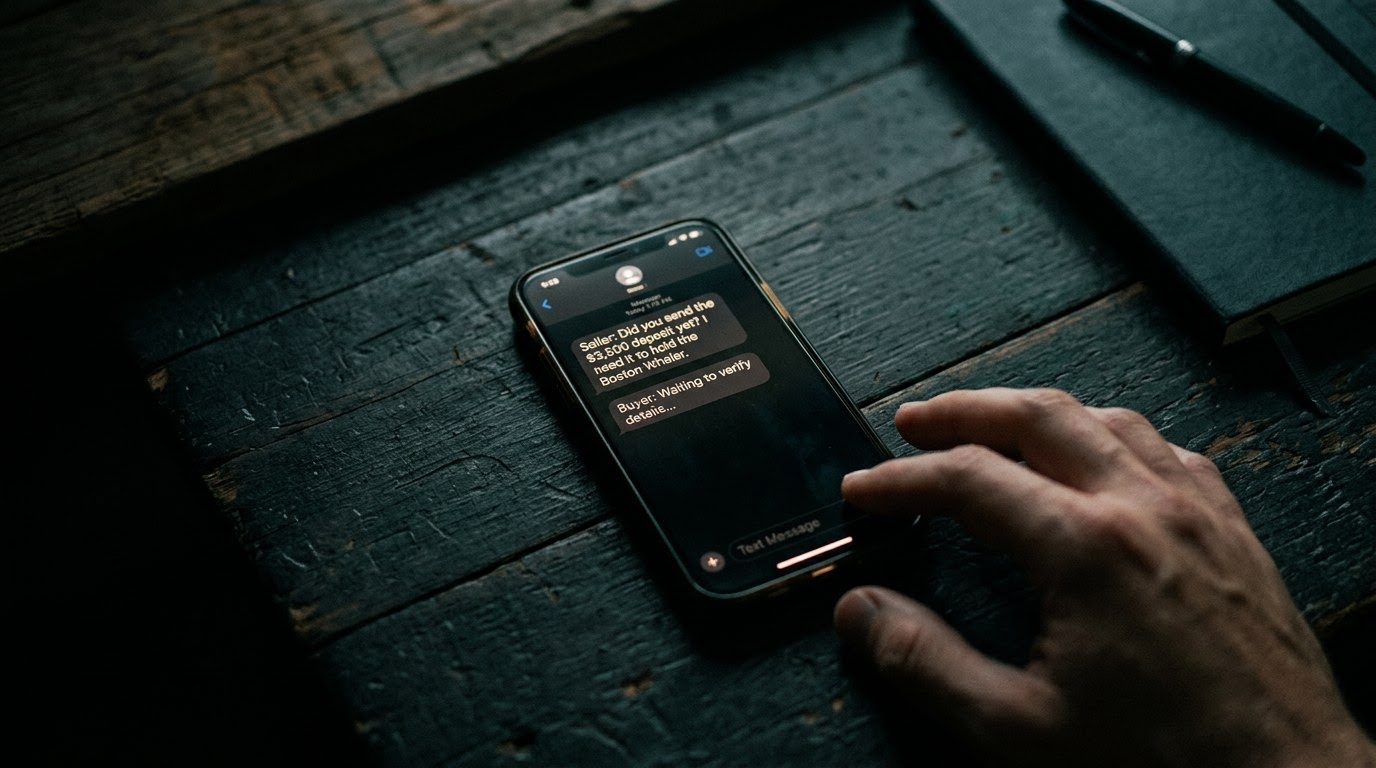
As of September 2026, private boat sales on digital marketplaces and specialized classified boards face a sharp rise in fraudulent deposit schemes. Fake boat purchase deposit scams operate by tricking prospective buyers into transferring non-refundable down payments, earnest money, or holding fees for vessels that the seller does not actually own or possess. Victims routinely lose between $1,500 and $15,000 per transaction through untraceable payment channels such as wire transfers, peer-to-peer payment apps, or spoofed escrow websites. FBI IC3 reports from 2025 indicated that non-delivery scams involving high-value merchandise like boats and vehicles generated over $340 million in total damages. Understanding how these operators execute their playbook helps buyers protect their savings before money moves.
How Fake Boat Purchase Deposit Scams Target Private Buyers: The Playbook
How fake boat purchase deposit scams target private buyers follows a precise, multi-stage playbook designed to build trust and trigger immediate emotional action. Fraudsters copy real vessel photos, craft believable low-market listings, invent plausible reasons for restricting live visits, and pressure buyers into wiring holding fees to fake escrow services. Once the deposit clears the banking system, the fraudster severs all communication, leaving the buyer without a boat or monetary recourse.
To understand the mechanics of this fraud, consider a typical sequence experienced by private buyers searching for pre-owned center consoles, pontoon boats, or cabin cruisers online. The entire transaction is structured to simulate a legitimate marine sale while quietly removing every safeguard a buyer normally relies upon.
- Listing Hijacking and Mirror Advertising: The scammer scrapes high-resolution photos, detailed specifications, and even valid Hull Identification Numbers (HIN) from legitimate broker sites, social media groups, or completed online auctions. They re-post the vessel on peer-to-peer marketplaces at a price set roughly 20% to 40% below fair market value. This specific pricing strategy is calculated to attract serious interest quickly without raising immediate alarm bells about a deal looking absurdly impossible.
- Establishing Rapid Contact and First-Name Rapport: When you message the seller, they respond quickly via text or encrypted messaging apps. The communication is polite, professional, and knowledgeable about basic marine terminology, often copied directly from the original listing notes. The seller creates a backstory explaining that the boat belonged to a deceased relative, was left behind after a sudden corporate relocation, or must be sold prior to an overseas military deployment.
- Deflecting In-Person Inspections and Sea Trials: When you request a local meeting, a marine survey, or a sea trial, the seller introduces a physical barrier. They claim the boat is currently locked in a secure transport depot, stored at a remote marina under winterization wrap, or managed by a third-party logistics firm that will not permit access until a purchase contract or holding deposit is initiated. They offer additional photos, video walkthroughs, or fake maintenance logs to compensate for the lack of physical access.
- Introducing the Fake Escrow or Transport Guarantor: To ease your hesitation about paying for an unseen vessel, the seller suggests using a neutral third-party escrow or delivery company. They send a link to a professional website that mirrors well-known logistics brands or maritime escrow services. The platform claims it will hold your deposit securely in a protected account, releasing the funds to the seller only after you take delivery and complete a five-day inspection period.
- Engineering High Urgency for the Initial Deposit: The seller informs you that two other buyers are currently making cash offers. To lock in the agreement and secure the shipping slot, they require an immediate refundable holding deposit, typically ranging from $1,500 to $5,000. They instruct you to transfer the funds via wire transfer, payment app, or direct bank transfer into an account provided on the payment portal.
- Squeezing Secondary Fees and Ghosting: After the initial payment clears, the scammer claims an unexpected fee has arisen, such as marine transport insurance, port holding charges, or refundable title transfer bonds. They insist the shipment cannot move until this additional payment is made. Once you refuse or realize the fraud, the scammer deactivates the listing, disables the fake escrow domain, and blocks your phone number.
Consider a composite example: A buyer named Mark spots a pristine 24-foot center console listed for $22,000—a boat typically valued at $34,000. The seller, claiming to be an engineer stationed on an offshore rig, explains that the vessel is already hitched to a trailer in a corporate staging yard ready for delivery. The seller directs Mark to an official-looking transport company payment link to submit a $3,000 deposit. The website features live chat support, security badges, and tracking numbers. Mark wires the money. Two days later, the tracking portal disappears, the phone line disconnects, and Mark learns from local marina officials that the real boat is docked three states away, completely uninvolved in the sale.
Who Gets Targeted and Why
Private buyers targeted by fake boat deposit scams are typically enthusiastic recreational boating consumers seeking specific models, seasonal upgrades, or below-market bargains. Fraudsters exploit the high demand for popular center consoles, pontoon boats, and cabin cruisers during peak warm-weather months. The psychological hook relies on perceived scarcity, fear of missing out on a rare deal, and the buyer's eagerness to secure a boat before someone else does.
Fraudsters specifically target private buyers who operate outside traditional marine brokerages. Buying directly from an individual seller often appeals to consumers looking to avoid brokerage commissions, dealer documentation fees, and sales pressure. Scammers recognize that private transactions naturally involve higher levels of personal trust and looser contractual formalities.
The emotional psychology of vessel purchasing creates ideal conditions for exploitation. Boating is an emotional, lifestyle-driven purchase. Buyers frequently visualize summer vacations, fishing trips with family, or weekend outings while browsing listings. When a buyer believes they have discovered an exceptional deal on a clean, well-maintained boat, their focus shifts from risk mitigation to deal preservation. They fear that insisting on strict verification steps will annoy the seller and cause them to sell the boat to a less demanding competitor.
Furthermore, remote purchases have become normalized within the marine industry. Buyers routinely travel across state lines or hire transport haulers to bring boats home from coastal areas. Scammers leverage this industry norm to make remote payment demands, delayed deliveries, and digital documentation feel like standard operating procedures rather than warning signs of an active fraud scheme.
Stage of the Scam: What They Say vs. What Is Happening
Recognizing the shift between a scammer's scripted excuses and the physical reality of the transaction is essential for protecting your savings. Fraudsters use standardized scripts about shipping delays, remote storage, and military transfers to explain away severe transactional red flags. Comparing what the seller claims against the actual mechanics occurring behind the scenes reveals the underlying deception before any money transfers hands.
According to FTC data from 2024, online imposter and peer-to-peer sales scams accounted for over $2.7 billion in reported consumer losses. In the marine sector, these losses occur because scammers craft convincing explanations for anomalous transaction demands. Below is a structural breakdown comparing common seller claims with the underlying fraudulent reality at each stage of the interaction.
| Stage of the Scam | What the Scammer Says | What's Actually Happening |
|---|---|---|
| Initial Inquiry | "I am selling this boat low because my brother passed away and I just want to clear out the storage yard fast." | The scammer uses emotional stories to suppress price skepticism and explain why they cannot meet you in person to show the vessel. |
| Inspection Request | "The boat is sealed in a commercial freight warehouse. They will not allow visitors on site due to insurance rules until a deposit is filed." | The scammer does not physically possess the boat and cannot arrange an inspection, hull check, or engine compression test. |
| Payment Agreement | "We will use an official Marine Escrow Protection service. You send the deposit to them, not me, so your money stays 100% safe." | The seller provides a link to a website they created themselves. The bank account belongs to a money mule or an untraceable account. |
| Deposit Processing | "Wire the $2,500 deposit directly to our logistics partner's account via bank wire or wire app to freeze the listing immediately." | Wire transfers and peer-to-peer payments clear instantly and cannot be canceled or reversed once the scammer withdraws the cash. |
| Post-Deposit Hold | "The transport driver needs a $1,200 fully refundable maritime transit insurance bond before unlocking the trailer for delivery." | The fraudster attempts to extract secondary payments from a compromised buyer before terminating contact permanently. |
The technical structure of these fake escrow sites deserves careful attention. Scammers register domain names that sound legitimate, often incorporating words like "Marine," "Global," "Transit," or "Escrow" alongside well-known brand terms. These domains are frequently purchased just days or weeks before the listing goes live. The websites contain copy-pasted privacy policies, spoofed seals from regulatory agencies, and automated live-chat windows manned by the same fraudsters operating the fake listing. When you send money through these portals, you are transferring funds directly into the scammer's personal infrastructure.
How to Recognize It Before Money Moves
Spotting a fake boat deposit scam before transferring funds requires analyzing transaction terms, verifying seller credentials, and demanding physical or verified video access to the vessel. Key indicators include prices significantly below market value, insistence on wire transfers or peer-to-peer apps, unverified escrow links, and excuses preventing pre-purchase hull inspections. Running an independent check on the seller's claims protects your money.
To evaluate a private marine listing safely, ask yourself these crucial diagnostic questions before signing a bill of sale or sending any holding money:
- Can the seller provide a real-time, custom video verification? Demand a live video call where the seller walks around the boat, starts the engine on hose muffs if applicable, and shows specific details you request in real time, such as pointing to the HIN on the starboard transom. If the seller claims they cannot conduct a live video call due to poor signal or remote locations, stop the transaction.
- Is the pricing aligned with national marine market benchmarks? Check industry valuation guides like NADA Guides, SoldBoats records, or active listings on major brokerage portals for identical year, make, and engine packages. A price lower than 25% of the average market value without physical damage is almost always a bait tactic.
- Is the seller pressuring you to use wire transfers or untraceable payment apps? Legitimate private boat sales rely on traceable cashier's checks drawn on local bank branches, in-person cash exchanges at a bank during title transfer, or established, licensed escrow platforms like Escrow.com. Never use bank wires, Zelle, Venmo, wire transfers, or gift cards for deposit payments on private vehicles.
- Has the seller's contact identity been verified? Fraudsters operate behind temporary VoIP phone numbers, stolen social media profiles, and disposable email accounts. No identity check can guarantee a safe transaction. A TrustCheck tells you whether the details someone gave you are consistent with one real identity — the judgement, and the risk, stay with you.
- Does the Hull Identification Number (HIN) match state registration records? Request a clear photo of the boat's 12-character HIN stamped into the transom, along with the title document and current registration card. Verify that the owner's legal name matches the name on the seller's government identification card and bank account.
- Who created the escrow domain, and when? If a seller directs you to a specialized escrow or haulage site, perform a free WHOIS domain lookup online. If the domain was registered within the past six months or hides registrant details behind proxy shields, close the browser immediately.
Never rely on documentation provided exclusively by the seller. Scammers easily fabricate registration certificates, trailer titles, and fake bill of sale documents using digital editing tools. Independent verification through local tax offices, Coast Guard documentation databases, or accredited marine surveyors is your primary defense against deposit theft.
If It Has Already Happened: Recovery and Reporting Steps
If you have already sent a deposit to a fake boat seller, immediate action within the first 72 hours is crucial to maximize the chance of recovering funds. Contact your financial institution immediately to request a wire recall or fraud reversal, notify the payment platform, freeze compromised accounts, and report the crime to law enforcement. Documenting every message, bank record, and email header assists investigators in tracing the fraudulent network.
If you discover that you have transferred funds to a fraudulent listing, execute the following emergency containment protocol immediately:
- Contact Your Bank's Fraud Department Immediately: If you paid via bank wire transfer, call your bank immediately and ask for a "Wire Fraud Recall" or "SWIFT Fraud Freeze." If the transfer was executed within the last 24 to 48 hours, there is a narrow operational window for your bank to request a fraud recall from the recipient institution before the funds are fully withdrawn.
- Notify the Payment App or Platform: If you used a peer-to-peer app or credit card, file an immediate unauthorized transaction dispute. While peer-to-peer services rarely cover authorized transfers, formal dispute filings establish a legal paper trail and help flag the scammer's destination accounts for seizure.
- Preserve All Transaction Evidence: Save complete unredacted copies of all emails, text messages, phone logs, listing screenshots, banking receipts, and website URLs. Export email headers if possible, as these contain technical IP routing data that law enforcement cyber units use to trace host servers.
- Check the Contact Details You Were Given: Gathering clear evidence that the contact used alias credentials strengthens your police report. A TrustCheck can tell you whether the details you were given trace back to a consistent identity, which is worth writing down for your own record of what happened. It cannot confirm that someone is a scammer, it will not tell you who was really behind the profile, and it is not evidence. Report the incident to your bank, to the platform where you met, and to the FTC at reportfraud.ftc.gov.
- File Official Reports with Federal Agencies: Submit a detailed criminal report to the FBI's Internet Crime Complaint Center at ic3.gov. File a consumer fraud report with the Federal Trade Commission at reportfraud.ftc.gov. These filings are critical for federal task forces tracking cross-border fraud syndicates.
- Report the Crime to Local Law Enforcement: Visit your local police department or county sheriff to file a formal police report for theft by deception. Obtain a physical copy of the police incident report, as financial institutions require this documentation when processing fraud claims or tax loss deductions.
Remain vigilant against secondary recovery scams. Victims of high-value deposit fraud are frequently targeted by cyber criminals posing as "asset recovery specialists" or private investigators claiming they can hack the scammer's bank accounts to retrieve your money for an upfront fee. Legitimate law enforcement agencies and financial institutions will never demand upfront fees to investigate or recover stolen funds.
Frequently asked
How do scammers obtain realistic photos and details for fake boat listings?
Scammers scrape photos, specifications, and Hull Identification Numbers directly from active or archived listings on legitimate broker sites, marine auction portals, and social media sales groups. They re-upload these stolen assets to peer-to-peer marketplaces at discounted prices to create convincing advertisements without possessing the physical vessel.
Is it safe to put a deposit on a boat before a sea trial?
Sending a deposit for an unseen boat is unsafe unless processed through an established escrow service or in-person at a verified marina. Legitimate sellers allow buyers or certified marine surveyors to inspect the vessel and verify ownership titles before requiring non-refundable down payments or holding fees.
Can fake marine escrow websites look identical to legitimate platforms?
Yes, scammers routinely build websites that mimic legitimate logistics companies and financial platforms. They register domain names with slight typos, install security certificates, and add fake live-chat features. Always navigate to escrow sites independently rather than clicking links provided by an unverified online seller.
What payment methods offer protection when buying a boat privately?
Paying via an established escrow service like Escrow.com or executing in-person transactions at the seller's bank offer the highest protection. Wire transfers, peer-to-peer payment apps, and cash transfers offer no buyer protection once the money enters the recipient's bank account.
Why do boat scammers avoid phone calls and in-person meetings?
Scammers operate remotely, often from foreign jurisdictions, and handle dozens of fraudulent listings simultaneously. Avoiding live phone calls and in-person visits prevents buyers from discovering accents, mismatched physical locations, or their complete lack of physical access to the boat being sold.
More in Scams
- How Fake Bar Tab Scams Exploit Victims During In-Person Dates
September 19, 2026
- How Fake Peer Boat Charter Deposit Scams Target Vacationers
September 17, 2026
- How Spoofed Bank Text Alerts Steal Access to Peer Payment Apps
September 14, 2026