How Fake Camera Lens Swap Scams Target Marketplace Buyers
· 10 min read
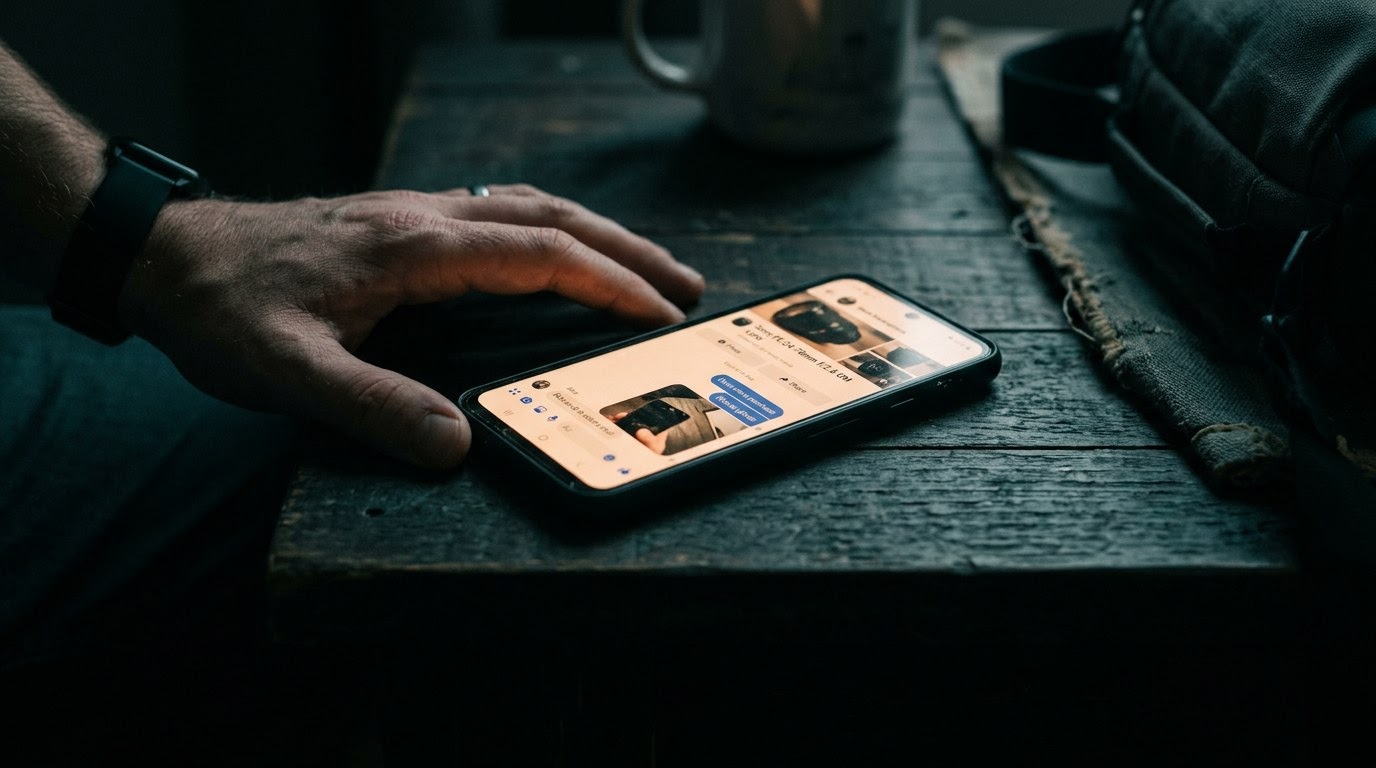
The fake camera lens swap scam is a targeted fraudulent scheme where bad actors list high-value camera optics on secondary sales platforms, present a genuine lens for initial inspection, and then covertly swap it with a defective, broken, or weighted plastic shell during the exchange. As of October 2026, camera gear fraud remains a primary vector for marketplace crime due to the high liquid value of professional optics. FTC reports show that consumer losses from online market fraud topped $450 million in 2024, driven heavily by high-value gear and electronics scams. These losses often hit photography enthusiasts and working freelancers who rely on peer-to-peer exchanges to source affordable equipment.
How Fake Camera Lens Swap Scams Target Marketplace Buyers
How do fake camera lens swap scams target marketplace buyers in person? Scammers rely on structured psychological pressure, tactical environmental setup, and physical sleight-of-hand to substitute premium camera optics with non-functioning or counterfeit replicas right at the point of exchange. By controlling the light, pacing, and physical handling of the lens during the transaction, the scammer creates artificial urgency that prevents the buyer from conducting a thorough technical test before cash or peer-to-peer funds are transferred.
A typical sequence unfolds across several deliberate stages, moving from an online posting to an intentional physical swap during an in-person exchange.
- The Bait Listing: The seller posts a high-end lens—such as a Sony G Master, Canon L-Series, or Nikon Z-mount prime—at roughly 20% to 30% below market value. The listing features detailed photos of a pristine optic, often showing clear glass, intact serial numbers, and original accessories. The price is set to attract serious buyers quickly while remaining just high enough to avoid immediate suspicion.
- Urgency and Platform Migration: Once a prospective buyer responds, the seller pushes to complete the sale that same day. They cite fake life events—such as moving out of state, paying an urgent bill, or preparing for a flight—to justify the lower price and tight timeline. They frequently request to move the conversation from the marketplace app to SMS or end-to-end encrypted messaging apps, removing protective platform logging.
- The Controlled Environment Meetup: The seller selects a meeting location that subtly undermines complete product testing. Common locations include poorly lit parking lots, busy coffee shop patios during rush hour, or outdoor areas near transit hubs. These locations introduce ambient noise, physical distractions, and dim lighting, making glass clarity, scratch checks, and focus motor testing difficult for the buyer.
- The Genuine Initial Demonstration: Upon meeting, the seller hands the buyer an authentic, working camera lens. The buyer examines the weight, looks through the glass, and confirms the cosmetic condition matches the listing photos. This step establishes psychological trust and lowers the buyer's critical awareness, as they confirm the physical existence of the advertised item.
- The Tactical Distraction and Physical Swap: When the buyer pulls out cash or opens a mobile payment app to finalize the transfer, the scammer initiates a distraction. They might ask for exact change, request to view the payment confirmation screen, or casually offer to package the lens into its original box or protective pouch while the buyer counts funds. During this brief split second, the scammer substitutes the genuine optic with a defective unit, a gutted lens body with internal element damage, or a counter-weighted plastic replica stored in an identical bag.
- The Fast Exit and Ghosting: The scammer hands over the closed box or pouch, takes the money, and quickly departs before the buyer unzips the case to remount the glass. By the time the buyer mounts the optic to their camera body in their vehicle and discovers a dead autofocus motor, severe element fungus, or an entirely fake housing, the scammer has deleted their marketplace profile, blocked the phone number, and vanished.
Who Gets Targeted and Why
Who is most vulnerable to camera gear marketplace fraud, and what makes this optic swap playbook so effective? Freelance photographers, amateur hobbyists, and secondary-market bargain hunters are prime targets because professional camera lenses retain high resale value, are easily portable, and carry steep retail price tags. Scammers exploit the buyer's excitement over securing rare or expensive optics, using social engineering to rush the inspection process before physical defects or substituted hardware can be discovered.
Professional camera gear represents a unique intersection of high value and liquid re-salability. A single telephoto or wide-aperture prime lens can easily command between $1,200 and $3,500 on the second-hand market. Because legitimate camera gear naturally depreciates slowly, buyers expect to pay significant amounts in peer-to-peer transactions. FBI data from 2025 indicated that non-delivery and product substitution fraud accounted for over $320 million in personal losses across digital marketplaces, highlighting how lucrative high-value hardware trades are for organized criminal networks.
The psychological hook relies entirely on cognitive overload and emotional excitement. When a buyer holds a $2,500 lens priced at $1,400, their brain shifts into an acquisition mindset. They focus on securing the perceived discount rather than verifying technical integrity. Scammers intentionally cultivate this state by expressing that another buyer is waiting or that they must leave within five minutes. This artificial time constraint forces the victim to rush through critical safety steps like mounting the lens, cycling through apertures, testing electronic contacts, and verifying serial numbers against public databases of reported stolen gear.
Stage of the Scam Breakdown
Understanding how a camera lens swap progresses helps buyers spot deception before handing over cash or completing a money transfer. The following table breaks down what the scammer says at each phase versus what is happening behind the scene during a fraudulent lens transaction.
| Stage of the Scam | What the Scammer Says | What's Actually Happening |
|---|---|---|
| First Contact | "I have three other people messaging me, but if you can meet in the next hour with cash, it's yours." | Creating artificial scarcity and urgency to force the buyer into skipping safety checks and identity verification. |
| Location Setup | "Let's just meet in the parking lot next to the gas station off the highway, I'm on a tight schedule." | Selecting a low-light, high-noise area without electrical outlets or seating to hinder camera mounting and glass checks. |
| Physical Inspection | "Go ahead and check it out, it's totally mint. I'll get the original padded box ready for you." | Allowing the buyer to handle the real lens briefly to lower suspicion while preparing the swap bag containing a broken unit. |
| Payment Hand-off | "Let me put this back in the padded pouch so it doesn't get scratched while you confirm the payment transfer." | Executing the physical swap behind a bag, vehicle door, or counter while the buyer's attention is on their phone or wallet. |
| Post-Transaction | "Thanks! Don't worry about opening it now, I gotta run to an appointment. Text me if you need the receipt." | Executing a rapid escape before the victim opens the case, attempts to mount the lens, or notices the missing internal elements. |
How to Recognize It Before Money Moves
How can you reliably identify a camera lens swap attempt before money changes hands during a private sale? Recognizing a setup requires analyzing communications early, demanding complete optical testing, maintaining control of the hardware throughout the transaction, and verifying the identity of the seller before traveling to a meeting point. Taking a moment to evaluate the seller and running a TrustCheck on the contact in week one catches most variants before you ever meet in person.
Protecting yourself against counterfeit or swapped gear involves asking critical questions and watching for specific operational red flags throughout the process.
- Is the seller resisting a complete optical test? A legitimate seller selling a $1,500 lens will expect you to attach it to a camera body, test the autofocus motors, step through every aperture stop, and inspect the internal elements with a light. If the seller insists you cannot attach the lens to your camera because of "dust concerns" or "battery drain," cancel the transaction immediately.
- Has the seller changed the location to a low-light area? Always insist on meeting inside a well-lit public space, such as a camera store, bank lobby, or designated police department e-commerce safety zone. Never complete high-value optics transactions in dark parking lots, unlit street corners, or inside a seller's vehicle.
- Are you holding the item during the entire payment process? Once you inspect the genuine lens and verify its serial number, do not hand it back to the seller to be "boxed up." Hold the lens yourself, place it directly into your own camera bag, and complete payment only while the item remains under your physical control.
- Does the lens exhibit mismatched cosmetic details or unusual weight? Counterfeit lenses and swapped dummy units often feature subtle flaws. Check if the focus distance window is a static sticker, whether the manual focus ring rotates infinitely without resistance, or if the lens weight feels unnaturally light. Scammers often use gutted housings filled with metal washers to mimic weight, but balance points will feel shifted.
- Is the serial number intact and matching original documentation? Examine the lens serial number stamped near the mount or on the barrel. Watch out for serial numbers that have been filed down, covered with stickers, or scrubbed off with solvents. Scammers use modified serial numbers to obscure stolen items or hide mismatched production batches between original boxes and fake internals.
- Did the seller refuse identity verification? Fake marketplace profiles often feature freshly created accounts, zero review histories, and stock profile pictures. If a seller refuses to verify their name or account history prior to a high-value meetup, they are attempting to eliminate accountability.
If It's Already Happened: Recovery and Reporting
What specific steps should you take if you discovered you paid for a swapped, broken, or fake camera lens after a marketplace transaction? If you realize you have fallen victim to a gear swap scam, acting within the first 72 hours is crucial to document evidence, alert law enforcement, flag financial transactions, and prevent the scammer from reselling stolen equipment on other local exchanges. While running a TrustCheck on the contact confirms the identity is fake after the fact, that documentation creates a paper trail for law enforcement.
Follow these concrete steps immediately following a fraudulent swap:
- Document Physical and Digital Evidence: Photograph the swapped lens, the serial number (or scrubbed serial mark), the fake packaging, and any internal damage immediately. Take screenshots of the marketplace listing, profile, chat logs, phone numbers, and payment receipts before the scammer deletes their profile or blocks your access.
- File a Report with Local Law Enforcement: Visit your local police precinct to file an official police report for fraud and grand larceny, depending on the dollar threshold. Provide officers with the full physical description of the seller, vehicle license plates (if observed), meeting location details, and all documented chat communications. Obtain a copy of the police report number for your financial records.
- Report the Crime to Federal Fraud Databases: Report the incident to official government fraud reporting channels. Submit a formal report to the Federal Trade Commission at reportfraud.ftc.gov. For crimes arranged or paid for via digital networks, submit a detailed complaint to the FBI Internet Crime Complaint Center at ic3.gov.
- Initiate Payment Disputes: BBB reports from 2025 revealed that less than 15% of victim funds are recovered once cash or peer-to-peer payments change hands during in-person fraudulent transactions. However, if you paid using credit cards, peer-to-peer apps linked to bank accounts, or digital payment platforms, contact your financial institution immediately. File a fraud dispute stating that you were victimized by an in-person product substitution scam.
- Flag Stolen Serial Numbers on Gear Databases: If the scammer originally swapped a stolen lens or sold you gear with intact serial numbers that turn out to be hot items, list the serial number on public stolen gear registries like Lenstag or camera manufacturer service databases. This prevents future illicit resale through authorized camera repair shops and pawn dealers.
- Report the Marketplace Profile: Alert the platform where the connection originated (such as Facebook Marketplace, OfferUp, or Craigslist). Submit the chat history and police report details to push for immediate profile bans and IP blocks against the scammer's operational accounts.
Frequently asked
What is a fake camera lens swap scam?
A fake camera lens swap scam occurs when a fraudulent seller displays a genuine, working camera lens during an in-person marketplace transaction, but swaps it for a broken, counterfeit, or gutted lens body during payment or packaging before handing it to the buyer.
How can I test a camera lens safely during a local meetup?
Bring your own fully charged camera body, memory card, and flashlight to the meeting. Mount the lens directly, test manual and electronic focus, check aperture blade movement, inspect internal glass for scratches or missing elements, and verify the serial number before handing over payment.
Where do camera lens swap scams usually happen?
Scammers prefer meeting in poorly lit parking lots, busy outdoor areas, or fast-paced locations where environmental distractions prevent buyers from mounting the lens to a camera body or thoroughly checking optical elements under bright, focused light.
Can I get my money back after a camera gear swap scam?
Recovery can be difficult if cash was used, but prompt action improves chances. File a police report immediately, submit reports to reportfraud.ftc.gov and ic3.gov, and contact your bank or payment app support to initiate a fraud dispute.
What are common signs of a fake or gutted camera lens?
Common signs include an unnaturally light or unbalanced weight, loose or non-functional focus rings, glued-on mount caps, missing electronic contact pins, printed or taped distance scales, and serial numbers that appear scratched out or altered.