How the Facebook Marketplace Overpayment Scam Steals Cash From Sellers
· 11 min read
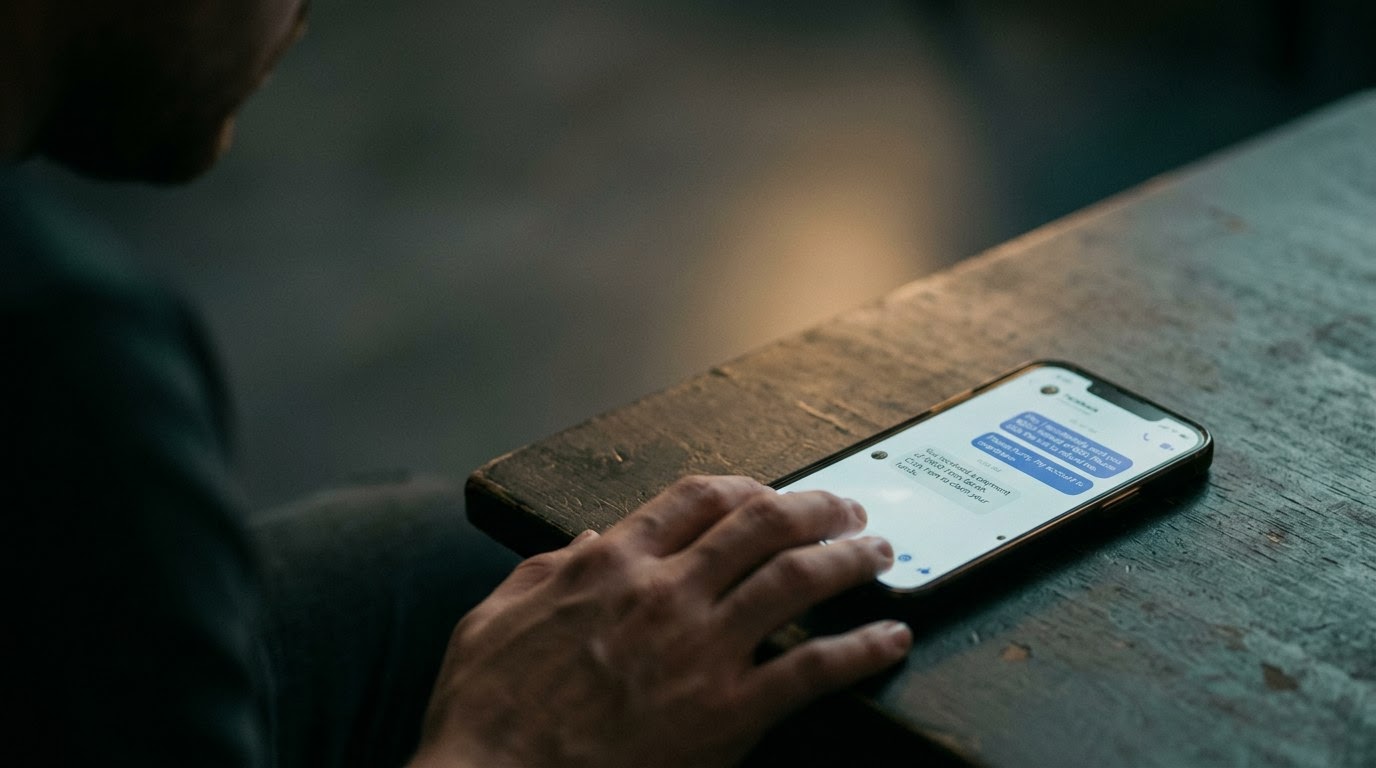
As of August 2026, selling pre-owned goods online has become a routine household activity, yet digital marketplaces remain heavily targeted by structured financial fraud networks. The Facebook Marketplace overpayment scam specifically preys on casual private sellers who list everyday items such as furniture, electronics, or fitness gear, tricking them into transferring clean cash back to criminal operators. According to FTC data, online shopping and payment-related fraud resulted in reported losses exceeding $1.4 billion in 2024, with fake payment confirmations remaining a primary operational vector for scam networks. By examining the precise mechanics of fake payment emails, counterfeit checks, and banking float windows, private sellers can recognize these deceptive transactions before any money leaves their accounts.
How the Scam Unfolds
The Facebook Marketplace overpayment scam unfolds through a calculated six-step sequence designed to create an illusion of financial settlement before extracting real cash from the target. Scammers establish contact rapidly, skip normal bargaining, issue forged payment notices or stolen checks, and manufacture an artificial crisis over extra funds. By forcing the victim to refund the surplus cash before banking systems discover the bad check or stolen account, the fraudster secures clean money while leaving the seller with a depleted bank account.
-
Step 1: Rapid Contact and Full-Price Acceptance
The scam begins within minutes of listing an item. A buyer profile contacts the seller through Facebook Messenger, expressing immediate interest. Unlike legitimate buyers who frequently ask about item condition, dimensions, or price flexibility, the scammer accepts the asking price without negotiation. To build rapport and eliminate delays, the buyer often claims to be purchasing the item for a family member, a relative moving to a new apartment, or an urgent business gift. -
Step 2: Pushing Away From Platform Standards
The scammer quickly steers the transaction away from Facebook's built-in checkout system or local cash pickup. They claim they cannot meet in person due to business travel, active military deployment, or health restrictions. Instead, they insist on sending an third-party courier service (such as FedEx or UPS) to pick up the item once payment settles. They insist on paying via electronic bank deposit, mobile check transfer, Zelle, Venmo, or PayPal, setting the stage for payment manipulation. -
Step 3: Generating Fake Payment Confirmations
The scammer executes the initial deception using one of two methods: a mobile check deposit or a spoofed payment email. In check-based schemes, the scammer emails images of the front and back of a cashier's check or corporate check, asking the seller to deposit it using their banking app. In email-based schemes, the scammer sends a phony notification that mimics a legitimate payment processor. The email claims that funds are held in escrow and will be released once the seller fulfills a specific condition. -
Step 4: Manufacturing the "Accidental" Overpayment or Upgrade Fee
The fraudster intentionally sends an amount higher than the agreed purchase price. For example, if a seller lists a dining table for $200, the scammer provides a check or fake email showing $700. Immediately after, the scammer contacts the seller with an urgent explanation: an assistant made an error, courier pickup fees were accidentally included, or the money was meant for moving staff. Alternatively, the fake notification claims the seller must pay a $300 fee to upgrade their account to a "Zelle Business Account" to receive the incoming payment. -
Step 5: High-Pressure Demands for Immediate Refund
The scammer creates intense artificial urgency, instructing the seller to return the extra money right away. They insist that the surplus cash be sent through irreversible payment channels—such as Apple Cash, Wire Transfers, Zelle, Venmo, or retail gift cards—so the courier can be paid. If the seller hesitates or suggests waiting for the funds to clear completely, the scammer shifts to aggressive emotional manipulation, threatening legal action, police intervention, or reporting the seller's profile for fraud. -
Step 6: The Banking Reversal and Financial Loss
Driven by urgency and believing the money is already safely in their account, the seller transfers their own cash back to the scammer. Days or weeks later, the victim's bank processes the deposited check or underlying transaction through the central clearinghouse. The bank discovers the check is counterfeit or drawn on a stolen account. The bank immediately reverses the full deposit amount, deducting it from the seller's account. The seller loses both the returned cash and any merchandise handed over to local couriers.
To visualize how these stages translate into real-world buyer interactions, compare the scammer's script against the operational reality behind the scenes:
| Stage of the Scam | What the Scammer Says | What's Actually Happening |
|---|---|---|
| Initial Contact | "I want to buy this item immediately for my sister. I will pay your full asking price without any negotiation." | The scammer uses automated scripts to target listings, establishing quick rapport without caring about the physical item. |
| Payment Switch | "I am currently out of town on business, so I will pay you digitally and send a courier to collect the item." | The scammer avoids in-person cash exchanges to prevent physical identification and bypass secure marketplace checkout tools. |
| Overpayment Notice | "My assistant sent $800 instead of $300 by mistake to cover moving fees. Please transfer the $500 difference back to my driver via Zelle." | The scammer sends a forged check image or fake confirmation email. No actual money has entered the seller's bank account. |
| Account Upgrade Trick | "PayPal shows the payment is pending because you need a Business Account. Send $200 to upgrade, and the total will be released." | Payment processors never require sellers to pay a fee to receive funds. The fake email is designed to extract direct payments. |
| Pressure Escalation | "I have paid you! If you do not send back my $500 right now, I will file a police report and take legal action against you." | The scammer uses fear and manufactured panic to force the seller to transfer real funds before discovering the original payment was fake. |
| Final Resolution | *Account deactivated or communication blocked immediately after funds are sent.* | The fraudulent check or transaction is reversed by the bank, leaving the victim responsible for the account deficit. |
Who Gets Targeted and Why
Scammers target casual, private sellers on Facebook Marketplace because these individuals typically lack commercial fraud prevention tools and often prioritize fast, convenient sales. Fraudsters exploit psychological vulnerabilities such as social politeness, excitement over a quick purchase, and trust in familiar payment brand logos. By weaponizing federal banking funds-availability rules—which force banks to display provisional account balances before checks fully clear—scammers create a deceptive sense of financial security that coaxes targets into transferring real cash.
A typical sequence involves private sellers who are downsizing, clearing out estates, or selling high-value electronics. These sellers generally do not transact frequently enough to stay updated on modern payment spoofing techniques. When a buyer agrees to the full price immediately without asking standard questions about wear and tear, the seller experiences a sense of relief and enthusiasm, making them less inclined to question minor irregularities in the buyer's payment method.
The primary weapon in the fraudster's playbook relies on systemic misunderstandings of federal banking regulations. Under the Expedited Funds Availability Act (implemented through Regulation CC), United States financial institutions are legally required to make deposited check funds available to account holders within one to two business days. However, provisional availability does not mean the check has cleared. Full clearance across regional clearinghouses can take up to two full weeks.
When a seller sees funds credited to their available balance, they assume the bank has verified the money. In reality, the bank has merely advanced provisional credit. FBI IC3 reports indicated that internet fraud victims lost over $12.5 billion in 2023 across all major cybercrime categories, with fake check and payment authorization schemes representing a major portion of peer-to-peer economic damage. When the bank eventually receives notification that the check was fraudulent, it legally claws back the provisional credit. The seller remains fully liable for every dollar spent or transferred out of the account during that window.
Psychologically, fraudsters exploit the victim's natural desire to resolve administrative mistakes. When presented with a plausible story—such as an overpayment intended to cover shipping fees or a mistaken transfer by a relative—most people want to act fairly and correct the balance. Scammers capitalize on this decency, surrounding the situation with extreme urgency to prevent the victim from independently verifying funds with their bank.
How to Recognize It Before Money Moves
Recognizing an overpayment scam before money changes hands requires scrutinizing buyer communications, payment proofs, and off-platform transaction requests. Sellers can spot fraudulent buyers by testing key operational red flags: evaluating whether communication shifts to email notifications, checking if funds appear in the official mobile app, and questioning demands to refund excess digital cash. No identity check can guarantee a safe transaction. A TrustCheck tells you whether the details someone gave you are consistent with one real identity — the judgement, and the risk, stay with you.
To safeguard your assets when listing items online, evaluate buyer interactions against these core diagnostic questions:
1. Is the buyer insisting on paying via email notification or check image?
Legitimate peer-to-peer payment networks (such as Zelle, Venmo, or Cash App) instantly reflect incoming transactions inside the official mobile application. Real transfers never depend on clicking an external link in an email, and payment processors do not require sellers to submit tracking numbers before releasing basic funds. If you receive an email stating funds are "held" until you confirm shipping or wire money to a third party, the email is counterfeit. Always open your payment application directly from your home screen—never through email links—to verify your actual balance.
2. Is the buyer demanding you pay an account upgrade fee?
A widespread variation of the overpayment scheme involves the "Business Account Upgrade" email. In this scenario, the buyer sends a fake email claiming they transferred funds from a corporate account, requiring the seller to expand their transaction limit by paying a $200 or $300 verification fee. Payment processors do not charge sellers to upgrade account tiers to accept individual consumer transfers. Any request demanding that you pay money to receive money is guaranteed fraud.
3. Are you being asked to interact with courier drivers or third-party movers?
Scammers regularly claim that a logistics firm or private courier will pick up the item because they are unable to arrive personally. They offer to pay the courier by sending extra money to the seller, asking the seller to transfer cash directly to the driver via Zelle, wire transfer, or gift cards. Legitimate buyers who utilize private freight services arrange and pay for those logistics directly through the carrier service, without routing freight funds through a private seller's personal bank account.
4. Does the buyer's Facebook profile display signs of recent creation or inconsistency?
Fraudulent buyers often operate newly created accounts or hijacked profiles. Warning signs include profiles created within the last few months, account locations set far outside your local area, a complete absence of public post history, or mismatched names between the Facebook profile and digital payment tags. A 2024 BBB study found that over 80% of consumer reports regarding peer-to-peer payment fraud involved fake overpayments or advance-fee upgrades originating from unverified social profiles.
If It's Already Happened
If you have already sent money or delivered an item to an overpayment scammer, immediate action during the first 72 hours is crucial for loss mitigation and evidence preservation. Targets must immediately contact their bank or payment app fraud division to request a transaction recall, freeze compromised accounts, and document all correspondence headers. A TrustCheck can tell you whether the details you were given trace back to a consistent identity, which is worth writing down for your own record of what happened. It cannot confirm that someone is a scammer, it will not tell you who was really behind the profile, and it is not evidence. Report the incident to your bank, to the platform where you met, and to the FTC at reportfraud.ftc.gov.
Execute these critical recovery actions immediately to minimize financial damage and establish an official paper trail:
Phase 1: Secure Your Financial Accounts (Hours 0–24)
- Contact Your Bank Fraud Department Immediately: Call the dedicated fraud phone number on the back of your debit card or bank statement. State clearly: "I deposited a check that I now suspect is counterfeit, and I was induced to wire funds." Ask the bank to freeze pending transfers, place a fraud watch on your account, and initiate a wire or ACH recall if funds were sent electronically.
- Report to Peer-to-Peer Platforms: If you transferred funds via Zelle, Venmo, PayPal, or Cash App, open an official fraud dispute within the app. While P2P platforms often categorize voluntary transfers as non-refundable authorized payments, opening a formal dispute establishes an official record required for bank escalations.
- Secure Compromised Accounts: Change your passwords across banking, email, and social media platforms. Enable two-factor authentication (2FA) using an authenticator app rather than SMS text messaging to prevent credential stuffing attacks.
Phase 2: Document and Preserve Evidence (Hours 24–48)
- Preserve Full Communication Records: Do not delete chat logs, Facebook profiles, or email chains. Take high-resolution screenshots of the buyer's profile, Messenger conversations, full email headers from fake payment receipts, phone numbers, and payment transaction IDs.
- Export Email Header Data: In your email client, view the raw header information for any fake payment notices. Header data reveals the originating IP addresses and actual mail servers used by the scammer, serving as vital technical evidence for cybercrime investigators.
Phase 3: File Formal Government and Platform Reports (Hours 48–72)
- File a Report with the FTC: Submit a report online at reportfraud.ftc.gov. The Federal Trade Commission aggregates fraud reports into a database utilized by global law enforcement agencies to track and dismantle online scam rings.
- File an FBI Internet Crime Complaint: Submit a comprehensive complaint through the Internet Crime Complaint Center at ic3.gov. Include all transaction timestamps, financial routing numbers, fake check images, and buyer profile links.
- File a Local Police Report: Visit your local police station to file an official criminal fraud report. Bring printed copies of all chat logs, bank deposit notices, screenshots, and government fraud report numbers. A formal police report is required by financial institutions when disputing fraudulent account debits or processing credit protection requests.
- Report the Buyer Profile to Facebook: Navigate to the scammer's Facebook profile, click the three dots icon, select "Report Profile," and choose "Scam or Fraud" to help platform administrators suspend active fraudulent accounts.
Frequently asked
What is a Facebook Marketplace overpayment scam?
An overpayment scam occurs when a buyer pretends to pay more than your listed price using a fake check or fake digital payment confirmation email. The scammer then asks you to refund the extra money via wire, payment app, or gift card. When the original payment fails or bounces, you lose the refunded cash.
Why do funds appear in my bank account if the check is fake?
Federal regulations require banks to make funds from deposited checks available within one to two business days. However, full bank verification and clearance can take up to two weeks. If the check is fraudulent or written on a stolen account, the bank will reverse the provisional deposit, deducting the money from your account.
Can Zelle or Venmo refund my money if I was scammed?
Peer-to-peer payment networks generally treat transactions as cash transfers authorized by the user. If you willingly sent funds to a scammer, recovery through the app is rare because most P2P platforms lack consumer purchase protection for peer-to-peer transfers. You should still report the incident to your bank immediately.
What should I do if a buyer sends too much money by mistake?
Never refund excess money sent by a buyer via payment app or check. Instruct the buyer to contact their own financial institution or payment platform to cancel or reverse the original transaction. Legitimate buyers can cancel or dispute unauthorized transactions through their own payment processor without requiring you to transfer funds back.
How can I safely accept payments on Facebook Marketplace?
The safest way to sell items locally is accepting cash in person at a well-lit, public location, such as a designated police department safe exchange zone. If using digital payment apps, only accept payments in person, verify that funds appear directly in your official banking app balance before handing over goods, and never accept email payment proofs.
More in Scams
- How Fake Bar Tab Scams Exploit Victims During In-Person Dates
September 19, 2026
- How Fake Peer Boat Charter Deposit Scams Target Vacationers
September 17, 2026
- How Spoofed Bank Text Alerts Steal Access to Peer Payment Apps
September 14, 2026