How to Avoid Buying Stolen Goods on Online Local Marketplaces
· 9 min read
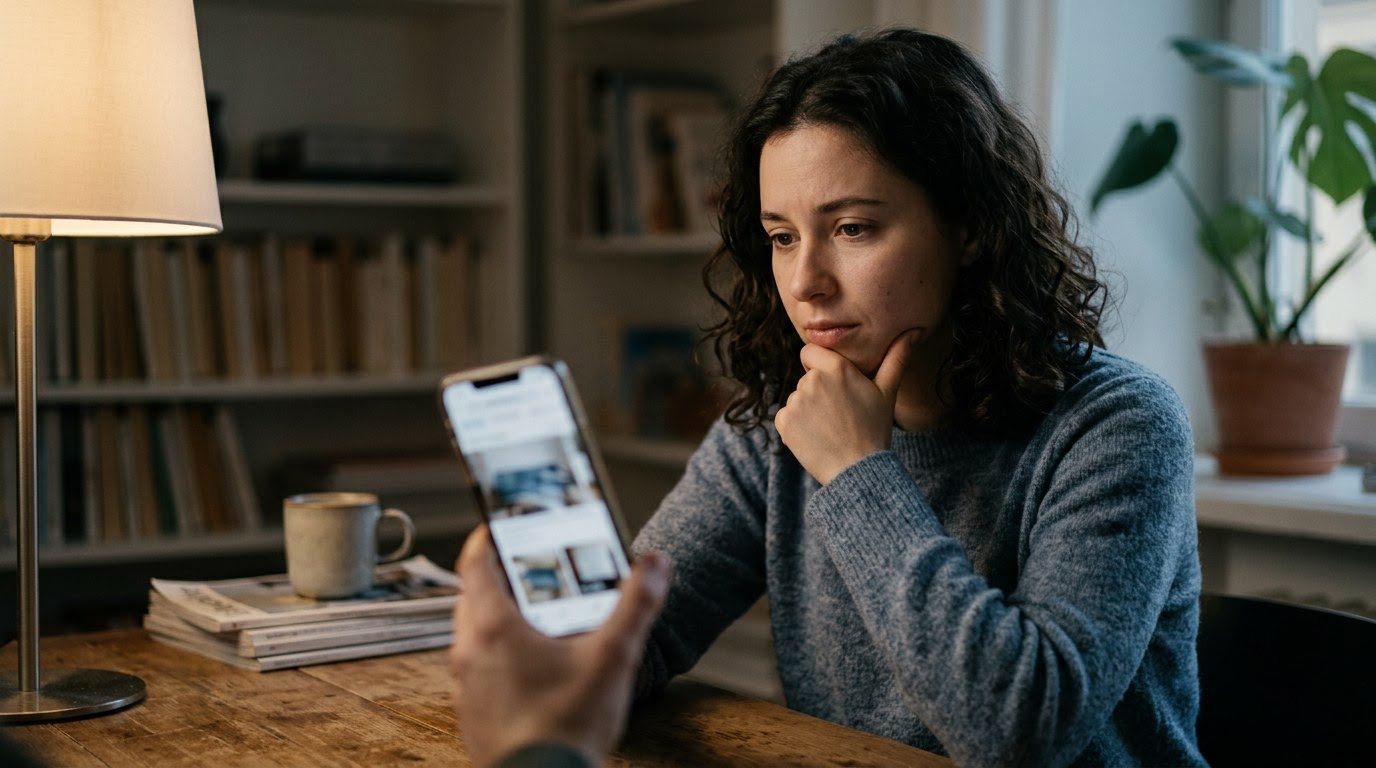
Buying secondhand items on peer-to-peer apps can net you incredible deals, but local marketplaces also serve as primary clearinghouses for stolen merchandise—a practice known as fencing. When you unknowingly buy stolen property, the financial and emotional toll is severe: police can confiscate the item without compensation, leaving you out hundreds of dollars, and you could even face legal questioning if law enforcement suspects complicity. As of September 2026, online peer-to-peer commerce continues to grow, making it critical to verify who you are dealing with before agreeing to a transaction. Before meeting a stranger or sending money, running a TrustCheck takes 60 seconds and ties a name to a real phone, real email, and a real digital footprint.
Understanding the Risks of Fenced Goods on Peer-to-Peer Platforms
When thieves steal items from homes, retail stores, or construction sites, they want to convert those goods into cash quickly, making online local marketplaces an ideal channel. Understanding how stolen goods move through local networks helps you evaluate whether a seller is a legitimate neighbor decluttering their home or an illicit vendor liquidating stolen merchandise. According to a 2024 BBB study, peer-to-peer marketplace fraud resulted in over $100 million in reported consumer losses. Additionally, 2023 FBI findings revealed that non-delivery and online shopping fraud accounted for more than $390 million in consumer damages across the United States. Knowing how to spot suspicious listings protects your hard-earned money and keeps you out of legal entanglements.
1. The Serial Number Is Defaced, Removed, or Covered with a Sticker
When a seller offers power tools, bicycles, laptops, or smartphones with missing or altered serial numbers—unique alphanumeric codes stamped by manufacturers to track individual products—it is a major red flag that the item was stolen. Fences deliberately scrape off, file down, or cover these identifiers with heavy-duty stickers to prevent prospective buyers or law enforcement from running the code through stolen property registries. For example, Marcus from Chicago met a seller for a high-end mountain bike listed at $800, only to discover a thick vinyl decal glued directly over the bottom bracket frame number, which hid a deep file mark where the original serial number used to be.
If you encounter a physical product where the sticker containing the bar code or manufacturer sequence looks peeled, scratched, or melted, ask the seller directly why the label is damaged. Legitimate owners usually know the history of their equipment and will not mind you turning the item over to inspect manufacturer plates. On electronics, always cross-reference the physical serial number printed on the chassis with the digital serial number displayed in the device software settings menu.
Before handing over any cash, search the serial number on public loss databases like Bike Index for bicycles, or run smartphones through an IMEI lookup—an International Mobile Equipment Identity, a unique 15-digit code assigned to mobile devices—to check if major carriers have flagged the handset as lost or stolen. If a seller refuses to share the serial number before you meet in person, cancel the trip.
2. The Listing Price Is Unreasonably Below Fair Market Value
If an item is priced at 70% or 80% below what similar used items sell for across local listings, the seller is likely trying to liquidate stolen merchandise as quickly as possible. Fences prioritize rapid cash turnover over maximum profit because holding onto stolen goods increases their risk of getting caught by law enforcement or recognized by the original owner. For example, Sarah in Seattle saw a pristine late-model MacBook Pro listed for $200 when its typical resale value was $1,100; when she asked why it was so cheap, the seller gave a vague story about moving abroad in three hours and needing instant cash.
While everyone loves finding a bargain, extreme underpricing should prompt immediate caution rather than excitement. Search recently completed or sold listings on major secondary markets to establish an average price baseline for the specific model, age, and condition of the item you want to buy.
Pay close attention to how the seller responds when you ask simple questions about the low price. Honest sellers selling items quickly usually explain that they upgraded recently or need room in their garage, whereas illicit sellers often use scripted pressure tactics, claiming multiple buyers are en route to force you into making a hasty cash payment without inspecting the item.
3. The Seller Refuses In-Person Meetings at a Police Station Safe Zone
Legitimate local sellers rarely object to meeting at a public police department parking lot or a well-lit safe exchange zone equipped with 24-hour surveillance cameras. Someone offering stolen property will consistently make excuses to avoid high-security areas, preferring deserted parking lots, dimly lit alleys, or side streets near highway ramps where they can make a fast exit. For instance, David in Dallas tried to schedule a pickup for a commercial generator, but the seller repeatedly insisted on meeting behind an abandoned warehouse after dusk, claiming police stations made them feel uncomfortable.
Many municipal police departments now offer designated community exchange zones in their front parking lots or lobbies specifically to curb marketplace robberies and illicit sales. These locations feature continuous video recording and bright lighting, making them major deterrents for criminals trying to pass off stolen goods.
If a seller refuses a designated safe zone, suggests meeting in an unfamiliar residential area, or changes the meeting point at the last minute to a secluded corner, protect your safety and wallet by declining the transaction. A genuine neighbor wanting to sell a lawnmower or tablet will value a secure, public environment just as much as you do.
4. The Seller Lacks Proof of Purchase, Boxes, or Essential Accessories
Stolen items often lack their original retail packaging, instruction manuals, charging cables, or original sales receipts because thieves snatch the primary device during break-ins or package thefts without grabbing accessories. While losing a charger happens occasionally, a seller offering multiple premium items—like camera bodies, flagship phones, or lithium-ion power tool batteries—without a single power cord or box should raise immediate concern. For example, Elena in Miami looked at a $1,500 mirrorless camera setup where the seller provided no battery charger, no lens caps, and no original receipt, claiming he bought it cash at a flea market years ago.
Requesting proof of original purchase is one of the most effective ways to verify legitimate ownership. Ask the seller if they can show an emailed digital receipt, an online store order confirmation, or a photo of the original store slip with personal details redacted.
Inspect the accessories provided alongside high-value electronics or commercial tools. If a seller offers a high-end cordless drill but includes an off-brand charger that does not fit the battery contacts, or sells a modern smartphone paired with an outdated cable, the items were likely assembled quickly from disparate thefts.
5. The Profile Is Brand-New with Multiple High-Value, Unrelated Items
Fraudulent sellers frequently operate throwaway profiles created within the last 24 to 48 hours to evade negative reviews and platform bans after selling illicit items. When a brand-new profile suddenly lists ten disparate, high-ticket items—such as a construction laser level, designer handbags, gaming consoles, and catalytic converters—it usually indicates a burglar unloading a recent haul. For instance, James in Atlanta noticed a seller whose account was created that morning listing three different brands of professional power tools and two high-end electric scooters, all photographed against different carpeted backgrounds.
Examine the seller's account history before initiating contact. Check when the profile was registered, whether they have verified contact badges on the platform, and if previous buyers have left detailed rating reviews over several months or years.
Look carefully at the product listing photos across the seller's active inventory. If one item is photographed on a hardwood floor in daylight, another on a marble countertop under fluorescent light, and a third appears to be a cropped stock photo from a retail catalog, the seller likely does not possess these items legally or is copying images from other web sources.
6. The Device Is Account-Locked or Has Mobile Device Management Enabled
Smartphones, tablets, smartwatches, and laptops tied to Apple iCloud, Google Accounts, or corporate Mobile Device Management (MDM)—software businesses use to monitor and lock company-owned hardware—are frequently stolen during robberies or office burglaries. If a seller cannot unlock the device in front of you, claims they forgot the password, or hands you a phone displaying an Activation Lock screen, you are holding stolen goods that will remain a useless brick. For example, Chloe in Denver bought an iPad on the street that looked brand new, but as soon as she turned it on, a message appeared stating the device belonged to a local school district and was remote-locked.
Never accept a smart device that the seller has not fully reset to factory settings in your presence. Turn the device on, walk through the initial setup screen, and ensure you can log into your own account before completing the payment.
An Activation Lock is an anti-theft feature that ties hardware directly to an owner's cloud account. If the seller tells you that you can easily bypass the lock at home by watching an online tutorial, do not believe them; modern hardware locks cannot be removed without the original owner's account credentials.
Comparing Legit Sellers Versus Stolen Goods Vendors
Recognizing the contrast between a safe seller and someone trading in fenced items helps you make quick, confident decisions during local pickups. Use this reference table to evaluate seller behavior across five critical dimensions:
| Evaluation Dimension | Safe Seller Behavior | Suspicious Seller Behavior |
|---|---|---|
| Pricing Structure | Fair market pricing based on condition, age, and current resale averages. | Extremely low prices (70-90% off value) paired with high pressure for quick cash. |
| Ownership Records | Provides receipts, original retail packaging, manuals, and complete accessories. | No receipts, missing chargers or power cords, and vague stories about item origin. |
| Pickup Location | Agrees readily to meet at police station parking lots or public bank lobbies during daylight. | Refuses secure zones; insists on late-night meetings in dark or private parking lots. |
| Hardware Condition | Intact serial numbers, clean chassis labels, and accessible device settings. | Scraped or stickered serial numbers, locked software, or corporate MDM profiles. |
| Account Background | Established profile history, consistent photo backgrounds, and positive ratings over time. | Account created within 48 hours listing multiple unrelated high-ticket items. |
What to do if you spot these signs
- Break off communication and walk away from the deal. If a seller exhibits multiple warning signs or becomes aggressive when asked basic questions, politeness should take a back seat to your personal safety and legal protection.
- Verify the seller's contact information. Run a TrustCheck on the seller's provided details to confirm whether their name, phone number, and email correspond to an established, authentic online identity.
- Document and report the suspicious listing. Take screenshots of the listing details, photo attachments, serial numbers, and chat logs, then submit a detailed report to the marketplace platform moderators.
- Contact local law enforcement non-emergency dispatch. If you confirm an item is stolen—such as matching a serial number against a reported theft entry—notify local police so officers can investigate the illicit fence safely.
Trusting Your Instincts During Local Transactions
Your gut instinct is a powerful risk-assessment tool built on subtle observations you might not consciously register right away. If something feels off about a seller's communication style, excuses, or meeting conditions, stepping back costs you nothing. Verifying a seller's identity takes less than a minute, and using TrustMatch gives you immediate clarity before you hand over cash.
Frequently asked
What happens legally if I accidentally buy a stolen item?
If police track a stolen item to you, they will confiscate it as evidence and return it to the rightful owner. You will lose the money you paid, and if evidence suggests you knowingly purchased stolen property, you could face criminal investigation.
How can I check if a bike or phone is reported stolen?
You can check bicycles on public registries like Bike Index or 529 Garage using the frame serial number. For smartphones, obtain the 15-digit IMEI number from device settings and check it against carrier blacklists or national databases like CTIA Stolen Phone Checker.
Is it safe to pay a marketplace seller using digital peer-to-peer payment apps?
Payment apps offer limited buyer protection for local, in-person cash sales. Fraudulent sellers often use stolen payment accounts or insist on non-refundable friend-and-family transfers, making it nearly impossible to recover funds once you discover an item is defective or stolen.
Why do sellers remove serial numbers from tools and electronics?
Fences remove serial numbers to break the chain of custody. Stamped serial numbers allow police officers and pawn shops to identify stolen items instantly through national crime databases, so thieves scrape or file them off to prevent identification.
Can a factory reset remove an Activation Lock on a stolen phone?
No, performing a hard factory reset on a modern smartphone or laptop does not remove an Activation Lock or corporate MDM profile. The device will require the original owner's account credentials during setup, rendering a stolen locked device completely unusable.
More in Safety
- What to Do When an Online Match Asks for Your Driver License
September 18, 2026
- What to Do When a Dating Match Asks for Wi-Fi Access
September 16, 2026
- What to Do If an Online Match Asks for Your Workplace Location
September 14, 2026