How to Handle Dating Matches Who Ask You to Open Bank Accounts
· 12 min read
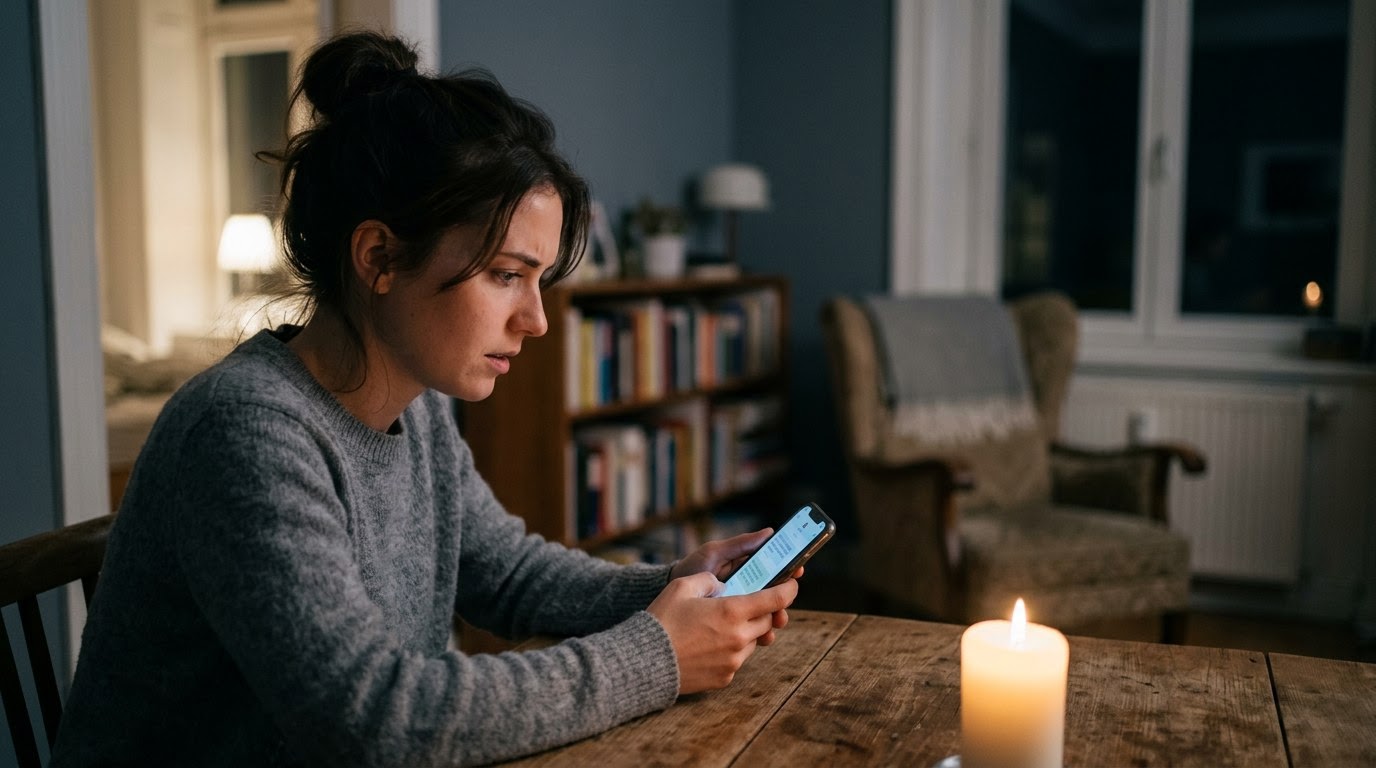
When a new romance match shifts the conversation from late-night chats to financial logistics, it can feel sudden and confusing. A common tactic online involves asking a partner to open a fresh bank account, receive a transfer, or manage funds for a supposedly legitimate business. This pattern is almost always a money mule scam, where fraudsters use unsuspecting partners to move stolen money so the criminal paper trail stays hidden. Falling for this setup can result in wiped savings, closed bank accounts, and severe legal liability, as law enforcement holds the account holder responsible for financial crimes. According to FTC data, romance scams resulted in reported losses exceeding $1.3 billion in 2024. Before taking any financial steps for someone you have never met in person, remember that running a TrustCheck takes 60 seconds and ties a name to a real phone, real email, and a real digital footprint.
Why Online Matches Ask You to Open Bank Accounts
When an online dating match asks you to open a bank account, they are attempting to recruit you as a money mule, which means a person who transfers illegally obtained money on behalf of someone else to disguise the origin of funds. The match usually claims they cannot open an account due to foreign banking restrictions, corporate audits, or tax issues. For example, Marcus met a woman online who claimed her international business required a local credit union account to deposit client payments. Marcus opened the account, but the deposits were stolen funds, making Marcus legally responsible for fraud.
The primary reason a match avoids using their own bank account is simple: transparency. Opening a bank account in the United States requires passing strict Know Your Customer rules, which are banking regulations requiring financial institutions to verify an account holder's legal identity and physical address. If a criminal opens an account under their real name, federal regulators and fraud teams can track stolen wire transfers directly back to their location within minutes.
By persuading you to open the account, the scammer places a legal buffer between themselves and the crime. They gain the benefits of a verified, domestic bank account while you absorb 100% of the risk. If the money coming in originates from hacked corporate payrolls, phishing attacks, or other scam victims, bank security systems flag your name. When law enforcement investigates the paper trail, every document points directly to your home address, Social Security number, and legal signature.
A 2025 FBI report indicated that money muling activity linked to online dating platforms increased by over 35% compared to prior years. Many victims genuinely believe they are assisting a partner with a temporary business hurdle or helping a loved one manage an inheritance. Scammers spend weeks building trust through constant text messages, phone calls, and emotional intimacy before ever mentioning money. By the time the request arrives, your emotional investment makes it hard to see the legal danger.
The Overseas Business Problem That Requires a Local Account
This pattern occurs when a match claims that working offshore or residing abroad prevents them from opening a local bank account to clear business transactions. It means the scammer is trying to use your name, address, and legal identity as a buffer to receive illicit wire transfers without revealing their location. For instance, David believed his online girlfriend was an overseas contractor who needed a regional checking account to pay suppliers. After David opened the account, funds stolen from compromised corporate accounts flooded in, leading to the immediate freezing of all David's personal assets.
Scammers frequently build personas around professions that naturally explain why they are out of the country or difficult to reach by video call. Common covers include offshore oil rig engineers, international construction managers, overseas military personnel, or foreign aid workers. These occupations create a plausible narrative for why they need a domestic partner to handle stateside financial administrative work.
The match will often ask you to set up an account at a major national bank or a regional credit union. They might instruct you to enable online access and share the login credentials so they can manage client invoices directly. Once they gain access, they use your account as a clearinghouse. Incoming wire transfers from third parties are quickly converted into cryptocurrency, international wires, or gift cards before the original victims notice their money is missing.
When the fraud is inevitably discovered by the sending institution, your bank receives a wire recall notice. Because the funds have already been moved out of the account by the scammer, your balance drops into the negative. The bank holds you personally responsible for reimbursing the cleared amount, and they will likely report the incident to ChexSystems, which is a banking reporting network that records account mismanagements, fraudulent deposits, and unpaid balances. A negative ChexSystems report can prevent you from opening a normal bank account anywhere else for up to five years.
The Fake Check Deposit and Immediate Transfer Request
In this scenario, a match asks you to open a new checking account, deposit an electronic check they provide, and immediately wire a portion of those funds to a third party. This tactic exploits bank float time, which is the delay between when deposited funds appear available in your account balance and when the paying bank actually clears the check. For example, Elena opened an account at her match's request and deposited a $4,500 digital check. She wired $3,800 to a foreign address before the bank flagged the check as fake, leaving Elena liable for the entire balance.
Federal banking regulations require institutions to make funds from deposited checks available to consumers within one to two business days. However, verifying the authenticity of a check drawn on an out-of-state or international account can take several weeks. Scammers exploit this gap by convincing you that because the funds show in your available balance, the check has officially cleared and is safe to spend.
The scammer will create an urgent scenario explaining why the money must be forwarded immediately. They might claim the funds are needed to pay port customs fees, medical bills for a family emergency, or payroll for stranded workers. They instruct you to send the money using non-refundable methods such as wire transfers, mobile payment apps, or digital asset purchases. Once you execute the transfer, that money is permanently gone.
When the paying bank finally returns the check as counterfeit or drawn on a stolen account, your bank reverses the deposit. If you spent or wired those funds, your account balance immediately turns negative by that exact amount. The bank does not absorb this loss; they will demand immediate repayment from you. If you cannot pay, the account is turned over to collections agencies, ruining your personal credit score.
The Request to Register a Business Account in Your Legal Name
When an online partner urges you to form a shell company, which is a business entity created solely to hold financial transactions without active operations, or open a commercial bank account under your name, they are using your clean credit history to process illegal funds. This behavior means you become the sole legal officer held responsible for illegal merchant activity. For example, Brian registered a business entity and opened a commercial account for his match's online shop. Within weeks, dozens of fraudulent card transactions were processed through the account, triggering a law enforcement investigation against Brian.
Creating a corporate entity like a Limited Liability Company (LLC) gives a scammer access to commercial banking features, including higher transfer limits and merchant payment processing systems. The fraudster will offer to pay for the state filing fees and guide you step-by-step through registering the business with your state secretary's office using your home address.
Once the company is officially registered, they will instruct you to apply for an Employer Identification Number (EIN) from the IRS and open a corporate checking account. They may claim that this business will belong to both of you in the future, framing the setup as a shared goal for your relationship. In reality, the commercial account is used to process stolen credit cards or receive large fraudulent ACH transfers, which are electronic bank-to-bank money transfers commonly used for corporate payrolls.
Because your name is listed as the registered agent and managing member on state incorporation filings, you hold full legal ownership of the company's actions. When payment processors detect fraudulent chargebacks or illegal transactions, law enforcement agencies issue subpoenas directly to your address. Proving that you were manipulated by an anonymous online boyfriend or girlfriend does not automatically shield you from civil lawsuits or criminal charges related to corporate fraud.
The Secret Account Request to Keep Money Safe
This signal involves a match claiming they need an account in your name to shield funds from a messy divorce, an aggressive corporate audit, or an unfair tax seizure. This request is a psychological tactic designed to test your devotion while distancing the criminal from stolen assets. For instance, Karen opened a high-yield savings account to hold $15,000 her match claimed was an inheritance. The funds were actually drained from another victim's retirement account, resulting in federal agents seizing Karen's personal assets as part of a money laundering prosecution.
Scammers who use this angle present themselves as victims of unfair legal or bureaucratic circumstances. They appeal to your sympathy and sense of fairness, making you feel like their trusted partner against an unjust system. They will ask you to open a brand-new savings or checking account at a bank where you do not currently hold personal accounts, keeping the money segregated from your daily finances.
Once the account is active, stolen funds begin arriving via wire or cashier's check. The scammer will instruct you to keep the deposits strictly confidential, warning that telling family members or bank staff could ruin their legal case or expose their assets to seizure. This insistence on secrecy is designed to prevent you from seeking outside advice from friends, legal professionals, or financial counselors who would instantly recognize the fraud.
Participating in this scheme can lead to charges of structuring, which is the illegal practice of breaking large cash deposits into smaller amounts to evade automatic bank reporting limits, or money laundering. Even if you never spend a single dollar of the incoming cash, allowing your account to serve as a hiding place for stolen assets makes you an active accomplice in the eyes of federal investigators.
The Peer-to-Peer App Linking and Debit Card Mail Request
Scammers often instruct targets to open an online checking account, order a physical debit card, and mail that card or share online banking passwords to link the account to peer-to-peer apps, which are digital payment services like Zelle or Venmo that enable rapid money transfers. This gives the fraudster complete access to move funds anonymously while leaving every transaction tied to your legal identity. For example, James opened an account and mailed the debit card overseas. Within days, illicit gambling proceeds flowed through the account, ruining James's banking reputation permanently.
Modern online banking allows customers to receive debit cards by mail within a few business days of opening an account. Scammers will ask you to send the unactivated card directly to an address, reshipping hub, or mail drop location. Alternatively, they may ask for your online banking username, password, and multi-factor authentication codes so they can add the virtual debit card to digital wallets on their own phones.
Once the scammer gains control of the card or digital banking portal, they link it to payment apps and cryptocurrency exchanges. They use the account to buy digital tokens or transfer cash between multiple stolen accounts across the country. Because peer-to-peer transfers settle almost instantaneously, thousands of dollars can cycle through your account in a single afternoon.
When the bank flags this rapid high-volume activity, they file a Suspicious Activity Report, which is a formal document banks submit to federal regulators when they suspect financial crimes. The bank will immediately terminate your account, freeze any personal balances you hold with that institution, and blackball your details across banking verification systems. You may find yourself unable to open even a basic checking account or receive direct deposit paychecks from your employer.
Comparing Safe vs. Scam Behavior in Online Dating
Understanding the difference between normal romantic interactions and financial manipulation is essential when meeting people online. Healthy relationships are built on mutual respect, realistic boundaries, and complete transparency. The table below outlines how genuine dating partners behave compared to scammers attempting to exploit your bank accounts.
| Behavior Dimension | Safe Dating Partner | Financial Scam Pattern |
|---|---|---|
| Financial Requests | Never asks you to open bank accounts, transfer money, or register business entities. | Requests new accounts, debit card mailings, check deposits, or corporate registrations. |
| Handling Emergencies | Manages personal crises independently or relies on established local support networks. | Creates sudden, dramatic crises that require immediate financial actions from you. |
| Communication Tone | Respects your boundaries when you say no to financial or personal requests. | Uses guilt, anger, love bombing, or accusations of distrust if you hesitate to comply. |
| Identity Transparency | Willingly meets in person, video chats, and shares verifiable, consistent identity details. | Avoids video calls, gives vague identity details, or uses fake documents and photos. |
| Privacy & Secrecy | Encourages you to talk openly with friends and family about your relationship. | Insists that financial arrangements or bank account details must remain completely secret. |
As shown in the comparison, legitimate partners do not mix romance with administrative banking requests. If someone you met online pressures you to cross financial boundaries, they are prioritizing their criminal objectives over your safety and well-being.
What to Do If You Spot These Signs
If an online match has asked you to open a bank account or handle money for them, take these protective steps immediately to secure your legal identity and financial accounts.
- Stop all communication instantly. Block the person across all messaging apps, dating platforms, email, and social media channels. Do not inform them that you suspect fraud, as scammers may use threats or intimidation to keep you compliant.
- Contact your bank's fraud department. If you opened an account or shared details, notify the institution right away. Explain that you were targeted by an online romance scam and ask them to freeze or close the affected accounts to prevent illegal transfers.
- Verify their identity independently. Perform an independent identity check by running a TrustCheck to see if their provided name aligns with their phone number, email address, and digital records. Knowing who you are actually dealing with helps confirm the scam and provides vital details for official reports.
- File reports with law enforcement agencies. Submit a detailed report to the FBI's Internet Crime Complaint Center (IC3) and the Federal Trade Commission (FTC). Keep all text messages, email headers, bank receipts, and account numbers to provide as evidence.
- Secure your personal credit and identity records. Contact major credit bureaus—Equifax, Experian, and TransUnion—to place a free fraud alert or credit freeze on your file. This prevents scammers from opening credit cards or loans in your name using personal information you may have shared.
Taking swift action minimizes the risk of further legal or financial damage. Remember that reporting these incidents helps law enforcement track down international fraud syndicates and protects other potential targets from falling into the same trap.
Protecting Your Peace of Mind Online
Realizing that someone you cared about might be using you for financial fraud is emotionally exhausting, but noticing the warning signs early gives you total power over the situation. You never owe an online contact access to your bank accounts, your legal identity, or your personal credit. Trusting your gut when a financial request feels uncomfortable is always valid, and verifying someone's real identity is a simple, 60-second action that restores your peace of mind. Whenever something feels off, trust your instincts and let TrustMatch help you verify who you are really talking to.
Frequently asked
What should I do if I already opened a bank account for an online match?
Immediately contact the bank's fraud department to report that the account was opened under false pretenses or manipulated by an online contact. Request to freeze or close the account to stop further transfers. Do not move any remaining funds yourself, as handling illicit money can increase your legal exposure. Keep all communication logs with your match for law enforcement.
Can I be arrested if I did not know the money was stolen?
Yes, you can still face serious legal consequences even if you were unaware of the fraud. Law enforcement agencies inspect the account holder when investigating financial crimes. While proving you were tricked may reduce criminal intent charges, you can still be liable for financial restitution, bank fees, and civil lawsuits from victims whose funds moved through your account.
Why won't my match open a bank account in their own name?
Scammers avoid using their own names because doing so would instantly reveal their real identity and physical location to bank regulators and law enforcement. By using your legal identity, they create a protective barrier that shields them from prosecution while leaving you to face the financial and legal consequences when the stolen money is tracked down.
How do banks detect money muling activity in new accounts?
Financial institutions use automated monitoring software to detect unusual transaction patterns, such as sudden large transfers, rapid wire outlays following mobile check deposits, or multiple peer-to-peer payments from unrelated third parties. When these triggers occur, the bank flags the account, files a regulatory report, freezes funds, and often terminates the banking relationship permanently.
What is the difference between a romance scam and a money mule scheme?
A traditional romance scam focuses on stealing your personal savings directly through emotional manipulation and fake emergencies. A money mule scheme uses your romantic connection to turn you into a conduit for laundering stolen funds from other victims. In many cases, scammers combine both tactics, taking your money while simultaneously using your accounts to process illegal wire transfers.