How to Handle Marketplace Buyers Who Send Third Party Pickup Drivers
· 11 min read
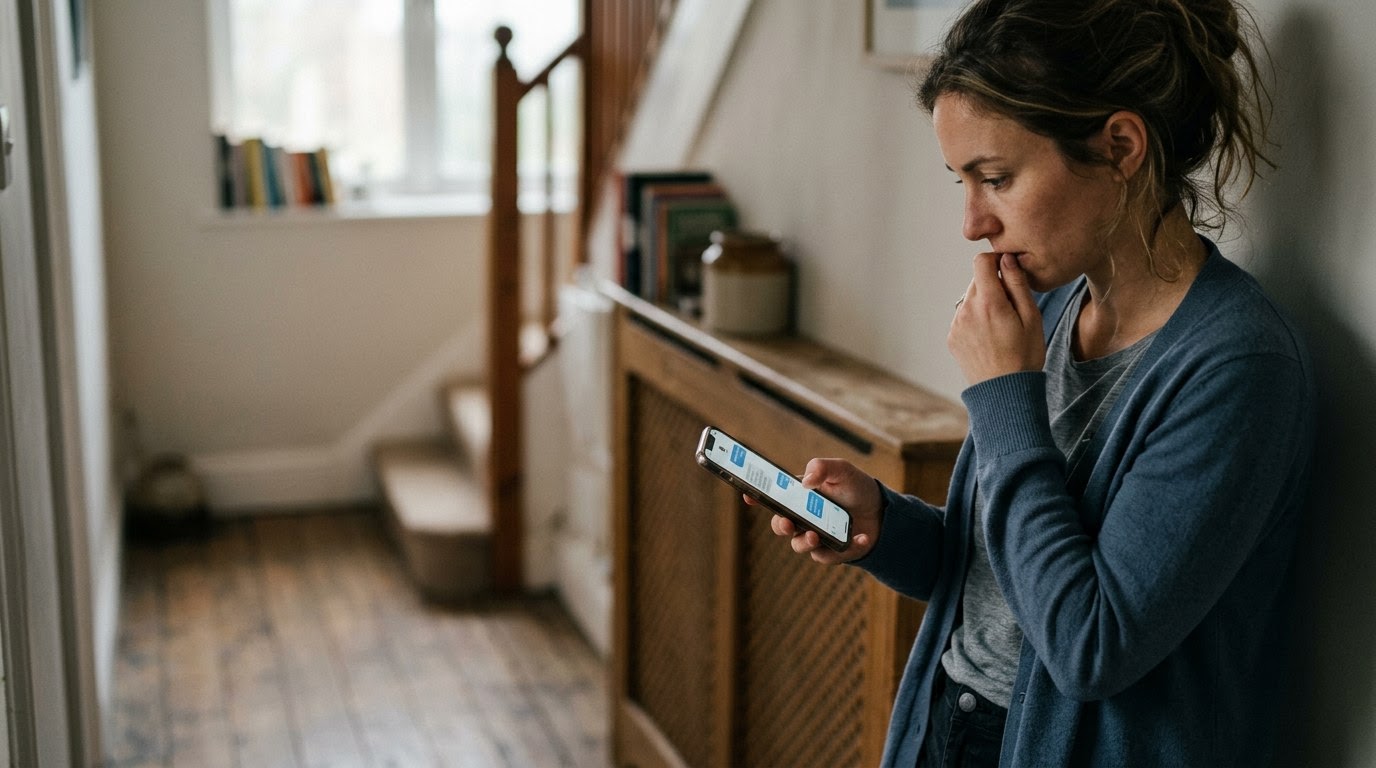
You listed a couch, a laptop, or a set of tools online, and within minutes, a buyer responds. They do not negotiate on price, they offer to pay immediately, but there is one catch: they are out of town, working on an oil rig, or moving across the country, so they are sending a third-party driver to collect the item. If your gut tells you something is off, listen to it. This classic peer-to-peer marketplace tactic often leads to fake payment receipts, irreversible digital transaction chargebacks, or claims that the item was never received. The financial loss usually lands entirely on you, alongside the frustration of losing your valuable item. Protecting yourself starts with slow, clear verification; running a TrustCheck takes 60 seconds and ties a name to a real phone, real email, and a real digital footprint.
Buyer Offers to Pay Extra Fees for Delivery Drivers or Item Reservation
When a marketplace buyer offers to pay more than your asking price to cover courier fees or lock in an item, it is almost always an overpayment scam. The buyer sends a fraudulent payment confirmation showing an inflated balance, then asks you to wire or transfer the extra funds to their designated third-party driver. In reality, no real money was ever deposited into your bank account.
Understanding how to handle marketplace buyers who send third party pickup drivers begins with recognizing this artificial generosity. In private sales, legitimate buyers rarely offer extra money without seeing an item first. Scammers use excess money as bait to make you feel obligated to cooperate when they introduce complex pickup logistics. They count on your excitement about a quick sale to overshadow basic safety precautions.
The mechanics behind this trick rely on exploiting provisional credit—a temporary banking hold where your financial institution makes funds visible in your balance before fully verifying the sender's underlying transaction. When the fraudster sends a fake cashier's check or hijacked account transfer for $1,200 on a $500 item, your bank balance might temporarily increase. The scammer urgently requests that you send the $700 difference via wire or peer-to-peer app directly to their transport driver. Days later, the original transfer bounces, your bank reverses the full $1,200, and you are left out $700 of your own money plus the item.
According to FTC data released in 2024, reported losses from fake check and payment scams exceeded $200 million nationwide. Consider the case of Mark, a seller listing a ride-on lawnmower for $800. A buyer agreed to the price immediately and sent an online check for $1,400, claiming the extra $600 was for a local freight hauler picking up the unit. Mark deposited the check, saw the temporary credit in his account, and paid the hauler in cash when a truck arrived. Three days later, the check cleared as fraudulent, leaving Mark down $600 with an empty garage.
Buyer Insists on Using Unprotected Digital Payments Followed by Fake Email Confirmations
Scammers sending third-party drivers frequently demand off-platform payment methods and send forged email notices claiming funds are on hold. They tell you money will be released to your account only after you hand over the item or pay the driver's transport fee. Genuine buyers pay through secured marketplace features or provide cash upon pickup, whereas fraudulent accounts rely on fake payment emails to pressure sellers into releasing goods before funds clear.
Peer-to-peer payment platforms have made moving money simple, but bad actors exploit these systems by faking transaction receipts. A common tactic involves convincing you to accept payments via non-protected commercial accounts or personal cash apps, followed by a convincing email designed to look like an official notice from PayPal, Venmo, or Zelle. These messages claim that funds are "pending" or "held in escrow" until you provide proof of handoff to a delivery driver.
Real payment processors do not hold funds hostage behind third-party pickup confirmations or demand account upgrade fees to process personal sales. When you allow a buyer to bypass official platform payment channels, you lose the safety net provided by built-in seller protection programs. If a driver takes the item and the buyer disappears, you have no recourse through the platform.
Take Sarah, who posted a high-end camera package for $1,100 online. A prospective buyer messaged stating a courier would pick it up within two hours and insisted on paying via direct digital transfer. Minutes later, Sarah received an email matching the branding of a major payment processor, stating $1,100 was on hold until she handed the equipment to the courier. Sarah handed the camera bag to a driver who arrived in a unmarked car. Upon logging into her banking app directly, she discovered no transaction was pending, and the email address of the sender ended in a random free webmail domain.
Buyer Demands Moving to Third-Party Messaging Apps or Courier Links
Buyers who immediately request to leave the marketplace platform—asking for your personal phone number, email address, or directing you to click custom courier tracking links—are attempting to bypass safety protections. Scammers shift off-platform to avoid automated fraud monitoring and to send phishing links designed to steal account credentials or financial data while orchestrating fake third-party driver pickups.
Staying inside the original listing app is one of your strongest safeguards when figuring out how to handle marketplace buyers who send third party pickup drivers. Built-in chat interfaces automatically flag suspicious web addresses, detect newly created burner profiles, and preserve immutable logs of all interactions. When a buyer demands your personal phone number or email address right away, they are trying to break that protective record.
Once off-platform, scammers often send links to fake shipping or courier tracking portals. These websites look identical to legitimate logistics companies, complete with fake tracking numbers and branded graphic banners. They ask you to enter personal information, credit card numbers, or login credentials to "confirm the driver's arrival time" or "pay a minor insurance deposit." This process is known as phishing—a deceptive practice where fraudulent sites trick you into revealing sensitive security details.
A 2025 BBB report revealed that peer-to-peer marketplace scams accounted for over 30% of all reported online purchase fraud. Imagine listing a set of customized golf clubs. A buyer responds within seconds, asking you to text their manager at a private number to arrange pickup logistics. Once on SMS, the buyer sends a link to a fake regional delivery site, claiming you must pay a refundable $15 scheduling fee. Entering your card details hands your financial data directly to identity thieves, while no actual driver ever materializes.
Buyer Sends a Third-Party Driver Without Providing Driver Identity or Cash Payment
When a buyer insists on sending a friend, relative, or courier to pick up an item without providing the driver's name, vehicle details, or paying in cash, your risk of loss increases significantly. If the buyer later initiates a payment chargeback claiming they never received the item, you will lack proof that the third-party individual was authorized to accept the goods on the buyer's behalf.
Third-party handoffs complicate dispute resolutions on every major re-selling network. Most payment provider seller protection rules explicitly state that physical items must be handed directly to the account owner or shipped using tracked carrier services with proof of delivery to the buyer's registered address. When an anonymous driver pulls up to your driveway, collects the item, and drives off, you have zero documented evidence linking that driver to the account holder who paid you.
This gap enables chargeback fraud, where a scammer pays using a legitimate credit card or compromised bank account, collects the goods via an anonymous driver, and then contacts their financial institution to report an unauthorized charge. Because you cannot prove the person in the car had authorization from the account holder, the bank rules in favor of the cardholder, clawing back funds directly from your bank balance.
Consider David, who sold a home gym system for $950. The buyer paid through a digital app and stated a cousin would drive over with a pickup truck. David handed over the weights without asking for the cousin's name or taking down a license plate. Two weeks later, the buyer filed an unauthorized charge claim with their credit card issuer. David contested the claim, but because he could not provide a tracking number or signed delivery receipt from the buyer, the payment processor forced a chargeback, leaving David without his equipment or the money.
Buyer Refuses a Brief Phone Call or Identity Verification Before Pickup
A buyer who refuses to confirm basic contact details or jump on a quick 30-second phone call before sending a proxy driver is usually hiding a stolen account or fraudulent identity. Legitimate private buyers understand that taking high-value items off your hands requires minimal trust-building measures, whereas bad actors avoid live voice calls or profile verification because direct communication exposes inconsistencies in their story.
Account takeover is a widespread issue across modern classified apps. Fraudsters buy compromised user accounts on hidden web forums and use established profiles with positive reviews to scam unsuspecting sellers. Because the scammer does not match the real account holder's gender, age, location, or voice, they strictly avoid voice calls, video chats, or live identity checks, making excuses about broken microphones or busy work schedules.
When you ask simple, polite verification questions, an authentic buyer will happily cooperate to ensure a smooth pickup. A scammer, however, will often react with defensive language, urgency, or anger, claiming you are wasting their time or questioning their integrity. They use emotional pressure to make you feel guilty for exercising basic safety caution.
For example, Elena attempted to sell a high-value laptop online. The buyer agreed to purchase it for $1,300 and claimed a private courier was on the way. Elena asked for a quick 30-second phone call to verify that the buyer was indeed the person named on the profile before handing the laptop over to the driver. The buyer refused, claiming they were in back-to-back corporate meetings and threatened to drop the deal if the laptop was not handed over immediately. Elena held her ground and canceled the sale; the real owner of the hijacked account recovered their profile hours later and confirmed they had never placed an offer.
Comparing Safe Buyer Habits with Scam Buyer Tactics
Recognizing the distinction between an authentic marketplace buyer and a scammer using third-party pickup excuses requires looking at how they communicate, pay, and arrange logistics. Safe buyers are transparent about who is collecting the item, respect your payment terms, and communicate inside secure channels. Scam buyers create artificial urgency, insist on overpayments or off-platform payment transfers, and obscure the identity of the pickup driver. The comparison table below highlights key differences across critical transaction dimensions.
| Transaction Dimension | Safe Buyer Behavior | Scam Buyer Behavior |
|---|---|---|
| Payment Preferences | Pays cash on pickup or uses built-in platform payment features. | Demands off-platform transfers, overpays, or sends fake receipt emails. |
| Pickup Logistics | Collects item in person or provides full driver details and cash on arrival. | Sends anonymous couriers, movers, or rideshare proxies without cash. |
| Communication Channel | Keeps all messages inside the original listing platform app. | Immediately demands switching to SMS, personal email, or external chat. |
| Identity Transparency | Has an established digital profile and agrees to a quick identity check. | Refuses voice calls, provides vague name details, or uses stolen profiles. |
| Response Tone | Asks detailed questions about item condition, history, and meeting safety. | Agrees to full price immediately without asking about item condition. |
What to do if you spot these signs
If a buyer exhibits red flags involving third-party pickup drivers, you can take control of the interaction immediately. Following a structured step-by-step verification process protects your physical safety, your financial accounts, and your personal items before any physical handoff takes place.
- Insist on cash for all third-party pickups. If a buyer cannot pick up the item in person and insists on sending a courier, mover, or friend, mandate that the driver hand over exact cash upon arrival. If the buyer refuses cash or insists on digital transfers before pickup, cancel the deal immediately.
- Run a quick identity check. Frame verification as a standard safety practice before sharing your residential address or scheduling a handoff. Running a quick identity check through TrustMatch allows you to confirm that the buyer's name, phone number, and email address correspond to a real person rather than a fake or stolen account.
- Verify payment directly inside your official banking app. Never trust email notifications, text receipts, or screenshots provided by the buyer. Open your official bank or payment app independently on your device to ensure funds are fully settled and cleared for immediate withdrawal.
- Require driver identification and vehicle confirmation upfront. Ask the buyer for the driver's full name, telephone number, and vehicle make and model prior to arrival. Advise the buyer that you will check the driver's photo ID before handing over the item; fraudulent buyers will usually abandon the transaction at this step.
- Keep all dialogue on the official marketplace platform. Refuse all requests to move conversations to SMS, WhatsApp, or private email. Keeping all communications within the marketplace app builds a documented trail that protects your seller profile if a dispute arises.
Trusting your instincts is the most reliable defense when managing online sales. If a deal feels overly complicated, overly urgent, or involves unusual payment demands for a third-party driver, it is always safe to walk away and wait for a straightforward local buyer. Verification takes seconds, but dealing with fraudulent chargebacks and stolen property can take months. Running a quick check on TrustMatch gives you the peace of mind you need to sell confidently and keep your transactions safe.
Frequently asked
Why do marketplace buyers insist on using third-party pickup drivers?
Scammers use third-party pickup drivers to isolate sellers from direct contact, making overpayment scams and chargeback fraud easier. Handing items to an anonymous driver prevents you from proving who received the goods, which invalidates seller protections offered by payment platforms.
Is it safe to accept Zelle or Venmo for a third-party pickup?
Accepting digital payments for third-party pickups is risky unless the payment clears completely into your bank account before handoff. Scammers frequently send fake email receipts claiming funds are pending, or pay with stolen accounts that get reversed days after the driver leaves.
What should I do if a buyer overpays for courier fees?
Never accept overpayments or transfer money to a courier on behalf of a buyer. If a buyer sends extra funds via check or transfer, reject the payment, decline to send money to third parties, and report the user account to the marketplace platform.
Can I protect myself by taking a photo of the pickup driver?
Taking a photo of the driver or license plate provides physical evidence, but it does not guarantee protection against bank chargebacks. Most payment processors require formal carrier tracking numbers or buyer signatures to defeat item-not-received claims.
How can I verify a buyer's identity before agreeing to a pickup?
Ask the buyer to remain on the official platform, confirm their phone number, and run a quick digital identity check. Verifying that their contact details match a real digital footprint ensures you are dealing with a legitimate person.
More in Safety
- How to Spot Fake Event Invitations Sent by Online Dating Matches
November 13, 2026
- What to Do When a Dating Match Takes Photos of You Without Permission
November 11, 2026
- What to Do When a Local Marketplace Seller Insists on Shipping
November 9, 2026