How to Safely Verify an Online Match Before Meeting in Person
· 13 min read
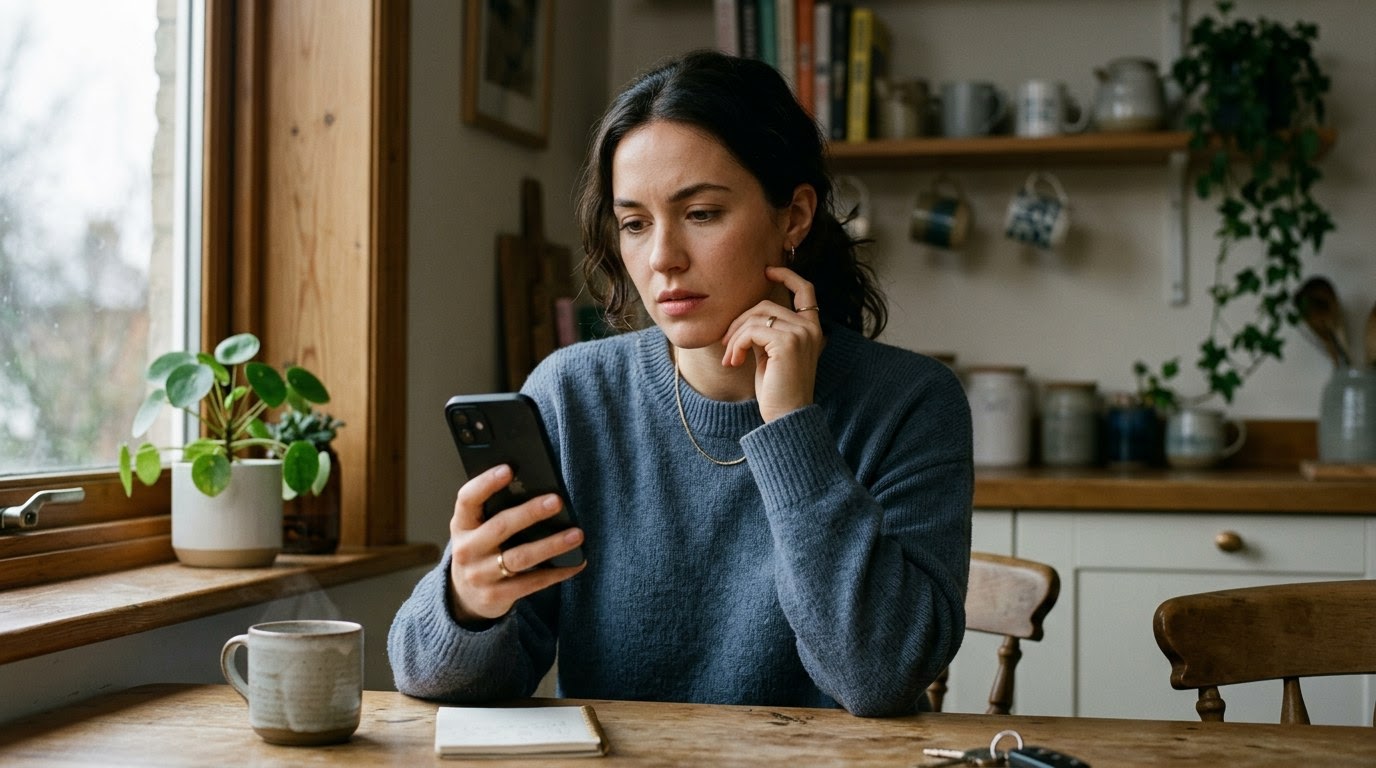
As of August 2026, connecting with people through dating apps or social platforms is a natural part of modern romance, but encountering fabricated profiles, stolen photos, or deceptive scams remains a common hazard. When an online match feels slightly inconsistent or too good to be true, taking practical steps to verify their identity before meeting in person or sharing personal details saves you from severe emotional distress, harassment, and financial loss. Deceptive account patterns often start with fast-paced charm before turning into persistent requests for money, private personal information, or unsafe meetups. Confirming who you are speaking with does not mean you are cynical or paranoid; it is a smart, standard habit for anyone dating online. In fact, running a TrustCheck takes 60 seconds and ties a name to a real phone, real email, and a real digital footprint.
1. Their Profile Photos Look Too Polished or Appear Elsewhere Online
When an online match uses photos that look like professional modeling shots, stock photography, or AI-generated imagery, it often indicates an impersonator using stolen assets to build trust quickly. You can safely verify these images by running a reverse image search—a free online tool where you upload a picture to search engines to find identical or visually similar copies across the web. This simple process reveals whether the pictures belong to a known model, an influencer, or a completely different person.
Scammers rely on visually appealing images because high-quality photos create immediate attraction and lower your guard. However, public photo databases and search engines make it easy to see where else those exact images exist online. When you run a reverse image search on a picture, the search engine scans billions of indexed web pages to find matching image files or identical pixel patterns. If the image returns dozens of hits across international modeling sites, social media accounts under different names, or commercial stock catalogs, you know immediately that the profile is using a stolen identity.
In addition to basic reverse image lookups, pay attention to the lighting, background consistency, and clothing across the match's entire photo gallery. Deceptive profiles often feature photos taken in wildly different parts of the world with varying image resolutions or inconsistent facial features, which is common with AI-generated photo generators. If every photo looks like a magazine ad but lacks any candid, real-world context like local landmarks or informal group settings with friends, your caution is fully justified.
Consider Marcus, who matched with "Elena," a woman claiming to work as an interior designer living two towns over. Her photos were flawless and looked like high-end architectural portfolio shots. Suspicious of the studio-grade quality, Marcus uploaded her main profile photo to a reverse image search. Within seconds, the tool revealed that the photo belonged to a German fashion influencer living in Munich with over half a million followers. The person Marcus was chatting with had simply downloaded the influencer's public feed to build a convincing fake profile. By verifying the photos first, Marcus avoided spending weeks building emotional rapport with a fraudster.
2. They Refuse Video Calls or Live Verification Before Meeting
A consistent refusal to participate in a short video call or provide a real-time selfie verification strongly indicates that the person does not match their profile photos. Genuine matches are almost always willing to join a two-minute video chat or send a quick wave video before meeting in person. Scammers frequently make elaborate excuses about broken camera lenses, poor internet connections, or strict workplace policies to avoid exposing their real face.
Requesting synchronous video verification—a real-time video interaction where both people can see and hear each other simultaneously—is one of the most reliable ways to confirm someone's identity. Modern smartphones make live video calls seamless, free, and instantly accessible. When someone genuinely wants to date you, they view a quick pre-date video chat as a fun, reassuring step for both of you. It eliminates pre-date jitters and confirms that both parties are who they claim to be.
When someone is impersonating another person or operating out of a organized scam center, a video call destroys their illusion. As a result, they will offer dramatic or repeated excuses to stay behind text messages or recorded voice notes. Common excuses include claims of serving on an remote oil rig, working an overseas military deployment, or working in high-security government facilities where cameras are prohibited. While those professions are legitimate in real life, a complete inability to hop on a 30-second live video screen before meeting in person is an undeniable warning signal.
Take Sarah, who chatted with "David" for nearly three weeks. David presented himself as a civil engineer working on a regional highway project. Whenever Sarah suggested a quick FaceTime before agreeing to a weekend dinner date, David claimed his project site lacked sufficient cellular bandwidth for video, despite sending long, high-definition audio clips and polished photographs throughout the day. When Sarah held firm and said she only meets people after a short video hello, David became aggressive, claiming she was untrustworthy and paranoid. Recognizing that hostility in response to a simple safety boundary is a classic manipulation tactic, Sarah blocked the account immediately.
3. They Push to Move Off the Dating App Immediately
Scammers frequently urge you to leave the dating platform within the first few messages, steering you toward third-party chat apps or direct phone texting. Dating platforms rely on automated moderation tools—software systems designed to flag suspicious links, repeat text scripts, and scam patterns—to protect their members. Pushing you off the platform strips away these protective safeguards, making it easier for a fraudster to manipulate you without triggering account suspensions.
Dating apps invest heavily in monitoring systems that detect fraudulent behavior in real time. When an account sends the same copy-pasted bio to dozens of users, shares suspect web addresses, or requests money, internal security filters automatically flag or ban the account. Scammers know their profiles have a short lifespan on regulated platforms. To prevent losing contact with you when their account gets terminated, they attempt to relocate the conversation to private, unmonitored channels like encrypted messaging applications or personal SMS text threads as quickly as possible.
Moving off the app too fast also isolates you from the safety reporting features embedded in modern dating software. On the app, you can easily tap a button to report harassing behavior, fake photos, or financial solicitations. Once you move to personal text messages, reporting the user to the original platform becomes significantly harder. Holding a firm rule to stay on the dating app for several days until you have established basic trust is a zero-cost shield against scam tactics.
Consider James, who matched with "Chloe" on a popular dating app. After exchanging only two messages, Chloe wrote that she rarely checked the dating app and asked James to text her private cell phone number instead. When James politely replied that he preferred keeping conversations on the dating app until after a first coffee meeting, Chloe threatened to unmatch him for being overly cautious. James stayed firm and declined to share his number. The very next morning, the dating app sent an automated safety alert notifying James that Chloe's account had been permanently removed for violating safety guidelines and operating under a fraudulent network IP address.
4. Their Contact Information Leads to Inconsistent Digital Footprints
A legitimate match usually leaves an organic digital footprint—a trail of public online activity including social network profiles, professional registrations, local community references, or public records connected to their name and phone number. When a match's phone number links exclusively to a VoIP service, which is a virtual phone number created through an internet application rather than a traditional mobile carrier, or their email address was created days ago, their identity warrants thorough verification.
In a hyper-connected society, almost everyone leaves behind digital breadcrumbs over time. An authentic individual living in your region typically has an established presence, whether that includes an active LinkedIn profile, a local business listing, sports league rosters, or tagged photos on public social pages. When you look up a person's name or contact details, finding a rich history of authentic, local activity reassures you that you are speaking with a real neighbor or resident.
Scammers, by contrast, rely on ephemeral contact points designed to be discarded at a moment's notice. They often use internet-based burner numbers that allow anyone in the world to select a local area code without living anywhere near that geographic area. According to FTC data from 2024, romance scams resulted in reported consumer losses exceeding $1.3 billion across the United States. Verifying whether a phone number connects to a true mobile contract or a disposable virtual line gives you essential clarity before investing your time and trust.
Checking public records and digital footprints does not mean digging into private medical or financial records; it simply means ensuring basic facts align. If someone tells you they have been a practicing attorney in your city for ten years, but state bar associations have no record of their license and their phone number traces back to a temporary virtual service created last week, their story does not hold up. Cross-referencing basic details keeps you anchored in reality.
5. They Introduce Urgent Financial or Emotional Crises Early On
Any request for money, gift cards, cryptocurrency, or sudden emergency funding from an online match is a major red flag indicating a financial scam. Fraudsters often build intense, artificial intimacy early in the conversation before manufacturing a sudden personal emergency, such as a frozen bank account, an unexpected customs fee, or a urgent medical bill. Legitimate romantic prospects will never ask a new acquaintance or online match for financial assistance.
The primary mechanics behind online romantic deception rely on fast-paced emotional manipulation, often referred to as love bombing. The scammer bombards you with excessive compliments, grand promises of a shared future, and constant affection within days of matching. This rapid acceleration is designed to lower your natural skepticism and create a deep sense of obligation. Once they feel you are emotionally invested, the trap opens with a sudden, dramatic emergency that requires immediate cash or digital transfers.
A 2023 AARP survey revealed that 34% of online dating users encountered profiles they later determined were fraudulent or impersonating someone else. The fabricated emergencies used by scammers are intentionally designed to induce panic and urgency, giving you no time to think critically or consult trusted friends. They might claim they are stuck at an airport terminal without access to their credit cards, or that a family member urgently needs surgery overseas. The common denominator is always the same: they need you to send funds immediately via untraceable payment channels like gift cards, wire transfers, or crypto wallets.
Consider Elena, who matched with "Robert," who claimed to be an international logistics consultant. Within two weeks of daily messaging, Robert began referring to Elena as his soulmate and talking about buying a home together. Suddenly, Robert called in a panic, claiming his business shipping containers were being detained at a foreign port, and he needed a temporary wire transfer of $2,000 to clear customs and release his funds. He swore he would repay her double as soon as he landed back in the country. Recognizing the classic romance scam script, Elena refused to send money, cut off communication, and reported his profile to safety authorities.
6. Their Story Details Don't Match Public Property or Career Records
When an online match shares specific details about their career, business ownership, or personal background, those details leave verifiable public traces. Inconsistent stories, such as claiming to own a prominent local restaurant while having no business registration or claiming to live in a specific neighborhood without any regional footprint, point toward fabrication. Verifying basic, publicly available facts confirms whether a match's real-world identity matches the narrative they present.
People often share details about their daily lives to build rapport—where they work, where they went to school, or what neighborhood they live in. In authentic relationships, these details remain steady and align with observable facts. When chatting with a deceptive match, however, small details frequently shift over time. They might forget which college they claimed to attend, misstate local geographic details, or give vague answers when asked about neighborhood landmarks that any actual resident would know instantly.
Reports published by the FBI in 2025 showed that confidence fraud caused over $650 million in financial damages to online contacts. Verifying professional background details through public databases, local property records, or professional license registries is a simple, non-invasive way to protect yourself. Checking public facts is not an invasion of privacy; it is a sensible personal safety check before stepping into a vehicle, visiting someone's home, or meeting in an unfamiliar location.
If your match claims to be a licensed realtor, a certified public accountant, or a registered contractor, public state registries allow anyone to confirm that license status in seconds. If their name yields zero results in state databases or public property records across the regions they claim to inhabit, you are dealing with a fabricated identity. Trusting verifiable facts over smooth words keeps your online dating experience safe and enjoyable.
Comparing Safe vs. Scam Behaviors in Online Matches
Evaluating behavioral patterns helps you quickly separate genuine dating matches from potential impersonators or scammers. Safe matches respect your boundaries, keep communication consistent, and willingly prove their identity before meeting in person. Scammers rely on rushed intimacy, frequent excuses, pressure tactics, and requests for privacy or money. Comparing these contrasting behaviors across five key dimensions provides a simple benchmark for your personal safety online.
| Dimension | Safe & Genuine Behavior | Suspicious & Scam Behavior |
|---|---|---|
| Communication Platform | Happy to stay on the dating app until you feel comfortable meeting in person. | Demands to switch to WhatsApp, Telegram, or personal SMS immediately after matching. |
| Identity Verification | Gladly agrees to a short live video call or real-time selfie check before a date. | Offers continuous excuses (broken camera, bad Wi-Fi, military duty) to avoid video. |
| Photo Authenticity | Photos show clear, candid, local environments that pass reverse photo lookups. | Photos look like studio models or appear on stock sites and foreign influencer profiles. |
| Financial Requests | Never asks for money, gift cards, investment favors, or financial account help. | Manufactures sudden personal or business crises requiring fast wire transfers or crypto. |
| Detail Consistency | Personal background, career, and regional claims align with public records. | Story details shift frequently; career and residency claims cannot be verified. |
What to Do If You Spot These Signs
If your online match exhibits suspicious behaviors or fails basic identity checks, taking systematic steps ensures your emotional and physical safety. You do not need to confront the person or demand explanations, as scammers often use confrontation to refine their excuses or guilt-trip you. Following a step-by-step protective checklist allows you to disengage safely, verify remaining doubts, and report fraudulent accounts before any harm occurs.
- Pause communication immediately: Step back from the chat and stop sharing personal updates, location details, or photos while you review the profile.
- Run an identity check: Run a TrustCheck on the person's full name, phone number, or email address to instantly verify whether their details align with an established online history.
- Perform reverse photo lookups: Upload their profile pictures to major search engines to see if the images belong to a different person or stock photography catalog.
- Report the profile: Use the dating app's built-in reporting tools to alert safety moderators about suspicious links, impersonation, or off-platform pressure.
- Block all communication channels: Block their phone number, messaging handles, and social media accounts to prevent persistent contact or harassment.
Trusting Your Instincts Is a Practical Safety Skill
Listening to your gut feeling is one of the most effective safety habits you can cultivate. You never owe a stranger an explanation, a debate, or a second chance if something about their profile, communication, or story feels wrong. Taking a brief moment to verify facts before meeting someone new in person is not cynical; it is a routine, practical habit that protects your physical safety and emotional well-being. When you are ready to verify a new connection, using TrustMatch gives you quick, non-intrusive clarity so you can focus on building genuine relationships.
Frequently asked
Why do scammers want to leave dating apps so quickly?
Scammers push to move off dating platforms to avoid automated safety filters that detect fraudulent accounts. Leaving the app strips away moderation protection, making it harder for you to report harassment or suspicious activity.
Is it invasive to verify an online match before meeting?
No, verifying basic public details like reverse image lookups or phone validation is a responsible safety habit. It ensures the person matches their profile before you share personal time or meet in private settings.
What should I do if a match refuses a short video call?
If a match refuses a quick video chat before an in-person date, pause the interaction. Genuine matches welcome a brief video hello to build mutual trust, while excuses usually point to impersonation.
How can I tell if a profile picture is AI-generated?
AI photos often display subtle flaws like background blurring, asymmetrical accessories, unnatural skin textures, or mismatched eyes. Running a reverse image search helps flag synthetic or stolen imagery.
What is the safest way to schedule a first in-person date?
Always meet in a well-lit, public place, arrange your own transportation, and inform a close friend or family member of your location. Never let an unverified match pick you up at your home address.
More in Safety
- How to Safely Plan Outdoor First Dates With Online Matches
September 21, 2026
- What to Do When an Online Match Asks for Your Driver License
September 18, 2026
- What to Do When a Dating Match Asks for Wi-Fi Access
September 16, 2026