How to Spot Emergency Expense Scams in Online Dating Relationships
· 9 min read
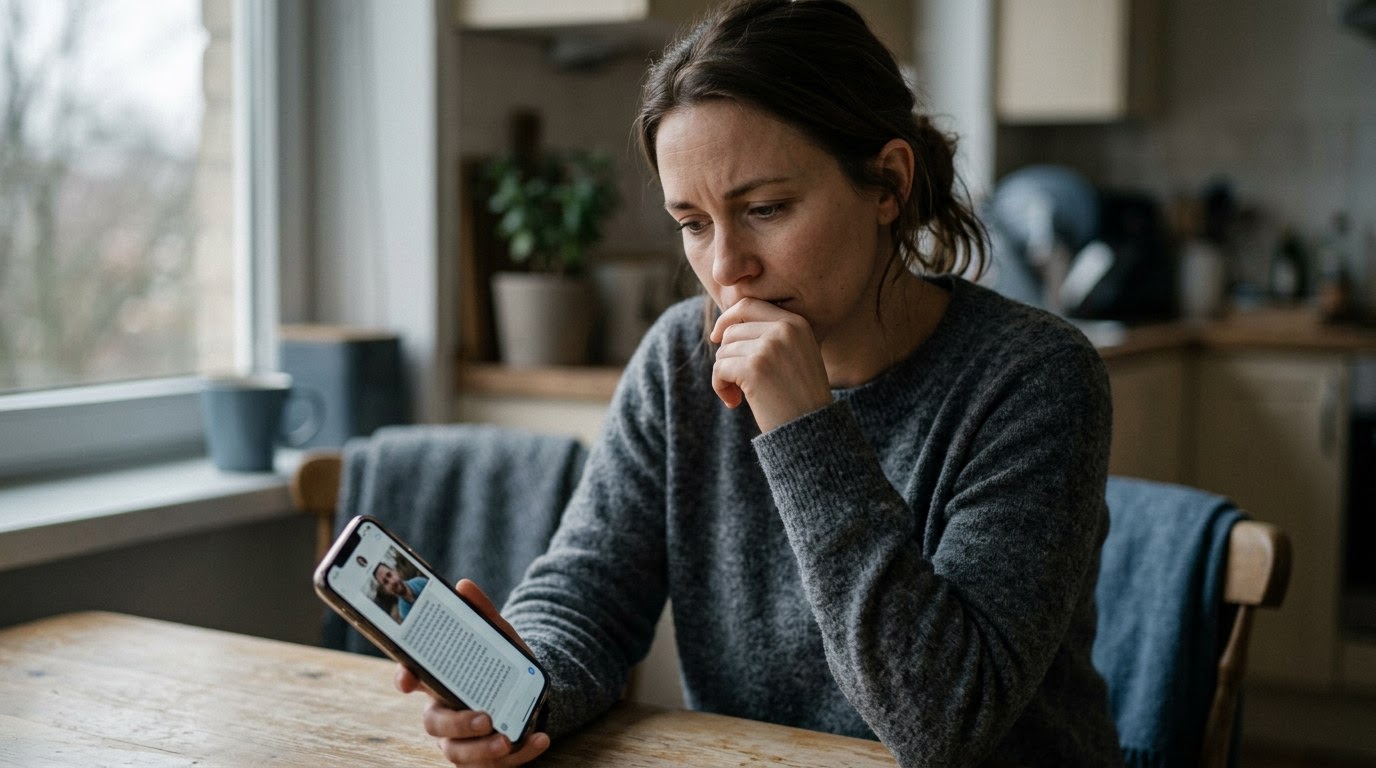
As of August 2026, emergency expense scams remain one of the most effective tactics used by online fraudsters to exploit trust. In these setups, a scammer spends days or weeks building a warm, romantic connection before inventing an unexpected financial crisis that demands immediate action. Getting this wrong carries heavy costs: you risk losing thousands of dollars that financial institutions cannot recover, alongside the painful emotional impact of discovering a relationship was built entirely on deception. According to FTC data from 2024, romance scams cost victims over $1.3 billion in direct financial losses. Recognizing the signs early stops bad actors before they drain your savings. Before transferring funds to someone you have never met in person, running a TrustMatch check takes 60 seconds and ties a name to a real phone, real email, and a real digital footprint—the trail of public social profiles, registry records, and online activity left behind by an individual.
The Sudden Medical Crisis Overseas
Spotting a sudden overseas medical crisis scam involves watching for urgent money requests from an online match who claims to be stuck in a foreign hospital or facing emergency surgery. Scammers use this emotional trap because medical emergencies trigger rapid sympathy and lower your logical defenses. In a typical scenario, an online partner claiming to work abroad as an engineer or contractor suddenly texts claiming they were injured and need cash for immediate hospital discharge or life-saving medicine.
Consider how this played out for a client we will call Sarah. Sarah matched with a man named David on a dating app. David claimed to be a civil engineer working on an offshore project near Scotland. For three weeks, David called Sarah daily, sent thoughtful good-morning messages, and discussed future plans to move closer to her town. Suddenly, Sarah received a panicked voice note. David claimed an equipment failure on the rig had fractured his leg, and the local private clinic refused to perform surgery without an upfront cash deposit of $4,500. He claimed his domestic bank cards were not accepted internationally and asked Sarah to transfer funds immediately.
This situation highlights the core mechanics of the overseas medical scam. Fraudsters explicitly choose job roles that explain why they are out of the country, such as offshore oil workers, international aid staff, or military personnel deployed abroad. This creates a plausible reason why you cannot meet in person while establishing a scenario where foreign healthcare systems appear unfamiliar or hostile. They rely on the fact that you cannot call the hospital directly to confirm their admission. In reality, legitimate international employers provide robust medical evacuation insurance, and reputable medical facilities do not rely on peer-to-peer wire transfers from third parties to treat injured staff.
The Sudden Legal Detention or Airport Customs Hold
An emergency expense scam involving legal detention or airport customs occurs when an online contact claims they are being detained, fined, or held by foreign officials until an unexpected fee is paid. The fraudster creates high drama, stating that without your immediate financial assistance, they will face imprisonment or lose valuable personal property. They often claim the package being held contains gifts intended for you or important legal documents for their business.
Take the composite example of Marcus and Elena. Marcus spent a month communicating with Elena, who claimed to be a textile buyer traveling across Europe. Elena informed Marcus that she was flying to his city to finally meet him. A day before her scheduled arrival, Marcus received an urgent email from a address purporting to be a foreign customs authority, followed by a frantic text from Elena. She claimed foreign port officials had confiscated her luggage containing $50,000 worth of luxury samples and held her passport. She needed Marcus to pay a $2,800 "import clearance tax" via a cryptocurrency transfer to secure her release.
Customs officials and law enforcement agencies never demand cash payments or cryptocurrency through messaging apps to release individuals or packages. Scammers build these elaborate scenarios to manufacture panic. They send fake administrative forms, altered government documents, or forged shipping receipts to make the crisis appear real. The goal is to make you feel responsible for their freedom or safety. Once you pay the initial customs charge, new "unforeseen legal fees" or "bribe demands" inevitably follow, draining your funds until you stop responding.
The Frozen Bank Account or Blocked Wire Transfer
A frozen bank account claim occurs when a match claims their primary financial accounts are temporarily locked due to a security audit, tax issue, or overseas banking glitch, leaving them unable to pay for essential expenses. Scammers leverage this tactic to make you feel like you are providing a temporary bridge loan—a short-term financial fix until their funds unlock—rather than giving a permanent financial gift.
Consider a composite story involving Robert and Julian. Julian presented himself as a successful commercial photographer working on a luxury travel campaign. He regularly shared high-resolution travel photos and made grand financial promises. After two weeks of intense chatting, Julian called Robert in tears. He explained that his business account was temporarily frozen by his home bank due to a routine fraud check triggered by an international hotel charge. He needed $1,200 to pay his hotel bill before management called the local police. He assured Robert that his bank would resolve the lock within 48 hours and promised to repay him with interest.
This tactic plays on your desire to assist someone who appears financially solvent. Fraudsters establish a high-status image specifically to make their claims of frozen funds sound believable. They frame the request as a minor administrative headache rather than a financial request for personal gain. However, once the first amount is transferred, the alleged banking problem never resolves. The scammer invents additional compliance hurdles, bank fees, or wire processing charges, requesting larger sums each time while continuing to defer repayment.
The Untraceable Payment Method Demand
Demands for untraceable payment methods occur when an online match insists that emergency money be sent via gift cards, cryptocurrency, or wire transfers rather than traditional bank rails. This behavior directly signals fraud, as non-reversible payment methods prevent financial institutions from tracing or recovering your money once sent. A genuine person experiencing a true emergency would accept verifiable bank-to-bank assistance or direct payment to service providers.
Scammers deliberately push you away from standard bank accounts because banking networks enforce identity verification and allow fraud teams to freeze suspicious transfers. Instead, fraudsters frequently direct victims toward gift cards from retail stores. They instruct you to purchase the cards, scratch off the security strips, and send photographs of the codes. Once those codes are sent, the funds are cashed out within seconds through automated secondary markets across the globe.
Cryptocurrency ATMs and peer-to-peer payment services—digital applications that transfer money directly between bank accounts instantly—are another favored avenue. Fraudsters direct you to deposit cash into a bitcoin kiosk using a quick-response (QR) code they provide via text. That QR code routes the cash directly into the scammer's private digital wallet, completely stripping away consumer protection measures. If an online dating match refuses a direct electronic transfer to a verified institutional account and instead demands gift card codes or crypto deposits, you are dealing with a fraudster.
The Escalating Guilt Trip and Manufactured Time Pressure
Spotting artificial urgency and emotional guilt trips involves recognizing when an online match attacks your character or questions your feelings for failing to send emergency money instantly. Scammers manufacture short deadlines—such as claims that a medical procedure must happen within hours—to push you into acting before you have time to consult friends or verify their identity. They frame your hesitation as a lack of love or trust.
When you ask reasonable questions or request to speak directly with a healthcare provider, supervisor, or legal officer, the tone of the conversation changes instantly. The scammer who was previously affectionate and calm may become angry, accused, or overly melodramatic. They will tell you that you are letting them down in their darkest hour or that you never truly cared about the relationship. They use this psychological pressure to make you feel guilty for questioning their narrative.
Data released by the FBI in 2025 showed that emergency expense claims were involved in over 35% of reported online dating fraud cases. This high frequency persists because psychological pressure works. Fraudsters intentionally create a high-stress environment so your emotional brain overrides your analytical judgment. Recognizing that sudden deadlines and character attacks are intentional manipulation tactics helps you pull back and reassess the situation safely.
Comparing Safe Behavior vs. Scam Behavior
Understanding the distinction between genuine online dating interactions and scam setups comes down to observing how a person handles transparency, money, and boundaries. Real partners respect your caution and do not condition their affection on financial compliance.
| Dimension | Safe Behavior | Scam Behavior |
|---|---|---|
| Requests for Money | Never asks for financial assistance, gift cards, or crypto transfers, regardless of personal situation. | Requests urgent cash, gift card codes, or crypto transfers within days or weeks of connecting. |
| Identity Verification | Willingly shares social profiles, verifies identity, and agrees to video calls or real-life meetups. | Avoids live video, makes excuses for missing meetups, and maintains an unverifiable online presence. |
| Communication Pressure | Respects your schedule and response times; accepts financial and personal boundaries calmly. | Creates artificial time emergencies, demands immediate transfers, and uses guilt trips if you hesitate. |
| Personal Details | Provides consistent, verifiable details about their career, residence, and local social circle. | Claims high-risk overseas occupations (military, oil rig worker) that justify lack of direct contact. |
| Payment Preferences | Uses standard domestic banking services and assumes responsibility for their own financial issues. | Insists on untraceable payment rails like gift cards, wire transfers, or external P2P payment apps. |
What to do if you spot these signs
If you suspect that your online match is fabricating an emergency expense to extract money from you, take immediate control of the situation. Following a structured step-by-step process protects your financial accounts and cuts off the scammer's leverage.
- Stop all financial transactions and communications immediately. Do not send additional funds, regardless of how dire their story sounds. Block their phone number, email address, and social media accounts across all platforms.
- Verify their details independently. Using TrustMatch allows you to see if their details correspond to an established, authentic profile, giving you clear visibility into their actual digital footprint before taking further action.
- Document all interactions and preserve evidence. Take screenshots of all conversation threads, payment requests, bank details provided by the match, and email headers. Store these files securely on your device.
- Secure your financial accounts and monitor your credit. If you shared bank account details, credit card numbers, or personally identifiable information, inform your bank immediately. Place a fraud alert or credit freeze on your credit reports to prevent unauthorized accounts from being opened in your name. A 2024 AARP report found that victims of online fraud who act within 24 hours to secure their accounts reduce further loss by over 70 percent.
- Report the individual to official platform channels and law enforcement. Submit a detailed report to the dating platform where you met the individual. File an official fraud complaint with the Federal Trade Commission (FTC) or the Federal Bureau of Investigation's Internet Crime Complaint Center (IC3).
Trusting your gut is a powerful line of defense when building connections online. It is entirely reasonable to ask for transparency before offering financial assistance or emotional commitment to someone you have only met through a screen. You never need to feel guilty for pausing a relationship to verify who you are really talking to. Taking 60 seconds to perform a quick TrustMatch check gives you clear, objective clarity so you can protect your heart and your bank account.
Frequently asked
What should I do if I already sent money to an emergency expense scammer?
Contact your bank or payment provider immediately to report fraudulent activity and request a transaction recall. If you paid via gift card, contact the issuing retailer directly to report the stolen codes. Additionally, file an official report with the FTC and preserve all chat transcripts as evidence for law enforcement.
Why do romance scammers always claim to work on oil rigs or in the military?
Scammers choose these professions because they provide a believable excuse for why they cannot meet in person, video chat reliably, or access their domestic bank accounts. These roles also carry inherent social trust, making victims more sympathetic to claims of sudden workplace injuries or international operational crises.
Can an emergency expense scammer hack my phone through chat apps?
Standard text messaging or chatting within dating apps does not give scammers direct access to hack your phone. However, downloading external files, clicking suspicious links, or installing secondary communication apps recommended by the scammer can introduce malicious software to your device.
How can I tell if a medical document sent by an online match is fake?
Fake medical bills or hospital letters usually contain generic formatting, vague clinic names, poor grammar, or mismatched logos. They also lack verifiable local hospital contact details. Real medical institutions will never issue letters demanding peer-to-peer wire transfers or gift cards to settle emergency bills.
Is it safe to perform a reverse image search on a dating match's photos?
Yes, performing a reverse image search—a tool that scans the web to locate where a photograph was originally published—is completely safe and effective. It allows you to see if your match's photos belong to a public figure, a stock photography database, or a different individual entirely.