How to Spot Fake Apartment Sublet Scams on Social Media
· 9 min read
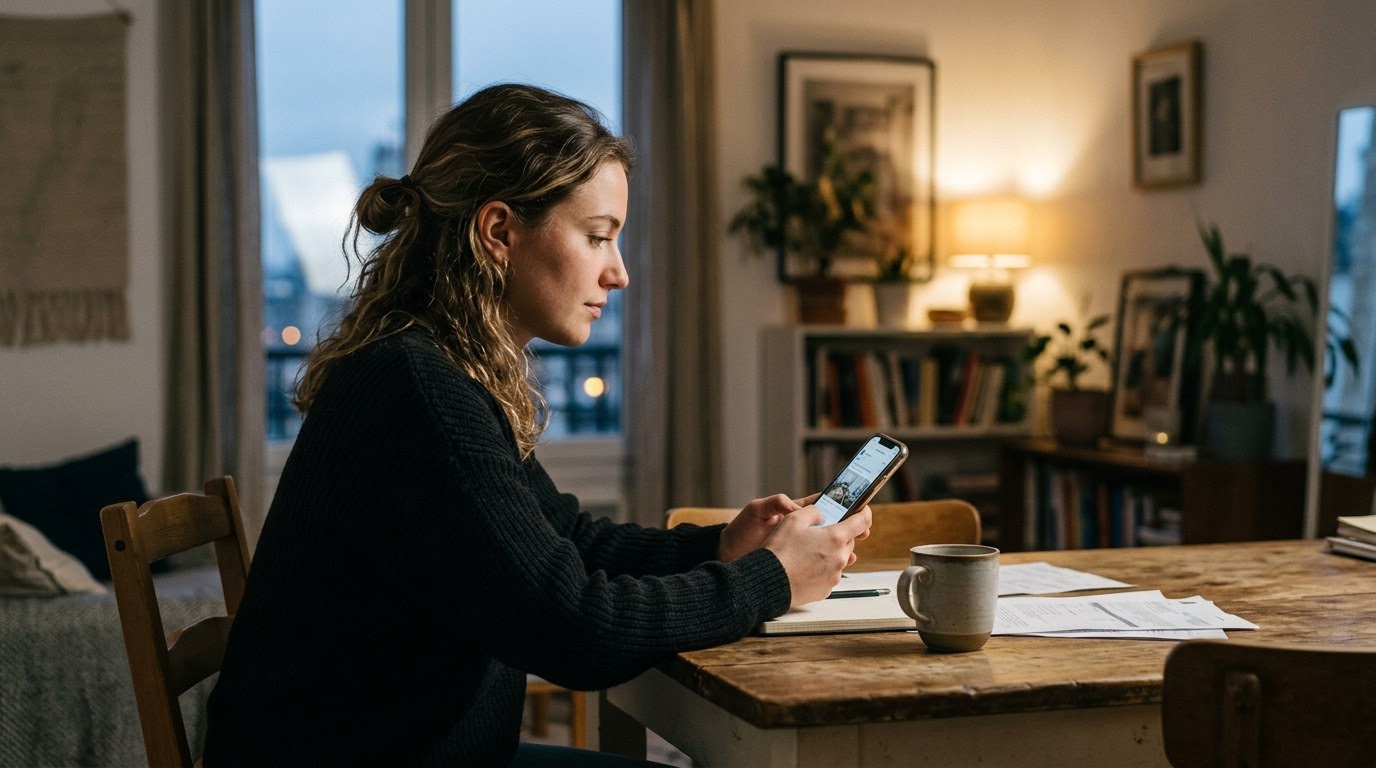
Finding a flexible sublet on social media can save you thousands of dollars, but peer-to-peer housing groups are flooded with unauthorized sublets and fake apartment listings designed to steal your move-in deposit. Falling for a fake rental post means losing substantial funds, forfeiting your security deposit, and potentially finding yourself stranded on move-in day with nowhere to live. Learning how to spot fake apartment sublet scams on social media relies on spotting subtle patterns in communication, payment demands, and identity discrepancies before you agree to send money. Before you hand over cash or sign an informal sublease agreement with an online contact, running a TrustCheck takes 60 seconds and ties a name to a real phone, real email, and a real digital footprint.
The Sublet Listing Prices the Unit Significantly Below Market Value
A sublet listed well below prevailing local market rates usually indicates that the poster does not own or control the property and is using cheap rent as clickbait. Scammers copy photos from legitimate real estate sites and offer luxury units for a fraction of the actual rent to generate rapid, emotional responses from desperate housing seekers. For example, Marcus found a renovated downtown loft listed on Facebook Marketplace for $800 per month in a neighborhood where studios average $2,200, only to discover the poster was using stolen photos from an active sales listing.
When you encounter a social media sublet listing that feels like an unbelievable bargain, your first step should always be an independent price check across local rental engines. Compare the stated monthly rent against similar properties in the exact same ZIP code or neighborhood block. If a listing offers fully furnished luxury amenities, utilities included, and private parking for half the going rate, the offer is almost certainly fraudulent.
To confirm whether the images are legitimate, perform a reverse image search—a free online process where you upload an image to a search engine to locate every page where that photo appears online. Scammers regularly harvest photos from active home sales on major real estate portals, re-posting them across local housing groups or community boards. If your reverse image search reveals that the exact apartment is currently listed for sale by a licensed real estate firm, the social media listing is an unauthorized copy designed to extract quick application fees.
The Poster Refuses an In-Person Showing or Live Video Walkthrough
An online contact who refuses an in-person viewing or a live, interactive video walkthrough is almost certainly attempting to hide the fact that they do not have physical access to the apartment. Fraudulent posters often invent elaborate excuses—such as working overseas, serving on military deployment, or dealing with a family emergency—to explain why they cannot show the unit. For instance, Elena inquired about a sublet on Instagram, but the poster claimed he was out of the country for medical work and could only mail keys after receiving a hold deposit.
Legitimate tenants looking to sublet their space will accommodate a physical walkthrough or, at minimum, a live video call where they walk through the unit while speaking with you in real time. Never accept pre-recorded video tours as proof of occupancy or ownership. Scammers frequently record short videos during open houses or re-share promotional clips published by high-rise luxury buildings.
During any live call or walkthrough, ask the person to show specific details, such as looking out the window to confirm the view matches the floor level or showing key fobs and mailboxes. If the poster insists that you view the property by looking through the windows from the exterior, or claims that a lockbox code will be released only after you transfer funds, break off communication immediately. Real renters who hold legitimate lease rights can provide verifiable proof of access before demanding financial commitments.
You Are Asked to Pay a Deposit via Non-Refundable Payment Apps
Demanding deposit funds through irreversible digital transfer channels indicates a high-risk transaction because these payment platforms do not offer consumer purchase protection for personal rental deposits. Fraudulent posters prefer these methods because money sent through these channels cannot be easily recovered once claimed. For example, David was asked to send a $1,200 hold deposit through an instant transfer app to reserve a room, only for the seller to delete their account and block his phone number five minutes later.
Peer-to-peer payment apps—digital cash transfer services built primarily for sending money between trusted friends and family members—do not treat rental deposits as protected commercial transactions. When you transfer money through these services to a stranger, the payment service treats the transfer as cash. If the person turns out to be a scammer, the platform will generally not reimburse your lost funds or reverse the transfer.
According to FTC data from 2024, rental and real estate fraud reported by consumers accounted for more than $430 million in financial losses, with direct bank transfers and instant peer-to-peer apps representing the primary payment methods used by perpetrators. Be equally cautious if a prospective sublessor asks for payment in gift cards, wire transfers, or cryptocurrency. Legitimate sublet agreements involve formal contracts, verifiable bank details, traceable checks, or payments processed directly through authorized property management portals.
A 2025 BBB report revealed that nearly 42% of online rental scam victims discovered the fraudulent listing through social media groups or peer-to-peer marketplaces. These figures highlight how frequently bad actors exploit informal social channels where identity checks are absent.
The Subletter Demands Urgent Action Before Involving Building Management
Manufactured urgency coupled with requests to bypass the primary landlord or property manager is a major red flag that the sublet is unauthorized or fake. Scammers press victims to transfer money immediately by claiming that multiple other renters are waiting to pay the deposit. For example, Sarah was told she had two hours to sign a draft sublet agreement and transfer $1,500 or lose the apartment, while the poster repeatedly warned her not to contact the front desk or building management office directly.
In legitimate subletting scenarios, a master lease—the primary binding contract signed between the property owner and the tenant—dictates whether subleases are legally permitted. Most apartment complexes require subtenants to complete a formal application, submit to standard building check-ins, and receive explicit written approval from the property management company before moving in. If a poster insists on keeping the sublet completely secret or instructs you to tell neighbors you are a visiting family member, you risk immediate eviction and total loss of your deposit if building security discovers the unapproved arrangement.
Scammers intentionally create high-pressure situations so you feel compelled to transfer funds before doing your due diligence. FBI Internet Crime Complaint Center records show that reported real estate scam incidents rose by over 12% between 2022 and 2025. Always insist on taking adequate time to review documents, verify permissions, and independently reach out to the property owner or leasing office to confirm that subletting is allowed for that specific unit.
The Social Media Profile Was Created Recently or Has Zero Digital Footprint
A recently created social media profile with minimal activity, generic photos, or inconsistent personal details usually indicates a burner account set up specifically for listing scams. Scammers create disposable social profiles—often called sock-puppet accounts—to post fake rentals across dozens of groups before abandoning the profile when victims report it. For example, Jordan noticed that the seller's account had only two friends, no previous post history, and a profile photo that matched a stock photography image.
Evaluating the online presence of anyone offering a peer-to-peer sublet is one of the most effective safety checks you can perform. Inspect their profile creation date, public post history, tag history, and comment interactions. Be cautious if their profile was registered within the past few months, if their location changes drastically across posts, or if public comments on their posts are locked or disabled.
Legitimate members of local housing communities typically have established digital footprints, including local mutual contacts, tagged photos, and consistent geographic activity. If a poster's name on social media differs from the name listed on the sublet contract, or if they give you an email address or phone number that does not match their online identity, pause the conversation immediately until you can verify who they actually are.
Comparing Safe Peer Sublet Practices vs. Fake Listing Red Flags
Comparing safe peer interactions against common listing red flags helps you evaluate suspicious rental posts across key operational dimensions before signing agreements or sending deposits. Examining behaviors like communication pressure, property access, payment channels, formal documentation, and identity transparency allows you to spot unauthorized sublets and protect your move-in budget before engaging in peer-to-peer housing transactions.
| Dimension | Safe Peer Sublet Behavior | Fake Listing Red Flag |
|---|---|---|
| Response Time & Pressure | Allows reasonable time (24–48 hours) for contract review and questions without high-pressure tactics. | Demands immediate deposit or contract signature within hours, claiming competing applicants are ready to pay. |
| Property Access | Arranges in-person tours or interactive live video walkthroughs showing property features and keys. | Refuses access due to remote work or emergencies; asks you to view exterior windows or sends stock videos. |
| Payment Methods | Accepts traceable payment methods or formal escrow accounts after written lease execution. | Insists on non-refundable instant peer-to-peer apps, gift cards, wire transfers, or crypto before showing unit. |
| Lease Approval | Provides written master lease authorization and connects you directly with building management. | Demands you keep the arrangement secret from landlords, building staff, or property managers. |
| Identity & Profile | Maintains an established digital presence matching their legal name, phone number, and official contract details. | Uses brand-new social accounts, mismatched names, disposable VOIP numbers, or stock profile pictures. |
What to Do if You Spot Fake Sublet Signs on Social Media
If you encounter warning signs during a social media sublet interaction, taking immediate structured steps will protect your financial assets and help prevent other housing seekers from falling victim to the same scheme. Following a systematic response process allows you to stop risky communication, verify identity details, confirm legitimate property ownership, and report unauthorized listing activities to platform administrators and local consumer protection authorities.
- Pause all communication and hold payments: Stop messaging the prospective sublessor immediately and do not transfer any hold fees, security deposits, or application charges regardless of high-pressure claims.
- Run an identity verification check: Run a TrustCheck on the prospective sublessor using their provided name, phone number, or email address to verify that their digital footprint matches who they claim to be.
- Contact property management directly: Look up the apartment building or property owner online independently—do not use phone numbers supplied by the poster—and ask the management office if the unit is approved for subletting.
- Report the post and account: Flag the listing and the user profile on the social media platform where you found the post, citing real estate scam or impersonation policies to help admins remove the fake post.
- Document evidence and notify payment services: Save screenshots of all chat conversations, listing photos, and payment requests; if you already transferred funds, contact your financial institution immediately to report fraudulent activity.
Evaluating peer-to-peer apartment sublets on social media requires healthy skepticism and careful step-by-step verification, but spotting warning signs early ensures you remain in complete control of your rental search. Trusting your gut when a price seems too good to be true or when a poster pushes for quick payment is your best protection against peer-to-peer real estate schemes. Taking a moment to pause and run a quick verification takes under 60 seconds and helps ensure that the person on the other side of the screen is genuine before you share personal details or hard-earned funds.
Frequently asked
How can I tell if a social media apartment sublet is legitimate?
To confirm a social media apartment sublet is legitimate, verify that the sublessor has explicit written authorization from property management, inspect the physical unit in person or through a live video call, and cross-check the poster's online identity before sending any deposit money.
Is it safe to pay a sublet deposit using peer-to-peer cash apps?
No, paying apartment sublet deposits through peer-to-peer cash apps carries severe financial risk because these payment platforms do not offer consumer protections for rental transactions. Use traceable bank transfers, certified checks, or formal escrow services only after signing an approved written sublease contract.
What should I do if a subletter refuses to show me the unit in person?
If a sublessor refuses to show you the apartment in person, refrain from transferring any money. Excuses involving working overseas, medical emergencies, or remote deployments are standard excuses used by fake posters. Insist on a physical tour or live video call before proceeding with any deal.
Can I get in trouble for renting an unauthorized sublet?
Renting an unauthorized sublet carries serious risks, including immediate eviction by property owners for master lease violations and complete loss of your move-in deposit. Building management can require unapproved occupants to vacate the premises immediately without refunding money paid to the fraudulent poster.
How can I independently verify who owns or manages a rental property?
To verify property management independently, search the apartment address online to find the official building office or owner records. Contact the management team directly using listed phone numbers rather than contact details provided by the social media poster to confirm if subletting is officially approved.