How to Spot Fake Delivery Agent Scams on Local Marketplaces
· 11 min read
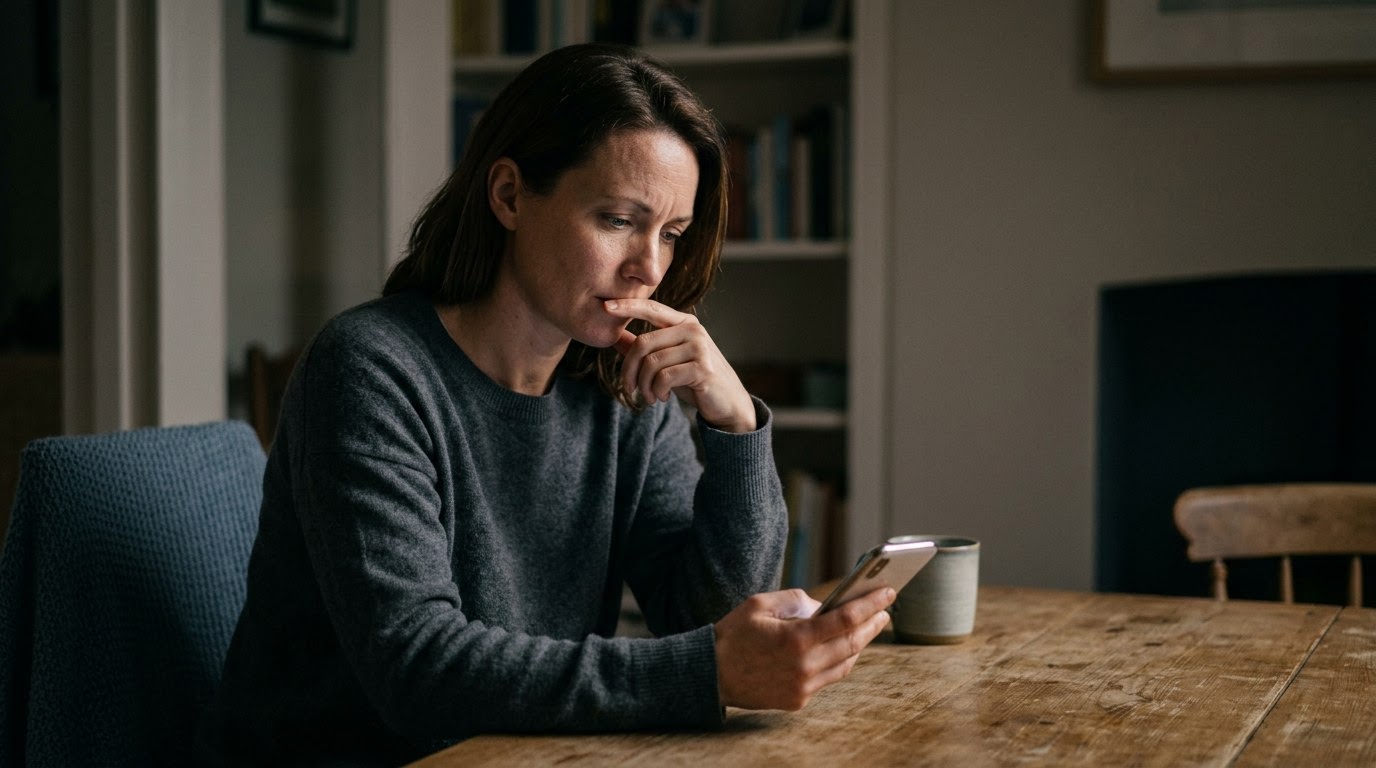
Selling a piece of furniture, an old phone, or a spare power tool on platforms like Facebook Marketplace, OfferUp, or Craigslist should be a straightforward experience. You list the item, negotiate a reasonable price, and arrange a safe local meeting. As of August 2026, however, online sellers are frequently targeted by deceptive tactics known as fake delivery agent scams. In this scheme, a buyer pretends to be enthusiastic about purchasing your item but claims they cannot pick it up in person due to work commitments, travel, or illness. Instead, they propose sending a courier service like FedEx, DHL, or UPS to hand you an envelope of cash and load the item. Shortly after, you receive fake corporate emails demanding that you pay an advance insurance fee or coverage deposit via digital payment codes before the driver can be dispatched.
Falling for this setup leads to quick financial loss and unwanted stress. FTC consumer reports indicate that online shopping and marketplace fraud accounted for over $390 million in reported losses in 2024. Knowing what signals to watch for keeps your money safe and protects your personal information. When a buyer's story feels slightly unnatural or overly urgent, running a TrustCheck takes 60 seconds and ties a name to a real phone, real email, and a real digital footprint.
Understanding How Fake Courier Schemes Target Local Sellers
Fake courier schemes exploit marketplace sellers by substituting a familiar commercial delivery service for an authentic in-person buyer. The scammer creates an impression of legitimacy by offering full asking price, adding extra money for your trouble, and promising cash payment upon pickup. However, the entire setup relies on fake communications designed to extract advance fee payments from you under the guise of insurance deposits or driver security fees before you realize no driver was ever assigned.
Understanding the underlying mechanics of this fraud helps you recognize why it succeeds against cautious sellers. Scammers frequently operate using automated templates and fake profile accounts. According to BBB published reports, non-delivery and fake courier scam incidents surged by 35 percent in 2023. By understanding that courier services never operate on cash-in-envelope pickup models for private sales, you can spot these fraudulent patterns early in the conversation.
The core mechanism relies on psychological manipulation rather than high-tech hacking. The scammer creates a sense of convenience—offering to handle all logistics so you do not have to leave your home. Once you accept, they pivot to demanding money for courier insurance or insurance activation tokens. They assure you that the buyer added this fee to the courier envelope, meaning you will supposedly be reimbursed. In reality, any money you send goes directly into the fraudster's pocket, and the promised courier envelope never exists.
The Buyer Immediately Offers to Send a Courier with Cash
When an online buyer offers to send a commercial delivery driver to your doorstep with cash in an envelope, it usually indicates a fake courier scam designed to trick you into paying advance fees. Legitimate buyers who cannot meet in person typically send a trusted friend or family member, or ask you to ship the item through standard marketplace channels. A composite example involves Sarah, who listed a table for $200; within minutes, a buyer insisted on paying $250 if Sarah agreed to let a DHL courier hand over an envelope of cash and pick up the furniture.
Commercial courier services like UPS, FedEx, or DHL do not offer cash-on-delivery pickup services where drivers carry envelopes of physical cash to purchase second-hand goods from private individuals. When a buyer suggests this setup, they are attempting to build initial trust before introducing fraudulent payment demands. Real buyers negotiate realistic meetups or pay through secure platform systems.
If a buyer claims this is standard policy for commercial couriers, recognize it as a major red flag. They will often overexplain why they are using this method, citing demanding work schedules, medical emergencies, or remote business travel. These stories are crafted to discourage you from asking basic practical questions or requesting standard local pickup options.
You Receive Requests to Pay Advance Courier Insurance Fees
An urgent demand to pay courier insurance, coverage fees, or deposit fees via digital gift cards or payment apps signals an immediate scam attempt. Real transport companies like UPS or FedEx collect shipping costs from the account holder who booked the shipment, never demanding that an item seller prepay insurance fees. For example, Mark posted a camera for sale and was contacted by a buyer claiming to use FedEx; soon after, Mark received an email appearing to come from FedEx requesting a $100 payment code to insure the package driver before pickup.
Scammers insist these insurance payments must be made through non-refundable channels, such as peer-to-peer payment apps, which are mobile services like Venmo or Zelle that transfer money directly between bank accounts, or retail gift card codes. They claim the buyer has already added this fee to the courier payment envelope, meaning you will receive the full amount back when the driver arrives. This promise of immediate reimbursement is completely false.
Once you pay the initial fake insurance charge, the scammer often invents additional fees. They may claim that insurance rates increased, or that an administrative hold requires another payment. Real delivery companies include insurance within their standard service packages charged directly to the account that arranged the shipment, never requiring third-party transfers from sellers.
Messages Move Quickly off the Marketplace Platform
Scammers push you to leave official platform chat tools for WhatsApp, SMS, or private email so they can avoid automated fraud detection filters and send phishing links without getting banned. Legitimate buyers are usually comfortable keeping conversation within Facebook Messenger or OfferUp until an in-person meeting is finalized. A classic case involved Elena, who listed an exercise bike; the buyer immediately sent a text number, insisting they only communicate via WhatsApp because the marketplace chat was "glitching," right before introducing the fake delivery scheme.
Marketplace messaging platforms monitor chat logs for common scam phrases, external links, and known fraudulent accounts. By convincing you to move the conversation to external text messaging or email, the scammer removes these safety protections. Off-platform channels also allow them to send phishing links, which are fake website addresses designed to steal login credentials and personal passwords.
When you stay on the official platform, marketplace security tools can warn you about suspicious account age, location mismatches, or high-risk message patterns. Insisting on keeping all chat history within the marketplace app is one of the easiest ways to filter out deceptive buyers who refuse to adhere to standard platform guidelines.
Notifications Arrive from Generic or Misspelled Email Addresses
Receiving official-looking pickup confirmations or payment receipts from free public domains like @gmail.com or domains with slight typos indicates a fraudulent impersonation campaign. Commercial couriers send automated notifications strictly from their official corporate web domains, such as @fedex.com or @ups.com. For instance, David received a payment confirmation supposedly from DHL, but hovering over the sender name revealed the actual email address was "[email protected]," complete with odd capitalization and urgent demands to buy reload cards.
Scammers rely on domain spoofing, a trick where scammers alter email header names to resemble legitimate company addresses while sending from unauthorized servers. They design these fake emails with official corporate logos, realistic tracking numbers, and professional formatting to create panic or urgent compliance.
Always inspect the full sender address rather than just the displayed sender name. If an email claims to be an official confirmation from a global transport enterprise but comes from an unverified domain or free webmail service, it is guaranteed to be fraudulent. Delete the message and break off contact with the buyer immediately.
The Buyer Refuses Video Calls or In-Person Identification
A total refusal to verify identity through a quick video call, phone conversation, or simple local check usually means you are communicating with an overseas scammer operating behind a stolen profile. Genuine local buyers rarely have issue speaking briefly on the phone or providing basic details when scheduling a local pickup. When Marcus asked a buyer to confirm their identity or speak on a phone call, the buyer claimed they were working offshore on an oil rig, claiming they could only communicate through automated email systems.
Fake delivery agent scams are frequently operated by international fraud networks that target sellers across multiple geographic regions simultaneously. Because these individuals are not located in your city and are using hijacked or synthetic profiles, they cannot participate in direct phone calls or video verifications.
When you ask for a simple identity confirmation or a short phone call to clarify pickup details, scammers usually respond with scripted excuses. They may claim poor cellular reception, physical hearing impairments, or extreme work hours. While genuine buyers might occasionally have scheduling constraints, total evasion of standard identity verification indicates high risk.
Overpayment Claims Demanding a Partial Refund
When a buyer claims they accidentally paid too much for shipping or insurance and asks you to send back the excess funds immediately, you are facing a classic overpayment scam. The payment notification you received is entirely fake or drawn from a fraudulent account that will eventually be reversed by the bank. In a common scenario, Rachel was told the buyer accidentally sent $500 instead of $150 for courier fees, urging Rachel to immediately wire the $350 difference before the bank caught the error.
This tactic creates artificial urgency and plays on your sense of honesty. The fraudster hopes you feel obligated to correct their "mistake" before you verify whether any money actually arrived in your account. The notification email or mobile alert you received was fabricated directly by the scammer.
If you ever receive an overpayment notification, never send funds back directly through peer-to-peer transfers or gift cards. Log into your financial accounts directly through official mobile apps or web portals to verify actual balances. Real overpayments should only be handled through official banking resolution channels, never through manual personal refunds.
Comparing Safe Marketplace Buyers and Fake Delivery Agent Scams
Evaluating online buyer behavior across key communication channels allows you to distinguish genuine local trade from deceptive courier schemes. Fake delivery agent scams consistently rely on pressure tactics, off-platform communications, and unusual payment demands like advance courier fees. Safe local buyers prioritize direct inspection, standard marketplace messaging, and straightforward cash or digital payments upon meeting. Comparing these behaviors across standard transaction dimensions highlights clear indicators that signal when you should stop communicating and verify who you are dealing with before taking any further financial risks.
| Transaction Dimension | Safe Marketplace Buyer | Fake Delivery Agent Scam |
|---|---|---|
| Communication Channel | Stays within official platform chat (Facebook, OfferUp, Craigslist) until local meeting is set. | Pushes immediately to leave the platform for WhatsApp, text messaging, or private email. |
| Pickup Method | Meets in person at a public location or sends a trusted local friend or relative. | Insists on sending a commercial courier (FedEx, DHL, UPS) to collect items and hand over cash. |
| Payment Requests | Pays exact agreed price in person using cash or direct app transfer upon inspecting the item. | Demands you pay upfront courier insurance or deposit fees via gift card or wire transfer. |
| Identity & Verification | Willing to share local details, answer phone calls, or verify identity. | Refuses phone calls, uses stolen profile photos, and rejects basic identity checks. |
| Urgency & Tone | Reasonable response time, flexible on pickup schedule, polite demeanor. | Extreme urgency, pushy language, emotional appeals, and threats if you delay payment. |
What to Do If You Spot These Red Flags
If you notice suspicious delivery agent claims, taking immediate protective steps prevents financial loss and secures your marketplace accounts. Halting communication, refusing off-platform money requests, and verifying the buyer's digital identity allow you to regain control over the transaction. Scammers rely on speed and panic to pressure sellers into sending money before evaluating the situation. Following a structured response plan ensures you document evidence, block malicious accounts, and safely report fraudulent activity to platform administrators and consumer protection agencies.
- Stop all communication immediately and refuse to send any money, payment codes, or retail gift cards under any circumstances.
- Run a TrustCheck to verify the buyer's real phone number, email address, and name before continuing any interaction.
- Report the buyer's account profile directly to the marketplace support team and flag any fraudulent messages or emails.
- Block the buyer's contact details across your phone, email accounts, and social media channels to prevent continued pushy requests.
- Document the interaction by saving chat screenshots, phone numbers, and email headers in case you need to submit evidence to authorities.
How to Protect Your Online Persona and Accounts Long-Term
Securing your online presence and understanding recovery options keeps you safe even if you occasionally encounter sophisticated scammers on resale sites. Once you recognize how fake courier schemes operate, you can implement protective daily habits across all your online accounts. Maintaining good digital hygiene reduces the chance that scammers can use your contact details for future impersonation attempts or phishing attacks.
Data released by the FBI Internet Crime Complaint Center revealed that online payment and buyer fraud losses exceeded $1.1 billion in 2025. If you inadvertently provided sensitive personal information or financial account numbers to a scammer, take immediate defensive measures. Place a temporary freeze on your credit reports with major credit bureaus, update your account passwords using strong unique passphrases, and enable multi-factor authentication across your primary email and banking portals.
Remember that falling targeted by a scammer is not a reflection of your intelligence or character. Fraud rings spend considerable resources crafting convincing logos, professional fake confirmation templates, and persuasive scripts. By staying informed, setting firm boundaries regarding in-person local pickups, and insisting on standard platform messaging, you can keep selling online with complete confidence and safety.
Trusting your intuition when an online deal feels ungrounded or unnecessarily complicated is your strongest asset. If a buyer promises an elaborate courier pickup complete with cash envelopes and advance insurance fees, pause and check the facts. Taking a moment to run a TrustCheck on an unknown buyer takes less than a minute and gives you clarity before you hand over goods or personal details.
Frequently asked
What is a fake delivery agent scam on online marketplaces?
A fake delivery agent scam occurs when a buyer pretends they cannot pick up an item in person and promises to send a courier like FedEx, DHL, or UPS with cash. Soon after, the seller receives fake emails demanding payment for non-existent courier insurance or deposit fees before pickup.
Do courier services like FedEx or UPS collect cash from sellers for pickup insurance?
No, legitimate transport services like FedEx, UPS, or DHL never require a seller to pay insurance fees or refundable deposits for a pickup arranged by a buyer. Any request asking a seller to pay courier fees using gift cards or digital payment apps is a fraud attempt.
Why do scammers want to move marketplace conversations to WhatsApp or text?
Scammers move conversations off marketplace platforms to evade automated security filters that detect suspicious links, fraudulent wording, and duplicate account patterns. Communicating outside official platform channels also makes it harder for marketplace administrators to review chat logs and ban fraudulent accounts.
What should you do if you already paid fake courier insurance fees?
If you sent money, contact your bank or payment provider immediately to request a chargeback or report fraud. File reports with local law enforcement, the Federal Trade Commission, and the platform where you met the scammer. Change your account passwords and monitor your financial statements closely.
How can you verify if a marketplace buyer is genuine?
You can verify a buyer by keeping communications on the marketplace platform, requesting a short phone call or video confirmation, and insisting on local in-person pickup with cash or secure direct transfer. Running a quick identity verification check also confirms if their provided contact details belong to a real person.