How to Spot Love Bombing Tactics Used by Online Scammers
· 10 min read
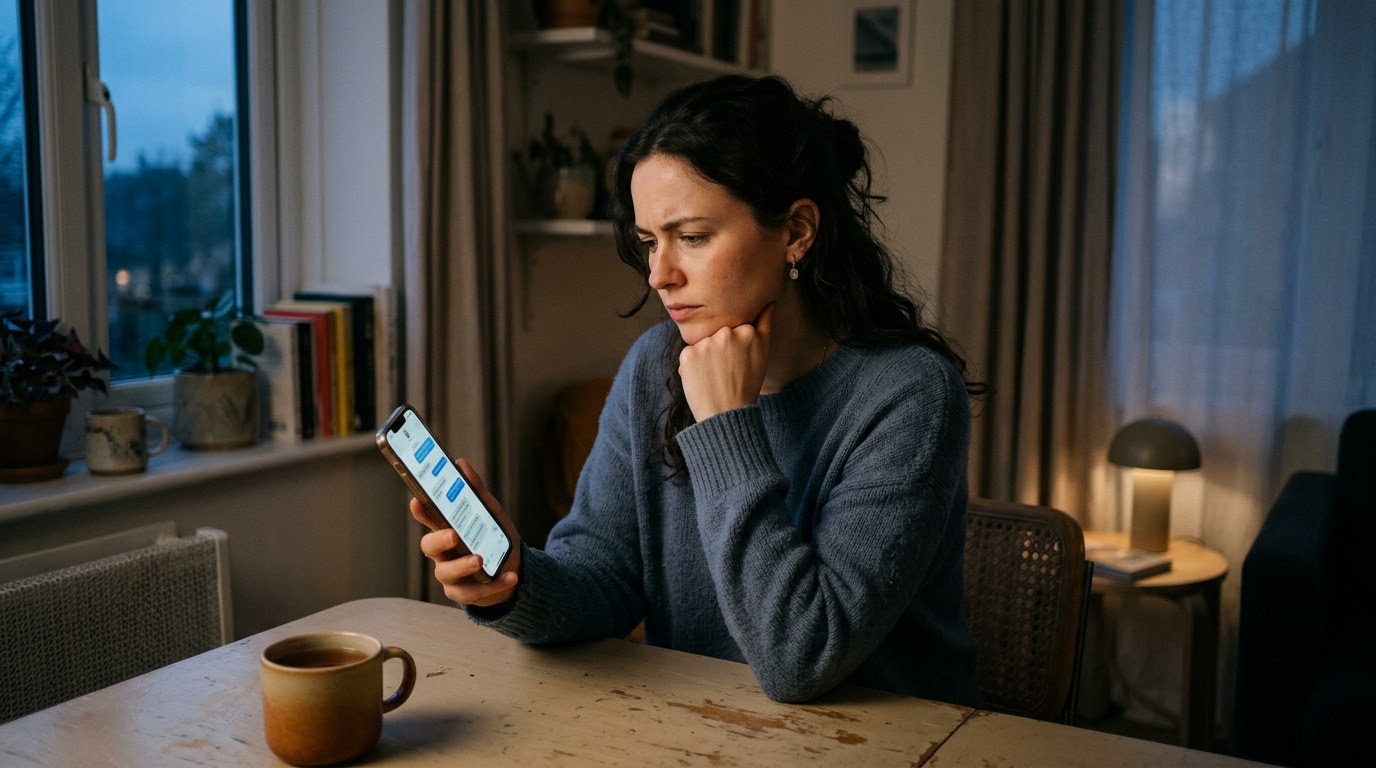
Love bombing is an aggressive emotional manipulation pattern where a stranger showers you with excessive affection, flattery, and grand promises to gain swift influence over your choices. When online fraudsters use this tactic, their goal is to bypass your natural safety boundaries and build overwhelming trust before introducing financial demands or physical risks. The financial and emotional toll of falling for this pattern can be devastating, leaving victims with emptied savings accounts and deep psychological distress. As of August 2026, digital deception has become highly sophisticated, but understanding how manipulation operates gives you the power to spot red flags before any harm occurs. When you feel a new connection moving too fast, running a TrustCheck takes 60 seconds and ties a name to a real phone, real email, and a real digital footprint.
Accelerated Intimacy and Unrealistic Soulmate Declarations
Accelerated intimacy is a manipulation tactic where an online contact declares intense love, pet names, or soulmate status within days of meeting. Scammers use this excessive early flattery to make you feel uniquely special and lower your natural critical thinking defenses before you can evaluate their actual identity. For example, Marcus, a composite victim, received daily romantic poems and soulmate declarations from an online match after chatting for only thirty-six hours.
When someone you have never met in person starts using terms of endearment like "my soulmate," "my future spouse," or "my forever love" almost immediately, it is a deliberate tactic to lower your guard. Authentic relationships require time to build mutual respect, shared experiences, and genuine understanding. In a scam scenario, early intensity acts as an emotional shortcut designed to trigger dopamine responses in your brain, making you far more receptive to future requests for help or funds.
Pay close attention to how quickly the conversation transitions from polite getting-to-know-you questions to grand declarations of destiny. A scammer will often tell you that they have never felt this way about anyone else, that fate brought you together, or that they knew you were the one from the very first picture. This manufactured intensity creates an artificial sense of urgency and obligation, making you feel guilty if you slow down the communication pace or ask probing questions about their past.
Healthy prospective partners respect your timeline and appreciate that real trust earns its place gradually. If someone pushes you to match their extreme emotional intensity immediately, step back. Real love leaves space for you to breathe, think, and verify who you are talking to without making you feel pressured.
Constant Overwhelming Communication and Boundary Testing
Constant overwhelming communication occurs when a new connection inundates you with messages all day long while quietly testing your personal boundaries. Scammers use this tactic to dominate your attention, monitor your availability, and condition you to comply with their frequent demands. Consider Sarah, a composite victim, whose online match sent over one hundred messages daily and became emotional whenever she failed to reply within minutes during her workday.
This endless flood of text messages, voice notes, and early morning good-morning texts feels flattering at first. You might assume you have found someone who is genuinely attentive and deeply interested in your daily life. However, this level of constant contact serves a darker tactical purpose. By occupying every spare moment of your day, the scammer prevents you from reflecting clearly on the relationship or discussing the person with friends and family members who might notice glaring inconsistencies.
Boundary testing begins early in this phase. A fraudster will gently push past your established boundaries to see how much control they can exert. They might ask you to stay up late talking despite knowing you have an early workday, or express hurt feelings when you spend time with family instead of texting them. If you apologize for having a life outside of your phone, they have successfully established a pattern of emotional compliance that they will leverage later when requesting money or personal identity information.
Notice how they react when you set a simple boundary, such as putting your phone away during work hours or taking an evening to relax alone. A safe, genuine person respects your schedule and personal space. A manipulator reacts with suspicion, passive-aggressive guilt trips, or accusations that you do not care about them enough.
Isolating You From Friends, Family, and Reality Checks
Isolating behavior involves subtly driving a wedge between you and your personal support network by casting doubt on the motives of your loved ones. Scammers do this because trusted friends and relatives often spot inconsistencies and red flags that you might overlook while swept up in manufactured romance. In a composite example, David's online partner convinced him that his sister was jealous of his happiness, encouraging him to keep their romance entirely secret.
Isolation rarely looks like an outright demand to cut off your loved ones right away. Instead, it begins with quiet observations and passive-aggressive comments. The scammer might suggest that your friends do not truly understand your heart, or that your family members are overly skeptical and unsupportive of your happiness. They frame their isolation efforts as protective measures, claiming that your special connection must remain private to prevent outside interference.
According to FTC data from 2024, reported losses to romance scams exceeded $1.3 billion nationwide, driven heavily by isolation techniques that separate individuals from their traditional support networks before financial demands are made. When you are isolated, you lose your personal sounding board. You no longer have a trusted friend asking why this person has never met you on video or why they require urgent wire transfers. Without these crucial reality checks, you become increasingly reliant on the scammer's narrative and rationalizations.
If an online contact encourages secrecy, asks you not to post about them, or urges you to keep your conversations hidden from relatives, consider it a major warning sign. Legitimate partners welcome the opportunity to integrate into your life and meet the people who matter most to you.
Premature Grand Schemes and Future Pacing Without Physical Meetings
Future pacing occurs when an online contact creates elaborate plans for a shared future, such as buying property or planning trips, long before meeting in person. Scammers use these detailed fantasies to anchor your mind to an ideal life together, making eventual requests for emergency financial help feel like small bumps on the road to a real relationship. For instance, Elena spent weeks planning a home purchase with a match who soon requested cash for alleged customs fees.
Future pacing leverages your personal hopes and long-term dreams against you. The fraudster asks probing questions early in the interaction about what kind of life you want, where you want to live, and what your ideal retirement looks like. Once you reveal your desires, they mirror those exact goals back to you. Suddenly, they share every single dream you have ever held, portraying themselves as the precise partner you have spent years hoping to find.
The danger of future pacing lies in how it reshapes your perspective on financial and personal risk. When the scammer eventually claims that an unexpected crisis threatens your upcoming trip to see each other or blocks the release of their inheritance, you are not just giving money to a stranger. You feel as though you are paying to protect the future you spent weeks building together in your mind. FBI reports from 2025 indicated that over 19,000 individuals filed complaints regarding romance-related fraud schemes, with future pacing playing a central role in high-dollar wire fraud losses.
Keep your feet grounded in present reality. If you have not shared physical space, shared a cup of coffee, or verified their identity beyond reasonable doubt, any talk of marriage, joint real estate, or shared bank accounts is entirely fictional.
Sudden Shift From Intense Devotion to Urgent Financial Crises
The sudden financial shift happens when an affectionate contact unexpectedly claims to face a devastating emergency requiring wire transfers, gift cards, or cryptocurrency. Scammers build early emotional trust specifically to convert that affection into immediate financial payments. In a composite case, Robert transferred five thousand dollars to his online partner after she claimed her child had an emergency surgery abroad and needed immediate hospital funds.
This phase represents the ultimate goal of the love bombing tactic. Once the scammer feels you are emotionally invested and isolated from external guidance, the romantic tone shifts into high-stakes drama. The emergency is almost always catastrophic, urgent, and highly emotional. Common fabrications include detained business cargo, sudden legal troubles while abroad, emergency medical surgeries, or frozen bank accounts preventing them from buying a plane ticket to visit you.
Notice how the love bombing does not stop during the financial ask; rather, it intensifies. They tell you that you are their savior, their last hope, and the only person in the world they trust. They weaponize the emotional foundation built during the early weeks, making you feel as though refusing to send money is a betrayal of the love you share. If you hesitate or ask questions, the tone may rapidly swing from loving adoration to intense guilt, accusation, or anger.
Never send money, purchase gift cards, wire funds, or share personal banking credentials with someone you have only met online. Genuine individuals facing real emergencies rely on local family, banks, embassies, or official relief channels—not online romantic contacts they have never met in person.
Elusive Video Calls and Fabricated Excuses for Distance
Elusive video behavior is when an online partner consistently creates excuses to avoid live video chats, phone calls, or real-life meetings. Scammers use stolen photos or synthetic profiles, meaning live video calls will expose their true identity and shatter the illusion. In a representative case, Lisa spent months trying to video chat with a supposed military officer who always cited security protocols, bad signals, or broken camera equipment whenever a call was scheduled.
In modern online interaction, clear audio and high-definition video calls are readily accessible from almost anywhere on earth. When a contact refuses to jump on a brief video call or cancels at the very last minute, it is almost never a coincidence. A fraudster will often claim they work in high-security environments, such as offshore oil rigs, overseas military bases, or international construction projects, specifically because these locations offer believable excuses for poor connectivity.
Pay attention to the discrepancy between their technical capabilities. A person who can send fifty high-resolution selfies and voice messages throughout the day can certainly execute a ten-second live video call. If they claim their phone camera is broken, that military protocol prevents video, or that video apps crash their phone, recognize these assertions for what they are: deliberate evasion techniques designed to keep you from discovering that the person in the photos is not the person sending the messages.
A legitimate contact who wants to build a authentic relationship will welcome a video call to prove they are real and put your mind at ease. Continued avoidance of basic video checks is one of the clearest indicators that you are interacting with a fraudulent profile.
Comparing Authentic Relationships vs. Love Bombing Scams
| Interaction Dimension | Authentic Early Relationship | Love Bombing Scam Behavior |
|---|---|---|
| Pace & Communication | Gradual growth; respects your schedule, sleep, and personal life. | Incessant messaging; demands immediate replies and dominates your time. |
| Declarations of Feeling | Affection builds over time based on real shared experiences. | Premature soulmate declarations and intense devotion within days. |
| Identity & Video Verification | Eager to video chat and arrange real-life public meetings early. | Repeated excuses for canceling video chats, calls, or in-person visits. |
| Social Integration | Encourages you to talk to friends and wants to meet your network. | Urges secrecy, criticizes your family, and isolates you from advice. |
| Financial & Personal Requests | Never asks for money, gift cards, bank access, or financial favors. | Creates sudden high-stakes emergencies requiring urgent financial aid. |
What to do if you spot these signs
- Pause communication immediately: Take a step back from the daily flood of messages. Give yourself forty-eight hours of space to review the relationship objectively without emotional pressure.
- Verify their identity credentials: Confirm that the person behind the screen is who they claim to be. Running a TrustCheck allows you to confirm if their phone number, email address, and name align with a legitimate identity.
- Perform a reverse image lookup: Upload their profile pictures to search engines to see if the photos belong to a public figure, a commercial stock model, or a completely different person.
- Consult a trusted outside contact: Share the full story, including text screenshots, with a close family member or friend. Listen carefully to their unbiased perspective.
- Maintain a strict financial boundary: Never send wire transfers, gift cards, cryptocurrency, or sensitive personal data to someone you have not verified and met in person, regardless of the emergency described.
Trusting your gut is always valid when something feels off in a new relationship. Taking 60 seconds to perform a simple verification with TrustMatch gives you the clarity you need to protect your heart and your funds.
Frequently asked
What is love bombing in online dating?
Love bombing is an aggressive manipulation strategy where someone floods you with excessive attention, praise, and romantic promises early on. Scammers use this tactic to build overwhelming emotional trust quickly, lowering your natural defenses so they can later request money or sensitive personal information.
How quickly do scammers declare love?
Scammers often express intense romantic feelings, declare you their soulmate, or use pet names within just a few days or hours of chatting. This accelerated pace is designed to establish artificial intimacy before you have time to objectively evaluate their background or identity.
Why do love bombers try to isolate you from family?
Isolating you prevents friends and relatives from pointing out inconsistencies, technical excuses, or red flags in the story. By convincing you to keep the relationship private, scammers ensure they remain your sole source of validation and guidance.
What should I do if an online contact asks for money?
Never send money, cryptocurrency, or gift cards to someone you have only met online. Pause all communication immediately, report the profile to the dating platform, and consult a trusted friend or identity verification service to inspect their claims.
Can someone video chat and still be a romance scammer?
Yes. While many scammers avoid video entirely, some use pre-recorded clips, deepfake technology, or brief low-quality video streams to mimic real interaction. Always combine video checks with independent verification of their name, phone, and digital history.