What to Do When an Online Match Asks for Your Driver License
· 10 min read
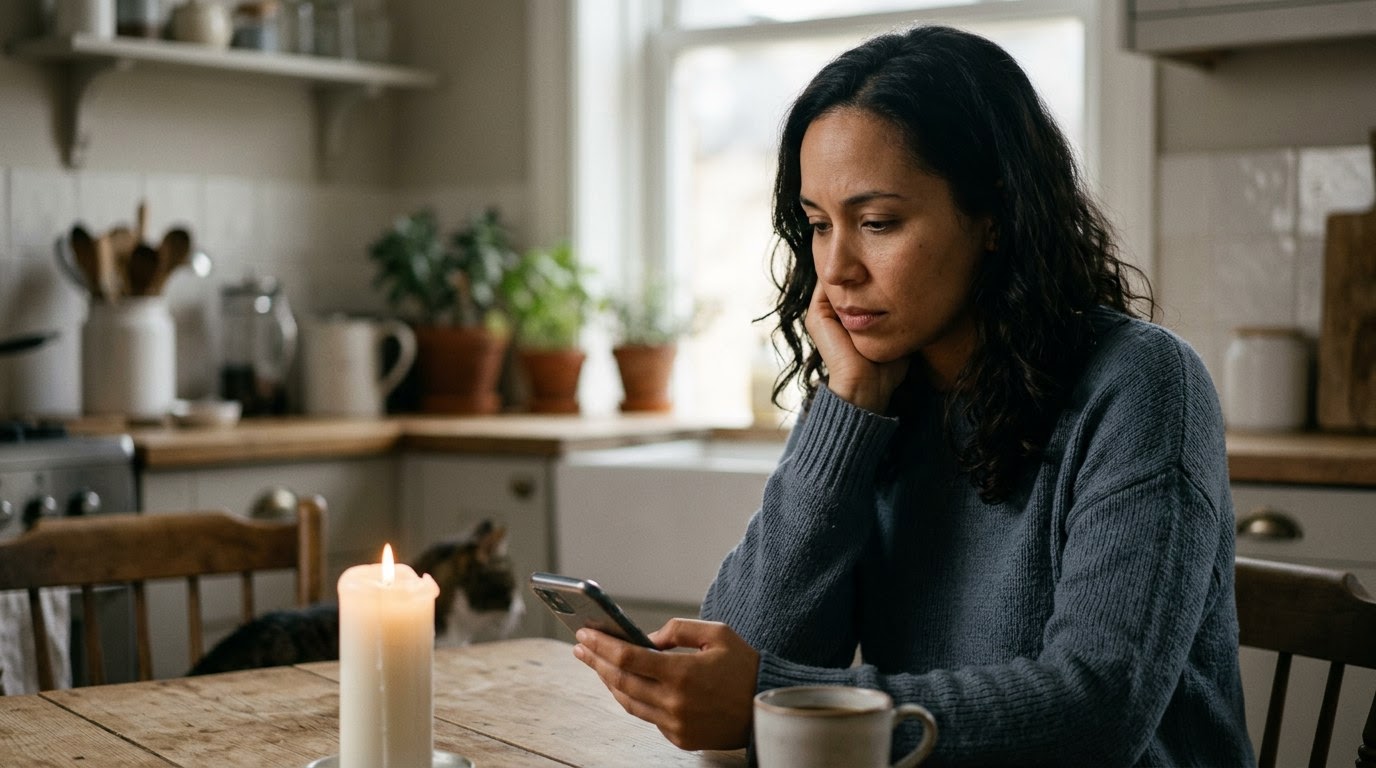
As of September 2026, online dating and private digital interactions have made personal safety a top priority for everyone. When you match with someone new, wanting to feel secure before meeting in person is completely natural. However, online fraudsters have learned to exploit this safety mindset by turning standard security precautions into tools for identity theft and financial manipulation. When an online contact demands a photo of your driver's license, passport, or state identity card under the banner of mutual safety, your alarm bells should sound immediately. A driver's license contains high-value PII—personally identifiable information, which refers to sensitive data like your full legal name, home address, date of birth, and license number that uniquely establishes your legal identity. Handing this document to an unverified stranger opens the door to identity theft, unauthorized line-of-credit applications, and complete compromise of your digital financial footprint. Luckily, running a TrustCheck takes 60 seconds and ties a name to a real phone, real email, and a real digital footprint, giving you total clarity without exposing sensitive personal documents.
What to Do When an Online Match Asks for Your Driver License
When an online match asks for your driver's license, you should decline the request immediately and offer a non-sensitive verification alternative like a brief video call. Scammers ask for driver's licenses to harvest high-value personal data for identity theft, bank fraud, or extortion while claiming they just want to ensure personal safety. For instance, Sarah matched with a man named "Marcus" who refused to meet for coffee unless Sarah texted a photo of her driver's license, which he later used to open fraudulent credit accounts.
Understanding why an online contact wants your driver's license requires looking at how digital fraud operates today. A state-issued driver's license is one of the most complete identity assets available in the physical and digital worlds. It displays your legal full name, physical home address, exact date of birth, license number, organ donor status, and physical traits. In the hands of a bad actor, this single photo provides every data point required to answer security questions, impersonate you to customer support agents, or initiate synthetic identity fraud.
Synthetic identity fraud occurs when a criminal combines real personal data, such as your legal name and birth date, with fake information to build a brand-new credit profile. Because your driver's license carries official state branding, scammers can also use your document image to trick third parties into believing they are dealing directly with you. They might post your license image online to establish fake credibility with other potential victims or use it as collateral in private selling scams across social marketplaces.
If an online match brings up identity verification, evaluate whether their request aligns with typical social norms. Genuine suitors rarely ask for official government documentation prior to a casual first meeting. If someone insists that presenting a state driver's license is their mandatory baseline for an initial coffee date, they are creating an artificial barrier designed to put you on the defensive. Declining firmly protects your financial and personal security.
Red Flag 1: The "Mutual Safety Verification" Trap
The mutual safety trap occurs when an online match weaponizes self-defense language to pressure you into sharing government identity documents. Scammers construct elaborate stories about past dangerous dates or safety anxieties to make you feel guilty for hesitating. For example, Jason met "Elena" on a popular dating app, and she sent him a picture of a driver's license—which was actually stolen—demanding Jason send his ID in return to establish mutual trust, before blocking him as soon as he complied.
This tactic works because it directly targets your empathy, politeness, and sense of fairness. When someone shares what appears to be a personal, private document, reciprocity bias leads you to feel obligated to return the gesture. Scammers exploit this psychological vulnerability deliberately. They maintain a repository of stolen driver's licenses harvested from previous targets, using those stolen credentials to build false trust with new contacts.
When "Elena" sent Jason a license photo, she was not sharing her own document; she was passing along the stolen credentials of a victim from three months prior. Once Jason reciprocated by sending his genuine driver's license, his document entered the scammer's operational inventory to be used against future matches. This creates a chain of stolen identity assets used to trick dozens of unsuspecting victims.
A genuine individual focused on personal safety will understand why you do not want to share government identity cards with an unverified contact. True safety practices rely on low-risk verification actions, such as meeting in populated public venues during daylight hours or conducting a short video conversation. Anyone who demands government identification while accusing you of not caring about their personal safety is using emotional manipulation to overcome your standard boundary checks.
Red Flag 2: Asking for a Selfie Holding Your Driver's License
Asking for a selfie holding your driver's license is a primary indicator of financial account takeover attempts and fraudulent account creation. Scammers demand this specific photo pattern because major online banks, payment processors, and cryptocurrency platforms require a document-and-face match during automated identity checks. For instance, Maya's online match claimed he needed a photo of her holding her ID to verify she was not an automated bot, but he actually used the photo to bypass identity checks at a digital currency exchange.
This request represents one of the most dangerous escalations in online communication. Automated financial account opening procedures rely on modern KYC requirements—Know Your Customer requirements—which are federal legal regulations forcing financial institutions to verify the identity of new users before granting account access. Modern KYC systems often demand a real-time photograph of an applicant holding their physical driver's license right next to their face to prove physical possession.
When you provide a selfie holding your license, you hand over the exact biometric verification asset required to pass identity checks on crypto exchanges, online loan portals, and digital banking platforms. Scammers take your submitted image, upload it directly to financial platforms, and establish accounts under your legal identity. These accounts are subsequently used to launder money, receive illicit wire transfers, or execute fraudulent transactions that trace directly back to your legal profile.
According to FTC data from 2024, consumers reported losing over $1.3 billion to romance scams, with fraudsters frequently leveraging stolen identity assets to open shadow accounts. An FBI report in 2025 highlighted that identity theft complaints involving stolen government identification cards increased by 18% nationwide. Never take a photo holding your government ID for anyone you met online, regardless of how convincing their story may sound.
Red Flag 3: Pressuring You Off-App Before Establishing Baseline Trust
Pressuring you to move off a dating app onto external messaging platforms early in conversation is a classic tactic used to bypass safety controls. Scammers initiate rapid channel migration because dating platforms actively monitor chats for sensitive keyphrases, such as requests for driver's licenses or bank details. For example, David's match insisted on moving to an encrypted text app after just three messages, immediately demanding his state ID once they were away from the dating platform's safety algorithms.
Dating platforms continuously refine their automated anti-fraud detectors. These internal safety systems look for known scam language, links to malicious sites, and requests for identity documents or money transfer apps. When a bad actor asks for a driver's license directly on a major dating app, automated moderation tools frequently flag the profile for human safety review or ban the account instantly.
To evade these safeguards, scammers construct plausible excuses to leave the platform immediately. They may state that their app subscription is expiring, that they rarely check dating app notifications, or that they prefer private messaging apps. Once you move to SMS, WhatsApp, or Telegram, the dating platform loses all visibility into the exchange, effectively removing your primary technical safety net.
A 2024 AARP study found that nearly 30% of adults who shared personal identity documents with an unverified online contact experienced attempted identity fraud within twelve months. Retaining your communications within the official app for as long as possible preserves built-in reporting mechanisms and automated risk detection systems. If a match gets defensive or angry when you decline to move off-app right away, consider that response a clear indicator of bad intent.
How Safe Matches Handle Verification vs How Scammers Act
Comparing behavioral patterns between genuine suitors and fraudulent actors makes it easy to spot risks early in an online interaction. Legitimate contacts prioritize gradual trust building, respect your privacy boundaries, and willingly accept low-risk verification methods like quick video chats. For example, when Alex told a legitimate match that she preferred not to share personal documents before meeting, the match completely agreed and suggested grabbing coffee at a busy local cafe instead.
To help you quickly evaluate whether an online interaction is on a healthy track, review the key operational differences between genuine matches and potential scammers across five critical behavioral dimensions.
| Behavioral Dimension | Safe Match Behavior | Scam Match Behavior |
|---|---|---|
| Request for Identity Documents | Never asks for state ID, driver's license, or passport photos prior to meeting in person. | Demands official government identification under the guise of mutual safety or establishing trust. |
| Reaction to Privacy Boundaries | Respects your refusal immediately and offers simple, privacy-safe verification alternatives. | Becomes defensive, guilt-trips you, or accuses you of being dishonest or hiding something. |
| Communication Pacing | Moves at a natural pace that allows mutual comfort and genuine trust to grow over time. | Creates an artificial sense of urgency or pushes rapidly to move off-app within minutes. |
| Verification Preferences | Agrees readily to short video calls, voice notes, or meeting directly in public places. | Rejects live video calls citing weak connection, camera broken, or strict job protocols. |
| Financial & Data Topics | Keeps conversations focused on personal interests, hobbies, family, and mutual life values. | Steers conversation toward financial assets, identity proofs, cryptocurrency, or money transfers. |
Safe Alternatives for Age and Identity Verification
You can easily verify an online match's age and authentic physical appearance without ever revealing government identity cards or home addresses. Safe methods include requesting a quick pre-meetup video call or sending brief voice notes to confirm physical traits. For instance, Elena suggested a brief two-minute video chat over a secure messaging platform before meeting her match for lunch, which effortlessly confirmed his identity without putting her sensitive identity details at risk.
Video calls serve as the ultimate low-friction verification tool for modern dating. A live video conversation lasting just sixty seconds allows both parties to verify that the person on screen matches their profile photos in real time. Scammers utilizing stolen profile photos or stolen driver's licenses will almost always decline live video chats, offering predictable excuses such as poor internet connectivity, damaged camera lenses, or strict job protocols.
In addition to video chats, you can rely on established digital presence checks. Authentic individuals typically possess a consistent digital footprint across multiple public platforms over several years. You can check whether their stated employer, location, and social activity align logically without ever demanding private documents or sensitive records.
If an online contact insists that a live video call is insufficient and continues demanding government documents, they are prioritizing identity collection over real human connection. Never compromise your personal safety protocols to accommodate someone who refuses simple, standard verification options.
What to do if you spot these signs
- Pause communication and do not share additional documents. Stop messaging the match immediately if they demand driver's license photos, state ID scans, or selfies holding credentials. Do not attempt to confront them, as scammers often use confrontation to refine their tactics or exert additional psychological pressure.
- Run an identity check on the details you have. Run a TrustCheck to cross-reference the details you have been given against verified public and digital records without revealing your own personal information. This helps confirm whether the person's name, phone number, and email address align with a real digital footprint.
- Freeze your credit reports if you already shared your document. If you already sent a photo of your driver's license, place a fraud alert or credit freeze with major credit bureaus such as Equifax, Experian, and TransUnion. This prevents unauthorized individuals from opening new financial accounts using your compromised driver's license details.
- Report and block the profile on the platform. Use the dating app or social platform's reporting feature to flag the account for document extortion or identity theft attempts. Reporting the profile helps platform moderators ban the account and protect other users from targeted scam attempts.
- Document the interaction and monitor your digital security. Take screenshots of the chat history, including the driver's license requests and any contact information provided. Secure your primary email and bank accounts by enabling multi-factor authentication—a security process requiring two distinct identification factors to access an account—to prevent unauthorized takeovers.
Trusting your gut feeling when an online interaction feels off is your best defense against identity theft and scam tactics. You should never feel obligated to hand over state identification, driver's licenses, or personal document photos just to prove your authenticity to a stranger online. When you want peace of mind before taking an online connection into the real world, you can run a TrustCheck anytime to clear the air before stepping into a real-life meetup.
Frequently asked
What should I do if I already sent a photo of my driver's license to an online match?
If you already shared your driver's license, immediately place a fraud alert or credit freeze with Equifax, Experian, and TransUnion. Monitor your bank accounts for unauthorized activity, enable multi-factor authentication on critical digital accounts, and report the scam profile to the platform where you met.
Why do scammers specifically ask for a selfie holding a driver's license?
Scammers ask for a selfie holding your ID because automated identity verification checks at banks, crypto exchanges, and financial portals require it. This specific photo gives fraudsters the exact biometric and document proof needed to open accounts or execute financial takeovers in your legal name.
Can someone steal my identity with just my driver's license number?
A driver's license number alone combined with your full name, home address, and birth date provides enough personal data to initiate synthetic identity theft, bypass basic customer support security checks, or target your financial accounts. Always protect your physical ID details with strict boundaries.
Is it ever safe to share a driver's license before meeting an online date in person?
No, sharing state identification or driver's licenses with an unverified online date is never recommended. Legitimate matches will respect your privacy concerns and accept non-sensitive verification alternatives, such as meeting in a crowded public location or participating in a short live video chat.
How can I safely verify an online match without sharing government identification?
You can safely verify an online match by scheduling a brief one-minute live video call, exchanging real-time voice notes, or meeting in a public daylight environment. These low-risk methods easily confirm that physical traits match profile photos without exposing sensitive personal documents.
More in Safety
- What to Do When a Dating Match Asks for Wi-Fi Access
September 16, 2026
- What to Do If an Online Match Asks for Your Workplace Location
September 14, 2026
- How to Use Burner Phone Numbers Safely When Online Dating
September 11, 2026