How the Google Voice Verification Code Scam Targets Marketplace Sellers
· 9 min read
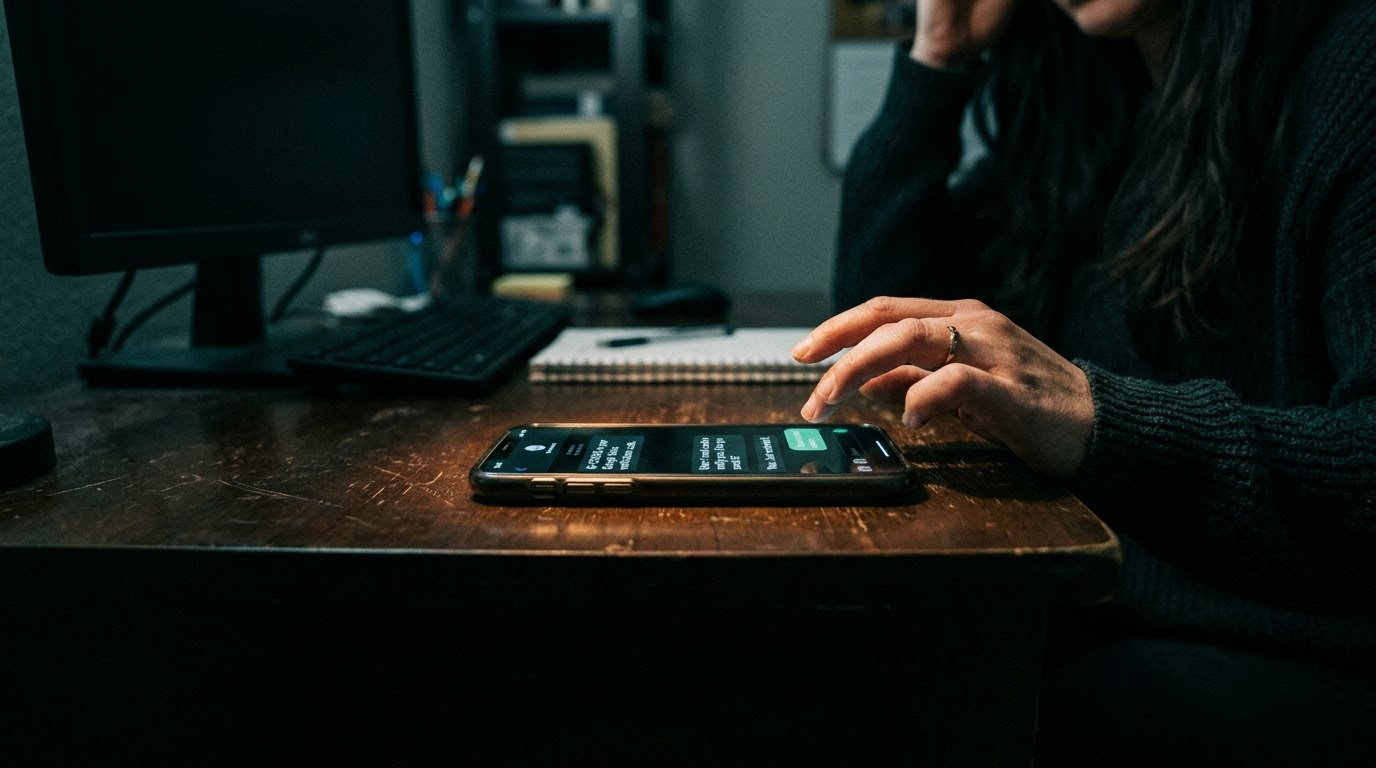
How the Google Voice Verification Code Scam Targets Marketplace Sellers is a crucial pattern for any casual vendor on Facebook Marketplace, Craigslist, or OfferUp to understand before listing an item. While victims rarely lose direct funds from their bank accounts in the initial exchange, the hidden cost involves total identity hijacking, phone line exploitation, and potential exposure to financial fraud. FTC data published in 2025 revealed that imposter fraud and verification code schemes accounted for over $2.7 billion in reported consumer losses during 2024. As of August 2026, cybercriminals are automating this playbook to generate thousands of verified virtual numbers daily, turning innocent peer-to-peer sellers into silent accomplices for secondary fraud networks.
How the Scam Unfolds
The Google Voice verification code scam unfolds through a structured seven-step playbook where a fraudster poses as an eager buyer on a peer-to-peer marketplace. By creating an artificial sense of urgency and requesting a six-digit security code sent to the seller's phone under the guise of "proving identity," the scammer tricks the victim into authorizing a new Google Voice account tied to the victim's personal mobile number. The scammer then uses this new number to carry out untraceable fraudulent activities across the web.
- The Marketplace Listing Publication: A seller lists an item—such as a sofa, a used smartphone, or a baby stroller—on a public platform like Facebook Marketplace, Craigslist, or OfferUp. To make communication convenient, the seller includes their mobile phone number directly in the listing or responds promptly when a buyer asks to move off-platform to text messaging. This exposes the seller's active mobile line to automated scraping tools used by scam syndicates.
- The Instant, Overly Eager Buyer Contact: Within minutes of the listing going live, the scammer initiates contact. The buyer does not ask customary questions about the item's condition, price flexibility, or pickup location. Instead, they express immediate enthusiasm, agreeing to the full asking price without negotiation, and insist on picking up the item immediately or sending a courier to collect it.
- The Manufactured Trust Hook: Before committing to the purchase or sending money via cash apps, the scammer claims they have been burned by fake listings in the past. They state that they need to verify the seller is a real, trustworthy person living in the area. The scammer says, "I am going to have a verification service send a six-digit code to your phone. Read it back to me so I know you aren't a bot or a scammer."
- The Code Triggering Event: While communicating with the seller, the scammer opens Google Voice on their own device and inputs the seller's mobile phone number to set up a new virtual phone line. Google's automated security system immediately sends an SMS text message to the seller's mobile phone containing a six-digit authentication code. The text message explicitly states, "Google Voice code is XXXXXX. Don't share it with anyone else."
- The Exploitation of Inattention: The seller receives the text message while mid-conversation with the buyer. Because the scammer framed the code as an identity check, the seller skims past the warning text from Google and reads the six digits aloud or sends them in a text message. The seller believes they are simply passing an anti-bot check to complete a legitimate transaction.
- The Account Hijack and Linkage: The scammer inputs the six-digit code into Google Voice. Google verifies the code, establishing a new virtual telephone line controlled entirely by the scammer but legally anchored to the seller's personal mobile number. The scammer now possesses an anonymous, functional phone line that routes back to the seller's real identity.
- The Ghosting and Secondary Fraud Launch: Once the code is entered, the scammer immediately ceases contact regarding the marketplace item, blocking the seller's number or deleting the profile. The scammer then uses the newly minted Google Voice number to execute high-volume phishing schemes, fake rental property postings, romance scams, and advance-fee fraud on other victims, leaving a digital paper trail that points directly to the innocent marketplace seller.
Anatomy of the Scammer's Script
Understanding the gap between a scammer's promises and their actual underlying mechanism is essential for marketplace safety. The table below breaks down the typical messaging used during each stage of the Google Voice code fraud playbook.
| Stage of the Scam | What the Scammer Says | What Is Actually Happening |
|---|---|---|
| First Contact | "Is this still available? I will pay full price right now. Text me at my personal number so we can coordinate." | The scammer uses automated bots to harvest active cell phone numbers off marketplace listings and move conversations off secure, monitored platform messaging. |
| The Verification Trap | "I have been scammed before by fake sellers. I just sent a code to your phone from a verification system to make sure you are real." | The scammer has entered your personal mobile number into Google Voice's account creation portal to trigger an official authentication SMS to your device. |
| The Code Request | "Please text me back those 6 digits right away so I can send you the deposit and confirm pickup time." | The scammer is attempting to bypass two-factor authentication so Google assigns your phone line as the forwarding anchor for their illegal virtual number. |
| The Double-Dip Attempt | "That code expired! Let me send another one. Send me the new digits quickly." | The scammer either typed the code incorrectly or is attempting to claim a second phone number or access another service linked to your identity. |
| The Abrupt Exit | [No reply, account deleted, or number blocked] | The scammer has secured the virtual line, abandoned the pretense of buying your item, and deployed the line into secondary fraud operations. |
Who Gets Targeted and Why
Marketplace sellers are targeted primarily because their public listings expose active mobile phone numbers and display a high willingness to communicate with strangers. Scammers exploit psychological triggers like relief at finding a quick buyer, fear of losing a sale, and unfamiliarity with multi-factor authentication systems. Anyone listing furniture, electronics, or personal items on peer-to-peer platforms can become an immediate target within minutes of publishing a listing.
A typical sequence involves everyday vendors who sell items infrequently. These individuals often lack deep technical knowledge about how virtual phone services use forwarded SMS codes for identity verification. Scammers do not care about the physical item being sold; whether you list a $10 hardcover book or a $1,500 riding lawnmower, the goal remains identical: acquiring a verified phone number to bypass anti-fraud filters on classified ad sites and financial apps.
According to 2024 FBI IC3 data, online marketplace fraud and identity spoofing resulted in over $400 million in reported victim losses. Scammers target peer-to-peer platforms because platform messaging systems are designed to foster quick, friendly transactions between neighbors. By weaponizing basic politeness and the seller's desire to accommodate a buyer, the fraudster creates an environment where asking for a "quick code" feels like a standard procedural step rather than an identity takeover attempt.
Furthermore, seniors, students, and casual vendors cleaning out garages are disproportionately affected because they are less likely to recognize the branding of multi-factor authentication messages. When a text arrives from Google while talking to a buyer named "John," the victim mentally connects the message to John's verification service rather than recognizing an unauthorized account creation attempt on a separate platform.
How to Recognize It Before Money Moves
Recognizing a Google Voice verification scam before any damage occurs requires watching for specific operational red flags during initial buyer inquiries. Key indicators include refusal to talk through the platform's native chat, sudden requests to send a text code to your personal phone line, and intense pressure to complete verification within minutes. No identity check can guarantee a safe transaction. A TrustCheck tells you whether the details someone gave you are consistent with one real identity — the judgement, and the risk, stay with you.
A 2024 BBB report noted that verification code scams represent nearly 30% of all reported online marketplace fraud incidents. To protect yourself when selling items online, evaluate incoming buyer communications by asking these vital diagnostic questions:
Is the buyer demanding to move off-platform immediately? Legitimate buyers are usually content using native chat features on Facebook, OfferUp, or Craigslist. If a buyer insists that they can only communicate via direct SMS text message before discussing basic details about the item, proceed with extreme caution.
Is the buyer asking you to prove you are "real" using a code? No legitimate buyer needs to send a text message code to your phone to confirm your identity. True marketplace verification happens through established platform tools, reviews, and safe in-person meetings in well-lit public places or police station parking lots.
Does the text message explicitly state not to share the code? Security SMS messages sent by Google, bank portals, and social networks contain explicit disclaimers such as "Do not share this code with anyone." If a buyer asks you to read back digits from a message that contains this exact warning, you are dealing with a scammer.
Is there an artificial rush or emotional manipulation? Scammers rely on speed so you do not have time to read the text message carefully. Phrases like "I'm heading out the door right now," "I need to confirm before my bank closes," or "Send it in 30 seconds or I'm buying elsewhere" are designed to bypass your logical critical thinking.
If It's Already Happened
If you shared a verification code, immediate action is required to reclaim your mobile number and protect your personal identity from secondary exploitation. Reclaiming your number involves creating or accessing your own Google Voice account and linking your mobile number to overwrite the fraudster's connection. Victims should file reports at reportfraud.ftc.gov and ic3.gov within the first 72 hours. A TrustCheck can tell you whether the details you were given trace back to a consistent identity, which is worth writing down for your own record of what happened. It cannot confirm that someone is a scammer, it will not tell you who was really behind the profile, and it is not evidence. Report the incident to your bank, to the platform where you met, and to the FTC at reportfraud.ftc.gov.
If you have already sent the six-digit code to a suspicious buyer, follow this mandatory 72-hour recovery roadmap to regain control over your phone number and secure your online identity:
Step 1: Reclaim Your Phone Number on Google Voice Immediately
Navigate to the official Google Voice website or download the Google Voice app on your mobile device. Sign in using your primary Google account. Go to Settings, select "New linked number," and enter your personal mobile phone number. Google will send a new six-digit verification code to your mobile line via SMS. Enter this code into your Google Voice portal. A prompt will appear stating that your phone number is currently in use by another account and asking if you wish to reclaim it. Click "Reclaim." This instantly disconnects your mobile line from the scammer's Google Voice account, rendering their virtual number useless.
Step 2: Secure Your Primary Accounts and Review Multi-Factor Options
Because scammers often attempt to double-dip or cross-check breached phone numbers against other services, audit your primary online accounts. Change passwords on your email, online banking, and marketplace accounts. Ensure that your multi-factor authentication (MFA) relies on app-based authenticators (like Google Authenticator or Microsoft Authenticator) rather than SMS text messages wherever possible.
Step 3: Document Evidence and File Official Reports
Take screenshots of the entire chat history with the scammer, including their profile details, phone numbers, and the exact timestamps of the messages. File an official complaint with the Federal Trade Commission at reportfraud.ftc.gov and submit an incident report to the FBI Internet Crime Complaint Center at ic3.gov. Additionally, report the scammer's user profile directly to the marketplace platform so administrators can remove the compromised account.
Step 4: Monitor Your Mobile Carrier Account
Contact your cellular phone service provider to ensure no unauthorized port-out requests or SIM-swap changes have been initiated on your line. Place a security PIN on your mobile phone billing account to prevent unauthorized personnel from transferring your line to another carrier.
Frequently asked
What is a Google Voice code scam?
It is a scheme where a scammer poses as a buyer, triggers a Google Voice activation code to your mobile phone, and tricks you into sharing it. The scammer uses the code to set up a virtual phone number tied to your mobile line to commit secondary fraud.
Can a scammer steal my money just from a verification code?
Not directly from your bank account during the initial interaction. However, they steal your phone number's identity to create untraceable accounts, spoof your identity, run scam listings, and potentially bypass SMS-based two-factor authentication on other services.
How do I reclaim my phone number from Google Voice?
Create or log into a Google Voice account using your personal Google login. Add your mobile number as a linked number, receive a new code, and click 'Reclaim' when prompted. This removes your number from the scammer's virtual account immediately.
Why do scammers ask for verification codes on marketplace apps?
Scammers need real US-based mobile phone numbers to verify online accounts on Google, Craigslist, and financial services. By tricking sellers into providing verification codes, fraudsters build anonymous operational setups without using their own real phone lines.
What should I do if I already gave out the verification code?
Immediately reclaim your number through Google Voice settings, change passwords on key email and financial accounts, place a security PIN on your cellular account, and report the incident to reportfraud.ftc.gov and ic3.gov to protect yourself.
More in Scams
- How Fake Fine Wine Provenance Certificates Scam Peer Collectors
October 12, 2026
- How Fake Camera Lens Swap Scams Target Marketplace Buyers
October 10, 2026
- How Fake Exotic Car Rental Deposit Scams Target Vacationers
October 8, 2026