How Counterfeit Cashiers Checks Steal Money From Private Sellers
· 11 min read
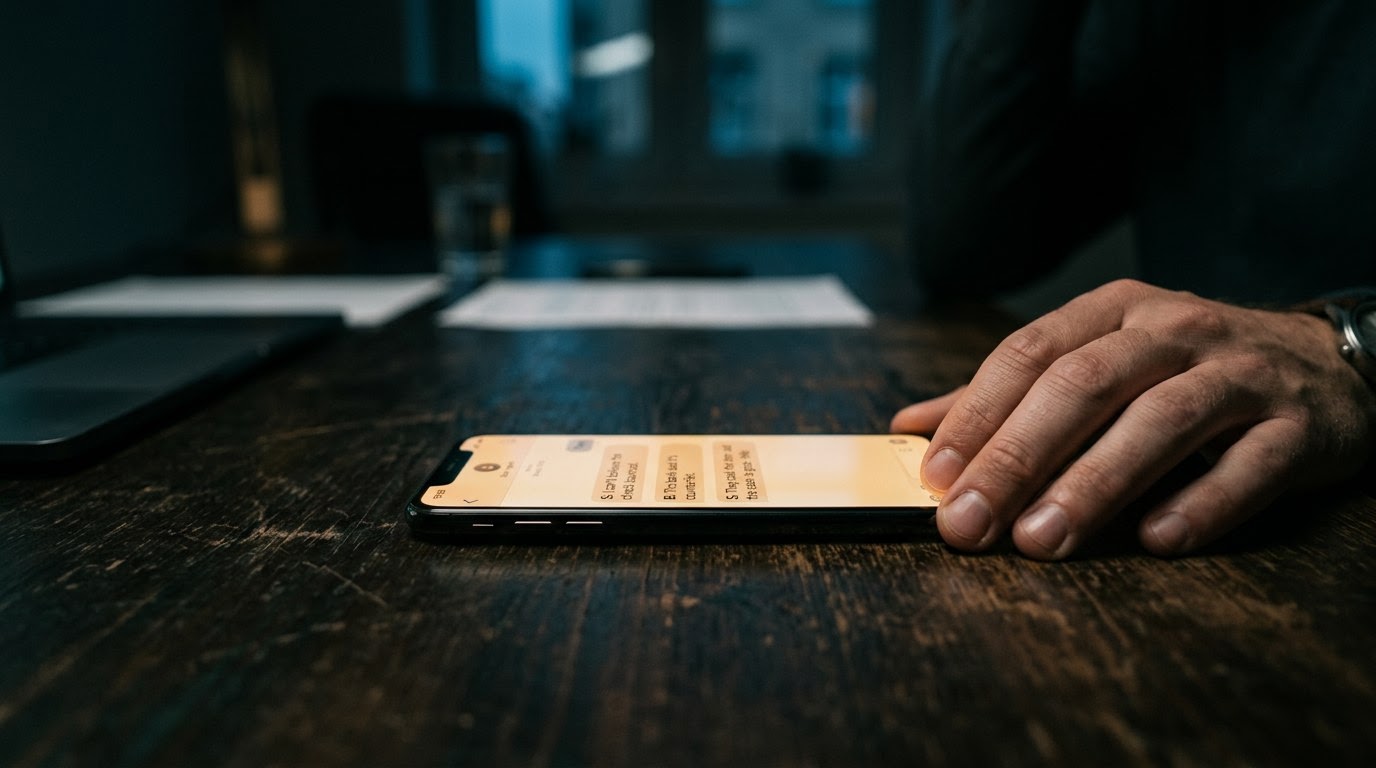
Private vehicle listings on online marketplaces and classified sites have become primary targets for organized financial fraud. In a counterfeit cashier's check scam, criminals exploit the victim's misplaced trust in official banking instruments to steal high-value physical assets like cars, trucks, or motorcycles, while simultaneously draining thousands of dollars directly from the seller's bank balance. According to FTC data from 2024, median reported losses from fake check schemes reached roughly $2,000 per victim, making it one of the most financially damaging forms of imposter fraud facing private sellers today. As of August 2026, fraudsters routinely leverage high-definition printing technology, remote courier services, and messaging apps to execute these thefts without ever meeting the seller face-to-face.
How Counterfeit Cashiers Checks Steal Money From Private Sellers
Counterfeit cashier's checks steal money from private sellers by exploiting the gap between immediate fund availability and final check settlement. Federal banking rules require financial institutions to make funds from cashier's checks available within one to two business days, which leads sellers to believe the payment has successfully cleared. The scammer instructs the seller to transfer a portion of those "available" funds to a fictitious third-party transport service. When the bank uncovers the forgery up to several weeks later, it clawbacks the entire check amount from the seller's balance, leaving the seller down thousands of dollars and stripped of their vehicle.
To understand why this playbook works so effectively, you must look at the mechanics of bank clearing cycles. Many account holders mistake available account balances for settled funds. Under federal regulations designed to give consumers prompt access to their money, financial institutions are legally mandated to make funds from official bank checks accessible quickly—often by the next business day after deposit. However, verifying the authenticity of an out-of-state check across different clearinghouses takes significantly longer.
A counterfeit check can feature a real bank's routing number, authentic-looking watermarks, and actual corporate account information cloned from a legitimate business. Because the routing details route through the automated clearing system, the check passes initial automated processing. The money appears in your available balance. You assume the check is genuine. In reality, the check is floating through a multi-day verification chain. Once the issuing bank's fraud system flags the account mismatch or fake signature, the instrument bounces back to your financial institution, which immediately debits your account for the entire check amount.
Here is how the scam unfolds step by step in the exact order a seller experiences it:
- The Instant Full-Price Inquiry: Within hours of posting your vehicle or high-value item online, a remote buyer contacts you via text, email, or messaging app. The buyer offers to pay your full asking price without haggling, asking no standard questions about vehicle condition, rust, or service records.
- The Payment Preference Request: The buyer claims they cannot meet in person due to an out-of-state work assignment, military deployment, or health restriction. They insist on paying with an official cashier's check or certified bank draft, framing it as the safest payment method for both parties.
- The Overpayment Arrival: You receive an express courier package containing a physical cashier's check made out for an amount significantly higher than your agreed selling price—typically $1,500 to $5,000 above the asking price.
- The Manufactured Explanation: Before you can question the error, the buyer contacts you with an urgent explanation. They claim their bookkeeper, assistant, or family member accidentally issued the check for both the vehicle purchase price and the fees required to pay an independent transport driver who will haul the vehicle away.
- The Instructions to Wire Surplus Funds: The buyer asks you to deposit the check into your bank account, keep your full agreed purchase price, and wire or transfer the extra funds to a designated "shipping agent" via wire transfer, digital payment app, or gift cards so pickup can be scheduled.
- The False Sense of Security: You deposit the check. Within 24 to 48 hours, your bank balance updates to show the full check amount credited to your available funds. Believing the funds are safe and cleared, you initiate the payment transfer to the third-party driver.
- The Property Collection and Account Clawback: A transport driver or tow truck arrives to collect the vehicle and its physical title. Days or weeks later, the issuing bank notifies your financial institution that the cashier's check was a counterfeit clone. Your bank immediately deducts the full check balance from your account, leaving you responsible for any overdraft, down the wired shipping money, and stripped of your vehicle.
Who Gets Targeted and Why
Private sellers listing high-value items like used cars, boats, RVs, and commercial equipment are primary targets because these sales involve large sums and eager sellers. Scammers exploit the psychological hook of a fast, hassle-free transaction where the buyer offers full asking price without haggling. Sellers naturally want to believe they have found an easy buyer, which lowers their vigilance and blinds them to structural payment anomalies.
Private peer-to-peer sales lack the institutional safety rails found in commercial retail networks. When an individual sells a personal vehicle online, they are operating as an independent seller without commercial fraud filters. Scammers specifically seek out private listings on platforms like Craigslist, Facebook Marketplace, OfferUp, and specialized auto classified sites because these platforms connect buyers and sellers directly without escrow enforcement.
The primary psychological lever used by scammers is relief combined with artificial urgency. Finding a genuine buyer for a used car or heavy machinery can take weeks of answering questions, scheduling test drives, and dealing with low-ball offers. When an polite, articulate buyer appears, accepts the asking price immediately, and handles logistics, the seller experiences relief. That positive reaction makes the seller far more forgiving of unusual payment details, such as receiving a cashier's check from an out-of-state business account or being asked to pay a third-party transporter directly.
FBI IC3 reports from 2024 show that overall non-delivery and financial check fraud complaints exceeded $400 million in total losses. The criminals executing these operations operate sophisticated rings. They utilize computer-generated banking graphics, high-grade check stock, and remote courier networks. They do not need to steal every vehicle they target; if they fail to collect the vehicle, the scam still succeeds if they convince the seller to wire the fake overpayment balance back to them.
Stage of the Scam Breakdown
Understanding the precise language used by scammers at each stage helps private sellers identify fraudulent activity before financial loss occurs. The following breakdown contrasts the scammer's narrative against actual backend operations:
| Stage of the Scam | What the Scammer Says | What's Actually Happening |
|---|---|---|
| Initial Inquiry | "I am very interested in buying your vehicle today for the full asking price. Is it still available?" | The scammer uses automated scripts to message hundreds of sellers, targeting high-value items to locate responsive victims. |
| Payment Method Choice | "I will issue an official bank cashier's check. It is as good as cash and protects us both." | The scammer selects a cashier's check because banking regulations force banks to credit funds before the check actually clears settlement channels. |
| The Overpayment | "My accountant made a mistake and included the transport company's fee in your check. Please deposit it." | The scammer intentionally inflates the check balance to turn you into a conduit for sending real cash out of your personal bank account. |
| Fund Transfer Request | "Now that the money shows in your account balance, please wire the driver's portion via Zelle or wire immediately." | The scammer presses you to transfer untraceable funds before your bank's back-office fraud team identifies the check as counterfeit. |
| Vehicle Pickup & Hand-Off | "My driver will arrive with a flatbed tow truck to pick up the vehicle and title once the driver fee is confirmed." | An unwitting third-party auto transporter or accomplice collects the vehicle, removing your physical asset while the check remains uncleared. |
| The Final Clawback | [Communication ceases; burner numbers and messaging profiles are deleted.] | The bank completes processing, discovers the cashier's check is a fake or forged clone, and deducts the full amount from your balance. |
How to Recognize It Before Money Moves
You can recognize a counterfeit cashier's check scam before money moves by examining key behavioral anomalies and payment inconsistencies. Red flags include a buyer who refuses an in-person vehicle inspection, an unprompted overpayment on the cashier's check, and instructions to send money to a third party. A TrustCheck is one input, and it is not a promise of safety. It tells you whether a name, phone, email and address hold together as one person; it cannot tell you what that person intends to do.
To evaluate whether a buyer's offer is legitimate, ask yourself the following diagnostic questions whenever dealing with a remote buyer who proposes payment by check:
- Is the buyer unwilling or unable to inspect the vehicle in person? Legitimate buyers spending thousands of dollars on a vehicle almost always inspect the asset, request a test drive, or hire a local mechanic to perform a pre-purchase inspection. Excuses regarding out-of-state job transfers, offshore oil rig work, or sudden family emergencies are classic red flags designed to avoid personal face-to-face contact.
- Did you receive more money than you asked for? No legitimate buyer overpays a stranger online. If an overpayment occurs, an honest buyer will cancel the check and reissue an exact check. Any buyer insisting that you deposit an overpaid check and refund the difference through a separate payment channel is operating a fraud playbook.
- Are you being asked to pay a third party on the buyer's behalf? A legitimate buyer coordinates and pays their chosen vehicle transport company directly. If a buyer requires you to receive funds and pass them along to a freight handler, shipping agent, or towing service, you are being manipulated into forwarding stolen funds.
- Does the check look official, but feel suspicious? Modern desktop publishing allows criminals to print official bank logos, watermarks, and security threads onto real check paper. However, counterfeit checks often feature subtle mismatches: a bank name that does not match the city listed on the routing stamp, poor alignment on account numbers, or generic corporate signatures.
- Is the buyer pressuring you to act before your bank confirms clearing? Scammers construct artificial deadlines, claiming that shipping drivers will forfeit their routes if payments are not sent within hours of depositing the check. This urgency aims to bypass your natural impulse to wait for bank verification.
Never rely on phone numbers printed on the cashier's check to verify its validity. Scammers frequently print fake customer service numbers on counterfeit checks that ring directly to voice lines operated by co-conspirators. To verify a check, look up the issuing bank's official phone number on their main public website, call their fraud or branch operations department directly, and read the check number, routing number, and dollar amount to an agent.
If It's Already Happened
If you have already deposited a fake cashier's check or released your property, immediate action within the first 72 hours is vital to limit financial damage. Contact your bank's fraud department immediately to report the forged check and isolate your account from further unauthorized activity. File formal law enforcement reports at reportfraud.ftc.gov and ic3.gov to establish an official record for law enforcement and financial recovery investigations. Running a TrustCheck afterwards can show you that the name, phone and email you were given never resolved to one consistent person — useful for your own notes, but not proof of anything. It does not identify whoever was actually on the other end. The reports that matter go to your bank, the platform, and the FTC at reportfraud.ftc.gov.
Taking swift steps during the initial hours following a suspicious payment can mitigate long-term bank penalties and increase the likelihood of asset recovery. Follow this immediate recovery protocol:
- Notify Your Bank's Fraud Department Immediately: Call your financial institution's dedicated fraud hotline. State clearly: "I believe I deposited a counterfeit cashier's check provided by a buyer in a vehicle sales scam." Request that the bank flag the check immediately to avoid automated bounced-check fees or account freeze flags triggered by suspected money laundering.
- Halt All Further Payment Transfers: If you initiated a wire transfer, Zelle payment, or app transfer to a transport agent, contact the issuing payment provider immediately. Request a fraud recall or cancellation. While peer-to-peer transfers are often irreversible once claimed, rapid reporting within hours offers the best chance of intercepting uncollected funds.
- Stop Vehicle Transport and Pickup: If the scammer has scheduled a driver or flatbed truck to collect the vehicle, cancel the appointment. If an independent tow driver arrives, refuse to release the vehicle or physical title. If the vehicle has already been removed from your property, report it immediately to your local police department as a stolen vehicle, providing the vehicle identification number (VIN) and driver descriptions.
- Document All Communications: Preserve every text message, email thread, bill of lading, check stub, and envelope. Print physical copies of the buyer's listing responses and courier tracking labels. These documents provide crucial evidentiary trails for investigators.
- File Reports with Federal and Local Fraud Databases: Report the incident to the Federal Trade Commission at reportfraud.ftc.gov and the FBI Internet Crime Complaint Center at ic3.gov. According to Bureau of Justice Statistics data from 2023, roughly 15% of personal financial fraud victims successfully recovered stolen funds after reporting the crime.
- Protect Your Personal Identity: If you provided the scammer with photos of your driver's license, vehicle title, or home address, place a fraud alert or credit freeze on your personal credit files with major credit bureaus (Equifax, Experian, TransUnion) to prevent scammers from opening credit accounts in your name.
Frequently asked
Why does my bank make fake cashier check funds available if the check has not cleared?
Federal regulations require banks to make funds from official cashier's checks accessible within one to two business days. However, full clearing between banks across state lines takes much longer. Banks release funds based on regulatory mandates before verifying the underlying instrument's authenticity with the issuing bank.
How can I safely verify a cashier's check before accepting it?
Never use the contact phone number printed on the check itself, as fraudsters print phone numbers managed by co-conspirators. Instead, look up the issuing bank's main corporate phone number independently online, call their branch operations or fraud department, and verify the check number, issue date, and exact dollar amount.
Who pays for the loss when a cashier's check turns out to be fake?
You, the account holder, are legally responsible for all checks you deposit into your account. When a check bounces as a counterfeit, your bank reverses the deposit and deducts the full check amount from your personal account balance, regardless of whether you spent or wired the funds.
Can a wire transfer or Zelle payment be reversed if I was scammed?
Reversing wire transfers or instant payment app transfers is extremely difficult once the recipient claims the funds. However, if you notify your bank or payment provider within hours of the transaction, they may be able to place a fraud recall flag on the recipient's account to freeze remaining balances.
What is the safest payment method for a private vehicle sale?
The safest payment method is an in-person cash transaction conducted directly inside your local bank branch, or a verified bank wire transfer initiated and confirmed directly between your bank and the buyer's bank before releasing the vehicle or transferring the physical title.
More in Scams
- How Fake Fine Wine Provenance Certificates Scam Peer Collectors
October 12, 2026
- How Fake Camera Lens Swap Scams Target Marketplace Buyers
October 10, 2026
- How Fake Exotic Car Rental Deposit Scams Target Vacationers
October 8, 2026