How Fake ATV Purchase Deposit Scams Target Private Buyers
· 10 min read
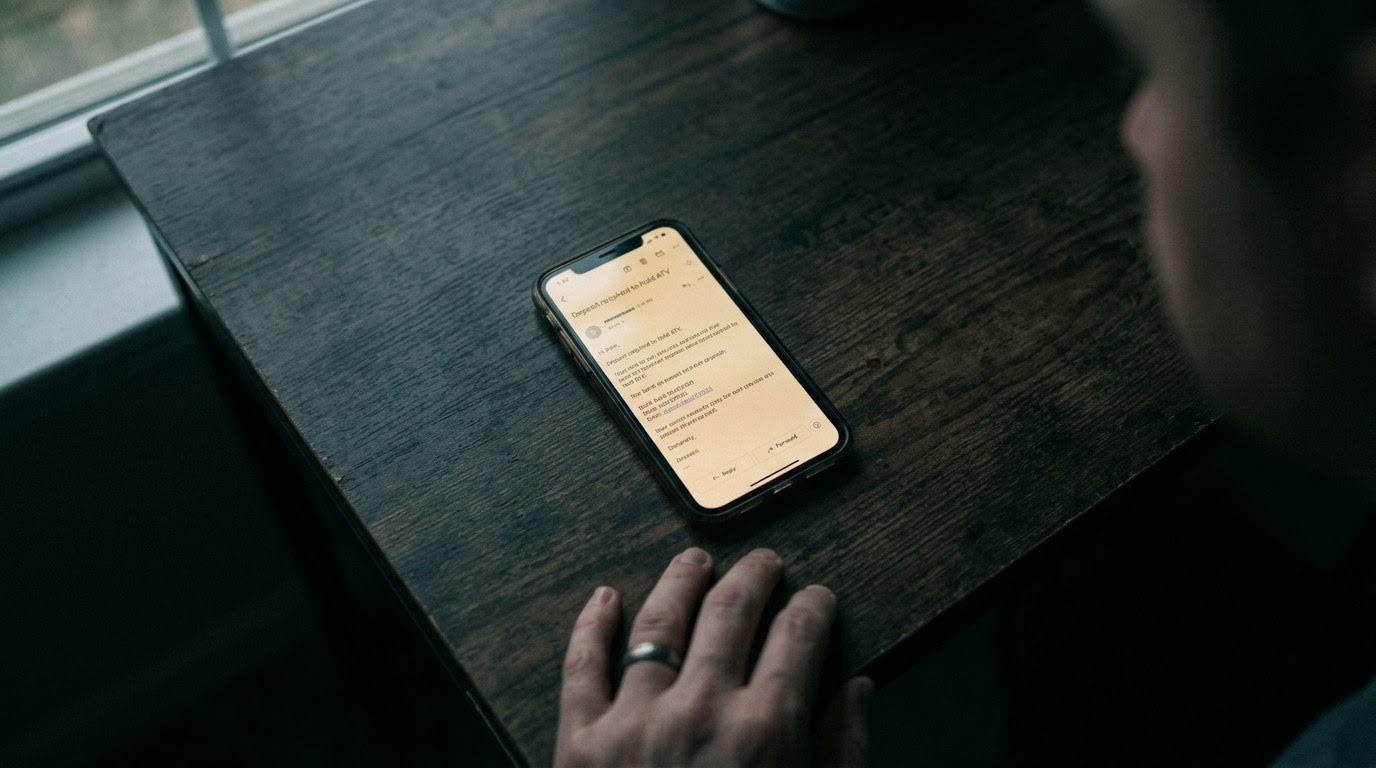
As of November 2026, fake all-terrain vehicle (ATV) purchase deposit scams represent one of the most persistent financial threats facing private buyers in online secondary markets. FTC data shows that consumer losses from online shopping and fake vehicle deposit scams exceeded $340 million in 2024. Scammers exploit high consumer demand for utility quads, side-by-sides, and off-road machinery by creating convincing listings for vehicles they do not own. They post stolen photo sets, draft authentic-looking ownership documents, and engineer artificial urgency to extract hundreds or thousands of dollars in non-refundable deposits from unsuspecting buyers. Learning how fake ATV purchase deposit scams target private buyers is essential to identifying deceptive tactics before transferring your hard-earned funds.
How the Scam Unfolds Step by Step
Fake ATV purchase deposit scams follow a structured operational playbook designed to lower victim suspicion while accelerating the transaction timeline. Scammers copy legitimate vehicle photos, invent compelling personal reasons for an underpriced sale, provide fabricated ownership documents, and mandate instant digital deposits. By guiding buyers through synthetic escrow or delivery steps, fraudsters ensure money transfers occur before physical inspection can happen.
-
Step 1: The Honeypot Listing on Local Marketplace Platforms
The scam begins when a fraudster posts an advertisement on digital secondary marketplaces such as Facebook Marketplace, Craigslist, OfferUp, or specialized off-road vehicle forums. The listing features a highly desirable off-road vehicle—such as a clean 2022 Polaris Sportsman 570, Can-Am Outlander, or Honda Rancher—priced 40% to 60% below typical fair market value. A typical sequence starts when a private buyer spots a utility quad listed for $2,800 despite comparable models selling for $6,500 across regional dealerships. The listing includes multiple high-resolution photos showing the exterior frame, tire tread, odometer reading, and engine bay. These photographs are stolen from completed out-of-state online auctions, legitimate dealership archives, or archived private listings on distant classified sites.
-
Step 2: The Emotional Urgency Story and Contact Isolation
When you message the seller through the marketplace application, they quickly move the conversation off the platform to SMS text messages, direct phone calls, or private email. Moving off-platform allows the scammer to avoid automated marketplace fraud filters. They justify the steep price discount using a high-emotion narrative engineered to discourage price negotiation and accelerate the sale. One common pattern involves the seller claiming the vehicle belonged to a recently deceased family member, or that the seller is a military service member scheduled for overseas deployment within 48 hours. They emphasize that they must sell the quad immediately and cannot arrange an in-person viewing because the machine is already pre-packed and stored at a third-party logistics center, military base, or private freight facility.
-
Step 3: Fabricating Authenticity with Forged Legal Documents
To overcome initial skepticism and establish fake credibility, the seller proactively offers digital proof of legal ownership. They send high-resolution PDF scans or digital photos showing a state certificate of title, a completed bill of sale, and a government-issued photo ID. In reality, the title document is created using graphic design software or pulled from online vector templates, while the photo ID belongs to an earlier identity theft victim. The fake bill of sale displays real Vehicle Identification Numbers (VINs) scraped from public registries or vehicle history search engines, making the documentation appear authentic to an unsuspecting buyer who has not physically inspected the machine.
-
Step 4: Introducing the Fake Escrow or Freight Delivery Guarantee
When the buyer insists on inspecting the ATV in person before paying, the seller claims direct access is impossible due to security regulations at the off-site storage facility. Instead, they introduce a fraudulent third-party service, often pretending to partner with well-known brands under names like "eBay Motors Purchase Protection," "FedEx Vehicle Freight Escrow," or a fictional transport company complete with a slick, temporary website. The seller assures the buyer that this third-party service will hold the purchase funds safely in escrow and deliver the ATV directly to the buyer's driveway for a 5-day inspection period before releasing any money to the seller.
-
Step 5: Demanding the Non-Refundable Deposit or Hold Payment
Shortly after the buyer agrees to the delivery process, they receive an official-looking invoice via email from the fake escrow firm. The invoice instructs the buyer to pay an upfront refundable deposit—typically ranging between $500 and $2,000—to lock in the sale and cover initial dispatch freight charges. The invoice explicitly directs the buyer to use non-refundable, peer-to-peer payment methods such as Zelle, Venmo, Cash App, wire transfers, or digital gift cards. To prevent the buyer from taking time to reflect or seek advice, the seller creates artificial pressure by claiming three other local buyers are currently offering full cash, warning that the vehicle will be given to someone else if the deposit transfer receipt is not sent within two hours.
-
Step 6: Secondary Extortion Fees and Complete Ghosting
Once the initial deposit is transferred, the fraudster rarely disappears right away. Instead, they attempt to squeeze additional money from the buyer by manufacturing unexpected logistics problems. The victim receives an urgent email or text from the fake freight service stating that the vehicle cannot be dispatched until an additional $800 is paid for refundable transport insurance, hazardous material clearance, or state border permits. If the buyer pays the extra fee, the scammer invents further charges. Once the buyer refuses to send additional funds or demands a full refund, the scammer cuts off all communication, deletes the marketplace listing, deactivates the phone number, and pockets the money.
Who Gets Targeted and Why
Private ATV buyers are targeted because off-road vehicles frequently trade in private peer-to-peer markets where buyers expect to travel distances or arrange transport. Fraudsters exploit this market structure by targeting price-conscious outdoorsmen, rural workers, and bargain hunters using psychological pressure points like artificial scarcity, social proof, and emotional distraction to prevent buyers from insisting on physical inspection.
The demographic profile of an off-road vehicle buyer spans rural property owners, agricultural workers, outdoor sports enthusiasts, hunters, and parents looking for recreational trail quads. These vehicles carry substantial retail price tags at traditional dealerships, pushing buyers toward peer-to-peer secondary markets in search of accessible pricing. Scammers take advantage of specific psychological vulnerabilities inherent in these transactions:
- Bargain Panic and Competitive Fear: Displaying a clean, low-mileage machine at a fraction of its market value creates intense anxiety about missing out on a rare opportunity. Buyers become preoccupied with securing the vehicle before another buyer intervenes, leading them to bypass standard verification steps.
- Plausible Distance Constraints: Because ATVs are heavily used in rural, agricultural, or mountainous areas, buyers expect that physical viewing may require significant travel. Scammers leverage this geographic realities by placing fake listings in semi-remote regions, making remote hold deposits sound plausible.
- Emotional Disarming: By claiming personal tragedy, military service, or sudden career relocation, scammers exploit human empathy. Victims feel awkward or insensitive demanding strict identity proof from a seller who claims to be dealing with personal hardship.
Stage Breakdown of the ATV Deposit Fraud
Understanding the mechanics of fake ATV sales requires evaluating what scammers say against what is actually happening behind the scenes. Every stage of the interaction uses scripted language designed to move funds quickly into non-recoverable payment channels. Reviewing these common statements enables private buyers to identify active fraud attempts before financial loss occurs.
| Stage of the Scam | What the Scammer Says | What's Actually Happening |
|---|---|---|
| First Contact & Listing | "I'm selling my late brother's quad cheap because I'm relocating for work and need it gone this week." | The scammer downloaded stolen photos from an old auction and created a fake account to lure bargain seekers. |
| Inspection Request | "The vehicle is sealed at the dispatch depot awaiting shipping, so physical viewings aren't permitted by security." | The vehicle does not exist in the seller's possession, so physical inspection would immediately expose the fraud. |
| Document Provision | "I've attached the signed bill of sale and clear state title so you know this is a completely legal transfer." | The paperwork consists of edited digital graphics or stolen records paired with a stolen identity card to build false trust. |
| Deposit Request | "Send a $1,000 deposit via Zelle or wire transfer right now to lock in the hold while we initiate shipping." | The payment method is irreversible, allowing the fraudster to cash out instantly without consumer protection. |
| Post-Payment Extortion | "The freight carrier requires an extra $600 refundable deposit for shipping insurance before loading the trailer." | The scammer is executing secondary extortion to steal additional funds before the buyer realizes the sale is fake. |
How to Recognize It Before Money Moves
Recognizing fake ATV purchase deposit scams requires evaluating every deal through strict verification criteria rather than taking online listings at face value. Severe price discounts, insistence on remote transactions, forged documents, and non-refundable payment requests serve as definitive evidence of fraud. Asking critical screening questions protects buyers before any funds leave their account.
To avoid falling victim to fraudulent private equipment listings, run every potential transaction through a series of key questions before agreeing to send any money:
- Is the asking price drastically below market value? If a well-maintained, late-model utility ATV is listed for 50% below standard retail or private party valuations, treat the listing as a high-risk fraud attempt.
- Will the seller agree to a live video call? Refusal to conduct a real-time video walkthrough is an immediate indicator of fraud. A legitimate seller will gladly start the engine on camera, walk around the quad, and show the matching VIN plate stamped onto the frame. Scammers will offer excuses about bad cellular reception or warehouse rules.
- Does the seller demand payment via peer-to-peer apps or wire transfers? Reputable private sellers accept cash upon physical inspection or verified bank cashier's checks completed inside a financial branch. Demands for Zelle, Venmo, Cash App, wire transfers, or digital gift cards mean the transaction offers zero consumer recourse.
- Are the listing photos original? Perform a reverse image search on the photos included in the ad. If the exact photos appear on old sales listings, foreign websites, or distant dealership pages, the listing is fake.
- Is the seller pushing paperwork before a physical meeting? Fraudulent sellers frequently send pre-signed bills of sale or digital title scans early in the process to engineer artificial legitimacy. Official paperwork should only be completed in person alongside physical vehicle delivery.
Running a TrustCheck on the contact in week one catches most variants of seller identity fraud before you ever risk a deposit. Taking a brief moment to verify who you are communicating with online helps ensure that the seller's claims line up with verified records before any contractual agreements are signed.
If It's Already Happened: Recovery and Immediate Steps
If you have transferred money to a fraudulent ATV seller, taking immediate action within the first 72 hours increases your chances of mitigating damage and assisting law enforcement. Contact your bank immediately to freeze fraudulent transfers, report the scam to federal fraud repositories, and preserve all digital evidence including messages, invoices, and bank receipts.
When you realize you have been targeted by a vehicle deposit scam, execute these key emergency steps without delay:
-
Notify Your Financial Institution Immediately
Call the fraud or security department of your bank, credit union, or payment app provider within minutes of realizing the transaction was fraudulent. Request an immediate wire recall, ACH dispute, or peer-to-peer transaction freeze. FBI reports show that online shopping non-delivery scams resulted in over $390 million in reported victim losses in 2023, but rapid reporting within the first 72 hours significantly improves the likelihood of financial freeze efforts.
-
File Official Reports with Federal Agencies
Report the incident to consumer protection entities to help law enforcement track scam networks. Submit a report to the Federal Trade Commission at reportfraud.ftc.gov. File an additional detailed complaint with the FBI Internet Crime Complaint Center at ic3.gov, including payment transaction details, phone numbers, communication logs, and vehicle listing links.
-
File a Local Police Report
Visit your local police department or sheriff's office to submit a formal report for private seller vehicle fraud. Obtain an official police report number. Financial institutions, credit bureaus, and insurance entities often require a formal police report to process identity theft claims or dispute fraudulent transactions.
-
Preserve Complete Digital Evidence
Do not delete text messages, chat logs, email threads, or online listing receipts. Capture full-screen screenshots displaying headers, timestamps, email addresses, seller usernames, and payment confirmation pages. This documentation serves as crucial evidence for law enforcement investigations and bank disputes.
-
Protect Against Secondary Recovery Scams
Fraudulent groups frequently sell victim contact lists to secondary scammers who contact victims posing as "asset recovery specialists" or private investigators. These recovery scammers promise to track down lost deposit money in exchange for an upfront retainage fee. A 2025 BBB report revealed that private vehicle deposit fraud increased by 18% compared to the previous year, with secondary recovery attempts regularly targeting past victims. Running a TrustCheck on the contact confirms the identity is fake, preventing secondary recovery fraud and providing clear evidence for bank disputes.
Frequently asked
Why do sellers ask for deposits on private ATV sales?
Legitimate sellers may request small deposits to hold a vehicle while you travel to inspect it. However, scammers exploit this expectation by demanding non-refundable deposits via digital cash apps for vehicles they do not own, disappearing once the payment transfers.
How can I verify if an ATV listing is real?
Require a live video call where the seller shows the vehicle, starts the engine, and displays the VIN plate on the frame. Additionally, perform a reverse image search on listing photos and verify the seller's identity prior to transferring any funds.
Is a fake bill of sale binding in a fraud dispute?
A fake bill of sale holds no legal standing because it is a fraudulent document created without genuine title ownership. Banks and law enforcement view forged bills of sale as direct evidence of theft, which assists in processing formal fraud reports.
Can I get my deposit back if I paid using Zelle or Venmo?
Peer-to-peer payment apps treat transfers like cash transactions, making recovery difficult once funds leave your account. However, immediately reporting the fraudulent transaction to your bank's fraud department within 72 hours provides the best opportunity to initiate a wire recall.
What is the safest way to pay for a private vehicle purchase?
The safest way to pay for a private vehicle is in person using cash or a cashier's check completed inside a local bank branch. This allows you to verify physical possession of the vehicle and transfer a clean title simultaneously.