How the Post-Sale Smartphone Insurance Blacklist Scam Targets Peer Buyers
· 11 min read
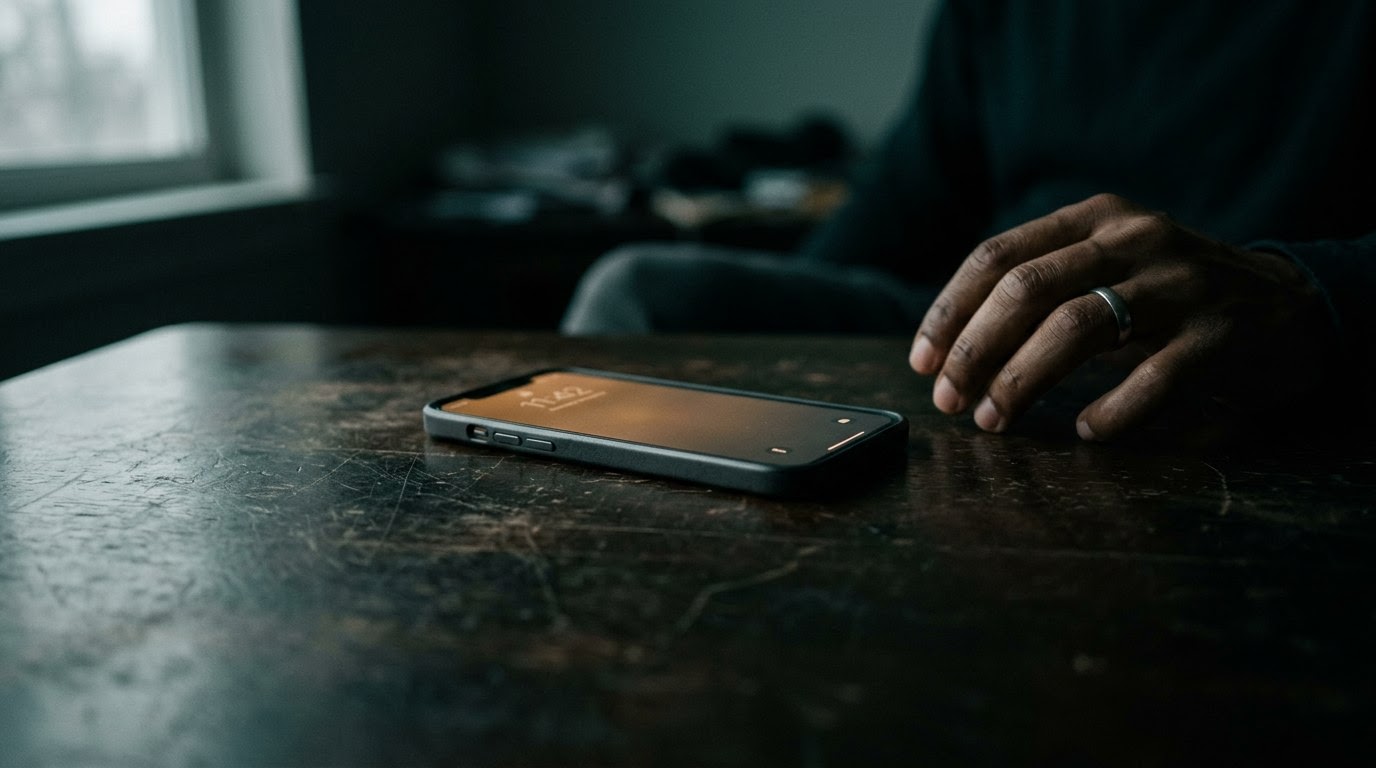
The post-sale smartphone insurance blacklist scam represents one of the most insidious threats in peer-to-peer mobile phone trading. In this scheme, a fraudster sells a fully operational phone to an unsuspecting peer buyer, accepts payment, and then reports the phone lost or stolen to their mobile carrier or insurance provider to collect a lucrative replacement or cash payout. As of November 2026, secondary market device fraud continues to inflict heavy losses on consumers who buy secondhand electronics online. FTC data shows consumer complaints regarding mobile device and secondary market fraud schemes resulted in over $240 million in reported losses during 2024. Victims are left with expensive devices that are permanently blocked from cellular networks worldwide while dishonest sellers double their profit.
How the Post-Sale Smartphone Insurance Blacklist Scam Targets Peer Buyers
The post-sale smartphone insurance blacklist scam targets peer buyers by exploiting a structural delay in global IMEI blacklisting systems. Dishonest sellers offer fully working, clean-IMEI smartphones on peer-to-peer platforms. After completing the sale and receiving payment, the seller files a false lost-or-stolen report with their carrier or insurer. The carrier then adds the device's unique IMEI number to the global registry, blocking all cellular connectivity on the buyer's device weeks after the exchange.
When you purchase a secondhand device, your primary defense is usually checking the International Mobile Equipment Identity (IMEI) number against public databases. Scammers understand this security habit thoroughly. By presenting a phone that has no active financial liens or reported thefts at the exact moment of transaction, the seller builds complete trust. You pop your SIM card in, make a test call, browse the web, and verify that everything functions perfectly. Because the phone works completely fine during the meetup, you naturally assume the sale is safe and complete.
The economic motive for the scammer relies on double monetization. A seller holding a premium flagship smartphone valued at $1,000 retail can list the phone on a local peer-to-peer marketplace for $700 cash. After completing the physical exchange and pocketing your money, the seller waits a brief period before filing a claim. They pay a $150 insurance deductible to their carrier or third-party protection service, claiming the phone was stolen from their vehicle or dropped into deep water. The insurance provider approves the claim and dispatches a brand-new replacement device or issues a direct replacement payout. The seller nets $1,550 in total value, while the original phone's IMEI is submitted directly to global blacklisting databases.
This dynamic creates a delayed trap for the unsuspecting buyer. Cellular network operators worldwide share access to the Centralized Equipment Identity Register (CEIR) and GSMA global registry. Once an IMEI is flagged as lost or stolen by the policyholder, the entry synchronizes across all major wireless carriers. Within days or weeks of your purchase, your smartphone loses all connection to cellular towers. The device becomes completely incapable of making phone calls, transmitting text messages, or utilizing cellular data networks, turning a high-end smartphone into a Wi-Fi-only device.
How the Scam Unfolds Step by Step
The smartphone insurance blacklist scam unfolds across six distinct stages, beginning with an attractive marketplace listing and concluding with a total cellular shutdown of the buyer's device. Scammers exploit the gap between the physical sale and carrier insurance processing times to maximize their financial gain while hiding their identity. Understanding each phase reveals how legitimate transactions are converted into fraudulent double-payouts at the buyer's expense.
-
Step 1: Listing the Premium Smartphone Below Market Value
The scammer creates a polished listing on a popular peer-to-peer marketplace such as Facebook Marketplace, OfferUp, or Craigslist. They advertise a highly sought-after flagship device, such as a recent iPhone or Samsung Galaxy, at a price roughly 15% to 20% below standard retail secondhand rates. This pricing strategy is calculated to attract quick buyers who are eager to lock in a deal before someone else takes it. The listing description typically claims the seller upgraded to a newer model or received an unwanted gift, creating a plausible pretext for the quick sale.
-
Step 2: Proving Clean Device Status at the Point of Sale
During communications and at the physical meetup, the seller actively encourages you to inspect the phone thoroughly. They happily provide the IMEI number for you to check on public online databases, which show a completely clean bill of health. They invite you to insert your active SIM card, make a phone call, log into Wi-Fi, and check the battery health settings. Because the seller has not yet filed the fraudulent insurance claim, every single diagnostic check and status query returns positive results, effectively neutralizing your natural caution.
-
Step 3: Insisting on Irreversible Payment Methods
Once you are satisfied that the phone operates perfectly, the seller demands payment through non-refundable channels. They insist on cash or peer-to-peer payment apps such as Zelle, Venmo, or cash transfers sent via peer options marked for friends and family. They specifically avoid payment systems that offer buyer protection services or escrow holds. By securing irreversible funds, the seller ensures that you will have no administrative mechanism to freeze or reverse the transfer once the fraud is eventually discovered.
-
Step 4: Executing a Strategic Waiting Period
After receiving your money, the seller waits anywhere from several days to three weeks before taking further action. This strategic delay serves two purposes for the scammer. First, it allows enough time for the buyer to integrate the phone into their daily life, lowering the buyer's immediate urgency to keep contact details or transaction receipts handy. Second, it creates plausible deniability, making it appear to carrier investigators that the loss occurred long after the seller supposedly had sole possession of the device.
-
Step 5: Submitting the Fraudulent Insurance Claim
The seller contacts their mobile wireless carrier or third-party insurance provider to report the smartphone lost, stolen, or catastrophically damaged. They submit a sworn affidavit or digital claim form, paying a small insurance deductible to finalize the claim process. The insurer approves the claim and dispatches a brand-new replacement device to the seller's address or issues a hardware credit. Simultaneously, the insurer reports the original device's IMEI to national and international carrier blacklist registries.
-
Step 6: Network Blacklisting and Total Communication Cutoff
Within 24 to 72 hours of the claim approval, major cellular carriers push the updated blacklist file to their network towers. Without warning, your phone suddenly loses network bars and displays an SOS or "No Service" error message. When you contact your carrier, customer service informs you that the device's IMEI has been flagged for theft or insurance fraud and cannot be activated on any network. When you attempt to message the seller, you discover their account has been deleted or your profile has been blocked.
To understand the breakdown between what occurs on the surface and what happens behind the scenes, review the operational progression below:
| Stage of the Scam | What the Scammer Says | What's Actually Happening |
|---|---|---|
| Initial Contact | "I just upgraded my phone and need to sell this one quickly for extra cash." | The scammer is baiting potential buyers with a clean device they intend to claim as stolen later. |
| Device Inspection | "Go ahead and test your SIM card, run the IMEI check, take your time." | The scammer uses the temporary clean status of the phone to build total buyer confidence. |
| Payment Exchange | "I only take cash or instant peer transfer because I've been burned by chargebacks before." | The seller locks in non-refundable payment so you cannot reverse the transfer when the phone is blacklisted. |
| Post-Sale Claim | "No contact / Silent post-sale window." | The seller submits a false loss report to their carrier insurance provider to receive a replacement device. |
| Blacklist Activation | "User unavailable / Profile deleted." | The carrier flags the IMEI globally; the seller secures two payouts while your phone becomes unusable. |
Who Gets Targeted and Why
Peer buyers seeking discounted current-generation smartphones on local marketplaces are the primary targets of this fraud scheme. Scammers exploit the buyer's desire to save money against retail pricing, relying on the psychological comfort created when a device passes on-site testing. Because victims inspect a fully functional phone during the meetup, their natural skepticism is disarmed, leaving them vulnerable to post-transaction carrier insurance manipulation.
This scheme specifically targets budget-conscious tech consumers, students, families purchasing devices for teenagers, and individuals looking to avoid long-term carrier contract commitments. The demographic profile spans across all income levels, but victims share a common behavioral trait: reliance on hands-on physical verification as the ultimate proof of a safe purchase.
The psychological hook of this scam relies on false proof. Traditional fraud awareness campaigns teach buyers to verify that a product works before handing over cash. In standard secondary market transactions, testing cellular signal, checking camera functions, and verifying clean IMEI records on free check portals is sufficient to prevent fraud. Scammers intentionally exploit this safety standard by giving buyers complete freedom to inspect the device. Once you verify the phone works, your brain categorizes the transaction as completed and safe.
The scammer leverages peer-to-peer marketplace dynamics where buyer protections are virtually non-existent. According to FBI IC3 data, online auction and peer-to-peer marketplace complaints accounted for over $300 million in consumer financial losses in 2023. Dishonest sellers know that once payment transfers through instant payment networks or cash, consumer payment networks will not investigate physical device ownership disputes or contractual breaches occurring after the sale.
How to Recognize It Before Money Moves
Recognizing a post-sale insurance scam before money changes hands requires looking past initial device checks and evaluating seller accountability. Because the phone will test completely clean during the initial physical transaction, traditional IMEI check tools cannot detect a future fraudulent insurance claim. Buyers must examine seller behavior, payment demands, and identity verification indicators to determine if the seller intends to remain accountable after the sale.
To protect yourself from post-sale smartphone blacklisting, evaluate the transaction using specific behavioral filters. Ask yourself these critical questions before committing to any peer-to-peer electronics purchase:
1. Is the seller willing to provide original purchase receipts and carrier payoff documentation?
Legitimate sellers who own their devices outright can typically show an original purchase receipt, carrier store confirmation, or proof of full device pay-off. If a seller refuses to provide proof of ownership or claims they misplaced digital receipts for a high-value phone, treat it as a significant red flag.
2. Does the seller demand non-traceable, irreversible payment channels?
Be cautious when sellers insist strictly on cash or peer-to-peer app options that lack purchase protection features. A genuine seller engaging in an honest transaction should have no issue accommodating payment methods that leave a clear audit trail linked to their verified identity.
3. Is the seller's marketplace profile recently created with minimal history?
Inspect the seller's account history. Fraudsters frequently set up throwaway profiles or use compromised accounts with sparse activity. If the account was created within the last few months or has no prior seller feedback, the risk of post-sale ghosting is extremely high.
4. Have you verified the seller's true identity independent of their profile claims?
Never rely solely on a marketplace username or phone number. Running a TrustCheck on the contact in week one catches most variants of seller identity concealment before cash moves. Verifying the individual's real name, phone number, and address history ensures you are dealing with a real person who can be held accountable if legal action becomes necessary.
5. Will the seller sign a basic bill of sale including IMEI and identity details?
Propose drafting a simple physical or digital bill of sale that lists the seller's full name, driver's license number, phone IMEI, sale price, and an explicit statement that the device is free of financial liens and insurance claims. Scammers planning insurance fraud will almost always abandon the deal when asked to sign a legal paper trail.
If It's Already Happened
If your newly purchased smartphone suddenly loses network connectivity due to an IMEI blacklist flag, immediate action is required within the first 72 hours. You must document all communications, contact your wireless carrier to verify the blacklist status, and file formal law enforcement and regulatory reports. While recovering cash from fraudulent peer sellers is difficult, formal reporting creates an official record required for potential carrier relief or legal dispute actions.
Discovering that your smartphone has been blacklisted is frustrating, but taking systematic steps immediately following network disruption is essential for building a legal record. Follow this 72-hour recovery protocol:
Step 1: Confirm the Blacklist Status with Your Carrier
Contact your cellular carrier's customer service or visit a retail store to request an official status check on the device's IMEI. Ask the representative to specify the reason for the block. Request written or emailed confirmation stating that the device was flagged as lost or stolen by the original account holder.
Step 2: Preserve Every Piece of Evidence
Take screenshot captures of the original marketplace listing, all text message exchanges, social media messaging threads, digital payment confirmations, and seller profile pages. Save the seller's phone number, profile link, and any email addresses used during negotiation. Do not delete any conversation threads.
Step 3: Conduct an Identity Investigation
If you did not verify the seller's identity prior to purchase, gathering information now is vital for law enforcement reports. Performing a TrustCheck on the contact confirms the identity is fake or tied to mismatched credentials, providing critical investigative evidence when submitting details to authorities. A 2025 BBB report revealed that peer-to-peer marketplace fraud incidents involving electronics increased by 28% year-over-year, making documented identity trails essential for police investigations.
Step 4: File Reports with Federal Fraud Agencies
File an official complaint with the Federal Trade Commission at reportfraud.ftc.gov. Next, report the incident to the FBI's Internet Crime Complaint Center at ic3.gov. Be sure to include the seller's profile details, phone IMEI, payment transaction IDs, and carrier blacklist status in your filings.
Step 5: File a Local Police Report and Contact Payment Services
File a police report with your local law enforcement agency for insurance fraud and theft by deception. Provide the officer with the seller's identity trail and carrier blacklist evidence. Finally, contact your bank or payment app support to submit a formal fraud claim accompanied by your police report number.
Frequently asked
What is an IMEI blacklist?
An International Mobile Equipment Identity (IMEI) blacklist is a global database managed by wireless carriers to track stolen or fraudulent mobile devices. When a phone is reported lost, stolen, or involved in insurance fraud, carriers add its unique IMEI to this registry. Once blacklisted, the device is blocked from connecting to cellular networks worldwide, rendering it unable to make calls or use mobile data.
Can a carrier remove an IMEI blacklist tag for a peer buyer?
Wireless carriers almost never remove an IMEI blacklist status at the request of a secondary buyer. Carriers enforce strict policies requiring the original account holder who reported the loss to resolve the claim. Because insurance claims involve legal payouts between the carrier, insurer, and original owner, third-party buyers cannot override the theft flag even if they present proof of purchase.
Why does a phone work during the initial meeting but get blacklisted later?
At the time of sale, the seller has not yet reported the phone stolen to their carrier or insurance provider. Diagnostic checks and public IMEI portals search current network status, which remains clear until the fraudster submits a claim days or weeks after receiving your cash. The delayed filing creates a false sense of security during your physical inspection.
Are peer-to-peer payment apps responsible for refunding blacklisted device purchases?
Most peer-to-peer payment applications treat instant payments as final cash transfers and do not offer buyer protection for secondary market electronics. If you send money via standard peer transfer options, payment networks generally decline fraud dispute claims involving physical goods. Protecting yourself requires verifying the seller's real-world identity before transferring funds through any digital app.
How can I verify a seller is legitimate before buying a secondhand phone?
Ask the seller for original purchase receipts, device pay-off confirmations, and a signed bill of sale matching their government identification. Additionally, verify their identity independently using online verification tools to ensure their name and history match their profile. Sellers who refuse to share proof of ownership or verified contact information present an extremely high fraud risk.
More in Scams
- How Fake ATV Purchase Deposit Scams Target Private Buyers
November 14, 2026
- How Fake Coin Grading Slab Scams Target Peer Numismatic Collectors
November 12, 2026
- How Fake Luxury Consignment Agreements Steal High-Value Items From Sellers
November 7, 2026