How Fake Backyard Party Venue Deposit Scams Target Private Event Hosts
· 9 min read
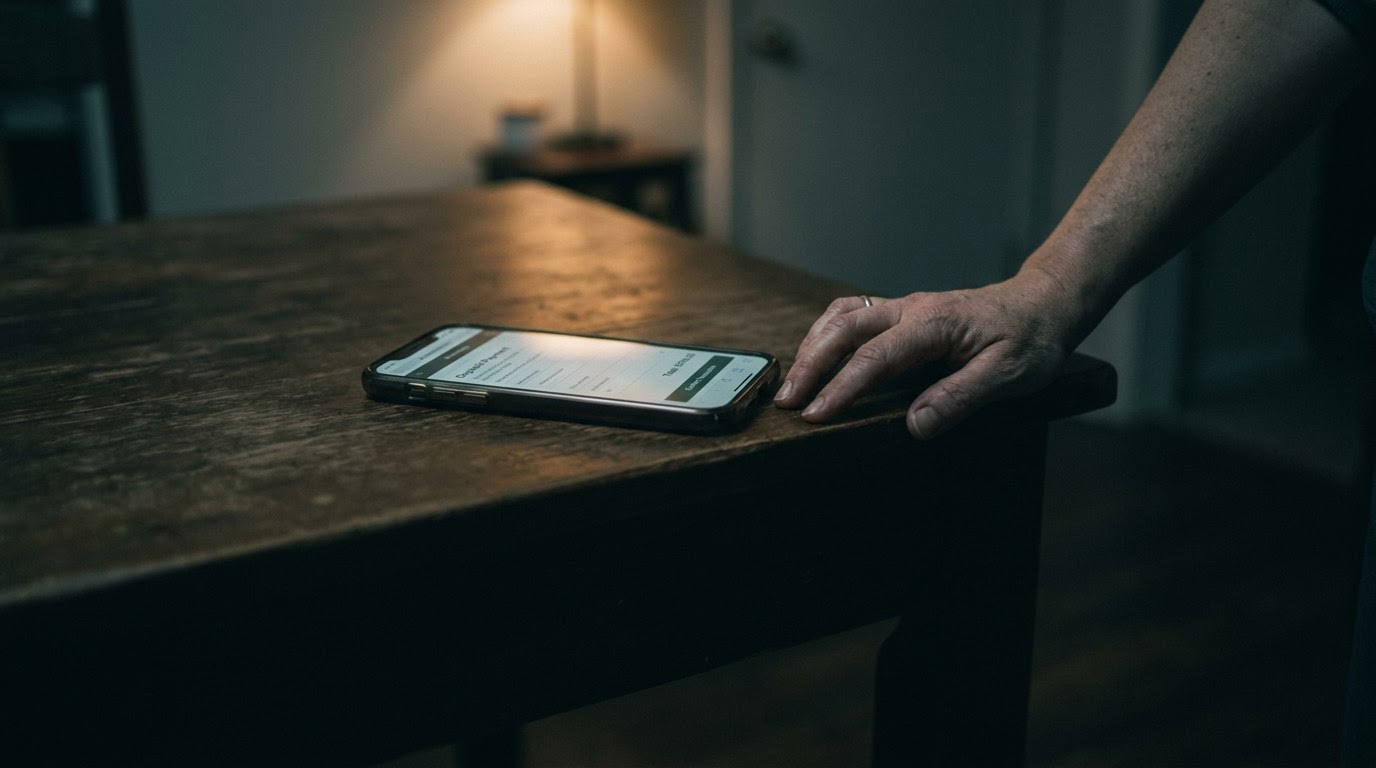
The fake backyard party venue deposit scam is an increasingly widespread form of non-delivery fraud where online criminals post fake property listings for event spaces they do not own, collect non-refundable deposits, and block all communication prior to event day. Victims typically experience financial losses ranging from $500 to $3,500, alongside severe disruptions to major personal events like weddings, birthdays, and family reunions. FTC reports show that consumers lost over $300 million to online booking and peer listing scams in 2024. As of October 2026, fraudsters continue to leverage short-term rental shortages and social media marketplaces to target hosts seeking affordable local venues.
How Fake Backyard Party Venue Deposit Scams Target Private Event Hosts
Fake backyard party venue deposit scams target private event hosts by publishing deceptive rental listings for private outdoor spaces, luxury backyards, or residential estates at significantly reduced rates on local classified sites and social platforms. Scammers create a false sense of urgency surrounding peak event seasons, demanding advance deposits via digital cash apps before disappearances occur. Victims lose money and face event cancellation.
Planning a private event requires balancing venue availability, budget constraints, and strict timelines. Commercial event venues often require months of advance booking, heavy liability insurance, and multi-thousand-dollar rental fees. This dynamic creates a thriving market for informal backyard rentals, where homeowners offer their landscaped yards, pools, or outdoor structures to private planners seeking intimate, cost-effective venues.
Scammers exploit this exact market dynamic. By posing as legitimate property owners on platforms like Facebook Marketplace, Craigslist, Nextdoor, or specialized peer-to-peer event forums, fraudsters list stunning residential spaces at prices that seem almost too good to pass up. A typical sequence begins when an event planner stumbles across an idealized space—complete with ambient lighting, outdoor kitchens, and seating for fifty guests—available for a fraction of the cost of a commercial hall.
Because private event planning carries personal emotional stakes, targets are conditioned to act quickly to secure a date. Scammers exploit this pressure, pushing targets into paying non-refundable deposits, cleaning fees, or security holds before ever stepping foot on the physical property. Once funds transfer through irreversible peer-to-peer payment applications, the scammer cuts off contact, leaving the victim stranded without a venue on the day of their gathering.
How the Scam Unfolds
The fake venue deposit scam unfolds through a structured six-step sequence designed to extract non-refundable payments before the victim notices red flags. Fraudsters scrape photos of luxury homes, create fake profiles on peer platforms, dodge in-person tours with believable excuses, demand instant deposit transfers, invent add-on fees, and ghost the event planner completely right before the scheduled party date.
Understanding the exact operational sequence used by venue fraudsters helps event hosts spot manipulative tactics before transferring funds. Below is the step-by-step breakdown of how this fraud play operates in real-world scenarios.
-
The Baiting and Photo Scrape: The fraudster identifies high-end residential properties listed for sale on real estate aggregators like Zillow or Redfin. They scrape high-resolution photography featuring spacious backyards, swimming pools, patio setups, and outdoor lighting. They then re-publish these images as available event rentals on local social marketplaces, peer rental boards, or free classified sites, pricing the space significantly below local market rates.
-
First Contact and Urgency Injection: When an event host inquires about renting the space for an upcoming milestone—such as a baby shower, graduation, or small wedding—the scammer responds quickly with high warmth and professionalism. To strip away the target's hesitation, the scammer claims that multiple parties are currently inquiring about the same date, warning that the slot will be given to whoever pays the reservation deposit first.
-
The Evasion of In-Person Tours: When the target requests an in-person walkthrough to inspect the backyard, measure spaces, or check guest accessibility, the scammer presents a plausible excuse. Common rationales include claims that current residential tenants are vacationing, the host is traveling out of state for a family emergency, or property management policies forbid tours prior to contract execution. To build trust, the scammer sends recorded walkthrough videos or stolen floor plan diagrams.
-
The Irreversible Deposit Demand: The scammer presents a formal-looking digital contract or rental agreement via email. To lock in the date, they demand a payment—usually between 30% and 50% of the total rental price—via unrecoverable peer-to-peer payment channels such as Zelle, Venmo, Cash App, or cryptocurrency. They strictly reject credit card payments or protected platform checkouts, claiming those methods incur excessive merchant processing fees.
-
The Upsell and Secondary Surcharge: Days or weeks after receiving the initial hold deposit, the scammer contacts the event host again. They claim that local city sound ordinances, insurance policy updates, or mandatory sanitation rules require an additional fee, such as a refundable $500 security deposit or a $200 outdoor permit fee. Because the target has already committed funds and sent out invitations, they frequently comply and transfer the extra money.
-
The Silent Ghosting and Event Day Discovery: A few days before the event—or sometimes on the exact morning of the gathering—the scammer deletes their social media account, deactivates the disposable phone number, and blocks the victim. The event host, along with vendors, caterers, and guests, arrives at the private residence only to discover actual homeowners who have no knowledge of the listing, leaving the host financially defrauded and without a venue.
According to BBB data from 2025, consumer reports of fake listing and venue deposit scams rose by 38% compared to previous years, driven largely by fraudulent postings across unverified social media marketplace pages.
Who Gets Targeted and Why
Private event hosts—particularly parents planning birthday parties, couples organizing engagement celebrations, and DIY wedding planners—are heavily targeted due to strict deadlines, emotional investment, and tight event budgets. Fraudsters exploit the psychological hook of venue scarcity combined with significant price discounts, driving targets to make hasty financial decisions before verifying listing authenticity.
The demographic profile of victims in this space spans several common categories, but they all share key vulnerabilities that scammers deliberately weaponize:
- Milestone Event Organizers: Individuals hosting once-in-a-lifetime events, like quinceañeras, graduation parties, or intimate backyard weddings, face severe social and emotional pressure to secure a polished venue. The threat of losing a venue creates high psychological anxiety, rendering targets susceptible to high-pressure demands.
- Budget-Conscious Planners: Event organizers attempting to avoid traditional commercial venue costs (which can range from $3,000 to over $10,000) actively seek alternative options. When a fraudster presents an expansive, manicured property for $800 a day, cognitive bias encourages the planner to accept the listing as a lucky break rather than evaluating it as a scam risk.
- Short-Notice Event Hosts: Planners working on condensed timelines—such as organizing a memorial reception or a last-minute family reunion—do not have time to browse dozens of locations. Scammers capitalize on this urgency, offering immediate date availability to bypass typical due diligence steps.
How to Recognize It Before Money Moves
Recognizing a fake backyard venue listing before money moves requires assessing payment requests, communication patterns, and identity claims through specific diagnostic questions. You can prevent venue fraud by insisting on in-person tours, checking public property records, refusing peer-to-peer payment apps for reservations, and verifying the identity of the listing contact before transferring funds.
To evaluate whether a venue listing is legitimate, ask yourself the following diagnostic questions whenever negotiating with a prospective space host online:
- Does the host insist on payment methods that lack buyer protection? Legitimate commercial entities and professional platform hosts accept credit cards or secure platform checkout systems. If a host strictly demands Zelle, Cash App, Venmo, or bank wires, treat it as an immediate red flag.
- Is the host refusing or repeatedly postponing an in-person walkthrough? Never send money for a property you or a trusted local representative have not stepped onto physically. Excuses involving out-of-town travel, tenant privacy, or sickness are classic signs of non-delivery listing fraud.
- Do the listing images appear in active real estate sales listings? Run a reverse image search on the photos provided in the listing. If the photos appear on Zillow, Redfin, or Realtor.com as a home currently listed for sale or recently sold, the poster has likely scraped the media.
- Is the contact's identity verified across independent channels? Running a TrustCheck on the contact in week one catches most variants of stolen identity or fraudulent contact profiles before financial commitments are made.
- Does the owner's name match public land records? Cross-reference the address of the property with the local county tax assessor or property appraiser website. If the individual claiming to rent the venue is not listed as the registered owner or authorized management company, halt communication.
| Stage of the Scam | What the Scammer Says | What's Actually Happening |
|---|---|---|
If It's Already Happened
If you have paid a deposit for a fraudulent venue listing, immediate action within the first 72 hours gives you the highest chance of mitigating financial losses and documenting evidence. Contact your bank or payment service immediately to request a fraud recall, secure all communication records, and file formal complaints with law enforcement and federal consumer protection portals.
When you realize you have fallen victim to a venue deposit scam, executing a structured response protocol immediately can assist law enforcement and improve your chances of funds recovery.
Step 1: Contact Payment Providers and Financial Institutions (Hours 0–24)
Immediately report the fraudulent transfer to your bank, credit union, or payment app support team. If you paid via peer-to-peer applications, submit an official fraud claim requesting a transaction reversal. While peer apps rarely guarantee refunds for authorized transfers, initiating a fraud dispute alerts their compliance department to freeze the scammer's receiving account.
Step 2: Preserve All Digital Evidence (Hours 24–48)
Document every interaction with the scammer before they delete their social media profiles or messaging channels. Capture clean screenshots of:
- The original venue rental advertisement, including photo gallery images and listed address.
- All chat logs, SMS text exchanges, and email communications showing agreement terms.
- Payment confirmations showing time stamps, dollar figures, account handles, and transaction IDs.
- Running a TrustCheck on the contact confirms the identity is fake and provides documented evidence for your bank dispute and official police filings.
Step 3: Submit Federal and Local Law Enforcement Reports (Hours 48–72)
Official reports establish a legal paper trail required by banks and insurance carriers during fraud investigations. File comprehensive reports with the following agencies:
- Federal Trade Commission: File an online report detailing non-delivery fraud and deceptive seller practices at reportfraud.ftc.gov.
- FBI Internet Crime Complaint Center: Report internet-facilitated wire fraud and digital listing scams directly to the FBI at ic3.gov.
- Local Police Department: Visit your local precinct to file a formal police report for financial larceny. Obtain a copy of the official police report number for your financial institution's fraud department.
FBI IC3 data reveals that non-delivery payment fraud resulted in over $400 million in reported victim losses during 2024, emphasizing the critical need for prompt crime reporting across official law enforcement portals.
Frequently asked
How do fraudsters obtain photos for fake party venue listings?
Scammers scrape high-resolution interior and exterior photos from public real estate aggregators, online property tax databases, or luxury home sale listings on platforms like Zillow and Redfin. They re-upload these photos to local peer marketplaces to create convincing, highly attractive fake rental advertisements at below-market prices.
Why do scammers push victims to pay with Zelle or Cash App?
Peer-to-peer payment applications process transfers instantly, moving cash directly between bank accounts without escrow protection. Money sent through these apps is treated like cash, making it nearly impossible for consumers to reverse payments or initiate chargebacks once the fraudster transfers the money out of the receiving account.
Can real homeowners be held responsible if a scammer rents their yard?
No, legitimate homeowners who have no knowledge of the fraudulent listing bear no legal or financial responsibility to host your event or refund stolen deposits. They are secondary victims of unauthorized property impersonation and privacy violation, and they have full legal authority to deny access to their private residence.
How can I verify who actually owns a residential rental venue?
Look up the property address on the official county tax assessor or land records website in the county where the property is located. Cross-reference the registered property owner's legal name with the identity details provided by the listing host before signing contracts or transferring advance reservation deposits.
What should I do if a venue host cancels after taking a deposit?
Immediately request a formal payment refund through the payment platform used. If the host stops responding, deactivates their listing account, or refuses repayment, file a fraud dispute with your banking institution, gather all communication screenshots, and report the crime to reportfraud.ftc.gov and ic3.gov.
More in Scams
- How Fake Fine Wine Provenance Certificates Scam Peer Collectors
October 12, 2026
- How Fake Camera Lens Swap Scams Target Marketplace Buyers
October 10, 2026
- How Fake Exotic Car Rental Deposit Scams Target Vacationers
October 8, 2026