How Fake Date Reservation Scams Target Online Daters
· 10 min read
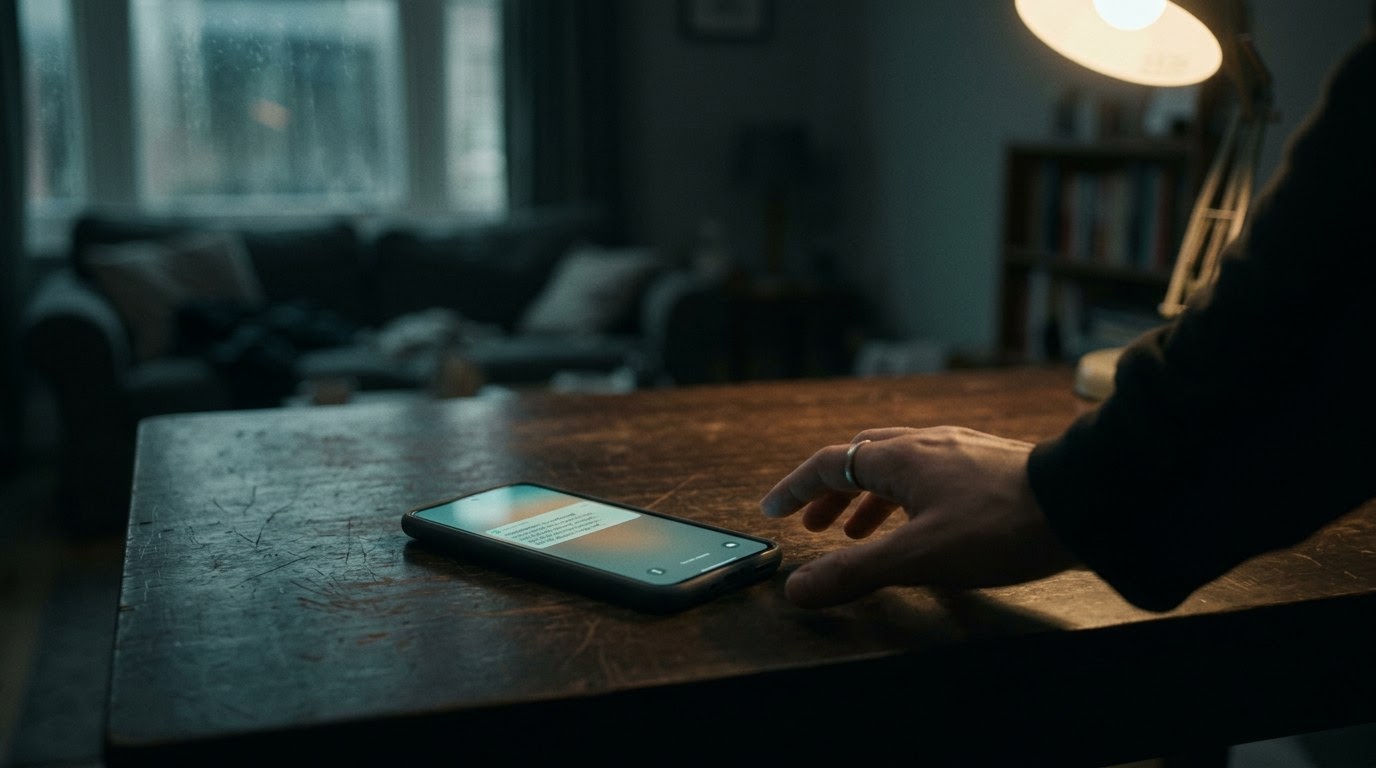
The fake date reservation scam targets individuals on online dating platforms by building rapid romantic rapport and convincing them to pay upfront fees on fraudulent booking sites for non-existent VIP tables, private lounge access, or mandatory venue safety passes. Typical financial losses range from $50 for initial booking deposits to over $2,000 when scammers execute follow-up unauthorized credit card charges or demands for technical verification fees. FTC data shows romance scam losses exceeded $1.3 billion in 2024, driven heavily by an increase in micro-transaction fraud, imposter booking engines, and off-platform redirection techniques. As of August 2026, these schemes continue to evolve, using sophisticated web templates that mimic high-end hospitality brands to trick daters into handing over money and credit card data before meeting in person.
How Fake Date Reservation Scams Target Online Daters: How the Scam Unfolds
Fake date reservation scams target online daters through a methodical, multi-step process designed to exploit romantic excitement and urgency. The fraud begins with rapid emotional bonding on standard dating applications, transitions to private messaging channels, and leads to a request to reserve or confirm a date at an exclusive venue. Victims are directed to a specialized, fraudulent payment website where their credit card details and deposit fees are harvested before the scammer abruptly breaks contact.
To understand how fake date reservation scams target online daters in real-world scenarios, consider the typical operational playbook executed by fraudulent networks operating across modern match platforms:
- Profile Creation and Rapid Mutual Matching: The scammer creates an attractive, highly polished dating profile using stolen photographs of models, influencers, or unsuspecting social media users. The profile details are tailored to appeal to professionals seeking serious relationships or upscale social experiences. Shortly after matching, the scammer initiates conversation with targeted compliments, rapid responsiveness, and strong romantic alignment.
- The Fast Push Off-Platform: Within hours or a few days of initial contact, the scammer suggests moving the conversation away from the dating app. They usually request a switch to encrypted messaging apps like WhatsApp, Telegram, or SMS. According to a 2024 BBB study found that over 40% of online dating fraud victims were targeted through off-platform communication links. Moving off-platform allows the scammer to bypass the dating app's built-in safety filters and moderation checks.
- Proposing the Exclusive Venue or VIP Access: Once off-platform, the scammer enthusiasm builds around meeting in person. Rather than suggesting a casual coffee shop or standard restaurant, the scammer proposes a specific, luxury venue. Common excuses include claiming they hold a corporate membership, that the spot is an exclusive speakeasy, or that a private lounge requires pre-registered guest safety passes due to celebrity visits or restricted capacity.
- Directing the Target to the Fake Reservation Site: The scammer sends a direct hyperlink to a website that appears to be the official reservation portal for the venue or an independent guest verification service. The website features sleek branding, false security badges, and convincing booking calendars. The scammer asks you to pay a nominal reservation fee, table deposit, or fully refundable safety check charge, often claiming they have already paid their half of the deposit.
- Exploiting the Payment Gateway and Glitch Escalation: When you enter your credit card information into the site, the payment system frequently displays an error message such as "Card Declined," "Session Timeout," or "Verification Failed." The scammer encourages you to try a second card or repeat the transaction. In reality, the fake site's backend harvest payment credentials and immediately executes unauthorized charges ranging from subscription sign-ups to direct currency drains.
- Ghosting, Delay Tactics, and Secondary Extortion: After securing the payment or credit card details, the scammer maintains the illusion for a brief period to prevent immediate bank chargebacks. They may claim they are running late, stuck in traffic, or experiencing a sudden family emergency on the night of the scheduled date. Once the fraudulent charges process fully, the profile disappears, phone numbers are disconnected, and all communication ceases.
In composite examples observed across consumer protection reports, a typical sequence involves a scammer presenting themselves as a busy luxury consultant who claims to be visiting your city. They insist on meeting at a private cocktail club that allegedly requires a mandatory $75 first-time guest registration pass. Once the dater enters their credit card into the link provided, the scammer claims the pass didn't go through and asks them to try again with a different card, netting thousands in fraudulent charges before deleting their profile.
Who Gets Targeted and Why
Fake date reservation scams target active users across all major dating apps, focusing primarily on working professionals between the ages of 25 and 55 who display high engagement and willingness to arrange real-world meetings quickly. Scammers exploit psychological hooks such as social excitement, fear of missing out, romantic idealization, and the desire to impress a prospective partner, overriding standard caution surrounding online payments.
The demographic focus of these operations relies heavily on targets who have discretionary income and familiarity with online booking systems. Busy professionals, recent transplants to major metropolitan areas, and individuals re-entering the dating pool are frequent targets because they are often accustomed to paying digital deposits for high-end dining or ticketed entertainment events.
Psychologically, the scam relies on social pressure and temporal urgency. When an attractive match proposes an exciting night out at a premier establishment, targets naturally experience a rush of validation. Scammers frame the payment as a minor, routine logistics issue rather than a financial transaction. The victim is made to feel that hesitating or questioning a $50 deposit makes them appear ungenerous, skeptical, or unsophisticated.
Furthermore, scammers leverage the principle of commitment consistency. Once a dater agrees in principle to go on the date, they want their actions to align with that commitment. Overcoming slight friction—such as filling out a web form—feels like a small hurdle compared to the perceived emotional reward of a successful first date.
Deconstructing the Playbook: Scam Stages and Real Motivations
Deconstructing the playbook reveals how scammers manipulate perception at every stage of interaction to turn casual conversation into payment transactions. By studying what the scammer says alongside what is actually happening behind the scenes, targets can spot technical manipulation, fraudulent domain registrations, and social engineering before issuing credit card payments.
According to FBI reports published in 2025, online dating impersonation schemes caused over $650 million in reported victim losses. Understanding the contrast between the narrative presented by the match and the underlying technical reality is essential for protection.
| Stage of the Scam | What the Scammer Says | What's Actually Happening |
|---|---|---|
| Early Relationship Building | "I don't check this app often. Text me directly so we don't miss each other's messages." | The scammer is moving off-platform to avoid automated account suspension when automated safety filters detect suspicious links. |
| Date Selection | "I reserved us a spot at this private lounge, but they require all guests to confirm via this reservation link." | The scammer is sending a link to a newly registered phishing site designed to mimic a legitimate venue management platform. |
| Payment Execution | "It's just a $50 refundable safety deposit to keep out trouble. I already paid my registration fee." | The payment form harvests full credit card details, card verification codes (CVC), and billing addresses to execute unauthorized charges. |
| Technical Escalation | "Oh weird, it says your payment failed on your end. Try putting in another card so we don't lose our spot." | The first credit card charge was successful or captured; the fraudster is attempting to extract financial credentials for a second payment source. |
| The Cancellation Phase | "My work meeting ran late! Go ahead and head inside, I'll meet you at the bar in 15 minutes." | The scammer is buying time so you arrive at a venue that has no record of your reservation while they transfer funds and delete profiles. |
In many documented instances, the venue named by the scammer either exists as a real business that does not use private booking links, or is entirely fictitious, operating solely as a website template created weeks prior. Scammers exploit real establishment names to build immediate trust, knowing that a quick search for the restaurant name will confirm it exists, even if the booking domain provided is completely unrelated to the actual business.
How to Recognize It Before Money Moves
Recognizing a fake date reservation scam before money moves requires evaluating third-party link requests, platform pushiness, and payment portal anomalies. Legitimate venues do not require a third-party guest safety clearance code or personal deposit links provided directly by an online acquaintance. Asking critical questions regarding website age, off-platform behavior, and payment methods reveals the fraud immediately.
To evaluate whether a match is steering you toward a reservation trap, run through these critical verification questions before clicking any links or providing financial information:
- Did the match insist on moving to an off-platform messaging app almost immediately? Scammers rarely spend more than a few messages on regulated dating apps before pushing for encrypted channels where monitoring is absent.
- Is the venue requesting payment through an unfamiliar URL or custom domain? If the URL does not match the official website of the establishment, or uses odd domain extensions like .xyz, .top, or .vip, it is almost certainly fraudulent.
- Does the venue claim to require a guest "safety code" or "dating background verification"? No real restaurant, bar, or nightspot mandates third-party personal safety passes for prospective dates. This is a primary red flag of reservation fraud.
- Is the match unwilling to let you choose a neutral, public alternative? If your match refuses a standard public bar or café and insists exclusively on a location that requires pre-payment through their link, break off contact.
- Has the website domain been registered within the last 90 days? You can check domain creation dates for free using WHOIS lookup tools. Scam sites are typically brand-new domains set up specifically for short-term campaigns.
No identity check can guarantee a safe transaction. A TrustCheck tells you whether the details someone gave you are consistent with one real identity — the judgement, and the risk, stay with you. Verifying identity details early ensures that the person you are communicating with is a real individual using their actual identity, eliminating the threat of organized impersonation rings.
Additionally, examine the payment gateway mechanics. Legitimate booking portals process transactions through established merchant processors like Stripe, Square, or OpenTable. If a link directs you to an unencrypted payment form, requests peer-to-peer app transfers (like Zelle or Venmo), or asks for cryptocurrency payment for a restaurant deposit, close the window immediately.
If It's Already Happened: Immediate Recovery Steps
If you have paid a fake date reservation fee or disclosed payment information, immediate financial and security containment is critical during the first 72 hours. You must contact your credit card issuer to freeze compromised cards, dispute fraudulent charges, file formal reports with consumer protection authorities, and document all chat logs and website addresses related to the incident.
Take the following protocol steps immediately upon realizing you have interacted with a fake date reservation scam:
- Freeze and Replace Compromised Cards: Contact your bank or credit card issuer immediately. Inform them that your card details were entered on a fraudulent phishing site. Request an immediate card cancellation, account freeze, and replacement card to prevent recurring subscriptions or unauthorized transfers.
- Document All Evidence: Take high-resolution screenshots of the entire conversation transcript, the match's profile pictures, the phone numbers used, the URL of the fake booking site, and your bank receipt. Do not delete the chat thread until you have saved all visual proof.
- File Official Fraud Reports: Submit an official report to the Federal Trade Commission at reportfraud.ftc.gov detailing the transaction. Additionally, submit a complaint to the FBI's Internet Crime Complaint Center at ic3.gov, providing the domain names, transaction numbers, and communication logs.
- Report the Profile on Dating Apps: Notify the platform where you first matched with the scammer. Provide screenshots of the profile to help moderation teams ban associated IP addresses, account profiles, and device hashes from targeting other users.
- Secure Your Identity Credentials: If you provided personal information such as your home address, driver's license number, or full legal name on the fake site, place a fraud alert or temporary freeze on your credit files with Equifax, Experian, and TransUnion.
A TrustCheck can tell you whether the details you were given trace back to a consistent identity, which is worth writing down for your own record of what happened. It cannot confirm that someone is a scammer, it will not tell you who was really behind the profile, and it is not evidence. Report the incident to your bank, to the platform where you met, and to the FTC at reportfraud.ftc.gov. Having concrete verification results helps demonstrate to financial institutions that you were targeted by an organized identity theft scheme, streamlining the process of recovering disputed funds.
Frequently asked
What is a fake date reservation scam?
A fake date reservation scam is an online dating fraud where a match convinces you to pay a deposit, safety pass, or VIP reservation fee on a fraudulent web link for a non-existent date venue before stealing your payment details and cutting off communication.
How do fraudsters convince victims to pay for date reservations?
Scammers build rapid romantic rapport, move off-platform quickly, and propose meeting at an exclusive venue. They present convincing fake booking websites and claim fees are mandatory refundable deposits or guest safety pass charges required by the location.
What are the main red flags of a reservation scam?
Key red flags include matches refusing neutral public venues, insisting on off-platform messaging within hours, sending links to unfamiliar domain names, requiring third-party safety passes, or asking for payment via unverified booking portals.
Can I get my money back if I paid a fake booking site?
If you paid using a credit or debit card, contact your card issuing bank immediately to file a chargeback dispute based on merchant fraud. Prompt reporting within 72 hours significantly increases the likelihood of recovering your funds.
Where should I report fake date reservation scams?
You should report reservation scams directly to the FTC at reportfraud.ftc.gov and the FBI IC3 at ic3.gov. Additionally, flag the profile on the dating platform where you initially matched and inform your credit card issuer.
More in Scams
- How Fake Fine Wine Provenance Certificates Scam Peer Collectors
October 12, 2026
- How Fake Camera Lens Swap Scams Target Marketplace Buyers
October 10, 2026
- How Fake Exotic Car Rental Deposit Scams Target Vacationers
October 8, 2026