How Fake First Date Delivery Scams Steal Financial Data
· 10 min read
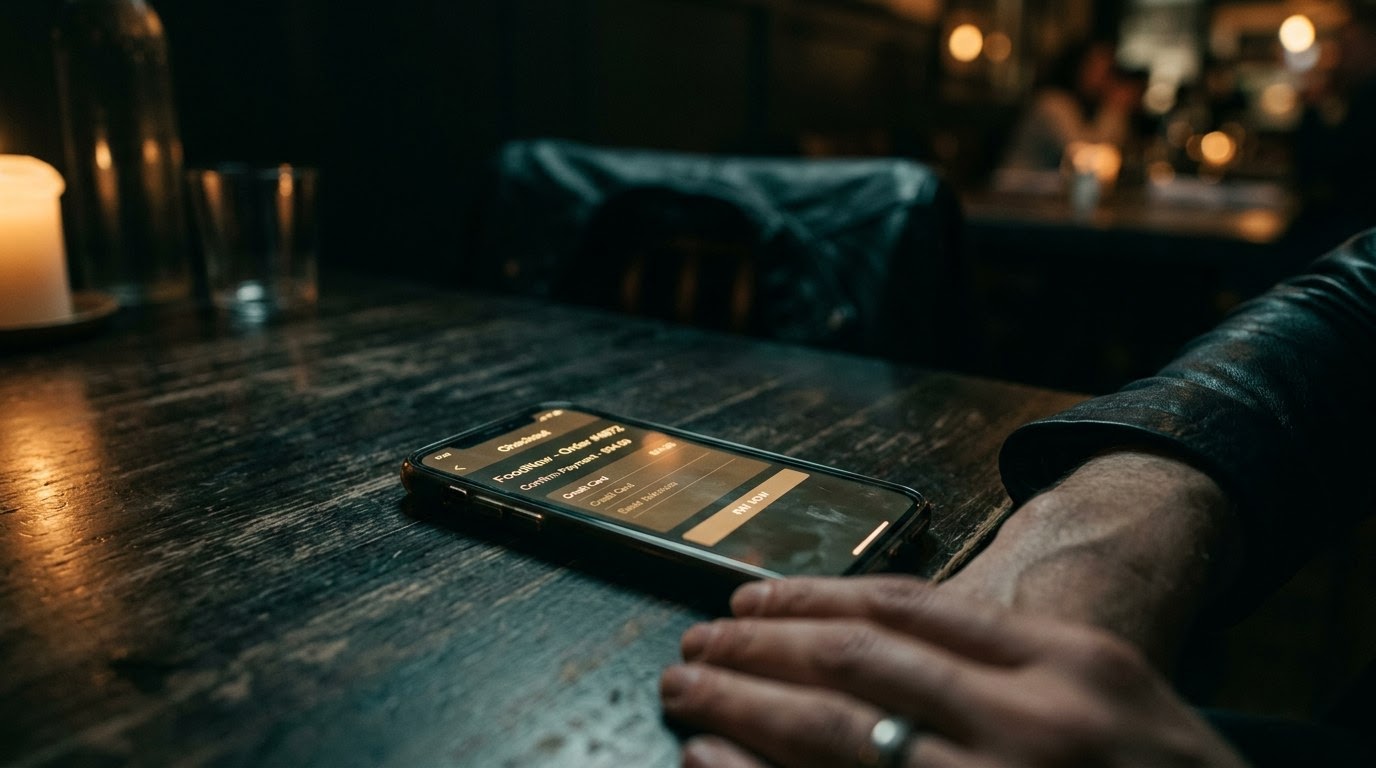
How Fake First Date Delivery Scams Steal Financial Data is an increasingly prevalent cyber-fraud tactic combining romance manipulation with credential harvesting. As of August 2026, scammers frequently groom targets on popular dating platforms before offering to send flowers, wine, or dinner directly to their homes prior to a first in-person meeting. According to FTC data from 2024, romance scams and related social engineering schemes accounted for over $1.3 billion in direct consumer losses. Average individual financial damages range from $200 in initial fraudulent charges to tens of thousands of dollars when harvested payment credentials are deployed across unauthorized bank withdrawals and illicit online purchases.
This manipulative scam exploits the excitement of a new romantic connection. By dressing up a credential harvesting attack as a thoughtful pre-date gift delivery, scammers convince targets to enter payment details on malicious websites without standard security precautions.
How the Scam Unfolds
The fake first date delivery scam unfolds through a scripted six-step narrative designed to lower your personal defenses using social validation and emotional excitement. The perpetrator builds rapid rapport, proposes a thoughtful pre-meetup gift, and directs you to a counterfeit courier website. Once you enter payment information to settle a tiny verification or delivery fee, the criminal captures your card details and personal data, vanishes from the platform, and executes unauthorized financial transactions across your accounts.
-
The Fast-Moving Connection on a Dating App
A typical sequence begins on a mainstream dating platform like Tinder, Bumble, or Hinge. The scammer creates an attractive profile using stolen photos of real individuals, often posing as an attentive professional. Contact accelerates quickly. The match moves conversation off the original dating platform onto private messaging apps such as WhatsApp, Telegram, or SMS within 24 to 48 hours. This shift allows the fraudster to avoid automated dating app security filters that monitor suspicious link sharing or copy-pasted text scripts. The scammer establishes intense interest, complimenting you continuously and suggesting an early evening meet-up at a local restaurant or coffee shop.
-
The Pre-Date Gesture or Special First Meeting Plan
Before the actual date takes place, the scammer introduces a courtly gesture. They express excitement about the upcoming meeting and offer to send a pre-date gift, such as a bouquet of roses, a bottle of champagne, a luxury chocolate box, or a catered meal delivered directly to your front door. In some variations, the fraudster claims they want a delivery service to drop off a special dress, suit, or entry ticket for a high-end venue you plan to visit together later that evening. The gesture feels generous, flattering, and harmless because the scammer insists they are paying for the gift entirely themselves.
-
The Third-Party Delivery Notification or Custom Ordering Portal
The fraudster sends a link to what appears to be a legitimate local delivery company, boutique florist, or specialized courier service. The website often closely spoofs real logistics brands like DoorDash, Uber Eats, FedEx, or regional flower delivery networks. The scammer claims they placed the order, but the delivery service requires you to confirm your home address, preferred delivery window, or contact phone number to complete the drop-off. Alternatively, the scammer claims the delivery company requires the recipient to accept the delivery terms directly through their online portal for security reasons.
-
The Nominal Fee or Address Verification Trap
When you open the provided link, you are greeted by a sleek, professional web form displaying the sender's fake name and an itemized receipt for the pending gift. However, the site prompts you to pay a nominal fee—typically between $1.50 and $4.99—to cover "address verification," "age validation for alcohol delivery," or an "out-of-zone delivery surcharge." The scammer messages you concurrently, apologizing for the small unexpected fee and offering to reimburse you in cash or add it to the tip at dinner. Because the dollar amount is negligible, most targets input their details without second thought.
-
Card Harvesting and Payment Processing Failures
The payment form on the fake website is an active phishing engine. When you input your full name, home address, credit or debit card number, expiration date, and CVV security code, the data is instantly captured on the scammer's command-and-control server. To make the transaction appear legitimate, the site often displays a simulated processing wheel followed by a fake error message stating, "Payment gateway timeout - please try another card" or "Card issuer declined transaction." Unwitting victims frequently attempt entering a second or third credit card, handing the fraudster multiple financial instruments in a single session.
-
Abrupt Disappearance and Account Draining
Once payment credentials are stolen, the scammer's behavior changes immediately. They unmatch you on the dating app, block your phone number, and delete their messaging profiles. Within hours, the stolen financial data is either used directly by the fraudster or sold on dark web marketplaces. Victims quickly notice unauthorized credit card charges ranging from recurring subscription sign-ups to high-value gift card purchases, electronics orders, or electronic wire transfers. The promised gift never arrives, and the victim is left with compromised bank accounts and personal identity disclosures.
A typical composite scenario illustrates how easily this playbook executes in real life. Consider a match named "Mark" who claims to be a regional project manager. Within two days of chatting, Mark plans a dinner date for Friday night. On Friday afternoon, Mark sends a text stating he ordered a $120 flower arrangement to be delivered to your residence before dinner as a romantic gesture. Minutes later, Mark sends a URL to "CityExpressFlowers-Verify.com" and asks you to confirm your address. Upon opening the link, the page demands a $1.99 address confirmation fee. After you enter your credit card number, the page displays a continuous loading graphic. By the time you text Mark to report the site issue, his profile has been deleted and $850 in unauthorized online retail transactions appear on your card statement.
Fake First Date Delivery Scam Stages Explained
Understanding how each stage of a fake first date delivery scam operates helps you spot deceptive tactics early. Scammers rely on scripted psychological manipulations to transform a modest gesture into financial theft. The reference guide below contrasts the fake claims made by fraudsters during the scam lifecycle against the hidden technical and operational realities taking place behind the scenes on malicious server infrastructure.
| Stage of the Scam | What the Scammer Says | What's Actually Happening |
|---|---|---|
| Initial Outreach | "I prefer chatting on WhatsApp; I don't check this app often." | Scammer shifts off-platform to evade dating app scam detection algorithms. |
| Gift Proposal | "I want to send champagne to your apartment before our dinner date tonight." | Fraudster establishes an emotional hook to justify sending a malicious website link. |
| Phishing Link Sent | "Click this link to confirm your delivery address and arrival time." | Victim is directed to a lookalike website engineered to harvest financial credentials. |
| Small Fee Request | "It asks for a $2 address verification fee, I'll pay you back at dinner!" | Scammer tricks victim into authorizing a live credit card test transaction. |
| Processing Error | "The system glitched, try using a secondary card so the order goes through." | Phishing site collects backup credit card data to maximize financial theft. |
| Post-Transaction | [Match blocks contact and disappears across all channels] | Harvested credit card data is liquidated through unauthorized online purchases. |
Analyzing this progression highlights that the financial loss is never about the $2 fee shown on screen. The fee serves as an intentional psychological hurdle designed to validate that the credit card is active, valid, and possesses available credit line capacity before automated scripts drain funds.
Who Gets Targeted and Why
Online daters across all age groups who are actively seeking meaningful romantic connections are targeted by delivery scammers. Scammers exploit the natural excitement, trust, and lowered defenses that accompany early romantic chemistry. By framing the phishing link as a courtly gesture or surprise gift, fraudsters bypass the critical skepticism victims normally apply to unexpected financial requests from strangers.
Fraudsters specifically target active users on dating apps because romantic optimism creates cognitive blind spots. A 2025 BBB report revealed that 65% of online dating fraud victims encountered fake websites designed to harvest financial data. Victims are not targeted due to lack of digital literacy, but rather because social engineering leverages genuine human desire for affection.
The psychological hook relies on reciprocity and social politeness. When someone appears to offer a generous gift valued at $100 or more, declining to pay a $2 administrative verification fee feels impolite or unappreciative. Scammers exploit this social norm, making the victim feel that questioning the small fee would ruin the nascent romantic connection. Furthermore, scammers profile users who post details about high-stress careers or busy schedules, calculating that these individuals are more likely to complete fast online checkout forms on mobile devices without scrutinizing domain names or URL security certificates.
Another common target demographic includes recently single individuals or older adults returning to online dating after long relationships. These users may be less familiar with recent cyber-phishing tactics and are more inclined to accept romantic gestures at face value. Scammers systematically exploit these vulnerabilities across multiple messaging channels simultaneously.
How to Recognize It Before Money Moves
Recognizing a fake date delivery scam before money moves requires identifying specific operational red flags during early interactions. Legitimate delivery services never demand payment from gift recipients to confirm delivery addresses. Any request for credit card information, small verification charges, or third-party web registrations from a dating app contact must be treated as an immediate credential harvesting attempt.
To evaluate potential risk during early dating interactions, ask yourself these diagnostic questions before interacting with any external links or submitting payment details:
- Is the match pushing aggressively to communicate off the dating app? Scammers want to leave platforms before security algorithms flag their copy-pasted messages or suspicious links.
- Did the contact offer an unexpected delivery before meeting face-to-face? Generous pre-date gifts from someone you have never met in person are almost exclusively social engineering tactics.
- Does the delivery company URL look strange or slightly misspelled? Examine the domain name carefully. Fraudsters register domains like "courier-gift-verification-now.com" rather than official brand domains.
- Is a payment card required to receive a gift? Legitimate flower shops, courier services, and food delivery apps charge the sender, never the recipient.
- No identity check can guarantee a safe transaction. A TrustCheck tells you whether the details someone gave you are consistent with one real identity — the judgement, and the risk, stay with you. Conducting identity verification early helps verify if the person's claimed identity, photos, and contact numbers match real public records.
- Is the contact offering excuses for why they cannot make the payment themselves? Claims of credit card lockouts, regional payment barriers, or app glitches are standard excuses used to shift financial input to you.
Technical tells on phishing websites offer additional clues. Fake delivery portals often lack functional navigation links; clicking "Terms of Service," "Contact Us," or "About" either reloads the current page or leads to dead ends. Furthermore, these sites routinely use static countdown timers or fake live-chat widgets designed to create artificial urgency, pressuring you to submit financial credentials before thinking critically.
If It's Already Happened
If you entered financial details into a fake delivery website, take immediate protective action to minimize financial damage and safeguard your identity. Contact your credit card issuers instantly to cancel compromised cards and dispute fraudulent charges. Document all communication history, report the incident to consumer protection authorities, and audit your personal credit reports for unauthorized account openings.
Execute these vital steps immediately within the first 72 hours following compromise:
-
Contact Your Financial Institutions Immediately
Call the fraud department of every bank or card issuer associated with the cards entered into the malicious form. Request an immediate cancellation of the compromised card numbers and issue fresh replacement cards with distinct numbers. Inform the bank that your full card numbers, CVV codes, and billing address were exposed to a phishing website so they can place heightened fraud monitoring on your accounts. FBI reports from 2023 indicated that online fraud complaints involving phishing and romance hooks totaled over 40,000 cases nationwide, highlighting the necessity of rapid financial isolation.
-
Document Communication Evidence and File Formal Reports
Capture screenshots of all dating app conversations, text messages, phone numbers, delivery website links, and email receipts before the scammer deletes their profile or blocks you. File an official consumer report with the Federal Trade Commission at reportfraud.ftc.gov. Additionally, submit a cybercrime report to the Federal Bureau of Investigation's Internet Crime Complaint Center at ic3.gov. Formal reports provide necessary documentation when disputing unauthorized credit card charges with financial institutions.
-
Verify the Contact and Protect Identity Infrastructure
A TrustCheck can tell you whether the details you were given trace back to a consistent identity, which is worth writing down for your own record of what happened. It cannot confirm that someone is a scammer, it will not tell you who was really behind the profile, and it is not evidence. Report the incident to your bank, to the platform where you met, and to the FTC at reportfraud.ftc.gov. Freeze your credit files with the three primary credit reporting bureaus—Equifax, Experian, and TransUnion. Placing a credit freeze prevents criminals from opening fraudulent credit cards, personal loans, or mobile phone contracts using your harvested address and personal information.
-
Update Account Passwords and Security Settings
If you entered account passwords or personal security answers on the phishing portal, update those credentials immediately across all online accounts. Enable multi-factor authentication using an authenticator app rather than SMS verification wherever possible to block automated credential-stuffing attacks.
-
Monitor Bank and Credit Statements Rigorously
Review your bank and credit card statements weekly for at least six months following the incident. Scammers frequently test compromised credit cards with tiny recurring transactions—such as $0.99 digital subscriptions—before executing high-value fraudulent purchases.
Frequently asked
Why do fake delivery websites ask for small fees like $1.99?
Scammers ask for nominal fees because low amounts do not raise immediate suspicion. Paying the fee validates that your credit card is active and authorized, allowing the scammer's automated software to harvest full card details, CVV codes, and billing addresses for high-value fraudulent transactions later.
Can a legitimate courier service charge the recipient an address verification fee?
No, legitimate courier services, florists, and food delivery apps never charge recipients fees to confirm delivery addresses. The sender pays all handling and shipping charges upfront. Any request for recipient payment card details to receive a pre-paid gift is a clear phishing indicator.
What should I do if I entered my credit card on a fake date delivery site?
Call your bank or credit card issuer immediately to cancel the card and request a replacement with new credentials. Report the fraudulent transactions, document all text messages and website links, and file formal cybercrime reports with the FTC and FBI IC3 portals.
How do scammers create convincing delivery websites so quickly?
Scammers use automated web templates and stolen branding graphics from real logistics brands to build lookalike phishing portals in minutes. They register temporary web domains that mimic legitimate business names, designed specifically to trick mobile users who may not inspect full URL details closely.
How can I verify if a dating match is real before agreeing to meet?
Verify matches by insisting on staying on the official dating app initially and requesting a short video call before meeting. You can also run identity verification checks on phone numbers or social media handles to confirm public records align with claimed details.
More in Scams
- How Fake Fine Wine Provenance Certificates Scam Peer Collectors
October 12, 2026
- How Fake Camera Lens Swap Scams Target Marketplace Buyers
October 10, 2026
- How Fake Exotic Car Rental Deposit Scams Target Vacationers
October 8, 2026