How Fake Foreign Currency Exchange Scams Target International Travelers and Expats
· 10 min read
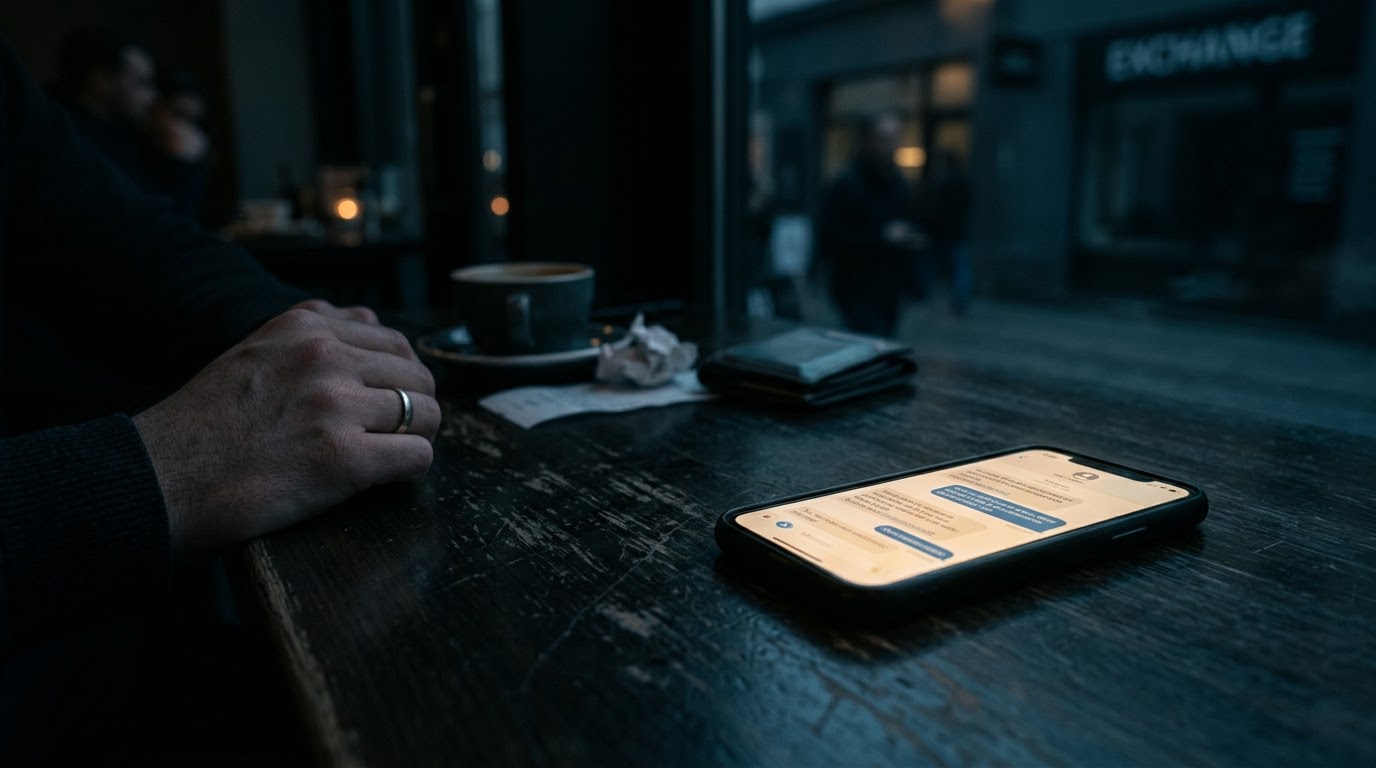
As of August 2026, foreign exchange fraud targeting tourists, remote workers, and expats has evolved beyond traditional street corner short-change schemes into sophisticated digital-first operations. Fraudsters now leverage location-based dating and social networking applications to build intimate trust with newcomers before proposing off-market, peer-to-peer cash swaps. Victims lose between $500 and $10,000 per incident, often realizing they have received counterfeit notes or reversed bank transactions long after the scammer has broken contact. The FTC reported that imposter and peer-to-peer transaction scams resulted in over $2.7 billion in consumer losses in 2024. Understanding the structured mechanics of this fraud is essential for protecting your savings while living or traveling abroad.
How Fake Foreign Currency Exchange Scams Target International Travelers and Expats
Fake foreign currency exchange scams target international travelers and expats by combining romantic or social engineering with informal financial transactions. Fraudsters establish contact on local matching platforms, gain the victim's trust over several days, and offer a mutually beneficial currency swap to bypass traditional ATM withdrawal fees or exchange markups. The scam concludes with an in-person exchange where the perpetrator hands over counterfeit physical bills or demonstrates a fake digital money transfer, leaving the victim stripped of their funds and holding worthless paper or unverified screen receipts.
-
The Initial Location-Based Match
The fraudster sets up a polished, authentic-looking profile on a local dating app or expat networking group in a popular destination city. Their profile typically displays high-end lifestyle photos, localized interests, and a bio framing them as a helpful local professional or an experienced fellow traveler. They set their distance filters to match with newly arrived users in transit hubs, co-working hotspots, or popular tourist districts. Within hours of a match, the scammer initiates friendly, low-pressure conversation, offering local recommendations on restaurants, hidden city spots, or neighborhood safety tips to quickly build credibility and rapport.
-
Building Local Trust and Financial Rapport
Over two to five days of active messaging, the scammer shifts the conversational baseline toward daily logistical challenges of living abroad. They casually mention common pain points like absurd bank foreign transaction fees, poor exchange rates at airport kiosks, or daily ATM withdrawal caps imposed on foreign credit cards. The scammer establishes financial common ground by mentioning they routinely trade currencies directly with friends or local contacts to bypass institutional markups, positioning the practice as standard operating procedure for savvy expats in the region.
-
Introducing the Urgent Currency Swap Story
Once social trust is established, the scammer introduces a timed scenario. A typical sequence involves the scammer claiming they urgently need foreign currency (such as U.S. Dollars, Euros, or British Pounds) for an upcoming trip, an international online payment, or to pay a landlord who demands hard foreign banknotes. Alternatively, they claim to hold a surplus of the local currency that they need to offload before leaving the country. They offer to exchange their local currency for your foreign cash at the exact mid-market exchange rate without charging fees, framing the transaction as a win-win favor between friends.
-
Negotiating the In-Person Peer-to-Peer Swap
The scammer proposes a fast, informal meeting in a busy, semi-public area like a noisy coffee shop, a hotel lobby, or a crowded public plaza. They specifically select environments with constant visual and auditory distractions to reduce your focus during the actual exchange. If you suggest conducting the transaction inside a bank or using an official exchange counter, the scammer makes excuses, claiming banks take heavy tax cuts, demand excessive documentation, or take too long to process standard counter trades.
-
The Sleight of Hand or Digital Spoof Execution
During the meeting, the exchange occurs via one of two primary methods. In physical cash swaps, the scammer presents neatly stacked local banknotes wrapped in authentic bank bands, placing high-value real bills on the top and bottom of the stacks while filling the center with high-grade counterfeit notes or movie-prop paper. In digital peer-to-peer swaps, the scammer uses a modified banking application or screen-recording overlay that generates a fake real-time transaction receipt showing money successfully sent to your mobile wallet. They pressure you to hand over your cash immediately before you can verify funds settling in your bank account.
-
The Sudden Exit and Digital Erasure
The moment you hand over your physical cash or confirm receipt of the visual digital proof, the scammer invents a sudden reason to leave, such as meeting a waiting friend or catching an urgent ride-share. Once they clear the physical area, they immediately unmatch you on the dating application, block your mobile phone number, and delete their social media profiles. When you attempt to spend the local cash at a store or check your banking application 15 minutes later, you discover the bills are counterfeit or the digital deposit never existed.
The Playbook Breakdown: What They Say vs. What Is Happening
Deceptive exchange scams rely on scripted psychological triggers designed to bypass your logical financial checks. Scammers exploit common traveler frustrations—such as banking surcharges and language barriers—to make illegal currency swaps sound like smart financial management. By mapping what the fraudster says directly to their underlying objective, you can spot the trap before physical cash or digital assets change hands.
| Stage of the Scam | What the Scammer Says | What's Actually Happening |
|---|---|---|
| App Contact | "I love meeting travelers here! Let me show you around the hidden local spots banks don't tell you about." | The scammer screens for vulnerable non-locals who lack familiarity with local currency features and safety protocols. |
| Problem Framing | "Local ATMs charge a 10% conversion fee. I always swap cash directly with friends to avoid getting ripped off by banks." | They are priming you to view unlicensed, peer-to-peer money exchanges as normal, safe financial behavior. |
| The Proposition | "I have $1,000 worth of local currency cash. If you give me US Dollars, I'll give you the exact spot rate with zero fees." | They create a financial incentive for you to bypass safe banking channels and ignore regulatory safeguards. |
| Location Setup | "Let me pop over to your cafe for 5 minutes. No need to wait in line at a bank teller." | They pick a distracted public setting where you cannot access bank counterfeit detectors or verify electronic transfers. |
| The Hand-off | "Look, the transfer confirmation screenshot says 'Completed'. It takes 20 minutes to clear international networks, so we're good!" | They use a customized fake banking app screen to fool you into handing over cash for a transfer that never occurred. |
In physical exchange variations, fraudsters often utilize counterfeit bill techniques that fool quick visual inspections. They mix genuine local notes with prop money, notes with matching duplicate serial numbers, or older demonetized banknotes that are no longer legal tender in the host country. When digital transfers are involved, fraudsters rely on spoofed banking interfaces, fake SMS payment confirmations, or fraudulent wire transfers initiated from stolen accounts that banking systems reverse within 48 hours. According to FBI IC3 data released for 2024, financial loss reported by international travel fraud victims exceeded $400 million, driven significantly by mobile application social engineering.
Who Gets Targeted and Why
Foreign exchange scammers target long-term expats, remote workers, solo tourists, and foreign students who have recently arrived in a country. Scammers pick these groups because newly arrived travelers suffer from information asymmetry, lack strong local support networks, and actively seek ways to minimize high foreign exchange markups and international ATM fees. The psychological hook relies on mutual benefit, rapid romantic chemistry, and the victim's misplaced confidence in peer-to-peer digital payments.
International travelers face specific cognitive vulnerabilities that scammers systematically exploit:
- Currency Unfamiliarity: Newly arrived expats are rarely familiar with the weight, paper texture, watermark positions, or security threads of local banknotes, making fake bills difficult to detect during quick encounters.
- Social Isolation: Solo travelers often welcome fast-paced friendships or romantic matches on apps, lowering their natural defensive barriers against people who show early hospitality.
- Sensory Fatigue: Navigating a foreign language, unfamiliar transit systems, and culture shock depletes cognitive bandwidth, making travelers prone to accepting convenient financial solutions.
- Fear of High Bank Fees: Expats frequently complain about foreign transaction costs, making an "off-market deal" sound like an intelligent hack rather than a financial hazard.
Consider a typical sequence: a digital nomad relocates to a capital city and posts in a local social group looking for advice on paying apartment rent without incurring standard bank transfer fees. A scammer profiles the target, sends a friendly direct message on a local app, and builds rapport over three days by offering local neighborhood guidance. The scammer then offers to accept foreign currency via a cash hand-off to solve the rent problem. The target accepts, assuming the social connection guarantees safety, only to discover later that the bundle of local notes contained mostly fake bills. Scammers rely on this exact sequence because social validation blunts standard financial caution.
How to Recognize It Before Money Moves
Recognizing a currency exchange scam requires establishing strict rules around financial transactions while living or traveling abroad. No matter how charming, helpful, or attractive a social media or dating app match seems, mixing social relationships with off-market currency trades carries extreme financial risk. Running a TrustCheck early narrows the question to one thing: whether the details you were given describe a real, consistent identity. Plenty of scams are run by people using their own names, so treat the result as evidence about the details, not a verdict on the person.
Ask yourself these critical evaluation questions before agreeing to meet anyone for a money swap:
- Why is this person offering me money exchange services instead of using a commercial institution? Licensed foreign exchange booths and official bank branches operate under legal regulations. A stranger offering you mid-market rates with zero fees has no financial incentive to do so unless they are defrauding you.
- Is the contact pushing to conduct the exchange away from official bank branches? Refusal to meet inside a verified bank or money transfer office—where staff can verify currency authenticity—is an immediate indicator of illicit activity.
- Am I relying on visual screen confirmation rather than clear funds in my balance? Never hand over physical cash based on a screenshot, photo, or app animation shown on someone else's phone screen. Scammers regularly utilize custom Android apps designed to simulate popular banking confirmation screens.
- Is the contact pressuring me to finish the exchange rapidly? Fraudsters use artificial urgency, such as claiming their ride is waiting or their phone battery is dying, to prevent you from carefully inspecting individual bills.
- Am I familiar with the security features of the physical currency? If you cannot identify the raised ink, microprinting, color-shifting ink, and watermarks of the local currency, you should not perform cash swaps outside an exchange counter.
Always inspect physical currency systematically. Real banknotes across most nations use specialized cotton-linen blends or polymer materials that feel distinct from normal paper. Hold notes up to a light source to confirm watermarks and security threads embedded within the banknote paper rather than printed on the surface. If someone hands you a stack of cash, inspect every note individually rather than checking only the outer bills.
If It's Already Happened
If you have fallen victim to an in-person currency exchange scam, act fast within the first 72 hours to minimize damage, protect your accounts, and document evidence for international authorities. After the fact, a TrustCheck tells you only whether the contact details held together as one identity. That is context, not evidence, and investigators will not treat it as documentation. Report what happened to your bank and to the FTC at reportfraud.ftc.gov, and keep your own records of the messages and payments. Fraudsters often move quickly to leverage stolen personal details or pass off counterfeit cash across multiple victims in the same area.
Take these critical recovery actions immediately:
-
Secure Your Financial Accounts and Stop Payments
Contact your bank or card issuer immediately if you initiated a digital transfer, app payment, or bank wire. Inform their fraud department that you were targeted by a financial scam. Request an immediate recall or wire reversal if the payment was sent recently. Freeze any debit or credit cards exposed during the interaction.
-
Document Every Piece of Evidence
Take high-resolution screenshots of the scammer's app profiles, phone numbers, conversation histories, transaction attempts, and meeting location details before they delete their accounts. Take clear photographs of any counterfeit notes received, taking care to record serial numbers without handling the paper excessively.
-
File Reports with Fraud Registries and Law Enforcement
File an official police report with local municipal authorities in the city where the incident occurred. Request a physical copy of the police report with a case reference number for your records. Next, submit a formal report to federal oversight agencies. If you are a U.S. citizen or the fraud involved U.S.-based accounts or platforms, report the incident immediately at reportfraud.ftc.gov and file an international cybercrime complaint at ic3.gov.
-
Safely Handle Counterfeit Bills
Do not attempt to spend or pass off counterfeit banknotes to local merchants or foreign exchange counters. In many international jurisdictions, passing known counterfeit currency is a severe criminal offense that can result in your arrest. Place the fake currency inside a clear plastic envelope and surrender it directly to police officers or bank managers alongside your official incident report.
A 2024 BBB report revealed that fewer than 15% of peer-to-peer transaction fraud victims manage to recover lost funds once cash changes hands. However, immediate reporting creates regulatory records that assist law enforcement in tracking organized fraud networks operating across international borders, protecting future travelers from identical schemes.
Frequently asked
Why do scammers use local dating apps for foreign exchange scams?
Dating apps allow fraudsters to target newly arrived travelers based on geographic location. These platforms help scammers build fast romantic or social trust, lowering a traveler's financial defenses compared to standard stranger interactions.
How can I spot counterfeit foreign currency during an exchange?
Check notes for official security threads, watermarks visible under light, color-shifting ink, and raised microprinting. Counterfeit paper feels smooth or thin compared to official polymer or cotton-linen bill materials.
Is it legal to exchange cash with individuals while traveling?
In many foreign jurisdictions, exchanging currency outside authorized banks or licensed money houses violates local financial laws. Carrying or attempting to spend counterfeit currency can also result in legal penalties.
What should I do if a scammer shows a payment confirmation screenshot?
Never hand over cash based on screenshots or animations on another person's phone. Only consider a digital transfer complete when funds clear independently inside your own verified mobile banking application.
Can my bank reverse a peer-to-peer payment sent to a currency scammer?
Bank reversals on voluntary peer-to-peer transfers are rare once cash or digital funds have settled. Contact your financial institution's fraud department within 72 hours to request an emergency wire trace or dispute.
More in Scams
- How Fake Fine Wine Provenance Certificates Scam Peer Collectors
October 12, 2026
- How Fake Camera Lens Swap Scams Target Marketplace Buyers
October 10, 2026
- How Fake Exotic Car Rental Deposit Scams Target Vacationers
October 8, 2026