How Fake High-End Bicycle Deposit Scams Target Peer Buyers
· 9 min read
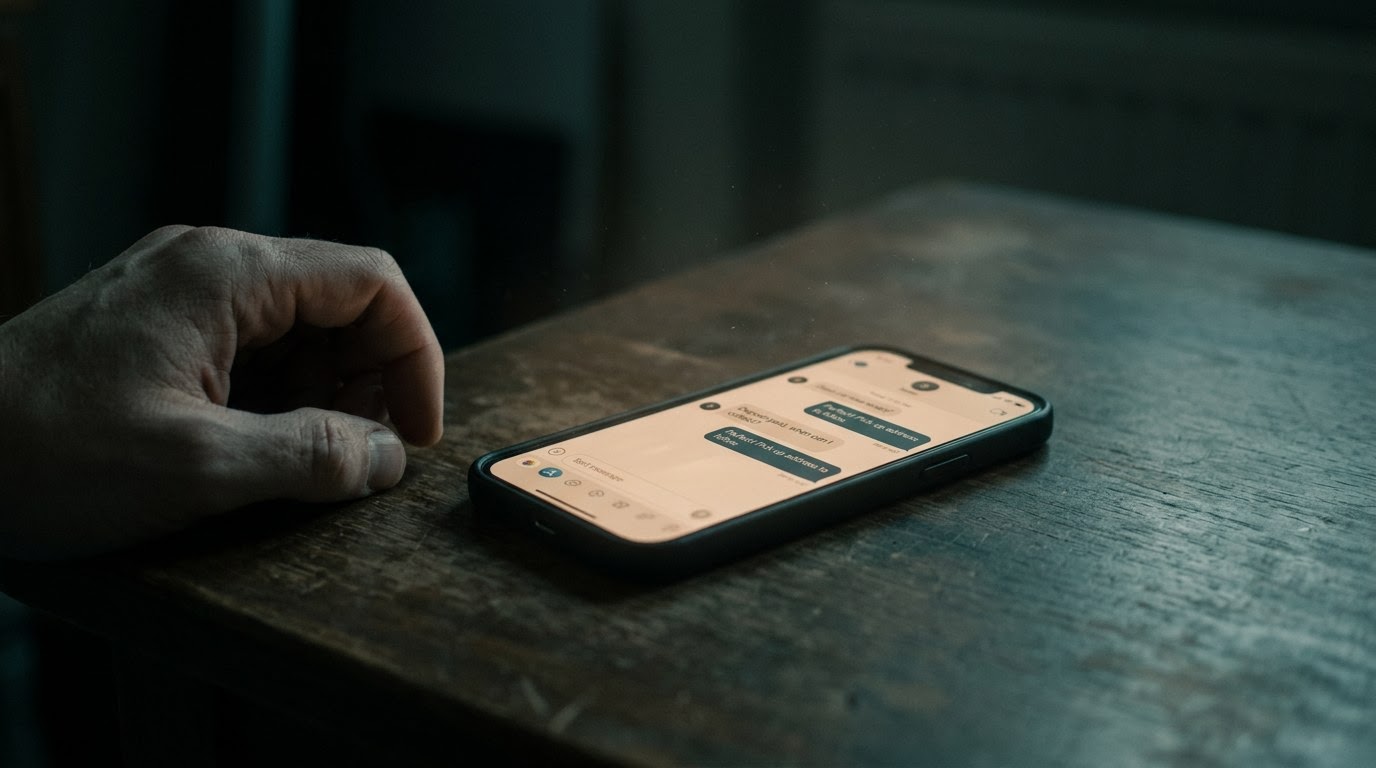
Fake high-end bicycle deposit scams systematically target cyclists and enthusiast buyers searching peer-to-peer marketplaces for premium road, gravel, and mountain bikes. Victims routinely lose between $300 and $1,500 per incident after transferring advance deposits to reserve items that do not exist in the seller's possession. As of October 2026, online peer sale fraud continues to escalate rapidly across digital communities. Federal Trade Commission reporting indicates that peer-to-peer payment fraud across online marketplaces resulted in reported losses exceeding $1.4 billion in 2024.
How the Fake High-End Bicycle Deposit Scam Works
The fake high-end bicycle deposit scam functions by enticing buyers with stolen imagery of expensive bikes priced significantly below market value. Scammers fabricate immediate competition from other interested buyers to demand an advance holding deposit via non-refundable peer-to-peer payment apps. Once the buyer sends the money to secure the bike, the scammer postpones the in-person meeting, requests secondary fees, and ultimately cuts off all communication.
To understand how this fraud operates in practice, consider a typical sequence across popular platforms like Facebook Marketplace, Craigslist, OfferUp, or specialized cycling forums. Fraudsters study cycling terminology and secondary market values to construct convincing listings that appeal directly to bargain-hunting buyers.
-
Listing High-Demand Equipment at Below-Market Rates
The scam begins when a seller posts a high-end bicycle—such as a carbon-frame Specialized S-Works, Trek Madone, or Santa Cruz Megatower—priced 40% to 60% below current used market values. The listing includes multiple high-resolution photos showing clean componentry, electronic shifters, and pristine paint work. These photos are scraped from legitimate historic listings, eBay auctions, or private Instagram accounts. The scammer writes a realistic description detailing gear specifications, frame size, mileage, and maintenance history to build instant credibility with knowledgeable buyers. -
Migrating Communication Off-Platform
When you send an initial inquiry through the marketplace platform, the seller responds quickly with polite, knowledgeable answers. Shortly after establishing rapport, the seller insists on moving the conversation to SMS text messages, WhatsApp, or email. They claim their marketplace notifications are broken, or that they prefer direct messaging because they are busy at work. Moving off-platform isolates you from built-in marketplace monitoring tools, reporting flags, and account verification checks. -
Manufacturing Artificial Urgency and Phantom Competition
Once direct contact is established, you arrange a local meetup at a public spot, such as a coffee shop or police station parking lot. However, hours before the scheduled time, the seller sends a message claiming that another buyer has offered full price cash and can pick up the bike immediately. The seller states that they prefer to hold the bike for you because you messaged first, but they need a deposit to prove you are serious and to justify turning away the other cash buyer. -
Demanding Immediate Unreversible P2P Deposits
The scammer asks for a deposit—typically between $100 and $500—to hold the bicycle until the meetup. They insist on instant digital payment applications like Zelle, Venmo (friends and family option), Cash App, or Apple Cash. They reassure you that this deposit will be deducted from the final cash price upon inspection. If you hesitate, the seller uses emotional pressure, stating that three other people are currently messaging them and they will sell the bike to the next person who sends a deposit. -
Extorting Secondary Fees and Fabricating Logistics Issues
After you send the initial hold deposit, the seller confirms receipt and promises to meet as planned. Shortly thereafter, a secondary obstacle arises. The scammer might claim their spouse mistakenly listed the bike without factoring in expensive carbon wheelsets, requiring an additional $200 deposit to secure the full build. Alternatively, if the transaction involves shipping, the scammer provides a fake tracking link and claims the courier company requires a refundable "insurance fee" or "special bike crate fee" before dispatching the driver. -
Abrupt Disconnection and Account Erasure
When you refuse to pay additional fees or show up at the agreed meetup location, the reality of the situation becomes clear. The seller stops responding to messages, disconnects their phone number, and deletes the marketplace listing. In many cases, the seller blocks your account immediately after receiving the initial deposit, leaving you stranded at a meetup spot with no way to contact the perpetrator or recover your funds.
Who Gets Targeted and Why
High-end bicycle deposit scams primarily target dedicated cycling enthusiasts, triathletes, and bargain hunters looking for premium carbon frames, electronic shifting groupsets, and specialized wheelsets. Scammers exploit the scarcity of high-tier cycling equipment and the high retail prices of premium brands. Buyers are emotionally primed to act fast when they believe they have found an extraordinary deal on rare equipment.
The psychological hook relies entirely on gear inflation and manufactured scarcity. Modern carbon road bikes and full-suspension mountain bikes frequently cost between $5,000 and $12,000 at retail. Because brand-new prices remain steep, the secondary market is extremely competitive. Enthusiasts spend months checking local feeds for specific frame sizes or high-spec components.
Fraudsters capitalize on this specific buyer behavior. When an enthusiast spots a pristine road bike listed for $1,800 instead of its typical secondhand value of $4,000, their analytical skepticism is often overridden by fear of missing out. The scammer reinforces this urgency by speaking fluent cycling terminology, accurately citing component tiers like Shimano Dura-Ace or SRAM Red AXS. By establishing technical competence early, the scammer builds rapid trust, making their request for a small hold deposit seem reasonable rather than suspicious.
How to Recognize It Before Money Moves
Recognizing a bicycle deposit scam before money transfers requires identifying common transactional anomalies, such as refusal to meet in public without an advance fee, refusal to provide customized proof photos, and insistence on instant payment methods. Asking direct verification questions and assessing seller credibility early eliminates the risk of deposit loss. For example, running a TrustCheck on the contact in week one catches most variants of identity fabrication before any financial commitment occurs.
To keep your funds safe while shopping on secondary peer marketplaces, ask yourself these diagnostic questions before sending any payment:
-
Is the seller unwilling to provide customized proof of physical possession?
If a seller refuses to provide a fresh photo of the bicycle taken next to today's date written on a piece of paper, or a specific handwritten note with your name on it, the seller does not possess the item. -
Does the seller refuse cash on delivery at a local meetup?
Legitimate local sellers expect cash or an in-person digital transfer at the exact moment you physically inspect the bicycle. Any seller who insists on money changing hands before you touch the frame is running a deposit scheme. -
Is there intense pressure to send funds instantly via non-refundable P2P apps?
Scammers insist on payment services that lack buyer protection, specifically Zelle, Cash App, or Venmo "Friends and Family." If you offer to pay via buyer-protected goods and services methods and the seller refuses, cancel the transaction. -
Do the listing photos appear across multiple cities or original websites?
Run a reverse image search on all photos provided in the listing. Better Business Bureau research published in 2024 revealed that over 45% of online marketplace purchase scams involved stolen imagery of high-value sporting equipment and electronics. If the identical bike appears in prior listings from different states or past auction archives, the listing is fraudulent. -
Did the seller immediately demand to move the chat off the original app?
Off-platform communication removes key identity logs and auto-moderation tools. Keep all discussions within the native marketplace app until you meet in person.
Scam Tactics at a Glance
Comparing the scammer's stated reasons with their operational objectives exposes the mechanics of deposit fraud. Fraudsters use standardized scripts designed to normalize advance payments while shifting financial risk entirely onto the buyer. Recognizing these verbal patterns allows buyers to halt transactions immediately when suspicious payment terms are introduced.
| Stage of the Scam | What the Scammer Says | What's Actually Happening |
|---|---|---|
| First Contact | "I have a lot of messages about this bike. Text me directly at my personal cell so I don't miss your reply." | The scammer wants to move off-platform to avoid platform safety filters, account bans, and automated fraud flags. |
| Scheduling Meetup | "I can meet you at 5:00 PM today at the local plaza, but someone else just offered me cash to buy it right now." | The scammer manufactures artificial competition to induce panic and force a quick, emotional decision. |
| The Deposit Ask | "Send me a $200 deposit on Zelle to hold it. I'll take down the listing and subtract that $200 from the final cash price." | The scammer extracts non-refundable cash. There is no bike, and no meetup will take place. |
| Post-Deposit Shift | "My spouse says I undersold the wheelset. Send another $150 to hold the full package or I have to sell to the next guy." | The scammer tests how much additional money they can drain from you before you realize you are being scammed. |
| Final Ghosting | "I'm running 15 minutes late, sitting in traffic. Wait right there by the entrance." | The scammer buys time to cash out the transferred funds and block your cell phone number before you leave the location. |
If It's Already Happened: Immediate Recovery Steps
If you have sent money to a fake bicycle seller, taking immediate action within the first 72 hours increases the likelihood of securing your accounts and documenting critical evidence for law enforcement. Contact your bank and payment processor to report fraudulent activity, document all communications, and submit formal reports to consumer protection authorities. Additionally, performing a TrustCheck on the contact confirms the identity is fake and provides clear documentation for financial investigations.
Follow this checklist immediately upon realizing money was sent to a fraudulent seller:
-
Contact Your Bank or Financial Institution Immediately
If you sent funds via Zelle, wire transfer, or a debit/credit card linked to a payment app, call your bank's fraud department immediately. Request a fraud recall or dispute the unauthorized transaction. While peer-to-peer transfers are difficult to reverse, notifying your bank immediately establishes an official timeline and helps prevent secondary unauthorized pulls from your account. -
Report the Fraud to the Payment Platform
Log into the app used (Venmo, Cash App, PayPal, or Zelle) and submit a transaction dispute. Mark the payment specifically as an unauthorized scam transaction. Request that the platform freeze the recipient account to prevent the scammer from withdrawing the stolen funds. -
Preserve All Evidence and Screenshots
Take detailed screenshots of the original marketplace listing, the seller's profile page, all text message exchanges, phone numbers, payment confirmation screens, and bank account handle names. Do not delete the conversation thread, as metadata in text messages can assist investigators. -
File Official Reports with Federal and Local Authorities
Submit formal reports to government fraud databases to document the criminal act:- File a complaint with the Federal Trade Commission at reportfraud.ftc.gov to ensure the transaction details enter federal fraud tracking databases.
- File a cybercrime report with the FBI Internet Crime Complaint Center at ic3.gov, providing the seller's payment handles, IP information, and phone numbers.
- Contact your local police department to file an official police report for theft by deception. Having a police report number is often required by financial institutions when filing formal fraud claims.
-
Flag the Profile on the Marketplace Platform
Return to the marketplace platform where you first discovered the bicycle and report the user's account for fraudulent listings and deposit scams. This prevents the fraudster from victimizing other buyers using the same profile. -
Secure Your Personal Accounts
If you shared personal details such as your home address, email password hints, or photos of your identification with the scammer during the negotiation, update your account credentials. Enable two-factor authentication across your primary email and banking applications to prevent secondary identity compromise.
Frequently asked
Why do bicycle deposit scammers insist on Zelle or Cash App?
Scammers favor instant peer-to-peer payment apps because funds transfer immediately and lack built-in buyer protections for peer sales. Unlike credit card transactions, transfers made via Zelle, Cash App, or Venmo Friends and Family are virtually impossible to reverse once the recipient withdraws the money.
Can I get my deposit back if I paid via Zelle?
Recovering funds sent via Zelle is difficult because transfers are categorized as authorized user payments. However, you should immediately contact your bank's fraud division to report theft by deception, as some institutions offer relief under specific fraud thresholds or account compromise rules.
How can I safely test if a bicycle listing is legitimate?
Request a specific custom photo from the seller, such as today's date and your name written on paper placed next to the bike's serial number. Legitimate sellers possessing the bike will comply quickly, whereas scammers relying on stolen images will make excuses or refuse.
Should I ever pay a deposit to hold a used bicycle?
No, you should never send an advance deposit for a used bicycle on a peer marketplace. Legitimate local sellers inspect cash or in-person payment apps at the moment of physical exchange. Real sellers understand that buyers must inspect frame integrity and component fit before committing money.
What should I do if a seller refuses to meet at a police station?
If a seller refuses to meet in a well-lit, public location such as a police station safe-exchange zone or a busy local bike shop, terminate the transaction. Legitimate sellers welcome safe, monitored public environments for high-value cash transactions.
More in Scams
- How Fake Fine Wine Provenance Certificates Scam Peer Collectors
October 12, 2026
- How Fake Camera Lens Swap Scams Target Marketplace Buyers
October 10, 2026
- How Fake Exotic Car Rental Deposit Scams Target Vacationers
October 8, 2026