How Fake Jewelry Appraisal Scams Work in Peer Sales
· 11 min read
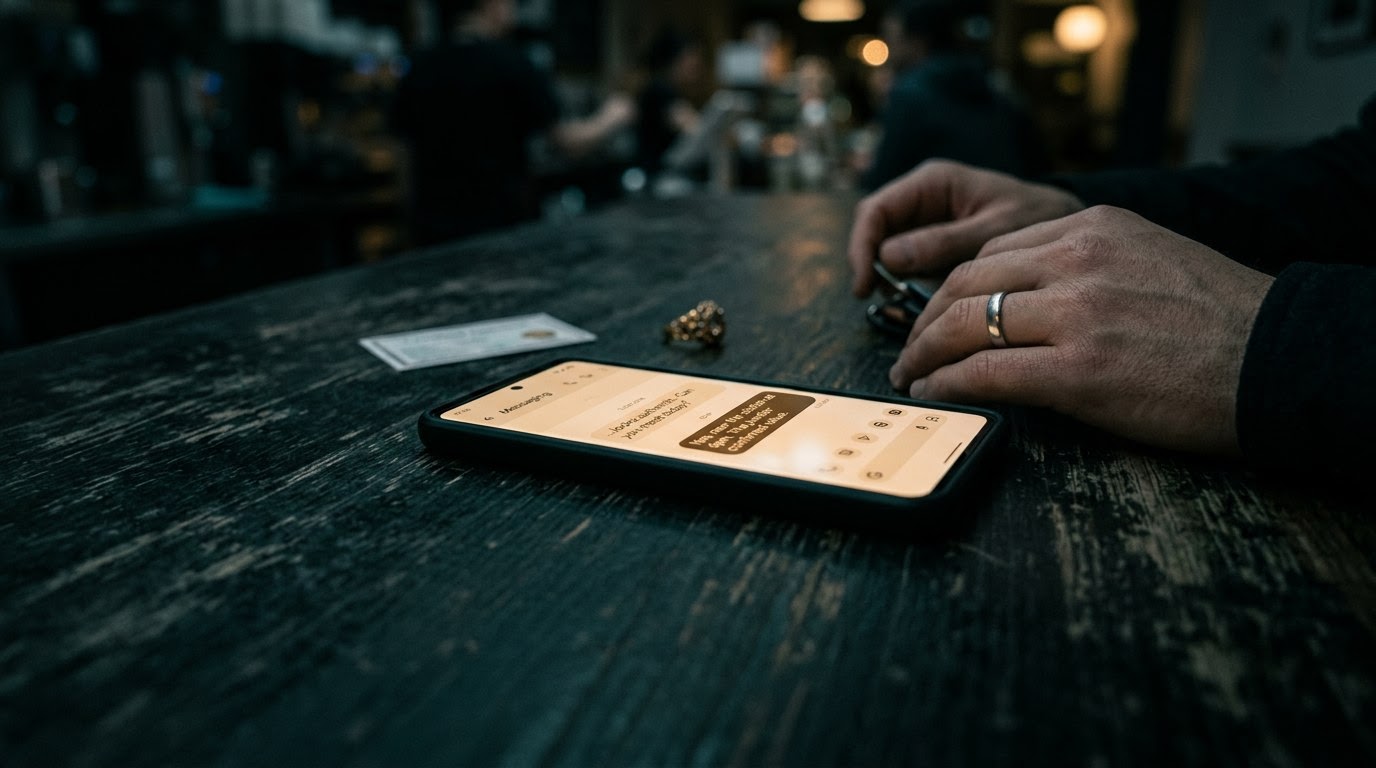
Fake jewelry appraisal scams in peer sales represent one of the most lucrative and rapidly evolving fraud vectors on local marketplace platforms. Buyers seeking estate jewelry, discounted engagement rings, or high-value gold pieces are systematically manipulated through forged gemological lab reports, staged appraisal appointments, and urgent high-pressure tactics. FBI IC3 reports indicated that online marketplace fraud accounted for over $400 million in losses in 2023. As of August 2026, illicit rings operating across major metropolitan centers have perfected the art of turning worthless brass and cubic zirconia into thousands of dollars in untraceable cash.
How Fake Jewelry Appraisal Scams Work in Peer Sales
How fake jewelry appraisal scams work in peer sales relies on establishing false trust through forged gemological paperwork, manipulated third-party meetups, and intense emotional pressure. Scammers create realistic online marketplace listings for high-value items like diamond rings or luxury gold chains at below-market prices. They back their claims with falsified appraisal documents or QR codes leading to clone verification websites, forcing rapid cash sales before the victim can obtain an independent assay.
Peer-to-peer platforms such as Facebook Marketplace, Craigslist, OfferUp, and specialized luxury resale apps have made buying high-end goods directly from individuals common. However, these platforms lack the structural safeguards, escrow guarantees, and physical authentication protocols of established auction houses. Scammers take advantage of this vulnerability by weaponizing human psychology and professional-looking paperwork.
The operational playbook follows a calculated sequence designed to strip away your skepticism while isolating you from impartial advice. Here is the step-by-step breakdown of how a typical fake jewelry appraisal scam unfolds from the initial advertisement to the final cash handover.
-
The Bait Listing on Peer-to-Peer Marketplaces
The scam begins with a highly attractive listing on a local peer-to-peer platform. A seller posts a 2.5-carat diamond solitaire engagement ring or a heavy 18K gold Cuban link chain priced at $4,000. The listing notes that the item was recently appraised at $12,000, framing the sale as an urgent liquidations due to a sudden divorce, job loss, or medical emergency. High-resolution photos show a sparkling gem alongside an official-looking grading report from a recognized gemological laboratory.
-
The Forged Certificate and QR Code Illusion
When you message the seller to ask for proof of authenticity, they immediately provide digital photos or PDF copies of an appraisal certificate bearing the logo of the Gemological Institute of America (GIA), International Gemological Institute (IGI), or American Gem Society (AGS). The document lists precise specs: VVS1 clarity, E color, excellent cut. To make the document appear foolproof, the scammer includes a QR code printed directly on the physical laminated sheet. Scanning this QR code opens a web page that mirrors the exact design of an official gemological registry, confirming the certificate number as valid. In reality, the QR code resolves to a lookalike domain owned and operated by the fraud ring.
-
The Rigged Third-Party Appraisal Location
If you request an in-person evaluation before handing over cash, the scammer readily agrees, creating a false sense of security. However, they insist on controlling the location. One common pattern is suggesting a specific small, non-chain jewelry repair shop or pawn store where they claim to know the owner. Alternatively, they suggest meeting a "mobile appraiser" in a bank lobby or busy coffee shop. In these setups, the appraiser is either an accomplice participating in the fraud or a corrupt insider who uses basic thermal diamond testers modified to register synthetic moissanite or high-refractive glass as natural diamonds.
-
The High-Pressure Rush Tactics at the Meetup
During the physical meetup, the seller creates a high-stress environment to shorten your decision window. As you inspect the ring, the seller's phone repeatedly rings. They answer on speaker or explain aloud that another interested buyer is willing to pay full price in cash and is driving over right now. The seller tells you that if you cannot commit within the next ten minutes, they will sell the piece to the second buyer. This manufactured urgency prevents you from asking for a microscopic girdle inspection or walking to an independent certified jeweler down the street.
-
The Cash-Only or Non-Refundable Settlement
Once you agree to buy, the scammer insists on cash, Zelle, Venmo, or wire transfers. They refuse secure escrow services, credit card payments, or marketplace checkout systems that offer buyer protection mechanisms, citing high service fees or tax delays. They accompany you directly to an ATM or bank teller window to watch you withdraw physical currency. As soon as the bills change hands, the seller hands over the velvet box containing the counterfeit jewelry and the forged appraisal sheet.
-
The Evaporation and Devastating Discovery
Hours or days later, you take the jewelry to a trusted, independent gemologist or master bench jeweler for insurance appraisal purposes. The independent jeweler conducts a proper microscopic examination and density test, revealing that the "diamond" is actually synthetic moissanite or cubic zirconia worth under $30, set in gold-plated silver or base brass. By the time you attempt to contact the seller, their marketplace profile has been deleted, their burner phone number is disconnected, and the fake QR code registry website has been taken offline.
This sequence repeats in cities across the country, stealing thousands of dollars per victim while leaving minimal physical evidence for local law enforcement to track.
Who Gets Targeted and Why
Scammers target peer-to-peer jewelry buyers who are actively searching for high-value items at significant discounts, such as engagement ring shoppers, estate collectors, and private cash investors. Victims are selected because they typically possess available liquid cash but lack specialized gemological tools like refractometers or diamond testers. Scammers exploit psychological vulnerabilities including fear of missing out, emotional stress surrounding major life events, and the authority bias conferred by official-looking appraisal papers.
The demographic profile of victims in these peer sales spans several distinct groups, each targeted with customized pitch scripts and tailored inventory.
First are young adults and middle-aged individuals shopping for life milestones, particularly engagement rings, anniversary gifts, or graduation presents. These buyers are often working within strict household budgets and are eager to secure a luxury-grade diamond without paying retail markups of 200% to 400%. The emotional weight of the occasion makes them susceptible to narratives involving personal hardship or hasty liquidations.
Second are amateur investors and estate buyers who search local listings for underpriced gold bullion, vintage watches, or loose estate gemstones to flip for a profit. Scammers play directly into these buyers' self-perceived market savvy, letting them believe they have uncovered an overlooked treasure that the seller is naively selling far below market value.
The psychological hook relies on three core cognitive biases: authority bias, scarcity, and confirmation bias. Official lab documents, watermarked paper, and embossed seals trigger authority bias, leading buyers to trust written records over their own physical inspection. Scammers amplify this by introducing artificial time scarcity, telling the victim that multiple buyers are waiting nearby with cash. Finally, confirmation bias keeps the target focused on the prospective upside rather than asking critical questions about why a seller would sacrifice thousands of dollars in real value on a free public classified site.
How to Recognize It Before Money Moves
Recognizing a fake jewelry appraisal scam before money moves requires analyzing seller behavior, inspecting physical and digital documentation, and taking absolute control of the appraisal environment. High-signal red flags include sellers who refuse buyer-selected jewelers, QR codes on certificates that point to unofficial domain names, prices anchored drastically below wholesale value, and refusal to undergo identity checks. Spotting these anomalies early prevents devastating financial losses in peer sales.
A 2025 BBB report revealed that peer-to-peer marketplace scams involving fraudulent high-value goods increased by 35% over the previous two years. Protecting yourself requires scrutinizing the transaction using high-signal verification checks before cash changes hands.
To evaluate a peer sale involving jewelry, ask yourself these fundamental questions:
- Is the certificate URL hosted on the official registry domain? Never scan a QR code printed on an appraisal document provided by a stranger. Instead, manually navigate to the official, verified website of the lab (such as gia.edu or igi.org) on your own smartphone browser and type in the report number directly. If the report number does not exist on the official site, or if the details do not match the item, walk away immediately.
- Is the seller willing to meet at an independent laboratory or jeweler of your choosing? A legitimate seller with a genuine luxury item will gladly agree to meet at a reputable, accredited jewelry store selected entirely by you. If the seller insists on using their own "trusted contact," a specific mobile appraiser, or a neutral parking lot, they are controlling the environment to conceal fraud.
- Is the deal mathematically plausible? Gold, platinum, and high-grade diamonds have liquid wholesale cash values. A retail jeweler or pawn shop will pay 60% to 80% of melt or wholesale value on the spot for real precious metals. If a private seller offers a piece for $3,000 that contains an alleged $10,000 raw diamond value, ask yourself why they did not sell it to a professional buyer in five minutes for $6,000 cash.
- Has the seller verified their real-world identity? Fraudsters depend entirely on digital anonymity and temporary burner profiles to execute peer sale scams. Running a TrustCheck early narrows the question to one thing: whether the details you were given describe a real, consistent identity. Plenty of scams are run by people using their own names, so treat the result as evidence about the details, not a verdict on the person.
The following table outlines how fraudulent claims contrast with real-world scam mechanics across key transaction stages:
| Stage of the Scam | What the Scammer Says | What's Actually Happening |
|---|---|---|
| First Contact | "I'm sacrificing my ex's ring for $3,500 cash because I need to cover urgent emergency bills today." | The scammer uses emotional drama to justify a pricing level far below market wholesale scrap rates. |
| Document Proof | "Just scan the QR code on the certificate. It links straight to the lab database." | The QR code redirects your phone to a lookalike domain controlled by the scammer to show fake validation. |
| Appraisal Agreement | "We can meet at my friend's jewelry repair shop downtown to verify it; he has all the professional equipment." | The seller directs you to a corrupt insider or controlled setting where modified testing tools yield false positives. |
| Pre-Payment Pressure | "I have another buyer calling me right now offering $4,000. If you want it, we need to go to the ATM now." | The seller creates artificial panic so you skip proper microscopic laser inscription inspection and cash verification. |
| Payment Request | "I only take cash or instant non-refundable transfer because I don't want to deal with banking delays." | The scammer avoids payment processors with buyer protection, fraud reporting features, or chargeback options. |
Analyzing these signals allows you to spot scam structures before committing funds.
If It's Already Happened
If you have fallen victim to a fake jewelry appraisal scam, taking immediate defensive and investigative action within the first 72 hours is critical. File formal fraud reports with law enforcement, submit detailed documentation to federal authorities through reportfraud.ftc.gov and ic3.gov, preserve all text messages and electronic certificates, and notify your financial institution if funds were transferred electronically. Early reporting increases the probability of tracking suspect networks and warning local communities.
Discovering that a piece of jewelry you bought is counterfeit can be emotionally and financially overwhelming. However, fast action preserves critical evidence needed by law enforcement agencies fighting organized fraud syndicates.
Follow these immediate recovery steps within the first 72 hours:
-
Preserve All Digital and Physical Evidence
Do not delete chat logs, phone numbers, marketplace user profiles, or original listing pages. Take full-page screenshots of the advertisement, including seller profile pictures, account creation dates, and listed locations. Place the counterfeit item, its packaging, and the physical appraisal document inside a secure plastic bag, taking care to preserve fingerprints on the paper certificates.
-
Obtain a Written Assay Report from a Certified Master Gemologist
Visit an independent, accredited jewelry appraiser (such as an American Gem Society certified appraiser or GIA Graduate Gemologist). Request a formal written appraisal statement detailing the true physical composition of the item (e.g., cubic zirconia set in base metal). This official document serves as legal evidence proving the item was misrepresented during the transaction.
-
Report the Crime to Federal Authorities
FTC data shows imposter and fraudulent sale reports involving counterfeit goods and fake documentation resulted in losses exceeding $1.1 billion in 2024. Submit a detailed report to the Federal Trade Commission at reportfraud.ftc.gov. File an online complaint with the FBI's Internet Crime Complaint Center at ic3.gov, detailing the communication history, bank accounts, platform profiles, and lookalike domain URLs involved.
-
File a Police Report with Local Law Enforcement
Visit your local police precinct or county sheriff's department to file a criminal report for theft by deception. Provide the police officer with your written gemological assay report, screenshots of seller communications, and payment details. Ensure you obtain a police report case number for your records, as financial institutions and fraud investigators require this document.
-
Notify Financial Institutions and Marketplaces
If any portion of the transaction involved peer-to-peer payment apps, wire transfers, or bank withdrawals, contact your financial institution's fraud department immediately. While cash payments are difficult to recover, reporting wire or app transfer details can freeze associated destination accounts. Report the seller profile directly to the marketplace platform to prevent them from targeting additional local victims.
-
Check the Seller's Contact Details
After the fact, a TrustCheck tells you only whether the contact details held together as one identity. That is context, not evidence, and investigators will not treat it as documentation. Report what happened to your bank and to the FTC at reportfraud.ftc.gov, and keep your own records of the messages and payments. Sharing these technical findings with police investigators aids in linking your case to larger regional fraud operations.
By executing these steps quickly, you protect your rights and help shut down counterfeit networks operating in your area.
Frequently asked
What is a fake jewelry appraisal scam in peer sales?
It is a fraud scheme where scammers sell worthless synthetic stones or base metals on local marketplaces. They construct false authenticity using forged grading certificates, clone verification websites, and high-pressure sales tactics to collect large cash payments before the buyer discovers the fraud.
How do scammers fake GIA or IGI diamond certificates?
Scammers print accurate replicas of lab certificates using stolen grading numbers. They embed custom QR codes on the physical papers that open lookalike registry websites designed to mirror official databases, tricking buyers into believing the report is genuine.
Why shouldn't I trust an appraisal provided by the seller?
Sellers can easily forge physical appraisal documents or collude with dishonest jewelry repair shops. An appraisal provided by a seller is a conflict of interest. Always select an independent, certified gemologist of your own choosing to evaluate the item.
Can a diamond tester tool prove a stone is genuine?
Basic diamond thermal testers can be tricked by synthetic moissanite or calibrated heat signatures. Professional gemologists use multi-testers, microscopic inscription inspection, and refractometers to distinguish natural diamonds from lab-created synthetics or high-index glass.
What should I do immediately after realizing I bought fake jewelry?
Preserve all chat logs and physical documents, obtain a written laboratory report from an independent gemologist, and file formal fraud complaints at reportfraud.ftc.gov and ic3.gov. File a police report for theft by deception with local law enforcement.
More in Scams
- How Fake Fine Wine Provenance Certificates Scam Peer Collectors
October 12, 2026
- How Fake Camera Lens Swap Scams Target Marketplace Buyers
October 10, 2026
- How Fake Exotic Car Rental Deposit Scams Target Vacationers
October 8, 2026