How Fake Medical Crowdfunding Campaigns Steal Money From Donors
· 9 min read
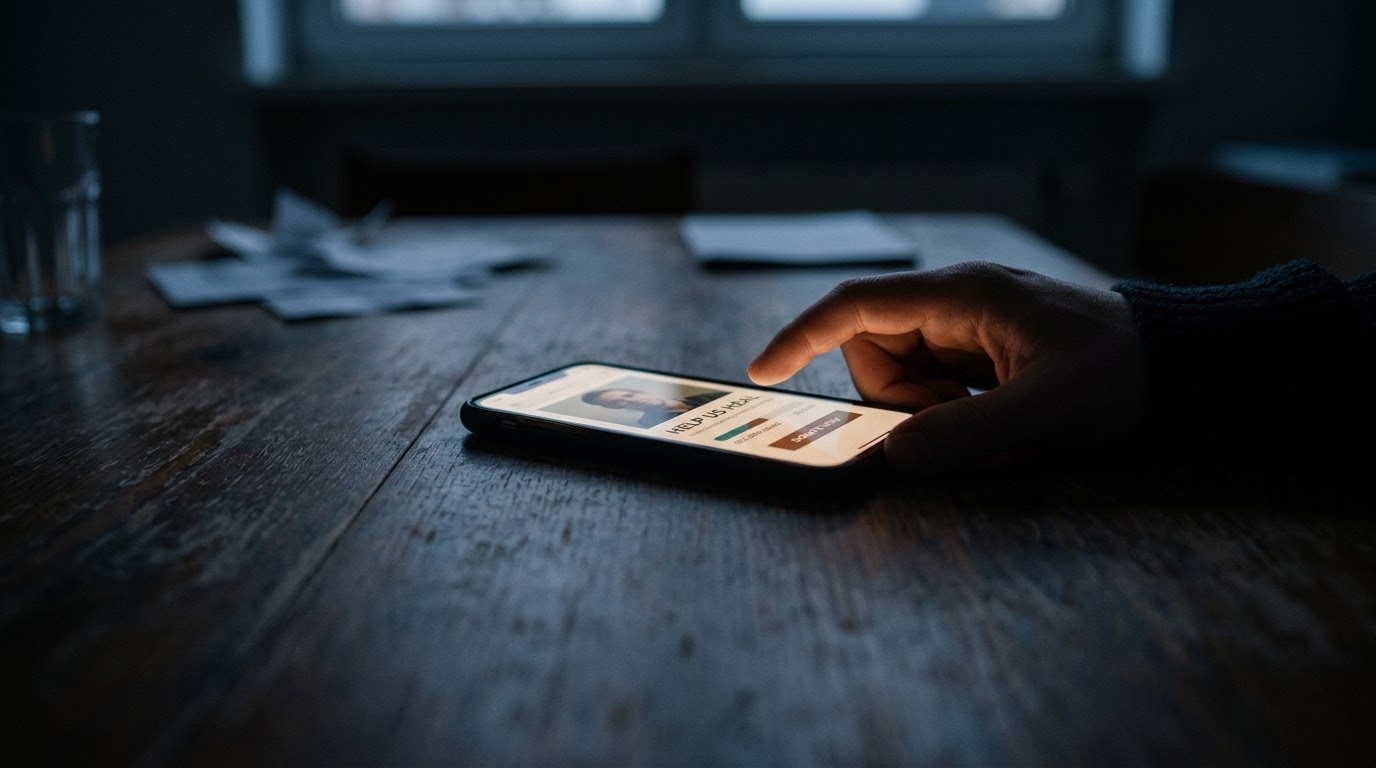
Fake medical crowdfunding scams exploit human empathy by using stolen photos of sick children, counterfeit hospital bills, and high-pressure stories on peer-to-peer donation platforms to steal money from well-meaning donors. A single donor typically loses between $50 and $500 per incident, though organized criminal networks can siphon millions from thousands of victims across multiple concurrent campaigns. As of August 2026, charity and crowdfunding fraud continues to surge across social platforms. According to the Federal Trade Commission, fraud reports tied to social media solicitations surpassed $1.4 billion in 2024, with fake medical appeals representing a growing share of non-profit impersonation scams.
How the Scam Unfolds Step by Step
Fake medical crowdfunding campaigns steal money from donors through a structured, multi-stage playbook that begins with stolen intellectual property and ends with direct wire transfers. Scammers scrape real medical photos from social media, construct emotional narratives using artificial intelligence, and amplify their campaign using automated bots and targeted group outreach. Once trust is established, the fraudster shifts donors to unrecoverable peer-to-peer payment channels and collects personal donor data for future secondary exploits.
To understand how this scam operates in the wild, consider a typical sequence executed by organized fraud rings operating across major social networks and donation platforms.
- Scraping Real Medical Photos and Stolen Identities: The playbook begins far away from the crowdfunding platform. Scammers monitor public social media hashtags like #PediatricOncology, #NICUWarrior, or #RareDiseaseAwareness. They target authentic posts from real families documenting genuine medical crises. The fraudster downloads high-resolution photos of hospitalized children, surgical scars, or intensive care monitors. They also scrape legitimate GoFundMe or GiveSendGo pages, stripping away original metadata and original family names to prepare for synthetic persona creation.
- Constructing the Synthetic Narrative and Campaign Page: Using generative AI writing tools, the scammer crafts an agonizing narrative designed to provoke immediate emotional response. The storyline frequently involves an sudden accident, an aggressive stage-four cancer, or an experimental overseas treatment not covered by insurance. To make the pitch appear legitimate, the scammer uses graphic design software to fabricate emergency room intake forms, diagnostic reports, or itemized hospital invoices. They create a campaign on a popular peer-to-peer platform using a burner email address and stolen identity credentials.
- Algorithmic Seeding and Social Media Distribution: Once the campaign page goes live, the scammer needs traction. They deploy automated bot accounts to generate fake early donations and leave supportive comments like "Praying for little Noah!" or "Donated! Stay strong!" This creates social proof. Next, the fraudster infiltrates localized Facebook groups, neighborhood apps, and religious community forums, posting urgent appeals framed as a local family in desperate need.
- Direct Engagement and Emotional Grooming: When empathetic users comment or share the post, the scammer initiates direct contact via private messaging. They express deep gratitude, share tailored updates about the patient's deteriorating condition, and weave a deep sense of intimacy. If a donor asks detailed questions about the hospital or treating physician, the scammer deflects with emotional appeals, claiming they are too overwhelmed by grief and logistics to pull up precise paperwork.
- Payment Offloading and Identity Harvesting: As the donor prepares to contribute, the scammer introduces a critical pivot. They claim that the crowdfunding platform charges exorbitant processing fees or delays payouts by weeks, risking the patient's immediate procedure. The scammer asks the donor to send funds directly via Zelle, Venmo, Cash App, or cryptocurrency. During this interaction, the scammer also asks for the donor's full name, phone number, and email address under the guise of sending a custom thank-you note or tax deduction receipt, effectively harvesting donor identity details.
- Fake Relapses, Campaign Deletion, and Asset Laundering: A few days after receiving the initial payment, the scammer reaches out again with a frantic update: the patient suffered a sudden relapse, or the hospital demands an additional emergency deposit. Once the victim refuses or suspects fraud, the scammer abruptly deletes the social media accounts and campaign page. The received funds are immediately moved through money mule networks or converted into crypto assets to hinder financial tracking.
Who Gets Targeted and Why
Scammers target empathetic demographics, particularly older adults, parents, and members of religious or tight-knit civic communities who routinely engage with charitable content online. The psychological hook relies on emotional urgency, moral duty, and vivid suffering—specifically involving children or rare diseases—which bypasses the target's typical skepticism and prompts immediate financial action before identity verification can take place.
Data published by the Better Business Bureau in 2024 revealed that over 55% of online charity scam victims reported being exposed to the fraudulent pitch through sponsored social media posts. Scammers explicitly target individuals who demonstrate high levels of digital altruism—people who regularly like, comment on, or share medical prayer requests and community support pages.
The psychological machinery behind fake medical crowdfunding is sophisticated. Fraudsters exploit four primary cognitive biases:
- The Identifiable Victim Effect: People are far more likely to donate when shown a specific, named individual with a face rather than an abstract cause or statistical need. A stolen photo of a smiling child in a hospital bed creates instant psychological commitment.
- Artificial Urgency: Scammers set strict deadlines, claiming a surgery will be canceled in 24 hours if funds are not raised. Urgency restricts critical thinking and prevents targets from conducting reverse-image searches or calling the hospital.
- Weaponized Trust and Faith: By dropping references to prayer, faith, community, or common values, scammers lower the victim's natural defenses and make skepticism feel morally objectionable.
- Sunk Cost Gratitude: Once a donor makes a small initial contribution, the scammer leverages their generosity to ask for larger, direct follow-up transfers.
Stage of the Scam Breakdown
Understanding how fake medical crowdfunding campaigns evolve allows potential donors to spot red flags early. Scammers systematically move from public social media posts to private messaging, shifting from broad emotional pitches to specific financial requests. Recognizing the gap between what the scammer says and what is actually happening behind the scenes helps donors stop payment transfers before irreversible losses occur.
| Stage of the Scam | What the Scammer Says | What's Actually Happening |
|---|---|---|
| 1. Initial Exposure | "Please share! Baby Leo needs emergency heart surgery this Friday or the clinic will cancel his care." | The scammer is using photos stolen from a real medical blog, combined with an AI-generated script posted across hundreds of groups. |
| 2. Direct Engagement | "Thank you for caring. The hospital in Chicago won't start treatment without an upfront $3,000 cash deposit." | The scammer is testing your willingness to bypass standard medical billing procedures and assessing your emotional investment. |
| 3. Off-Platform Push | "The fundraising site holds donations for 14 days. Please Zelle or Venmo us directly so we can pay the surgeon today." | The scammer is steering you away from platform buyer protections and identity verification controls onto non-refundable payment apps. |
| 4. Identity Harvesting | "Please give me your full name, home address, and personal phone number so our family can send a formal thank-you receipt." | The scammer is building a dossier of your personal identity details to sell on dark web forums or target you in future phishing campaigns. |
| 5. Second Wave Ask | "Leo made it through surgery, but severe complications require an extra $1,200 for specialized ICU medication right now." | Having identified you as an empathetic victim, the scammer attempts a secondary extraction before abandoning the synthetic identity. |
How to Recognize It Before Money Moves
To recognize a fake medical crowdfunding campaign before money moves, donors must evaluate the campaign organizer's identity, scrutinize medical documentation, and verify reverse-image search results. Legitimate campaigns welcome direct verification with medical institutions and operate transparently. If an organizer refuses platform-secured payments or lacks a verifiable public record, the campaign is almost certainly fraudulent.
Before contributing to any online medical fund, ask yourself these essential verification questions:
- Have I performed a reverse-image search on the campaign photos? Right-click or long-press the patient's picture and upload it to Google Images, TinEye, or Yandex. If the exact same photo appears under a different child's name, on a stock photo site, or on a legitimate medical news site from three years ago, the campaign is fake.
- Is the campaign organizer directly connected to the patient? Examine the organizer's social media history. A genuine campaign organizer usually has an established account history with mutual friends, tagged photos over several years, and realistic local community ties. No identity check can guarantee a safe transaction. A TrustCheck tells you whether the details someone gave you are consistent with one real identity — the judgement, and the risk, stay with you.
- Are the medical bills generic or redacted suspiciously? Fraudulent campaigns often upload blurred or generic hospital invoices where official logos, tax identification numbers, or doctor signatures are missing or clearly edited using image tools.
- Is the organizer pressuring me to use peer-to-peer payment apps? Legitimate campaigns rely on credit card processors hosted directly on established platforms that offer donor protections and formal auditing. Demands for Zelle, Cash App, Venmo, wire transfers, or gift cards are a definitive red flag.
- Can I donate directly to the medical facility? Genuine families facing massive medical expenses are almost always willing to let donors pay the hospital's patient accounting department directly. If the organizer flatly refuses to provide the hospital's formal patient billing account information, withhold your money.
If It's Already Happened
If you have already sent money to a fake medical crowdfunding campaign, immediately contact your bank or payment app to request a transaction dispute or recall. Next, file formal fraud reports with federal consumer protection agencies and local law enforcement to document the financial crime. Prompt reporting within the first 72 hours maximizes the chances of freezing fraudulent bank accounts and preventing further identity theft.
An investigation by the FBI in 2025 found that internet crime victims who reported wire and payment fraud within 72 hours recovered funds at a rate three times higher than those who waited longer. Execute this immediate action protocol if you suspect you contributed to a fraudulent campaign:
- Contact Your Financial Institution Immediately: Call your bank, credit card issuer, or payment app platform (Zelle, Venmo, Cash App). Inform their fraud department that you were induced by fraud into sending money. Request a payment stop, chargeback, or account freeze.
- Report the Campaign to the Host Platform: Submit an urgent fraud alert directly to GoFundMe, GiveSendGo, or the social media platform hosting the post. Provide screenshot evidence of private messages and off-platform payment requests so they can freeze the organizer's campaign balance.
- File Official Federal and State Reports: File an official complaint with the Federal Trade Commission at reportfraud.ftc.gov and submit a detailed report to the FBI Internet Crime Complaint Center at ic3.gov. These filings establish legal documentation required by financial institutions for loss recovery. A TrustCheck can tell you whether the details you were given trace back to a consistent identity, which is worth writing down for your own record of what happened. It cannot confirm that someone is a scammer, it will not tell you who was really behind the profile, and it is not evidence. Report the incident to your bank, to the platform where you met, and to the FTC at reportfraud.ftc.gov.
- Secure Your Personal Identity Details: If you shared personal information like your home address, full legal name, date of birth, or bank account details with the scammer under the guise of receiving a receipt, take steps to protect your credit. Place a free fraud alert on your credit files with Equifax, Experian, and TransUnion.
- Document All Communications: Preserve all text messages, social media chats, payment confirmation numbers, user profile URLs, and email headers. Do not delete your message history, as law enforcement agencies require complete digital trails to trace beneficiary bank accounts.
Frequently asked
How do fraudsters steal photos for fake medical campaigns?
Scammers scrape public social media profiles, patient blogs, and legitimate fundraising pages. They target posts with pediatric oncology, rare surgery, or intensive care hashtags, stripping image metadata and re-uploading the photos under fake persona names to deceive prospective donors.
Why do fake crowdfunding campaigns ask for Zelle or Venmo?
Scammers request direct peer-to-peer transfers to bypass crowdfunding platform transaction fees, anti-fraud algorithms, and identity verification checks. Peer-to-peer payments act like cash transfers, making funds instantly transferable and nearly impossible for banks to claw back once authorized.
Can money sent to a fake medical fundraiser be recovered?
Recovery depends on the payment method and speed of response. While direct bank wires or peer-to-peer transfers are difficult to reverse, notifying your financial institution within 72 hours increases the likelihood of freezing account destinations before funds are completely laundered.
How can I verify if a medical fundraising campaign is real?
Run reverse-image searches on campaign photos to check for original source accounts, contact the named hospital directly to confirm patient donation accounts, and verify the organizer's digital footprint across public records and verified platforms.
What should I do if my child's medical photos were stolen for a scam?
Report the fraudulent campaign directly to the hosting platform and file a police report immediately. Request digital takedowns on social media networks hosting the stolen images and issue a public statement on your official social pages clarifying the real donation channels.
More in Scams
- How Fake Fine Wine Provenance Certificates Scam Peer Collectors
October 12, 2026
- How Fake Camera Lens Swap Scams Target Marketplace Buyers
October 10, 2026
- How Fake Exotic Car Rental Deposit Scams Target Vacationers
October 8, 2026