How Fake Smartphone Setup Bypasses Scam Peer Cell Phone Buyers
· 11 min read
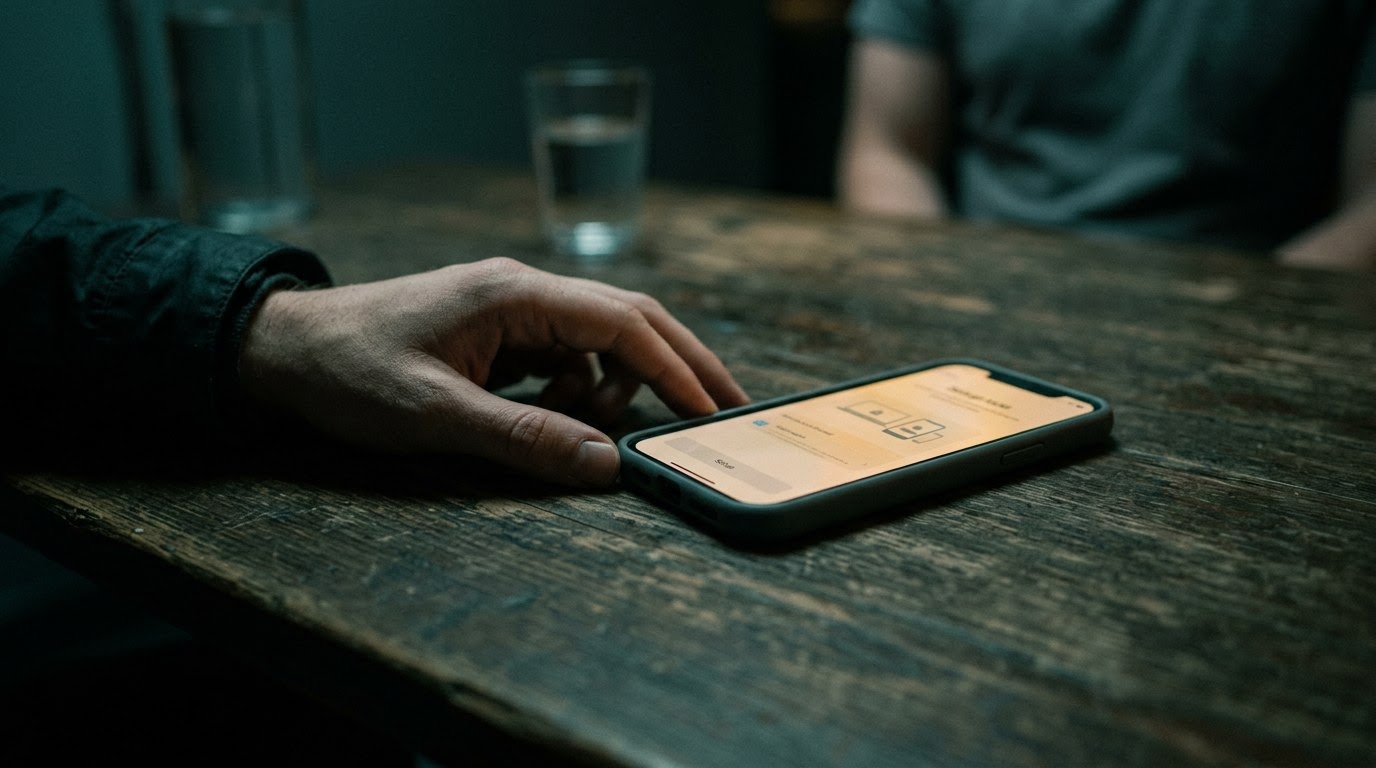
As of September 2026, peer-to-peer secondhand smartphone transactions represent a high-risk vector for private buyers. A sophisticated scheme known as the fake smartphone setup scam leaves buyers with useless devices while sellers disappear with cash or non-refundable digital payments. FTC reports revealed that consumer financial losses from online marketplace and resale scams exceeded $10 billion in 2023. Victims typically lose between $400 and $1,200 per incident when purchasing high-end devices like flagship iPhones or Samsung Galaxy phones. Scammers manipulate carrier activation workflows and remote management profiles to create the illusion of an unlocked, fully operational device. Understanding how this illusion is constructed is critical for anyone purchasing hardware directly from individual sellers.
How the Fake Smartphone Setup Scam Unfolds
The fake smartphone setup scam unfolds when a seller uses temporary demo profiles, offline activation tricks, or modified software to bypass carrier activation locks during an in-person exchange. The buyer tests the device, sees a functional home screen, and pays cash or peer-to-peer funds. Hours later, once connected to cellular towers or Wi-Fi, the phone contacts carrier servers, triggers remote lock protocols, and renders the handset a useless brick.
To understand why this scam works so consistently, you must look at the mechanical steps scammers take before, during, and after the meeting. Organized resale rings exploit specific operational gaps in how smartphones communicate with carrier networks during initial provisioning.
- Procurement of Fraudulent or Restricted Hardware: Scammers source devices that cannot be legitimately activated. Typical sources include unpaid carrier lease phones, stolen retail display models, insurance fraud claims, or corporate fleet hardware protected by Mobile Device Management (MDM) software. These handsets carry hidden activation flags or pending blacklist entries that will trigger as soon as carrier databases register network pinging.
- Staging the Software Bypass: Before listing the item, the scammer bypasses the initial setup screen without completing legitimate carrier authentication. On Apple devices, this often involves applying a temporary MDM bypass profile using specialized desktop utilities or staging the phone in standard "Demo Mode." On Android devices, sellers use developer options or bypass tools to jump past Google Factory Reset Protection (FRP) screens while keeping the device disconnected from active cellular networks.
- Creating the High-Value Online Listing: The fraudster posts the phone on local peer-to-peer platforms such as Facebook Marketplace, Craigslist, or OfferUp. The listing features crisp photos of the working screen, showing desktop icons, camera functionality, and settings menus. The price is set roughly 20% to 30% below prevailing market value—cheap enough to generate rapid buyer interest, but realistic enough not to raise immediate suspicion.
- Establishing a Distracted In-Person Meetup: The seller insists on a fast, cash-only or instant digital transfer (such as Zelle, Venmo, or Cash App) transaction. They choose busy, loud public spaces or suggest meeting inside a running car at dusk. A typical sequence involves the seller arriving slightly late, claiming they are in a hurry for work or a family obligation, which forces the buyer to conduct tests under time pressure.
- The Controlled Device Demonstration: When handing over the smartphone, the scammer keeps the phone on and running. They demonstrate camera functions, app launching, and settings navigation. They specifically instruct the buyer not to reset or turn off the phone, claiming "it is already set up and ready to go so you don't have to spend 20 minutes setting up an account." If the buyer inserts a SIM card, the phone may briefly show signal bars if carrier servers have not yet processed the pending IMEI blacklist update.
- Final Money Transfer and Immediate Disappearance: Satisfied that the screen works and settings are accessible, the buyer pays the agreed sum. The scammer quickly departs the scene. Within minutes of leaving, the scammer deletes the listing, blocks the buyer's phone number, and deletes their social media account or burner profile.
- Remote Server Lock and Device Brick: Within hours or days, the device attempts a background sync with Apple iCloud or Google servers, or re-establishes contact with carrier towers. Carrier servers recognize the blacklisted International Mobile Equipment Identity (IMEI) number associated with theft, unpaid financing, or corporate MDM lock. The device immediately locks down, displaying an activation lock screen, an MDM enrollment prompt, or a complete network block signal.
Consider a composite example representing a common operational pattern. A buyer arranges to purchase an iPhone 15 Pro Max for $750 in a coffee shop parking lot. The seller demonstrates that the phone boots directly to the home screen, connects to the local Wi-Fi, and takes high-resolution photos. The buyer inspects the exterior, sees no scratches, hands over $750 in cash, and drives home. That evening, after inserting their SIM card and attempting to sign into iCloud, a full-screen window pops up: "Remote Management: Enter the administrator credentials for corporate device management." The phone is permanently restricted to an enterprise network owned by a logistics firm in another state. The seller's account has already been deleted.
According to FBI IC3 data, online transaction fraud and hardware scams accounted for over $1.2 billion in reported victim losses in 2024. These substantial losses occur because scammers deliberately manipulate the window between initial hardware contact and server-level activation verification.
Fraud Playbook: Stage by Stage Breakdown
To help you evaluate peer sales in real time, the table below maps each stage of the fake smartphone setup scam to the exact phrasing scammers use and the technical reality happening behind the screen.
| Stage of the Scam | What the Scammer Says | What's Actually Happening |
|---|---|---|
| First Contact | "I have three other buyers waiting, so I can only hold it if you can meet in the next hour with cash." | The scammer manufactures artificial urgency to prevent you from conducting thorough IMEI background research. |
| Meetup Hand-Off | "I already skipped the setup screens and wiped my account so you can test the camera and apps right away." | The device is running a temporary offline bypass or MDM bypass profile that clears upon factory reset or network updates. |
| Device Inspection | "Don't factory reset it now, it takes 30 minutes and needs home Wi-Fi to activate standard features." | A factory reset will trigger mandatory activation locks, instantly exposing the stolen or corporate status of the hardware. |
| SIM Card Insertion | "See? It shows signal bars! You're good to go." | The device connects to local radio towers, but the carrier database update blacklisting the IMEI has not yet completed its broadcast cycle. |
| Payment Settlement | "Please send the payment via Zelle or Cash App under Friends and Family so I don't get hit with service fees." | The seller uses non-refundable payment channels that offer no buyer protection against fraud or stolen goods. |
| Post-Sale Ghosting | "My signal is dropping out, I'll text you the receipt link later tonight." | The seller is blocking your number, deleting the marketplace profile, and transferring digital funds out of reach. |
Who Gets Targeted and Why
Peer-to-peer secondhand phone buyers, bargain hunters, and independent phone resellers are primary targets for this fraud. Scammers exploit the psychological pressure of a heavily discounted flagship smartphone, creating artificial urgency that bypasses critical safety checks. Buyers focus on visual condition and basic touchscreen responses rather than verifying active iCloud status, Google Factory Reset Protection, or carrier IMEI blacklist databases before handing over cash.
The victim demographic spans a wide spectrum, but two groups remain particularly vulnerable: young adults buying flagship devices on tight budgets and secondary market flippers seeking profit margins. Organized crime syndicates exploit specific psychological triggers:
- The Fear of Missing Out (FOMO): By pricing phones $200 below fair market value, fraudsters generate dozens of rapid inquiries. They tell the buyer that another person is en route, forcing the target to hurry through physical inspection.
- Sensory Overload and Environment Manipulation: Scammers prefer public spaces with high noise, bad cellular signal, or poor lighting. When a buyer feels awkward standing in a cold parking lot or busy mall concourse, they perform cursory checks rather than exhaustive setting verification.
- Exploitation of Technical Knowledge Gaps: Most consumers assume that if a smartphone displays desktop icons, opens the camera, and lets you dial digits, it is fully unlocked. Few buyers understand the mechanics of iOS Mobile Device Management (MDM), Android Factory Reset Protection (FRP), or delayed carrier ESN/IMEI blacklisting.
A 2025 BBB investigation highlighted that peer-to-peer resale fraud complaints rose by 22% as organized crime rings adopted fake setup tactics. Scammers take advantage of the fact that carrier blacklists operate on asynchronous updates; a phone stolen on Tuesday morning might not reflect on global IMEI registries until Wednesday evening.
How to Recognize Fake Smartphone Setup Before Money Moves
You can recognize a fake smartphone setup before money moves by forcing a factory reset, inserting your own active SIM card, and checking the device IMEI against carrier databases. Scammers rely on rushed in-person meetings, pre-configured home screens, and refusals to erase the device completely in front of you. Asking key verification questions and testing live cellular activation prevents you from paying for a blacklisted or remotely locked device.
Protecting yourself requires taking control of the transaction workflow. Never accept a phone that is already booted up to the home screen without demanding a complete, on-site erasure. Before meeting any individual seller on a peer-to-peer marketplace, running a TrustCheck on the contact in week one catches most variants by verifying account longevity, identity signals, and linked communication risks.
Ask yourself these critical diagnostic questions while inspecting the device during an in-person exchange:
- Does the seller refuse to factory reset the phone in front of you? If a seller claims that erasing the device will break it, take hours, or wipe necessary software, walk away immediately. A legitimate, fully paid-off phone can be erased and reactivated repeatedly without issue.
- Can you complete activation using your own mobile hotspot or active SIM card? Never rely on offline screens. Connect the phone to your personal phone's Wi-Fi hotspot, insert your active nano-SIM or setup an eSIM, and proceed through the initial system setup screen. If the phone prompts for an unrecognized Apple ID, Google Account, or Corporate MDM login, the phone is locked.
- Have you checked the IMEI across multiple official carrier portals? Navigate to Settings > General > About (or Settings > About Phone on Android) to retrieve the 15-digit IMEI. Dial *#06# on the keypad to verify the internal software IMEI matches the digit string printed on the physical SIM tray or back panel. Input this number into free, reputable carrier blacklist checkers (such as AT&T, T-Mobile, or Swappa IMEI check).
- Is the device running an enterprise configuration profile? On iOS, check Settings > General > VPN & Device Management. On Android, check Settings > Security > Device Admin Apps. If there are active corporate management profiles that you cannot remove, the phone is enterprise hardware that will be locked remotely.
- Is the seller insisting on non-refundable payment methods? Scammers reject payment platforms that offer goods-and-services consumer protections. If they insist on cash, crypto, or peer-to-peer transfer channels without buyer safeguards, treat the transaction as high risk.
By enforcing these strict testing rules, you eliminate the technical loopholes scammers rely upon during fake setup demonstrations.
If the Cell Phone Setup Scam Has Already Happened to You
If you purchased a phone that subsequently locked or became blacklisted, act immediately within the first 72 hours to preserve evidence and attempt recovery. Contact your payment provider or peer-to-peer app to dispute the transaction, preserve all chat transcripts and listing screenshots, file detailed fraud reports with law enforcement, and notify carrier fraud departments. Quick action maximizes the chance of tracing the perpetrator and protecting your financial accounts.
Discovering that you paid hundreds of dollars for a bricked phone is deeply frustrating, but taking systematic steps in the immediate aftermath protects your personal security and creates an official record for law enforcement.
Execute these critical 72-hour emergency recovery actions:
- Document Every Trace of the Transaction: Take high-resolution screenshots of the online listing, seller profile, chat histories, phone numbers, and electronic payment confirmation receipts. Note the physical location, time, vehicle description, and appearance of the seller.
- Contact Your Financial Institution or Payment App: If you paid via a peer-to-peer payment platform or credit card, file an unauthorized transaction or fraud claim immediately. While peer apps often restrict remedies for cash-equivalent transfers, providing formal police report numbers increases dispute escalation review odds.
- Report the Incident to Federal and Local Authorities: File an official complaint with local law enforcement to obtain an official incident report number. Submit online reporting filings through the Federal Trade Commission at reportfraud.ftc.gov and the FBI Internet Crime Complaint Center at ic3.gov.
- Notify Mobile Carriers and IMEI Databases: Contact major carriers (Verizon, AT&T, T-Mobile) and supply the device IMEI number. Let them know you were sold a fraudulent device. While they will not unlock stolen property, registering the report helps prevent the scammer from attempting to reuse the IMEI on secondary networks.
- Audit Your Personal Accounts for Exposure: If you attempted to sign into your personal Apple ID, Google Account, or carrier account on the fraudulent device, change your passwords immediately from a secure, separate computer. Terminate active sessions in account security settings and enable multi-factor authentication. Running a TrustCheck on the contact confirms the identity is fake and helps document cross-platform seller handles for fraud reports.
Taking prompt recovery steps ensures that scammers cannot exploit your personal data while helping law enforcement build patterns against organized resale fraud networks.
Frequently asked
What is a fake smartphone setup bypass?
A fake smartphone setup bypass is a tactic where scammers use offline tricks, temporary software tools, or mobile device management profiles to skip initial setup screens. This makes a stolen, blacklisted, or unpaid phone look fully operational during an in-person sale before carrier servers lock it remotely.
How can I tell if an IMEI is blacklisted?
You can check an IMEI status by obtaining the 15-digit number from device settings or dialing *#06#. Input this number into official carrier verification tools or independent databases like Swappa. If the IMEI shows as reported lost, stolen, or tied to unpaid bills, avoid buying the phone.
Why does a phone work during testing but lock hours later?
Phones lock hours later because carrier blacklist updates take time to sync across cellular networks. Furthermore, offline bypasses temporarily hide remote lock screens. Once the device connects to Wi-Fi or cellular towers, manufacturer and carrier servers trigger mandatory remote activation or management locks.
Can carrier support unlock a phone I bought that turned out to be stolen?
No, mobile carriers will not unlock a phone that was reported stolen, lost, or tied to an unpaid contract. Carriers enforce strict policies to combat hardware theft. If you purchase a blacklisted device, the carrier will block it from accessing network services permanently.
What should I do if a seller refuses to let me factory reset the phone?
If a seller refuses to allow a complete factory reset in your presence, walk away from the deal immediately. Legitimate sellers have no reason to hide the setup process. Refusal to reset indicates the phone is running an offline software bypass or carries hidden activation locks.
More in Scams
- How Fake Land Plot Sale Deposits Target Rural Property Buyers
September 21, 2026
- How Fake Bar Tab Scams Exploit Victims During In-Person Dates
September 19, 2026
- How Fake Peer Boat Charter Deposit Scams Target Vacationers
September 17, 2026