How Fake Sneaker Authentication App Scams Target Peer Collectors
· 12 min read
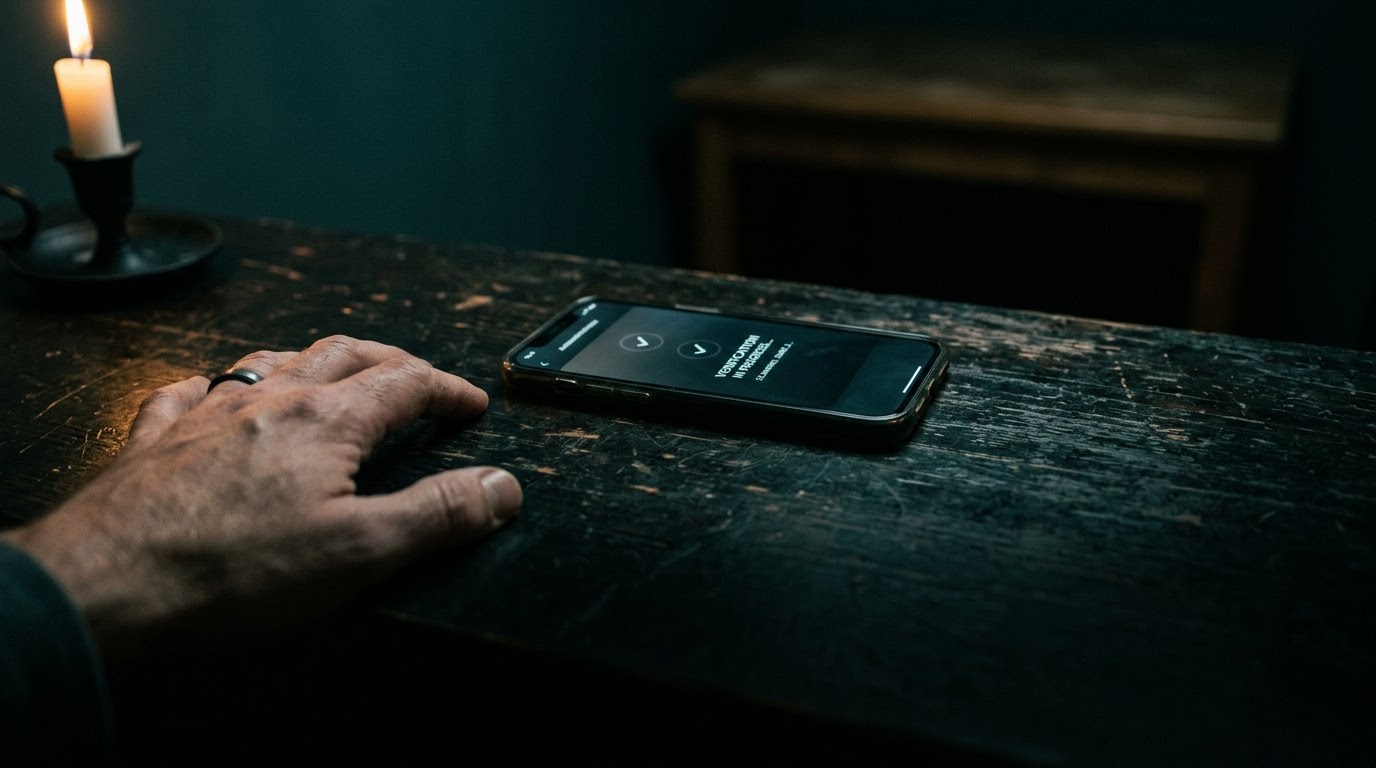
The fake sneaker authentication app scam is an increasingly sophisticated physical meetup fraud targeting peer-to-peer shoe collectors and independent resellers. Scammers orchestrate in-person meetups for high-value sneakers—such as limited Travis Scott Jordans, Kobe retros, or rare Dunks—and show the seller counterfeit digital verification screens claiming the shoes have passed an inspection and funds are released. Typical losses range between $500 and $3,500 per incident. FTC data shows that peer-to-peer payment and verification imposter scams resulted in over $1.4 billion in reported losses in 2024. As of August 2026, street-level fraudsters are leveraging custom web apps and offline mobile templates to simulate live authentication checks right in front of unsuspecting sellers.
How Fake Sneaker Authentication App Scams Target Peer Collectors
Fake sneaker authentication app scams target independent footwear collectors by manipulating the trust systems established within the secondary sneaker market. Scammers exploit the seller's desire for a smooth high-dollar transaction by presenting convincing, fake digital certificates of authenticity directly on mobile screens. By faking real-time verification status from recognized third-party platforms, buyers pressure sellers into releasing high-value inventory before any legitimate payment transfers or official verifications occur on the seller's own independent device.
The sneaker resale ecosystem relies heavily on third-party verification apps. Because counterfeit manufacturing has reached hyper-realistic quality—often referred to as "1:1 reps" or "UA (Unauthorized Authentic)" grade—sellers and buyers rarely rely on visual inspection alone during high-value deals. Legitimate apps allow users to upload multi-angle photos of stitching, size tags, footbeds, and box labels, which are then evaluated by artificial intelligence models or human authenticators within 15 to 30 minutes. Once approved, the app displays a green verification badge accompanied by a unique digital serial number and QR code.
Fraudsters exploit this established operational norm. Rather than attempting to pass off actual counterfeit shoes, these scammers target legitimate sellers who list authentic items on local peer platforms like OfferUp, Facebook Marketplace, CraigsList, or Instagram sneaker groups. The scammer contacts the seller posing as a serious buyer willing to pay top dollar or full asking price, avoiding the typical aggressive lowball offers common to local sales. However, the buyer introduces a condition: to ensure they are not buying fakes, they insist on running the physical pair through an "instant authentication app check" during the meetup before handing over cash or initiating an instant bank wire.
When the meetup occurs, the scammer takes photo uploads of the seller's genuine shoes using a custom, malicious mobile application or a cached web page designed to look identical to legitimate verification apps like CheckCheck, LegitApp, or Legit Check By Ch/D. Within seconds—far faster than a real evaluation could take place—the scammer turns their phone screen toward the seller. The screen shows a bright green "100% Authentic Verified" status along with a fake escrow payment confirmation graphic. Believing the digital proof displayed on the buyer's screen, the seller hands over the sneaker box and leaves the location, only to realize minutes later that no electronic payment was ever transmitted, the buyer's phone line is disconnected, and the digital authentication certificate was a complete optical illusion.
How the Scam Unfolds Step by Step
The execution of a fake sneaker authentication scam follows a calculated progression designed to minimize seller suspicion and bypass standard security checks. Fraudsters groom targets online, select public meetups with low lighting or high distractions, and use local web applications or modified mobile app packages to generate false digital proof of authenticity and payment. Understanding this exact progression helps sellers recognize red flags before releasing physical items.
- Target Sourcing and Hooking on Marketplaces: A typical sequence begins when a seller posts a pair of high-demand sneakers—for example, a deadstock pair of Nike Kobe 6 Protro "Reverse Grinch" valued at $700—on a public local marketplace. The scammer reaches out rapidly, asking minimal questions about price and agreeing immediately to the asking amount. This immediate acceptance creates a psychological sense of relief for the seller, making them more accommodating to the buyer's subsequent requests.
- Establishing the Fake Inspection Requirement: Before finalizing the meetup details, the scammer introduces the authentication requirement. The scammer states: "I've been burned by reps before. I'll buy them today, but we need to run them through an instant authentication app scan when we meet so I know they're legit before I send the Zelle transfer." Because the seller knows their shoes are authentic, they readily agree, believing the app will simply confirm reality.
- Selecting an Advantageous Meetup Location: The scammer proposes a location that favors quick exits and visual distortion. Common spots include busy parking lots outside gas stations, fast-food outlets, or outside train stations during dusk or evening hours. High turnover areas make it easy for the buyer to vanish into crowds or nearby vehicles, while dim lighting makes it harder for the seller to inspect the buyer's phone screen for subtle web-browser artifacts or fake app layouts.
- Executing the Mock Photo Inspection: At the meetup, the buyer examines the sneakers physical condition, praising their quality to keep the seller relaxed. The buyer then pulls out their smartphone and opens what appears to be a premier sneaker verification app. They take multi-angle photos of the seller's shoes—focusing on the box label, size tag, inside stitching, and heel placement. In reality, the app on the buyer's phone is either a offline Progressive Web App (PWA), a modified APK file, or a custom HTML template running on a local web server.
- Presenting the Counterfeit Verification & Payment Screen: Within less than two minutes, the buyer's screen displays a dramatic transition animation, culminating in a bold green badge reading "AUTHENTIC — CERTIFIED #88492." Immediately following this screen, the fake app triggers an automated overlay mimicking a Zelle, Venmo, or Apple Pay payment completion screen. The screen displays: "Escrow Released: $700.00 Sent to Seller." The scammer turns the phone screen directly toward the seller, holding it up so the seller can read the visual confirmation.
- Applying Social Pressure and Urgency: While showing the screen, the scammer relies on social pressure. They say: "Awesome, it passed and the payment went through on the app's escrow system! It usually takes 5 to 10 minutes to hit your bank statement depending on network congestion, but you can see right here it's fully cleared." The scammer quickly picks up the sneaker box, offers a firm handshake, thanks the seller, and begins walking back toward their vehicle or an exit path.
- The Quick Departure and Disappearance: If the seller hesitates or checks their own banking app to confirm receipt of funds, the scammer claims they are in a hurry for an appointment or work shift, encouraging the seller to take a screenshot of the buyer's screen for peace of mind. As soon as physical possession of the sneakers is secured, the scammer drives away. Within minutes, the scammer blocks the seller's phone number, deletes their marketplace profile, and removes the social media listing used for contact.
Who Gets Targeted and Why
Peer-to-peer sneaker sellers, teen resellers, and independent street fashion collectors are the primary targets of this fraud scheme due to their reliance on third-party mobile apps and digital peer-to-peer payment platforms. Scammers exploit the high liquidity and quick turnover expectations of sneaker trading. The psychological hook relies on confirmation bias; sellers expect authentication steps during high-value transactions and readily trust visual proof shown on a sleek smartphone interface during an intense in-person negotiation.
One common pattern is the targeting of younger resellers between the ages of 16 and 26. These individuals frequently trade inventory out of trunk spaces, local coffee shops, or public parks to avoid paying fees on centralized platforms like StockX, GOAT, or eBay. central platforms charge sellers 8% to 13% in processing and commission fees. By opting for local cash or peer-to-peer digital trades, sellers save hundreds of dollars per transaction. Scammers weaponize this cost-saving desire against the seller.
The technical sophisticated nature of modern spoofing tools makes peer collectors especially vulnerable. Scammers buy turn-key "Scam Kits" hosted on private Telegram channels for as little as $50. These kits include cloned interfaces of popular authentication services. Because the legitimate versions of these apps rely on simple green checkmarks, clean typography, and badge icons, replicating their visual aesthetic in HTML and CSS requires minimal effort. When presented on a high-resolution smartphone display during a high-stress, in-person encounter, the human brain processes the visual cue of "Green Checkmark = Safe" almost instantly, bypassing critical analytical thinking.
Stage of the Scam Breakdown
Breaking down the interaction stage by stage reveals how scammers shift their tactics from standard buyer interest to technical deception. The transition occurs when physical contact is made, and the buyer shifts the burden of proof to a local device under their direct control. The table below outlines what scammers say at each phase alongside the technical reality occurring behind the screen.
| Stage of the Scam | What the Scammer Says | What's Actually Happening |
|---|---|---|
| 1. Initial Contact | "Hey, I'm super interested in these. I'll take them for full asking price today." | Scammer uses an anonymized burner account to establish fast trust and prevent haggling over price. |
| 2. Pre-Meetup Terms | "We just need to run a quick app authentication scan when we meet to make sure they aren't replicas." | Scammer sets up the expectation that digital screens will dictate when the deal is finished. |
| 3. Physical Inspection | "These look great. Let me take photos inside the app to get the live pass badge." | Scammer opens a custom web page or spoofed APK application that mirrors a real verification utility. |
| 4. Fake Authentication | "Look, screen says 100% Authentic Verified right here! Serial code is generated." | A local script executes a hardcoded success animation regardless of the photos taken. |
| 5. Spoofed Escrow Transfer | "The app automatically released the funds to your payment handle. Check my screen." | A fake confirmation overlay simulates a bank/escrow clearance screen; no network call or money transfer was triggered. |
| 6. Rapid Exit | "Payment takes a few minutes to reflect on your end. I have to run, thanks bro!" | Scammer creates physical distance before the seller can independently confirm account balances on their own device. |
How to Recognize It Before Money Moves
Recognizing a fake authentication app scam requires shifting your verification process entirely to devices and platforms under your own control. Scammers depend on visual urgency and physical proximity to trick sellers into accepting screen displays at face value. By asking key verification questions and enforcing strict transaction boundaries before handing over physical merchandise, collectors can neutralize fake authentication tools before money or inventory changes hands.
Ask yourself these critical evaluation questions during any in-person sneaker sale:
- Is the buyer insisting I look at their phone screen instead of my own device? Never accept visual evidence displayed on a stranger's phone screen as proof of payment or authentication. A scammer can show a screenshot, a offline web application, or a recording. Valid payment only exists when it reflects inside your own mobile banking app or payment wallet on your own physical hardware.
- Does the authentication app return instant results in under 60 seconds? Genuine sneaker verification apps rely on human experts reviewing photo uploads or complex AI image analysis models running server-side calls. Legitimate checks take anywhere from 10 minutes to several hours. Any app that displays a "VERIFIED AUTHENTIC" banner within 5 to 30 seconds of snapping a photo is almost certainly a offline script designed to trick you.
- Did the buyer refuse to share the app's official verification link to your phone? Legitimate authentication services provide a shareable web URL hosted on the service's official domain (e.g., `checkcheckapp.com/verify/CODE`). If the buyer refuses to text or email you the direct verification URL so you can open it on your own browser, the display is fake.
- Is the buyer demanding an instant physical handoff before bank settlement? Escrow systems inside third-party payment apps do not automatically sync with third-party authentication utilities unless integrated into established platforms like eBay or GOAT. Independent authentication apps do not hold cash in escrow for local meetups.
To insulate yourself against buyers using fake identities to pull off these physical swap-and-dash schemes, proactive identity checks are crucial. A TrustCheck is one input, and it is not a promise of safety. It tells you whether a name, phone, email and address hold together as one person; it cannot tell you what that person intends to do.
Finally, always mandate that physical meetups occur inside designated Safe Exchange Zones. Many police departments, public safety buildings, and bank lobbies offer monitored lobby spaces with high-definition CCTV coverage. Fraudsters operating fake authentication apps will almost always refuse to enter a police station lobby or bank interior to complete a transaction, giving you an immediate filter against imposter buyers.
If It's Already Happened
If you have surrendered high-value footwear to an imposter buyer using a fake authentication app screen, immediate action within the first 72 hours is vital for preserving digital evidence and aiding law enforcement. Sellers must preserve all communication logs, gather surveillance footage from the meetup location, and file formal reports with civil and cybercrime authorities. Taking immediate steps increases the likelihood of tracking down the buyer's actual digital footprint.
Follow these immediate recovery steps:
- Document and Preserve All Evidence Immediately: Take full-resolution screenshots of the entire chat history on the marketplace platform, including the buyer's profile image, user handle, phone number, and any link they sent. Do not delete the conversation thread. Take photos of any vehicle, license plate, or physical characteristics you observed during the meetup.
- Report the Incident to Cybercrime and Trade Authorities: File an official report with the Federal Trade Commission at reportfraud.ftc.gov. Additionally, submit a cyber fraud report to the FBI's Internet Crime Complaint Center at ic3.gov. A 2024 FBI report indicated that non-delivery and online marketplace fraud accounted for over $400 million in reported losses, making law enforcement tracking of localized imposter rings vital.
- File a Local Police Report: Visit the local police precinct governing the jurisdiction where the meetup occurred. Provide the responding officer with the precise address, time of day, description of the suspect, and the stolen item's unique serial numbers or factory codes (such as SKU numbers, size codes, or individual wear marks). Request a formal police report number for insurance and platform investigation purposes.
- Request CCTV Surveillance Retention: If the meetup occurred near a business, gas station, or transit station, visit the location manager immediately with your police report number. Ask them to archive security camera footage from the timeframe of the transaction before localized recording loops overwrite the hard drives (which often happens automatically within 3 to 7 days).
- Alert Regional Sneaker Resale Networks: Notify local sneaker consignment stores, regional buy/sell/trade groups on Discord and Telegram, and local Facebook marketplace groups. Scammers rarely keep stolen pairs for personal use; they attempt to quick-turn stolen inventory for cash at local consignment shops within 24 to 48 hours of the theft.
Running a TrustCheck afterwards can show you that the name, phone and email you were given never resolved to one consistent person — useful for your own notes, but not proof of anything. It does not identify whoever was actually on the other end. The reports that matter go to your bank, the platform, and the FTC at reportfraud.ftc.gov.
Frequently asked
What is a fake sneaker authentication app scam?
A fake sneaker authentication app scam occurs during in-person shoe sales when a buyer uses a counterfeit web page or modified mobile app to display a fake green pass certificate and false payment confirmation on their phone screen, tricking the seller into surrendering high-value sneakers without actual payment.
How can I tell if an authentication app screen is real or fake?
Real authentication apps take 10 minutes to several hours for expert review and provide shareable links hosted on official web domains. Fake apps yield instant pass screens within seconds, run on offline browser pages, and buyers will refuse to send you the verification link to open on your own phone.
Do sneaker authentication apps hold money in escrow during local meetups?
No. Independent sneaker authentication apps evaluate shoe authenticity only. They do not hold funds in escrow or automatically transfer money to your bank account upon scanning a shoe. Any screen claiming an authentication app released escrow funds for a local deal is counterfeit.
What should I do if a buyer refuses to pay in cash for an in-person meetup?
If a buyer refuses cash, insist on using a peer-to-peer payment method where you can independently verify that cleared funds appear inside your own mobile banking app on your own device before handing over the merchandise. Never rely on the buyer showing you their screen.
Where should I meet buyers for high-value sneaker sales?
Always meet inside designated Safe Exchange Zones, such as local police department lobbies, bank interiors, or heavily monitored public spaces with active CCTV. Avoid dim parking lots, gas stations at night, or isolated areas where scammers can execute quick exits.
More in Scams
- How Fake Fine Wine Provenance Certificates Scam Peer Collectors
October 12, 2026
- How Fake Camera Lens Swap Scams Target Marketplace Buyers
October 10, 2026
- How Fake Exotic Car Rental Deposit Scams Target Vacationers
October 8, 2026