How Fake Speed Dating Event Scams Target Local Singles
· 9 min read
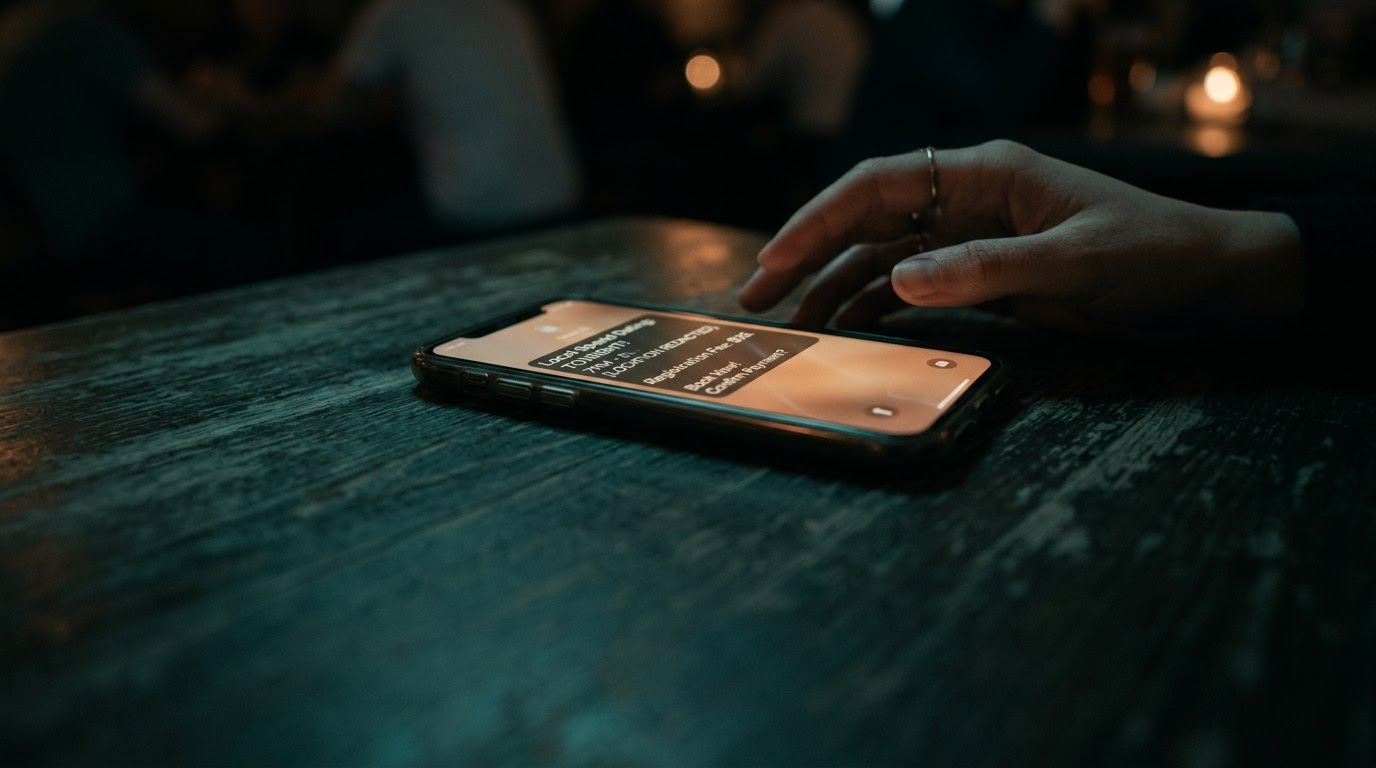
The fake speed dating event scam is an advance-fee scheme targeting single adults looking for real-world romantic connections. As of August 2026, social event impersonation has emerged as a high-volume vector for cybercriminals operating across event distribution platforms and social networks. According to BBB reporting, fake event ticketing scams resulted in over $3.2 million in losses nationwide in 2024. Fraudulent organizers list real local venues, post polished promotional graphics, charge entry fees ranging from $35 to $120 per ticket, and collect thousands of dollars from hopeful local singles before deleting their accounts.
How the scam unfolds
The fake speed dating scam unfolds through a structured playbook where operators publish deceptive local listings on genuine event distribution sites, market them using aggressive social media ads, collect advance registration fees, and disappear before the event date. Scammers exploit local venue names without permission, invent phony hosts, and push urgency tactics to ensure victims pay nonrefundable charges long before realizing the mixer is entirely nonexistent.
To understand how this operation works in practice, examine a typical sequence that unfolds over a three-week promotional cycle in a major metropolitan area or suburban hub.
- Platform Placement and Venue Hijacking: The scammer creates an organizer profile on a major self-service event platform like Eventbrite, Meetup, or Facebook Events. They select a popular local venue—such as a high-end hotel bar, upscale lounge, or trendy downtown restaurant. The scammer builds an event page titled "Midtown Professional Singles Mixer (Ages 25-35)" complete with professional stock photos, detailed age brackets, and precise schedules. They never contact the venue to reserve space or hire staff.
- Micro-Targeted Local Ad Campaigns: The bad actor launches targeted advertisements on Instagram, TikTok, and Facebook, filtering for unmarried residents within a 15-mile radius of the chosen venue. The ads feature catchy slogans like "Tired of Dating Apps? Meet 30 Singles in One Night." Because the ads link directly to a recognized event platform, targets assume the host and event have been vetted.
- Artificial Scarcity and Gender Ratio Manipulation: To force quick purchasing decisions, the listing displays fake dynamic registration counts. The page might show "Male Tickets: SOLD OUT" while showing "Female Tickets: Only 3 Remaining!" or vice versa. This tactic creates artificial urgency, encouraging hesitant buyers to complete checkout immediately before losing their spot.
- Upselling and Information Harvesting: During checkout, the buyer is directed through a custom form that requests full names, phone numbers, personal email addresses, age, and relationship goals. The scammer offers add-ons, such as "VIP Speed Matching Pass" for an extra $25 or "Drink Ticket Bundles" for $20. The victim pays via credit card, Venmo, or Zelle through an unverified payment gateway embedded in the checkout funnel.
- The Night-Before Relocation or Cancellation Notice: 24 to 48 hours before the scheduled gathering, the organizer sends an automated email or text message claiming "unforeseen plumbing issues at the venue" or "capacity restrictions mandated by management." The message states the event is rescheduled for next month or relocated to a vague secondary venue. Alternatively, no communication is sent at all, leaving attendees to show up at a confused venue whose managers have no record of the booking.
- Ghosting, Account Deletion, and Dispute Evasion: When ticket holders request refunds, the scammer delays responses using auto-repliers promising processing within 10 business days. This stall tactic pushes victims past instant chargeback windows on certain payment processors. Shortly after, the organizer profile is deleted, the social media pages disappear, and the money is laundered through payment processors to offshore or unlinked accounts.
Who gets targeted and why
Fake speed dating scams primarily target single adults aged 22 to 55 who are experiencing dating app fatigue and seeking genuine in-person connections. Scammers leverage the psychological pull of low-friction local meetups and artificial gender balance claims. Victims willingly transfer small registration fees because the financial risk feels negligible compared to the potential reward of finding a compatible partner in their city.
One common pattern involves targeting newcomers who recently moved to a metro area and want to build a local social network quickly. Post-divorce singles and busy professionals who lack time for prolonged online messaging are also frequent targets. These demographics value curated, structured events where attendee screening is promised.
The emotional mechanism behind this scam relies on optimism and micro-transactions. An individual contemplating a $45 ticket price rarely treats the transaction with the skepticism reserved for wire transfers or investment proposals. Scammers take advantage of this reduced scrutiny. FTC reports show that romance and social event impersonation fraud rose 18% in 2025.
Because the cost per individual is low, victims often chalk up the loss to a bad experience rather than filing formal police reports. Scammers exploit this silence by scaling the playbook across dozens of mid-sized cities simultaneously, accumulating tens of thousands of dollars in high-margin fraud revenue each month.
Tactical breakdown of fake singles event operations
Analyzing the operational phases of fake speed dating scams reveals how criminal operators manipulate trust at every step. By contrasting public promotional messages against backend reality, targets can quickly spot structural inconsistencies in ticket sales, venue announcements, and host communications before transferring registration funds to fraudulent accounts.
Review this breakdown showing how organizer communications map to backend scam operations:
| Stage of the Scam | What the Scammer Says | What's Actually Happening |
|---|---|---|
| Initial Hook | "Join our exclusive, curated singles mixer at [Local Upscale Lounge]. Limited spots available to maintain strict 1:1 gender balance!" | The scammer scraped the lounge's name off Google Maps and has no contract, reservation, or communication history with venue management. |
| Checkout & Processing | "Ticket prices increase in 2 hours! Reserve now to secure your guaranteed 12 speed-dates." | Artificial timers and fake inventory meters trick the target into making an impulse payment before researching the host's background. |
| Post-Purchase Contact | "Complete your mandatory pre-event matching survey so our algorithm can match your preferences." | The scammer collects sensitive personal data, preferences, and contact details to compile target lists for secondary phishing scams. |
| Pre-Event Pivot | "Due to unexpected maintenance at the primary venue, we are moving to a new venue. Check your email 2 hours before the event for final entry codes." | The scammer buys time to prevent attendees from calling the original venue beforehand to confirm the event exists. |
| Aftermath & Evasion | "Refund requests are being processed by our accounting team. Please allow 14 business days due to high volume." | The scammer uses auto-responders to run out the clock on standard resolution periods before closing the processing account. |
When reviewing these stages, notice how every communication serves to keep you passive while the scammer liquidates the collected merchant accounts. The key weakness in their strategy is their inability to control external verification channels, such as a direct phone call to the physical establishment hosting the proposed gathering.
How to recognize it before money moves
You can recognize a fake speed dating event before transferring money by verifying venue reservations directly, scrutinizing organizer registration histories, checking domain creation dates, and questioning high-pressure ticket availability claims. Legitimate organizers maintain clear communication channels, transparent refund policies, verifiable business profiles, and direct tie-ins with real local establishments rather than generic third-party payment gateways.
Before buying tickets to a local singles event, run through these critical evaluation questions:
1. Has the venue confirmed the event directly with you?
Never rely solely on an event listing banner that includes a bar or hotel logo. Call the venue directly using the phone number listed on their official website or Google Business profile. Ask to speak with the general manager or events coordinator. Ask directly: "Is there a private speed dating event booked in your space this Thursday night by [Organizer Name]?" If the venue staff seems confused or states they do not host third-party mixers, walk away immediately.
2. Does the organizer have a verifiable identity and digital footprint?
Legitimate event hosts build multi-year reputations. Search for the organizer's personal name or event company name across business registries, corporate registries, and social channels. Look for past event photos featuring real attendees, tagged venue posts, and long-standing review profiles. Running a TrustCheck early narrows the question to one thing: whether the details you were given describe a real, consistent identity. Plenty of scams are run by people using their own names, so treat the result as evidence about the details, not a verdict on the person.
3. Are you being instructed to pay through non-merchant channels?
Legitimate local event companies use established ticketing infrastructure with secure credit card processing, clear terms of service, and built-in dispute protocols. If an event page instructs you to send funds via peer-to-peer payment apps like Zelle, Venmo, Cash App, or cryptocurrency to "reserve your spot without platform fees," it is almost certainly fraudulent. P2P platforms treat transfers as cash transactions, providing no buyer protection for phantom services.
4. Does the ticketing page lack formal legal policies?
Check the footer of the event landing page. Legitimate event businesses disclose a registered business entity, physical mailing address, clear refund policy, explicit privacy policy, and working customer support line. Scam sites rely on basic single-page forms hosted on free web builders that lack legal documentation and corporate identification details.
If it's already happened
If you paid for a fake speed dating event, act within 72 hours by disputing the charges with your bank or credit card company, notifying the ticketing platform, and reporting the venue fraud to regulatory authorities. Gather all receipt emails, promotional screenshots, and host communications to establish a clear evidence trail for administrative recovery and official scam tracking databases.
Take these concrete recovery steps immediately:
Step 1: Contact your financial institution
If you paid via credit card or debit card, call your card issuer's fraud department immediately. Request a chargeback under the category "services not rendered" or "fraudulent merchant billing." Provide copies of the event listing, your purchase receipt, and proof that the event did not occur or that the venue denied hosting it. FBI IC3 data indicates that venue and ticket impersonation complaints increased by 22% in 2025.
Step 2: File formal platform and law enforcement reports
Notify the platform where the event was listed (e.g., Eventbrite, Meetup, Facebook). Request that the organizer's account be frozen to prevent further losses to local singles. After the fact, a TrustCheck tells you only whether the contact details held together as one identity. That is context, not evidence, and investigators will not treat it as documentation. Report what happened to your bank and to the FTC at reportfraud.ftc.gov, and keep your own records of the messages and payments.
Submit reports to primary consumer protection databases:
- Federal Trade Commission: File an official complaint at reportfraud.ftc.gov to help federal law enforcement map systemic billing networks.
- FBI Internet Crime Complaint Center: Report the online fraud sequence at ic3.gov, particularly if cross-state payment transfers were involved.
- State Attorney General: File a consumer protection report with your state's Attorney General office detailing local event impersonation.
Step 3: Secure your personal data
If you completed a detailed "pre-event matching survey" during checkout, consider what personal information you disclosed. If you shared full birth dates, home addresses, or passwords, monitor your credit profiles for unusual activity and update login credentials across your personal accounts.
Frequently asked
Are fake speed dating scams illegal?
Yes, fake speed dating event scams constitute advance-fee fraud, wire fraud, and deceptive trade practices. Promoters who collect money for non-existent events commit criminal misrepresentation by advertising unauthorized venue partnerships and withholding services paid for by consumers.
How can I tell if a singles event host is real?
To verify a singles event host, check their past event history, cross-reference host profiles on social platforms, read independent online reviews, and call the hosting venue directly to confirm their event space reservation before buying a ticket.
Can I get my money back from a fake event ticket purchase?
You can get your money back by filing a chargeback with your credit card company or bank for services not rendered. Provide evidence including purchase receipts, event listings, and proof that the event was fake or unauthorized.
Why do scammers use real local bar and hotel names?
Scammers use real local venue names to exploit the venue's established reputation and trust. Victims assume that because the venue is legitimate and physical, the event listed at that location must also be legitimate and authorized.
What should I do if I showed up to a fake speed dating event?
If you show up to a non-existent event, inform the venue manager immediately so they can issue public disclaimers. Document the empty location with photos, contact your card issuer for a refund, and report the organizer.
More in Scams
- How Fake Fine Wine Provenance Certificates Scam Peer Collectors
October 12, 2026
- How Fake Camera Lens Swap Scams Target Marketplace Buyers
October 10, 2026
- How Fake Exotic Car Rental Deposit Scams Target Vacationers
October 8, 2026