How Fake Sugar Daddy Scams Target Young Online Daters
· 10 min read
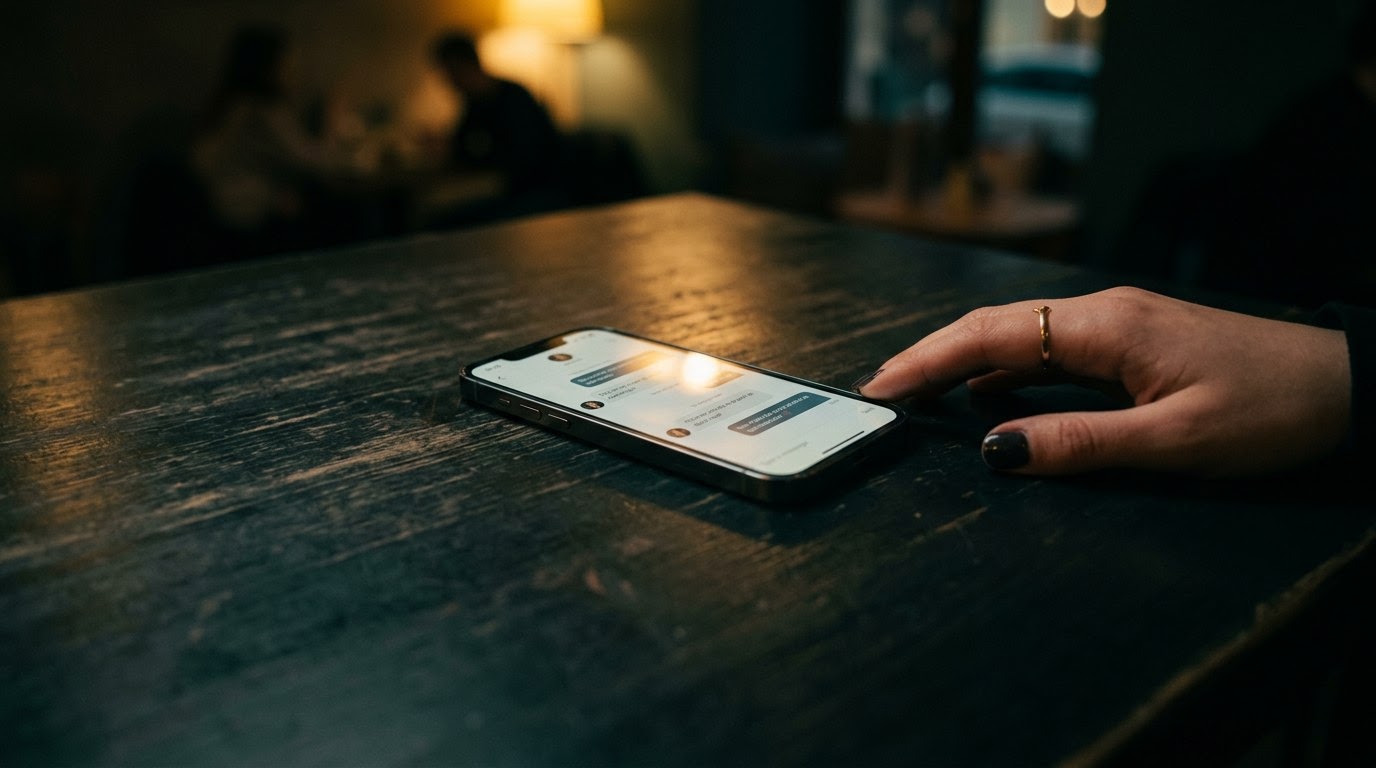
Fake sugar daddy scams have emerged as one of the fastest-growing online financial fraud schemes targeting college students, young adults, and digital daters. Fraudsters create convincing social media profiles or dating app personas to promise substantial weekly allowances in exchange for harmless virtual companionship. The entire premise rests on a financial trick: transferring fake funds into your account and asking you to return a portion before your bank notices the transaction was fraudulent. According to FTC data, reported losses from romance and arrangement-based online fraud exceeded $1.1 billion in 2024. As of August 2026, these schemes continue to evolve across popular photo-sharing apps and encrypted chat services, leaving unsuspecting victims with empty bank accounts and severe bank penalties.
How the Fake Sugar Daddy Scam Unfolds Step by Step
How fake sugar daddy scams unfold follows a predictable six-step sequence designed to build quick trust and exploit banking processing delays. Scammers first identify potential victims on social media, offer an unrealistically high weekly allowance, move conversation off-platform, send a fraudulent payment, demand an immediate fee or partial refund, and finally disappear before the original payment bounces.
-
First Contact on Social Platforms or Dating Apps
The sequence begins when an attractive profile reaches out via public direct messages or matches on a popular dating application. The profile usually features images of luxury vehicles, expensive travel, and high-end lifestyles. The user bio frequently includes phrases like "looking for a honest sugar babe to spoil" or "offering a weekly allowance for good conversation." In a typical pattern, the initial message is polite, flattering, and disarmingly casual. The scammer praises your photos or interests and quickly transitions to proposing a arrangement where they pay you hundreds or thousands of dollars a week simply for texting them throughout the day. -
Establishing Rapid Intimacy and the "Allowance" Offer
Once you reply, the scammer immediately attempts to build emotional rapport. They share composite personal stories about being a lonely executive, a grieving widow, or a busy offshore business owner who simply wants someone to share their daily thoughts with. Within 24 to 48 hours, they formalize the financial offer. They might offer $500 to $2,000 per week as a regular "allowance." They emphasize that the arrangement is strictly Platonic and requires no physical intimacy or explicit media, lowering your natural defensive guard and making the opportunity seem like effortless money. -
Moving the Conversation to Encrypted Messaging Apps
Before any financial details are finalized, the scammer insists on switching the conversation away from the original app. They usually request to move to encrypted platforms like WhatsApp, Telegram, Google Chat, or SMS text messaging. This shift serves two critical purposes for the perpetrator. First, it protects their account from being reported and banned on the main dating or social media platform. Second, it isolates you in a private communication channel where platform safety moderators cannot flag automated scam scripts or suspicious link shares. -
The Overpayment or Mobile Deposit Trap
Once on the new channel, the scammer initiates the transaction using one of two primary methods. In the first variation, they ask for your mobile banking credentials to perform a "direct deposit," which leads directly to takeover fraud. In the second, far more common variation, they send you a digital photo of the front and back of a cashier's check or corporate check, telling you to deposit it using your bank app's mobile check deposit feature. The check is usually written for significantly more than the agreed allowance—for instance, a $3,000 check for a $500 weekly payment. -
The Urgent Upfront Fee or Clearing Request
Shortly after you deposit the check, federal banking regulations mandate that your bank make a portion of those funds available within one to two business days. The scammer relies on you seeing this "available balance" as confirmation that the check cleared. They immediately contact you with an urgent scenario: they claim they overpaid you by accident, or they direct you to transfer $2,500 of the funds to a "payroll manager," an "authorized charity," or to purchase Apple, Steam, or Visa gift cards for a relative's birthday. They manufacture extreme urgency, claiming their business operations or personal emergency depend on you sending the money right away via non-refundable methods like Zelle, Cash App, Venmo, wire transfer, or gift card codes. -
The Bank Reversal and Disappearing Act
A few days after you send your own money to the designated third party, your bank's back-office clearing house attempts to settle the deposited check with the issuing bank. The check is discovered to be drawn on a fake, altered, or compromised corporate account. The bank immediately reverses the deposit, removing the full $3,000 from your account. If you spent or transferred any of those funds, your account balance plunges into the negative. The bank charges you returned-check fees and may close your account entirely due to suspected fraud. Meanwhile, the scammer blocks your number, deletes their messaging profile, and vanishes with the money you sent them.
Who Gets Targeted by Sugar Daddy Scams and Why
Young daters between 18 and 25 get targeted by fake sugar daddy scams primarily because they face intense financial pressures, such as tuition, rent, and entry-level salaries, while actively utilizing social media. Scammers exploit this demographic using psychological hooks like immediate financial relief, non-sexual companionship promises, and excessive flattery to lower normal critical judgment.
The demographic profile of targets centers heavily on college students, young professionals, and individuals openly seeking remote or side-gig income. Fraudsters actively search public hashtags on photo-sharing platforms and social networks, seeking posts that mention student loans, tuition costs, rent payments, or job hunting. Individuals who list their digital payment tags in public bios are particularly attractive targets because they signal a familiarity with peer-to-peer financial apps and a willingness to receive digital transfers from online contacts.
Psychologically, the scam relies on a clever manipulation of modern digital norms. Young adults are accustomed to creator culture, where influencers frequently receive financial tips, sponsorships, and digital gifts from online followers. The promise of a "platonic allowance" sounds plausible in a digital economy where virtual relationships carry real economic value. Scammers systematically exploit three psychological triggers:
- Financial Stress Relief: The promise of immediate relief from pressing expenses disarms logic and creates a sense of sudden good fortune.
- Perceived Low Risk: By promising that no physical meetings or explicit content will ever be required, the scammer makes the arrangement feel safe and non-threatening.
- Sunk Cost and Reciprocity: Once you see a high pending balance in your bank account, you feel a moral obligation to help the "generous benefactor" resolve their manufactured emergency or overpayment error.
Mapping the Scam Mechanics from Promise to Loss
Mapping the mechanics of a fake sugar daddy scam reveals a clear contrast between outward promises and technical exploitation. Scammers use scripts that sound generous, such as funding charities or covering processing fees, to mask stolen bank credentials, mobile deposit check manipulation, and irreversible wire transfers.
| Stage of the Scam | What the Scammer Says | What Is Actually Happening |
|---|---|---|
| Initial Contact | "I pay $1,000 weekly allowance just for sweet talk and daily morning texts. No physical contact ever." | The scammer uses automated scripts and stolen web photos to initiate contact with hundreds of accounts simultaneously to find vulnerable targets. |
| Financial Onboarding | "I need your bank account login or email to set up direct payroll deposit through my company account." | The scammer attempts account takeover fraud or gathers financial intelligence to deposit stolen mobile checks directly into your account. |
| The Deposit | "I sent you $3,500. Keep $1,000 for your first week and send $2,500 to my supplier via mobile transfer." | The scammer provides a fake or stolen check image. Federal availability rules temporarily display the money before the check legally bounces. |
| The Transfer Demand | "Purchase $2,500 in gift cards right now for my orphan foundation, or my accountant will lock my funds." | The scammer pressures you to send real, non-refundable currency before your bank detects that the original check was completely fraudulent. |
| The Aftermath | "The system needs another $200 verification fee to release the remaining balance." | The check bounces, your bank clawbacks the entire amount, and the scammer attempts one final extortion push before permanently blocking you. |
How to Recognize Fake Sugar Daddy Scam Tells Before Money Moves
Recognizing fake sugar daddy scams before money moves requires evaluating communication patterns, financial requests, and account history against established red flags. Key indicators include refusing video calls, providing mobile check photos, demanding gift cards or peer-to-peer transfers, and asking for personal banking login credentials under the guise of direct payroll deposits.
To protect yourself from sophisticated financial lures, run through this mental checklist whenever an online acquaintance offers financial support:
- Are they offering money without any physical meeting or verified contract? Legitimate financial arrangements do not begin with anonymous strangers dropping thousands of dollars into unknown bank accounts.
- Did they send a photo of a check for mobile deposit? Real benefactors use established wire methods, payroll services, or digital payment processing—they never text digital images of checks to strangers. Running a TrustCheck early narrows the question to one thing: whether the details you were given describe a real, consistent identity. Plenty of scams are run by people using their own names, so treat the result as evidence about the details, not a verdict on the person.
- Are they asking you to send money anywhere else? A genuine financial sponsor will never ask you to receive funds and immediately forward a portion to a assistant, charity, vendor, or gift card portal.
- Do they make excuses to avoid live video calls? Scammers frequently claim their camera is broken, their network connection in another country is unstable, or their high-profile job forbids video calls.
- Are they demanding your online banking username and password? No employer, donor, or benefactor ever requires your bank credentials to pay you. Sharing login details gives the criminal total control over your funds.
Federal Bureau of Investigation reports showed that confidence and romance fraud caused losses exceeding $650 million in 2023. Paying attention to structural anomalies in how an account presents itself online remains your strongest defense.
If It Has Already Happened: Recovery and the First 72 Hours
Taking immediate action after falling victim to a fake sugar daddy scam can minimize financial damage, protect personal bank accounts, and prevent identity theft. Victims must notify their bank's fraud department within the first 72 hours, freeze compromised accounts, document all chat histories, and submit formal reports to consumer protection agencies.
If you have already deposited a suspicious check or sent funds to a contact, execute these immediate recovery steps:
- Contact Your Bank Immediately: Call the dedicated fraud department of your financial institution. Explain clearly that you unknowingly deposited a fraudulent check supplied by an online scammer. Asking them to flag the transaction early shows good faith and can help prevent your account from being abruptly blacklisted or closed.
- Secure Your Accounts and Change Passwords: If you handed over banking logins, passwords, or two-factor verification codes, change your credentials instantly across all online accounts. Request new debit card numbers and ask your bank to place a security hold on online money transfers.
- Document All Evidence: Take clear screenshots of the scammer's profile, full chat conversations, payment receipts, bank deposit confirmations, and phone numbers. Preserve these records without altering them, as law enforcement agencies require full unedited logs.
- File Reports with Federal Fraud Agencies: Report the details of the incident to official regulatory portals. Submit a detailed complaint online at reportfraud.ftc.gov to alert the Federal Trade Commission, and log the cyber crime at ic3.gov to inform the FBI Internet Crime Complaint Center.
- Check Your Credit Profile: If the scammer gained access to your personal details like your Social Security number or date of birth, place a free credit freeze with all three major credit bureaus (Equifax, Experian, TransUnion) to stop unauthorized lines of credit from being opened in your name.
A 2025 Better Business Bureau report highlighted that less than 15% of online financial fraud victims successfully recover lost funds once non-refundable transfer methods are used. After the fact, a TrustCheck tells you only whether the contact details held together as one identity. That is context, not evidence, and investigators will not treat it as documentation. Report what happened to your bank and to the FTC at reportfraud.ftc.gov, and keep your own records of the messages and payments.
Frequently asked
What is a fake sugar daddy scam?
A fake sugar daddy scam is an online fraud where criminals promise a large weekly allowance for virtual companionship. They send fake checks or fraudulent deposits, then instruct the victim to send a portion back via gift cards or wire transfers before the bank discovers the original deposit was bad.
Why do fake sugar daddy checks clear at first?
Federal banking laws require banks to make funds from deposited checks available within one to two business days. However, full clearance between institutions takes several days. The money shown in your account is a temporary line of credit extended until the fake check officially bounces.
Can you go to jail for depositing a fake check from a scammer?
If you unknowingly deposit a fake check and report it immediately upon realization, you generally face civil account penalties rather than criminal charges. However, knowingly depositing fake checks or participating in money laundering can lead to severe criminal prosecution and permanent loss of banking privileges.
What should I do if a scammer threatens to leak my photos?
Do not panic and do not pay. Scammers use extortion tactics to create panic. Cut all contact, block their accounts, screenshot the threats, set your social media profiles to private, and report the extortion attempts directly to the FBI Internet Crime Complaint Center.
How can I safely verify someone offering financial support online?
Always verify the person's identity before engaging in financial transactions. Demanding a live video call, refusing off-platform communication moves, never accepting digital check photos, and conducting identity checks on social media accounts will protect you from fraudulent online financial arrangement schemes.
More in Scams
- How Fake Fine Wine Provenance Certificates Scam Peer Collectors
October 12, 2026
- How Fake Camera Lens Swap Scams Target Marketplace Buyers
October 10, 2026
- How Fake Exotic Car Rental Deposit Scams Target Vacationers
October 8, 2026