How Fake Travel Companion Scams Exploit Solo Vacationers
· 9 min read
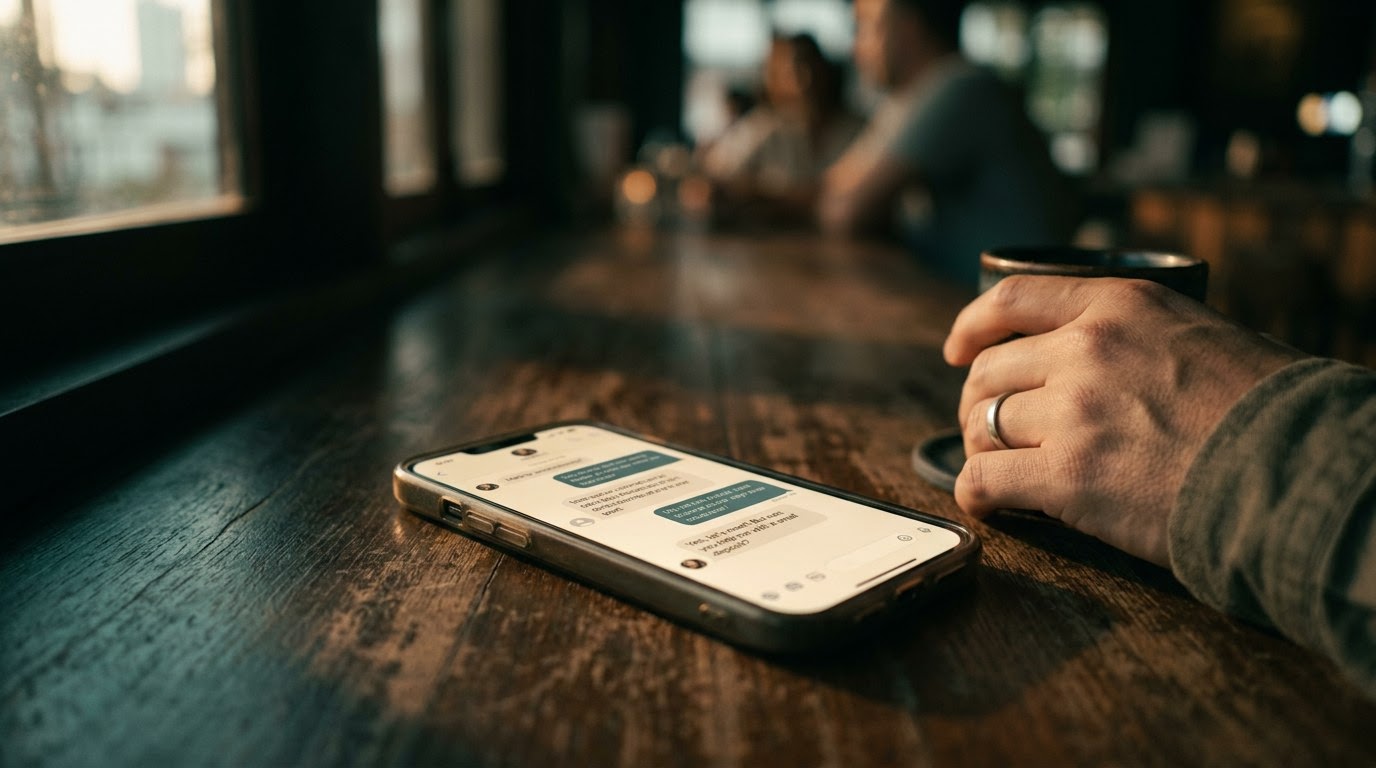
Solo vacationers seeking shared travel experiences are increasingly being targeted by imposters offering fake companion services and co-planned itineraries. FTC data reveals that travel-related and romance fraud imposter schemes caused over $1.1 billion in consumer losses during 2024. As of August 2026, scammers have refined these tactics on social media, travel forums, and companion apps to execute high-value travel booking fraud. The scheme preys on the desire for human connection and cost-sharing, convincing travelers to transfer advance non-refundable deposit fees to fake organizers. Understanding the mechanics of this fraud reveals how quickly a dream vacation can convert into severe financial theft and identity compromise.
How the scam unfolds
Fake travel companion scams unfold over weeks as a fraudster builds romantic or social rapport with a solo vacationer before fabricating shared itinerary costs. The perpetrator uses stolen photographs, meticulously crafted travel plans, and high-pressure artificial deadlines to extract advance wire payments, fake booking deposits, and sensitive personal information. Once money or personal data changes hands, the fraudster vanishes, leaving the victim stranded with non-refundable personal expenses and fake reservations.
To understand how this fraud operates in practice, consider a typical sequence: an avid solo traveler posts on a social media community seeking a co-traveler to split costs for an upcoming trip to Southern Europe. Within hours, a friendly, highly responsive profile responds, initiating a structured scam playbook designed to extract cash and personal documentation.
- The Initial Hook on Niche Travel Platforms: The scammer monitors popular travel forums, backpacker bulletin boards, Facebook groups, and companion apps looking for individuals posting specific dates and destinations. They create a custom profile tailored to mirror the victim’s travel style, budget, and age group. The scammer sends a warm, detailed message claiming they were planning an identical trip and suggests pooling resources to afford luxury amenities like private villas or guided island tours.
- Grooming, Persona Creation, and Moving Off-Platform: After exchanging initial greetings, the scammer quickly pushes to move the conversation off the public forum to encrypted messaging apps like WhatsApp or Telegram. Over the next two to three weeks, they send curated photos of past trips, engage in daily small talk, and display intense enthusiasm for the destination. They share fabricated stories about their career or personal life to build deep psychological trust, making the target feel like they have found an ideal, like-minded travel partner.
- Constructing the Elaborate Shared Itinerary: To make the proposal feel authentic, the fraudster produces high-quality, customized travel schedules. They send PDF documents detailing daily excursions, route maps, boutique hotel links, and private charter options. This stage reinforces the target's excitement and cognitive investment in the trip. The scammer actively invites input from the victim, adjusting excursion choices to create a convincing illusion of shared ownership over the vacation plans.
- The Manufactured Booking Crisis and Deposit Request: Once emotional commitment is established, the scammer introduces a time-sensitive financial bottleneck. They claim to have found a discounted luxury villa or private sailboat rental that requires an immediate deposit to secure the rate. The scammer promises they will pay the larger portion of the total cost if the victim wires their share—typically between $800 and $2,500—to a designated "reservation agent" or directly via a peer-to-peer payment application.
- Document Harvesting under the Guise of Reservation Rules: Simultaneously, the fraudster informs the target that international booking regulations require full guest registration. They request high-resolution scans of the victim’s passport, driver's license, and emergency contact details. Unaware that the accommodation is entirely fictional, the victim sends unredacted identity documents, handing the fraudster complete personal credentials that can be exploited for identity theft or sold on illicit networks.
- The Secondary Emergency Cash Extraction: If the victim pays the initial deposit without suspicion, the scammer stages a second artificial crisis days later. Common excuses include unexpected local tourism taxes, mandatory boat captain fees, or temporary credit card blocks on international transfers. The scammer claims they are currently on a flight or stuck in a meeting, begging the victim to send an additional payment to prevent the entire itinerary from being canceled.
- Ghosting, Account Erasure, and Identity Exploitation: Once the scammer determines the victim cannot or will not send further money, all contact ceases instantly. The WhatsApp number is disconnected, social media profiles are deleted or rebranded, and chat histories are cleared. The victim discovers that the villa reservations do not exist, the payment recipient was an untraceable bank account, and their personal identity documents are now in the hands of criminal syndicates.
Understanding the Fake Travel Companion Tactics
Recognizing the distinction between legitimate trip coordination and scammer tactics requires analyzing the true underlying motives behind high-pressure travel pitches. Fraudsters systematically replace verified payment platforms with untraceable transfers while offering excuses for why they cannot meet on video calls. By comparing what a scammer says against the technical reality of their requests, solo travelers can identify fraudulent companion solicitations early in the interaction.
To evaluate potential risks when planning a trip with someone met online, examine how standard travel arrangements contrast with deceptive tactics across key stages of planning.
| Stage of the Scam | What the Scammer Says | What's Actually Happening |
|---|---|---|
| First Contact | "I happened to be planning the exact same trip on those exact dates! Let's chat on WhatsApp to coordinate." | The scammer searches public travel posts and creates a matching profile to lure targets off monitored platforms. |
| Itinerary Planning | "I have a corporate connection that gets us 60% off luxury villas, but we have to lock it in today." | The scammer uses fake or stolen listing photos to create urgency, preventing the victim from verifying the rental. |
| Payment Collection | "My card isn't accepted by the local agent. Can you Zelle or wire your half to this manager account?" | The scammer routes funds through non-reversible peer-to-peer accounts or money mules to bypass purchase protection. |
| Document Request | "The resort requires a full passport scan and home address for both guests before issuing confirmation." | The scammer harvests high-value government identity documents to commit financial identity theft or re-use in future scams. |
| Pre-Departure Emergency | "The agency added a mandatory port authority fee. If you cover it now, I'll pay you back in cash when we meet." | The scammer extracts final cash reserves right before breaking off all contact and deleting their digital footprint. |
Who gets targeted and why
Solo vacationers—particularly retirees, digital nomads, and single young professionals—are primary targets for travel companion scams because they combine disposable income with a strong desire for shared social experiences. Scammers exploit the isolation of planning solo trips alongside the human tendency to trust perceived peers who share niche interests, making victims far less likely to question artificial booking emergencies or requests for off-platform payment transfers.
The psychological hook relies heavily on two main vectors: budget optimization and social validation. Solo travel often carries a financial penalty in the form of single supplements for hotels, cruises, and tours. When a friendly stranger offers to split those costs, the target naturally frames the offer as a smart financial decision rather than a security risk. Scammers manipulate this incentive by offering access to high-end accommodations that would otherwise be cost-prohibitive for a single traveler.
Additionally, scammers leverage emotional engineering. Planning a major journey creates anticipation and excitement, lowering cognitive resistance to red flags. Fraudsters intentionally mimic the target's lifestyle, hobbies, and travel philosophy. Whether catering to eco-tourists, luxury seekers, or budget backpackers, the fraudster shapes their online identity to create instant familiarity. According to 2025 FBI IC3 reporting, personal data theft and confidence fraud targeting solo travelers accounted for tens of millions in reported losses.
How to recognize it before money moves
Spotting a fake travel companion scam before making financial commitments relies on identifying behavioral red flags such as refusal to conduct live video calls, demands for non-standard payment methods, and excessive pressure for immediate booking deposits. Legitimate travel buddies never ask strangers to wire money for unverified third-party reservations or hand over unredacted passport copies without clear verification. Evaluating every partner request against established safety checklists stops travel fraud in its tracks.
Before transferring any funds or agreeing to travel arrangements with someone met online, evaluate the interaction using these objective criteria:
- Are they avoiding live video interaction? Fake travel companions consistently make excuses to avoid video calls. They may cite poor connection quality, broken cameras, or demanding work schedules. If a prospective travel partner refuses to hold a ten-minute, two-way video conversation where their face is clearly visible, stop all communications immediately.
- Are payment requests directed to individuals rather than established platforms? Never send booking funds directly to a travel companion, an unknown bank account, or an unverified third-party manager. Legitimate travel arrangements allow each participant to pay their portion directly to certified hotels, airlines, or licensed booking agencies using credit cards that offer buyer protection.
- Is there extreme pressure to make fast financial decisions? Scammers rely on artificial urgency to bypass logical critical thinking. Statements like "the discount expires in two hours" or "another buyer is taking the villa unless we wire the money now" are designed to stop you from researching the property or verifying their identity.
- Are they asking for unredacted identification documents? While airlines and hotels require passport details for check-in, co-travelers do not need full scans of your primary identity documents weeks in advance. Sharing unredacted passport images opens the door to secondary fraud, including unauthorized credit applications and account takeovers.
- Have you validated their real-world identity? Running a TrustCheck early narrows the question to one thing: whether the details you were given describe a real, consistent identity. Plenty of scams are run by people using their own names, so treat the result as evidence about the details, not a verdict on the person.
If it's already happened
If you have fallen victim to a fake travel companion scam, immediately contact your financial institutions to halt pending transfers, freeze compromised accounts, and file official fraud reports. Document all correspondence, including user handles, money transfer receipts, phone numbers, and chat logs, before reporting the incident to consumer protection authorities. Taking swift action within the first 72 hours significantly increases the chances of mitigating identity theft and aiding law enforcement efforts.
Execute this emergency action protocol immediately upon realizing a travel companion interaction is fraudulent:
-
Step 1: Contact Financial Institutions and Payment Services
Notify your bank, wire service, or peer-to-peer platform immediately. Request a recall or freeze on recent transactions made to the scammer. If you provided credit card or bank account numbers directly, request account cancellation and replacement cards to prevent secondary authorization attempts. -
Step 2: Secure Your Personal Identity Credentials
If you sent passport copies, driver's licenses, or Social Security details, report the disclosure immediately. File a passport fraud report with state authorities and place a fraud alert or credit freeze on your files with Equifax, Experian, and TransUnion to block unauthorized lines of credit. -
Step 3: Submit Official Reports to Federal Law Enforcement
Document every aspect of the communication, including screenshots of chat logs, listing photos, wallet addresses, and payment confirmation receipts. File detailed reports with federal agencies at reportfraud.ftc.gov and the FBI Internet Crime Complaint Center at ic3.gov. -
Step 4: Check the Contact Details You Were Given
After the fact, a TrustCheck tells you only whether the contact details held together as one identity. That is context, not evidence, and investigators will not treat it as documentation. Report what happened to your bank and to the FTC at reportfraud.ftc.gov, and keep your own records of the messages and payments. -
Step 5: Alert Platform Administrators
Notify the travel forum, social media network, or matching app where the scammer initially contacted you. Provide their profile handle and evidence of fraud so administrators can ban associated IP addresses and warn other members of the community.
Data published by the Better Business Bureau in 2024 revealed that less than 15% of scam victims successfully recover funds once wire transfers are completed. Acting decisively within the initial 72-hour window provides the highest statistical chance of mitigating loss and protecting your broader financial identity.
Frequently asked
How do fake travel companion scams work?
Scammers create fake online personas on travel forums and social media apps to match with solo vacationers. After establishing trust through shared trip planning, they demand advance deposits for fake luxury accommodation or charter transportation via untraceable payment methods. Once payment or sensitive personal documents are received, the fraudster disappears, leaving the traveler without reservations or money.
What payment methods do travel scammers typically request?
Fake travel companions usually demand payments through peer-to-peer applications like Zelle, Venmo, or Cash App, as well as wire transfers, gift cards, and cryptocurrency. These channels lack consumer purchase protection, making it almost impossible to recall funds once transferred. Legitimate travel operators and verified companions always process bookings through established, credit-card protected reservation platforms.
Why do travel scammers ask for passport scans?
Scammers claim they need passport copies to book joint international flights, private charters, or hotel rooms. In reality, fraudsters harvest these documents to commit identity theft, open fraudulent financial accounts, or sell real credential scans on illicit marketplaces. Furthermore, compromised passports allow scammers to impersonate victims while targeting future vacationers in similar travel schemes.
How can I verify a potential travel buddy before booking?
Before agreeing to travel or sharing costs, schedule a live two-way video call to confirm the person matches their profile photos. Research their trip itineraries independently and insist on paying official booking providers directly with a credit card. Additionally, verify their personal details using secure identity verification tools before transferring any booking money or sharing documentation.
What should I do immediately if I sent money to a fake travel companion?
Contact your bank or payment platform immediately to request a payment recall or dispute the fraudulent transfer. Report the fraud to federal authorities through reportfraud.ftc.gov and ic3.gov with detailed logs of your communications. If you shared personal documents like passport scans, place fraud alerts with major credit bureaus to prevent identity theft.
More in Scams
- How Fake Fine Wine Provenance Certificates Scam Peer Collectors
October 12, 2026
- How Fake Camera Lens Swap Scams Target Marketplace Buyers
October 10, 2026
- How Fake Exotic Car Rental Deposit Scams Target Vacationers
October 8, 2026