How Fake VIP Table Reservation Scams Target Nightlife Eventgoers
· 9 min read
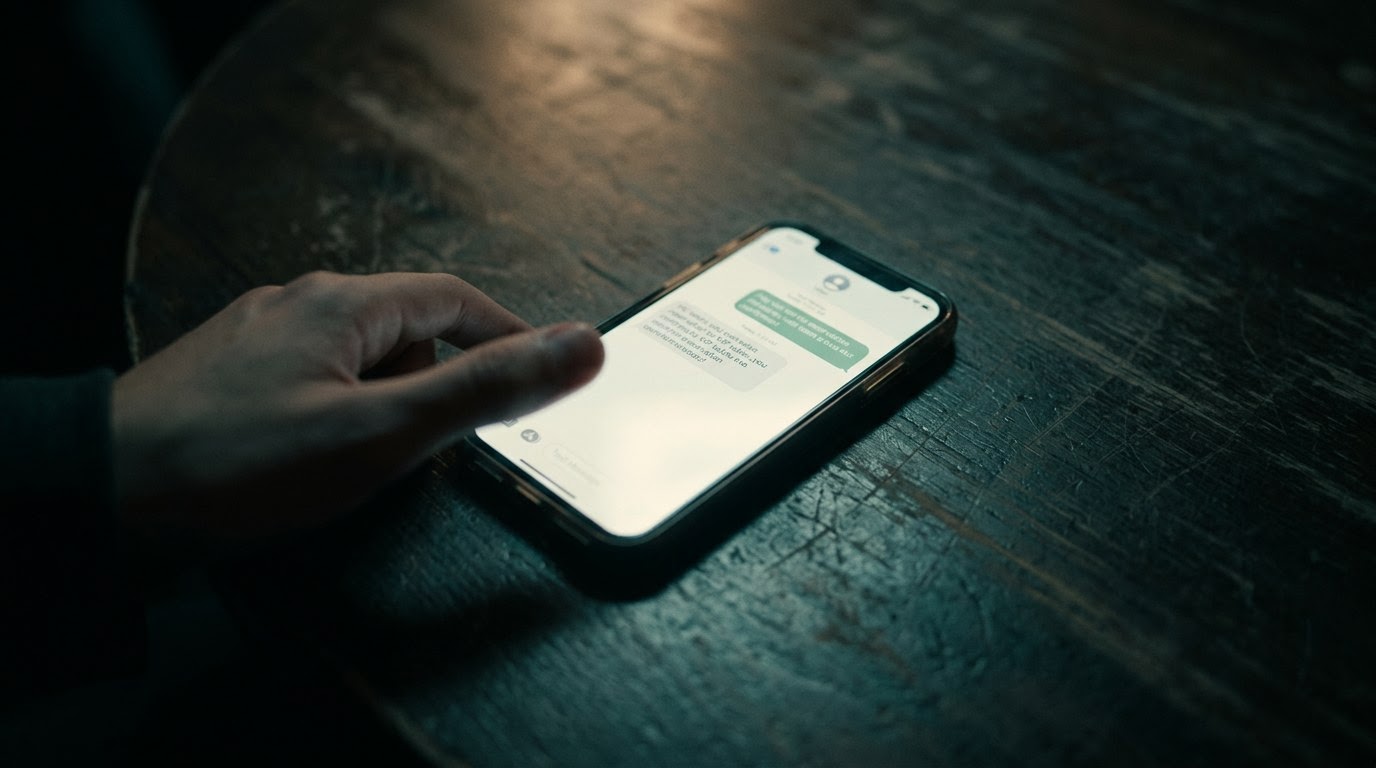
How fake VIP table reservation scams target nightlife eventgoers has become a critical security issue in major entertainment destinations like Las Vegas, Miami, New York, and Los Angeles. As of August 2026, fraudulent promoters operate sophisticated digital impersonation schemes that trick partygoers into sending non-refundable deposits for bottle service and premium seating that never existed. Victims often lose between $300 and $2,500 per incident, only discovering the fraud when door security turns them away on the night of a sold-out event. According to Federal Trade Commission reports, non-delivery and social media impersonation scam losses surpassed $1.4 billion in 2024.
How the Scam Unfolds Step by Step
Fake VIP table reservation scams unfold through a disciplined playbook where fraudsters exploit high-demand nightlife events, sold-out concerts, and holiday weekends. Scammers establish authentic-looking promoter profiles on social media, contact eventgoers seeking access, and pressure them into non-refundable peer-to-peer deposits. Understanding each phase of this process reveals how impersonators manipulate venue reputation, create artificial urgency, and disappear once money transfers complete.
The operational playbook relies on social engineering, stolen branding, and communication isolation. Fraudsters know that when you are planning a celebration or trying to secure entry to an exclusive venue, high emotions and time pressure diminish natural skepticism. Here is the exact, step-by-step sequence scammers execute from initial setup to final departure.
- Digital Turf Staking and Profile Cloning: Fraudsters build polished social media accounts on platforms like Instagram, TikTok, and Telegram. They copy photos, videos, and bio descriptions from legitimate nightlife hosts, VIP directors, and hospitality groups. They tag famous venue locations, post stolen clips of celebrity appearances, and buy fake followers to establish artificial social proof.
- Infiltration and Social Listening: The scammer monitors comment sections on official nightclub posts, festival event pages, and DJ tour announcements. When you post comments asking "How do I get a table tonight?" or "Are tickets sold out?", the fraudster tags your profile or sends an immediate direct message presenting themselves as an insider who can unlock last-minute inventory.
- The Direct Message Pitch and Package Upsell: In private messages, the scammer provides realistic menu graphics, table blueprints, and bottle pricing tiers. They offer attractive incentives such as complimentary champagne, expedited line bypass, or prime floor placement near the DJ booth. They present customized invoice PDFs featuring stolen venue logos to make the transaction look official.
- Artificial Urgency and Peer-to-Peer Payment Demands: Once you express interest, the scammer creates severe time pressure. They claim another group is bidding on the last available table and insist that you pay a 50% deposit within 15 minutes to hold the reservation. They demand payment through non-refundable peer-to-peer mobile apps, cash tags, or cryptocurrency wallets, claiming the venue's primary credit card terminal is temporarily down for maintenance.
- Fake Confirmations and Pre-Event Reassurance: After receiving your payment, the fraudster issues a counterfeit reservation code, a fake QR code pass, or a fabricated digital receipt. To keep you quiet until the event starts, they send friendly check-in messages detailing dress code requirements and telling you to meet their "head host" at the velvet rope at 11:00 PM. In some instances, they attempt a second cash extraction by claiming mandatory VIP security fees or local entertainment taxes must be settled prior to arrival.
- The Velvet Rope Rejection and Profile Erasure: When your party arrives at the venue entrance, real door managers examine your pass and confirm that the reservation code is invalid, the promoter name is unknown, and the table was never booked. While you stand outside in line, the scammer blocks your phone number, deletes the social media conversation, or completely deactivates their account, leaving you stranded without funds or access.
Comparing Scam Communication Stages to Reality
Evaluating what a promoter says against operational reality reveals critical mismatches at every phase of a table booking. Authentic venue personnel process payments through centralized point-of-sale platforms, provide merchant receipts, and use official company email addresses. Fraudulent promoters rely exclusively on peer-to-peer mobile apps, pressure fast decisions, and refuse standard credit card transactions. Comparing these communication signals helps eventgoers spot unauthorized brokers immediately.
Recognizing the operational differences between legitimate corporate hospitality management and freelance fraudsters requires analyzing their messaging patterns. The table below breaks down common scam prompts alongside actual venue practices.
| Stage of the Scam | What the Scammer Says | What's Actually Happening |
|---|---|---|
| Initial Outreach | "I have two VIP floor tables left for tonight's sold-out DJ set at the club." | The scammer monitors public venue comments to identify desperate eventgoers and has zero access to actual venue inventory. |
| Booking Agreement | "Pay a 50% deposit via Zelle or Cash App right now to lock in your table placement." | Real venues invoice through merchant credit card processing gateways, never personal peer-to-peer payment tags. |
| Documentation | "Here is your official digital VIP voucher and host contact pass for entry." | The scammer sends an edited graphic or generic PDF created in graphic design software to stall for time and prevent early cancellation. |
| Pre-Event Friction | "The venue added a mandatory $200 host fee that must be paid before 10 PM." | The fraudster attempts a final cash extraction right before the event, exploiting your fear of losing the table. |
| Door Arrival | "My host is inside setting up your table; tell security you are on my master guestlist." | Security has no record of the promoter, your payment went to a personal account, and your group is turned away at the door. |
Who Gets Targeted and Why
Fake VIP table reservation scams primarily target adults aged 21 to 35, tourist groups celebrating special occasions, and high-intent partygoers traveling to major entertainment hubs like Las Vegas, Miami, New York, and Los Angeles. Scammers exploit fear of missing out (FOMO), social prestige desires, and unfamiliarity with local venue booking procedures, convincing targets that exclusive access requires immediate, off-platform cash deposits.
The victim profile centers on individuals organizing group outings where social pressure is elevated. Typical targets include bachelor and bachelorette parties, birthday groups, festival attendees, and holiday weekend tourists. A 2025 Better Business Bureau report highlighted that event-related impersonation scams increased by 28% across major metropolitan markets.
Psychologically, fraudsters exploit three core human vulnerabilities: urgency, social friction, and desire for exclusivity. When planning an expensive trip or group night out, you do not want to let your friends down or end up stuck in a two-hour general admission line. Scammers use this anxiety to bypass your normal financial caution.
A typical sequence involves a group of six friends visiting Miami for a holiday weekend. Seeking access to a sold-out headline event, one member posts on a public message board asking for promoter connections. Within minutes, a smooth-talking direct message arrives offering a prime table at a discounted minimum spend. Because the group wants to secure their plans before landing at the airport, they pool cash using a mobile payment app and transfer $1,200 directly to the individual's payment handle. By the time they arrive at the venue door that night, the money is gone, the Instagram profile is deleted, and the venue has no record of their party.
How to Recognize It Before Money Moves
Recognizing a fake VIP reservation scam before sending money requires auditing the promoter's identity, payment methods, and contact channels. Legitimate nightlife venues process deposits through verified web portals or official merchant processors, never individual peer-to-peer accounts. Asking key security questions and confirming the host's credentials directly with venue management isolates fraudulent brokers before financial damage occurs.
Before transferring any deposit for bottle service or VIP admission, evaluate the transaction against these high-signal red flags:
- Is the payment requested through a peer-to-peer cash app or cryptocurrency? Legitimate corporate venues process transactions through encrypted merchant portals that issue itemized receipts with standard consumer protections. If a promoter demands Zelle, Cash App, Venmo, Apple Cash, or Bitcoin, stop communicating immediately.
- Does the contact use a free webmail address or generic social media account? Authorized VIP hosts communicate via corporate email addresses matching the venue's official domain name (e.g., `[email protected]`). Be suspicious of communications originating from Gmail, Yahoo, or accounts with recent name changes and hidden follower lists.
- Did the host reach out to you unprompted after you posted on a public page? High-end VIP hosts rarely send unsolicited cold direct messages to strangers commenting on general venue posts. Independent brokers who aggressively initiate DMs promising impossible discounts on sold-out nights are almost always impersonators.
- Can the venue's main office independently confirm the reservation? Never rely on phone numbers provided in a direct message or PDF invoice. Look up the nightclub's corporate office or main line independently through their official website, call the venue concierge desk, and verify the host's full legal name and table assignment.
- Is the host willing to perform an identity verification check? No identity check can guarantee a safe transaction. A TrustCheck tells you whether the details someone gave you are consistent with one real identity — the judgement, and the risk, stay with you. Real promoters operating legitimate hospitality businesses have no reason to hide their verified credentials.
If It's Already Happened: Recovery and Reporting Steps
If you have fallen victim to a fake VIP table reservation scam, taking rapid action within the first 72 hours maximizes your chances of securing digital evidence and mitigating financial harm. Contact your bank or payment platform immediately to report fraudulent activity, preserve all messaging transcripts and transaction receipts, and notify venue management to prevent further impersonation of their staff.
While recovering funds from peer-to-peer mobile app payments can be challenging, following a structured emergency response protocol protects your broader identity and establishes a formal legal paper trail.
Execute these steps immediately upon discovering the fraud:
- File Payment Disputes Within 72 Hours: Contact the fraud department of the bank, credit card company, or mobile app used to send the payment. Explicitly state that you were the victim of merchant impersonation and non-delivery fraud. Request a chargeback or payment recall, and provide all transaction reference numbers.
- Preserve All Digital Communications: Take high-resolution screenshots of every message, invoice PDF, payment confirmation, social media profile page, phone number, and QR code pass. Preserve original email headers if communication occurred via email. Do not delete chat histories, even if the scammer blocks you.
- Verify the Scammer's Credentials: A TrustCheck can tell you whether the details you were given trace back to a consistent identity, which is worth writing down for your own record of what happened. It cannot confirm that someone is a scammer, it will not tell you who was really behind the profile, and it is not evidence. Report the incident to your bank, to the platform where you met, and to the FTC at reportfraud.ftc.gov.
- Report to Federal Cybercrime Databases: Submit a detailed fraud complaint to the Federal Trade Commission at reportfraud.ftc.gov and the FBI Internet Crime Complaint Center at ic3.gov. Federal Bureau of Investigation IC3 data from 2024 showed that online fraud schemes resulted in over $12.5 billion in total reported losses. Include specific payment handles, phone numbers, and web links used by the fraudster.
- Alert Venue Management and Security: Contact the official management team of the nightclub or hospitality group where the scam occurred. Provide them with the fraudster's profile information so their legal and security teams can issue public warnings, take down impersonator pages, and report the account to social platforms.
- Secure Your Personal Financial Accounts: If you clicked any links sent by the fake promoter or shared sensitive identity information, change your online banking passwords, update multi-factor authentication settings, and monitor your credit statements for suspicious activity.
Frequently asked
Can I get my deposit back from Zelle or Cash App if the VIP promoter was fake?
Getting funds returned from peer-to-peer payment apps after a scam is difficult because these services treat transfers like cash. You should immediately report the unauthorized or fraudulent transaction to your bank and the app support team. While recovery is not guaranteed, filing an official dispute along with police and IC3 reports increases the likelihood of an account credit.
How do legitimate nightclubs handle VIP table deposits and bottle service bookings?
Legitimate nightclubs handle VIP table bookings through official corporate web portals, merchant payment gateways, or verified corporate email addresses ending in the venue's domain. Authorized VIP directors issue formal invoices detailing table locations, minimum spends, and tax rates. Real venues never require non-refundable transfers to personal cash app handles or personal mobile numbers.
Why do scammers target tourists traveling for festival weekends and holidays?
Tourists are prime targets because they are often unfamiliar with local venue policies and feel intense time pressure to secure arrangements before arriving. Scammers exploit this urgency during sold-out festival weekends, New Year's Eve, or holiday events when official tables sell out quickly, making high-priced, off-platform offers appear like rare last-minute opportunities.
What should I do if a fake promoter threatens to cancel my table unless I pay extra fees?
Do not send additional funds if a promoter demands surprise fees for taxes, security, or expediting your entry. Legitimate venues include all applicable taxes and service charges in your initial invoice contract. Demanding extra payments right before an event is a classic extortion tactic designed to extract more cash before you realize the table does not exist.
How can I verify if an independent VIP host actually works for a specific nightclub?
To verify an independent VIP host, call the nightclub directly using the verified telephone number listed on their official website or Google Business profile. Ask venue management or the VIP concierge desk to confirm whether the host's full name, phone number, and social media profile are authorized to sell table packages for that venue.
More in Scams
- How Fake Fine Wine Provenance Certificates Scam Peer Collectors
October 12, 2026
- How Fake Camera Lens Swap Scams Target Marketplace Buyers
October 10, 2026
- How Fake Exotic Car Rental Deposit Scams Target Vacationers
October 8, 2026