How Fake Wedding Photographer Deposit Scams Target Engaged Couples
· 10 min read
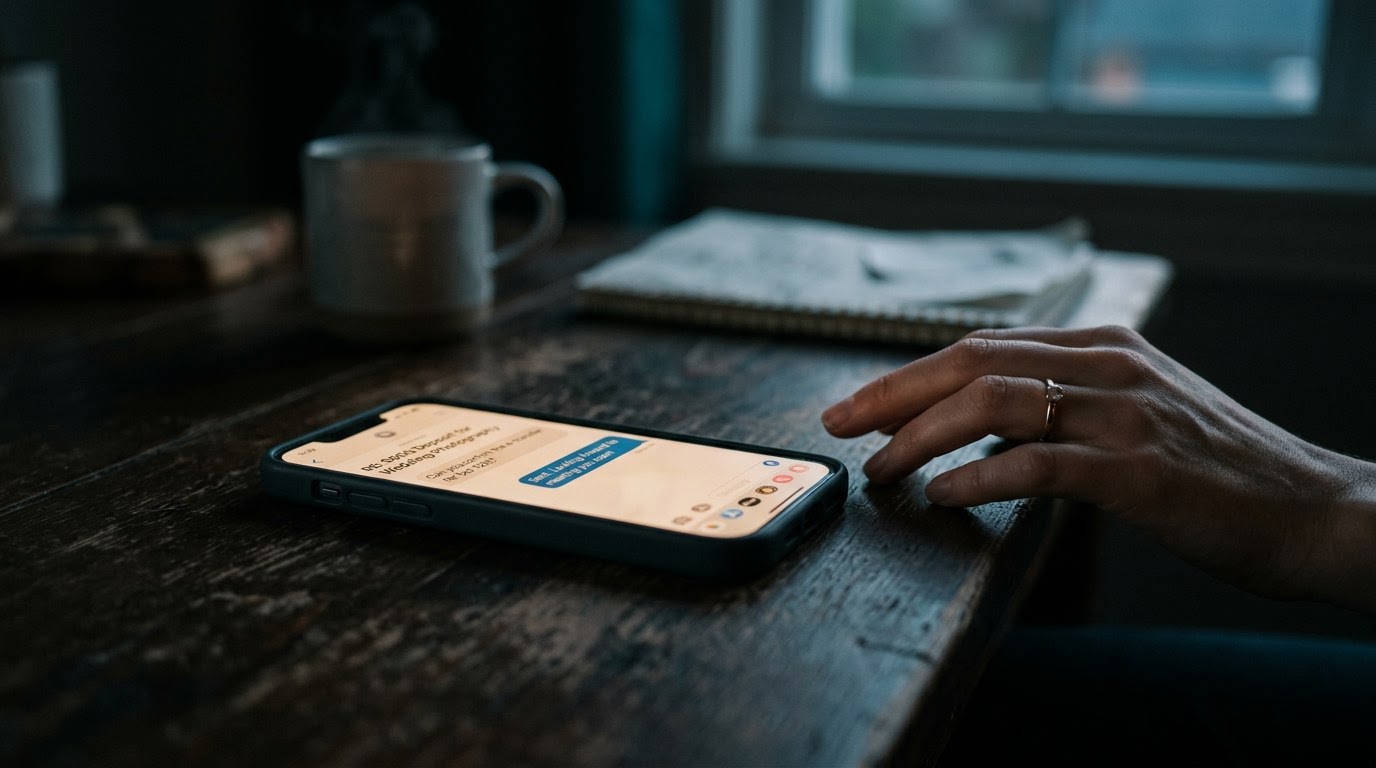
How the Fake Wedding Photographer Deposit Scam Unfolds
The fake wedding photographer deposit scam unfolds through a systematic six-stage playbook designed to build rapid credibility, induce artificial urgency, and secure nonrefundable payments. Fraudsters begin by stealing high-resolution photo galleries from legitimate international photographers, creating polished social media profiles, and running targeted ads aimed at recently engaged couples. Once a prospect reaches out, the imposter offers an irresistible package discount, demands an immediate retainer fee via peer-to-peer payment apps, and maintains brief contact until vanishing shortly before the scheduled wedding date.
- Portfolio Scraping and Profile Setup: The fraudster targets established wedding photographers operating in different geographic markets or overseas countries. They download entire galleries of high-end wedding photos, including aesthetic detail shots, emotional ceremony highlights, and drone footage. Using these stolen assets, the scammer builds clean, aesthetic Instagram, TikTok, and Pinterest profiles under a fabricated business name like "Lumiere Wedding Studios" or "Apex Cinematic Media." They buy thousands of fake followers and post false customer testimonials to create the illusion of an established, thriving business.
- Micro-Targeting Engaged Couples: The scammer targets social media users actively searching for wedding inspiration or posting about recent engagements. They run targeted sponsored posts on Instagram and Facebook set to geographic radii where couples are actively seeking vendors. They also scan venue tag locations and popular regional wedding hashtags like #AustinWeddingPhotographer or #ChicagoBride. When an engaged person comments on a venue post or shares an engagement photo, the scammer sends a direct message offering a limited-time promotional rate.
- Fabricating Scarcity and Irresistible Packaging: A typical sequence involves offering a comprehensive $4,000 photography package—including full-day coverage, two shooters, engagement photos, and a custom photo album—for just $1,200. When the couple expresses interest, the scammer claims another couple is inquiring about the exact same wedding date. To secure the date, the couple is told they must lock in a 50% nonrefundable deposit within 24 to 48 hours.
- Contract Illusion and Peer-to-Peer Payment Demands: To lower the victim's guard, the scammer sends a professional-looking digital contract via generic PDF templates or online signature platforms. The contract includes standard legal terminology, cancellation policies, and copyright clauses, making the agreement appear fully legitimate. However, when it comes time to pay the deposit, the scammer rejects credit card merchant processing, claiming their card gateway is "temporarily undergoing maintenance." Instead, they direct the couple to send funds via Zelle, Venmo, Cash App, or bank wire.
- Add-On Upselling and Minimal Reassurance: Once the initial deposit lands in the scammer's bank account, the fraudster does not vanish immediately. They often maintain sparse, casual communication over text or direct messages to prevent the couple from suspecting fraud early on. A month after receiving the initial deposit, the scammer might reach out to offer a "discounted drone package add-on" or an "engagement session upgrade" for an additional $300. This extracts extra revenue from the victim while maintaining the illusion that event preparation is proceeding smoothly.
- Ghosting and Profile Deletion Before the Event: Between two and four weeks before the scheduled wedding date, the couple typically reaches out to finalize the shot list, discuss timelines, or confirm travel arrangements. At this point, the scammer stops responding to messages, blocks the victim's phone number, and deletes or renames their social media accounts. The couple arrives at their wedding week realizing they have lost their deposit and have no photographer scheduled for their wedding day.
Who Gets Targeted and Why Engaged Couples Are Vulnerable
Engaged couples—particularly younger demographics planning their first major event—are the primary targets of wedding vendor deposit scams due to a combination of high decision fatigue, tight budget constraints, and strict timelines. Fraudsters leverage the psychological weight of wedding deadlines to push prospective buyers past standard due-diligence protocols. By presenting luxury-tier photography packages at entry-level prices, scammers exploit a couple's desire to secure quality vendors without breaking their overall wedding budget.
A typical sequence involves a couple who has spent months negotiating venue rentals, catering costs, and floral arrangements. By the time they start shopping for photography, budget fatigue has set in. When an ad pops up offering editorial-quality wedding photography for $1,200 in a market where the average price is $3,500, the perceived savings create a strong incentive to overlook subtle warning signs.
Scammers also count on the rigid nature of event dates. Unlike buying a product online where delivery delays are a minor inconvenience, a wedding date cannot be shifted without massive financial penalties. When a fraudster states that another bride is currently emailing to book the same Saturday in October, the fear of losing an available vendor overrides the couple's instinct to verify the photographer's business address, phone number, or state business registration.
A 2024 BBB study revealed that fake online vendor listings accounted for nearly 15% of all reported wedding-related fraud complaints. Fraudsters recognize that engaged couples rarely have experience hiring commercial photographers, making them less likely to recognize standard industry payment practices, merchant account protocols, or portfolio red flags.
How to Recognize a Fake Wedding Photographer Before Money Moves
Recognizing a fake wedding photographer before transferring a deposit requires evaluating digital footprints, payment requests, and communication patterns. Engaged couples can identify fraudulent operations by conducting reverse image searches on portfolio images, insisting on a live video consultation, and declining peer-to-peer payment requests that lack buyer protection. Legitimate wedding photographers maintain verifiable business registries, transparent client reviews, and official merchant payment accounts, whereas imposters rely on anonymity, artificial urgency, and pressure tactics.
Before signing any vendor contract or sending money, ask yourself these crucial questions to spot fraudulent vendor profiles:
1. Do the portfolio images match across different platforms?
Scammers scrape photos from multiple original creators, resulting in inconsistent editing styles, lighting choices, and color palettes across their social feed. One photo might feature warm, moody tones, while the next displays bright, airy film aesthetics. Take three portfolio images and run them through Google Reverse Image Search or TinEye. If the images appear on an international photographer's portfolio website under a completely different business name, you are communicating with an imposter.
2. Does the photographer refuse a live face-to-face video call?
A genuine wedding photographer wants to speak with you directly to build rapport, discuss your shot list, and review wedding day logistics. Fake photographers avoid live video calls on Zoom, FaceTime, or Google Meet at all costs because revealing their face destroys their anonymity. If a vendor insists on communicating strictly through Instagram direct messages, WhatsApp, or text messages, treat it as a critical red flag.
3. How is the vendor requesting payment?
Legitimate photography businesses accept credit cards through established merchant processors like Square, Stripe, or HoneyBook. These systems provide payment tracking and fraud dispute mechanisms. Scammers insist on non-refundable payment methods like Zelle, Venmo "Friends and Family," Cash App, wire transfers, or cryptocurrency. Peer-to-peer payment networks treat these transfers like cash, making funds nearly impossible to recover once sent.
4. Does the business have an authentic local footprint?
Check whether the vendor has a registered Limited Liability Company (LLC) or fictitious business name filing with your state's Secretary of State office. Search for independent reviews on third-party wedding directories like The Knot or WeddingWire. Be cautious if a business claims five years of experience but has a domain name registered only two weeks ago and zero external reviews outside their own Instagram page.
No identity check can guarantee a safe transaction. A TrustCheck tells you whether the details someone gave you are consistent with one real identity — the judgement, and the risk, stay with you. Confirming basic contact details and account history early in your communications ensures you do not waste valuable planning time on a fabricated business persona.
Comparing Scam Stages to Scammer Tactics
Comparing each stage of the vendor scam against the scammer's specific scripts reveals the psychological manipulation tactics used to extract nonrefundable deposits. At every phase of interaction, imposters deploy tailored justifications to bypass standard payment protections and prevent couples from asking critical verification questions. Examining these scripts helps engaged couples spot red flags instantly when negotiating with unverified vendors across social media platforms.
| Stage of the Scam | What the Scammer Says | What's Actually Happening |
|---|---|---|
| Initial Outreach | "We're running an exclusive promotional package this week for couples getting married in your area!" | The scammer uses automated direct messaging scripts and targeted ads to fish for high-intent engaged targets. |
| Building Urgency | "Another bride is asking about your exact date, but I can hold it if you send the deposit today." | The fraudster fabricates artificial competition to force a fast decision before you can verify their portfolio or identity. |
| Contract Negotiation | "I've attached our formal booking contract. Once signed, just send the deposit to lock in your date." | The scammer provides a generic, non-enforceable online contract template to create a false sense of legal protection. |
| Payment Request | "Our credit card processor is currently updating. Please send the retainer via Zelle or Venmo to confirm." | The scammer deliberately steers you away from credit card processors with dispute mechanisms to untraceable cash channels. |
| Post-Deposit Upsell | "If you add drone footage today, I can give you 50% off the add-on fee as a special wedding bonus." | Having confirmed your willingness to pay, the fraudster attempts to extract a second round of cash before ghosting. |
| Pre-Event Ghosting | [No response to messages, account marked as 'User Not Found', or phone number disconnected.] | The scammer has cashed out, deleted the burner social media profile, and moved on to launch another fake portfolio page. |
If It Has Already Happened: Recovery and Reporting Steps
If you have already sent a deposit to a fake wedding photographer, taking immediate protective and investigative steps within the first 72 hours offers the best chance to mitigate financial losses and document the fraud. Victims must contact their bank or payment provider to report unauthorized transactions, archive all communications and contracts, and submit official complaints to law enforcement agencies. Acting swiftly also allows couples to secure alternative photography services before their wedding day arrives.
Follow this checklist immediately upon discovering that your wedding photographer is an imposter:
1. Notify Your Bank and Payment Platform Immediately:
Contact your bank, credit union, or payment app support team immediately. If you paid via Zelle, Venmo, or Cash App, inform their fraud departments that you were lured into paying a fraudulent account. While peer-to-peer apps historically offer limited purchase protection, reporting the incident immediately flags the scammer's bank account for suspension, preventing them from stealing from other couples.
2. Document Every Piece of Evidence:
Take screenshots of the scammer's social media profiles, portfolio posts, direct messages, contract documents, email correspondence, and payment receipts. Note down phone numbers, email addresses, cash tag handles, and bank account numbers provided during the transaction. This evidence is critical when filing law enforcement reports and financial disputes.
3. Verify the Fraudulent Persona:
If you are unsure whether a vendor has simply gone silent or is an absolute fake, taking steps to verify their real identity provides definitive proof. A TrustCheck can tell you whether the details you were given trace back to a consistent identity, which is worth writing down for your own record of what happened. It cannot confirm that someone is a scammer, it will not tell you who was really behind the profile, and it is not evidence. Report the incident to your bank, to the platform where you met, and to the FTC at reportfraud.ftc.gov.
4. File Official Law Enforcement and Regulatory Reports:
Report the incident to law enforcement and regulatory bodies to aid broader investigations against digital fraud networks:
- Federal Trade Commission (FTC): File a report at reportfraud.ftc.gov to help federal authorities track imposter service trends and shut down fraudulent merchant networks.
- FBI Internet Crime Complaint Center (IC3): Submit a complaint at ic3.gov. FBI IC3 data for 2024 indicated that non-payment and non-delivery scams generated over $330 million in reported victim losses, making digital reporting vital for federal asset tracking.
- State Attorney General: File a consumer fraud complaint with your state's Attorney General Office detailing the fraudulent business operations within your state.
- Social Media Platform Reporting: Report the scammer's Instagram, Facebook, or TikTok profiles for impersonation and fraud to prevent further financial damage to other users.
5. Secure a Verified Replacement Photographer:
Do not let a scammer ruin your wedding celebration. When sourcing an emergency replacement photographer, ask established local wedding venues for their recommended vendor lists. Venues maintain strong working relationships with vetted, local photographers whose identities, insurance policies, and professional conduct are well established. Always require an in-person meeting or live video consultation and insist on paying via credit card merchant software before transferring booking deposits.
Frequently asked
What is a fake wedding photographer deposit scam?
A fake wedding photographer deposit scam occurs when fraudsters create social media accounts using stolen photography portfolios to attract engaged couples. They offer discounted wedding packages and demand nonrefundable retainer deposits via peer-to-peer payment apps, only to vanish weeks before the wedding day without providing any services.
How can I tell if a wedding photographer's portfolio is stolen?
You can verify portfolio authenticity by running reverse image searches on Google or TinEye using several gallery images. Inconsistent photo editing styles across a single profile, a lack of tagged local clients, and images appearing under different business names in other regions are strong indicators of a stolen portfolio.
Can I get my deposit back if I paid via Zelle or Venmo?
Recovering money sent through peer-to-peer payment apps like Zelle, Venmo, or Cash App is difficult because these transfers are treated like cash. However, you should immediately report the fraud to your bank and the payment platform, as swift reporting can sometimes freeze funds or lead to account reimbursement.
Why do fake vendors refuse to accept credit card payments?
Scammers avoid credit card payments because merchant account providers require identity verification, business documentation, and bank account underwriting. Credit cards also allow consumers to file chargebacks for non-delivery of services, whereas peer-to-peer payment transfers bypass buyer protection mechanisms entirely.
Where should I report a fake wedding vendor scam?
You should file official fraud complaints with the Federal Trade Commission at reportfraud.ftc.gov and the FBI Internet Crime Complaint Center at ic3.gov. Additionally, report the fraud to your state Attorney General, your bank's fraud department, and the social media platform where the scammer advertised.
More in Scams
- How Fake Fine Wine Provenance Certificates Scam Peer Collectors
October 12, 2026
- How Fake Camera Lens Swap Scams Target Marketplace Buyers
October 10, 2026
- How Fake Exotic Car Rental Deposit Scams Target Vacationers
October 8, 2026