How Romance Scammers Trick Online Daters Into Illegal Package Reshipping
· 11 min read
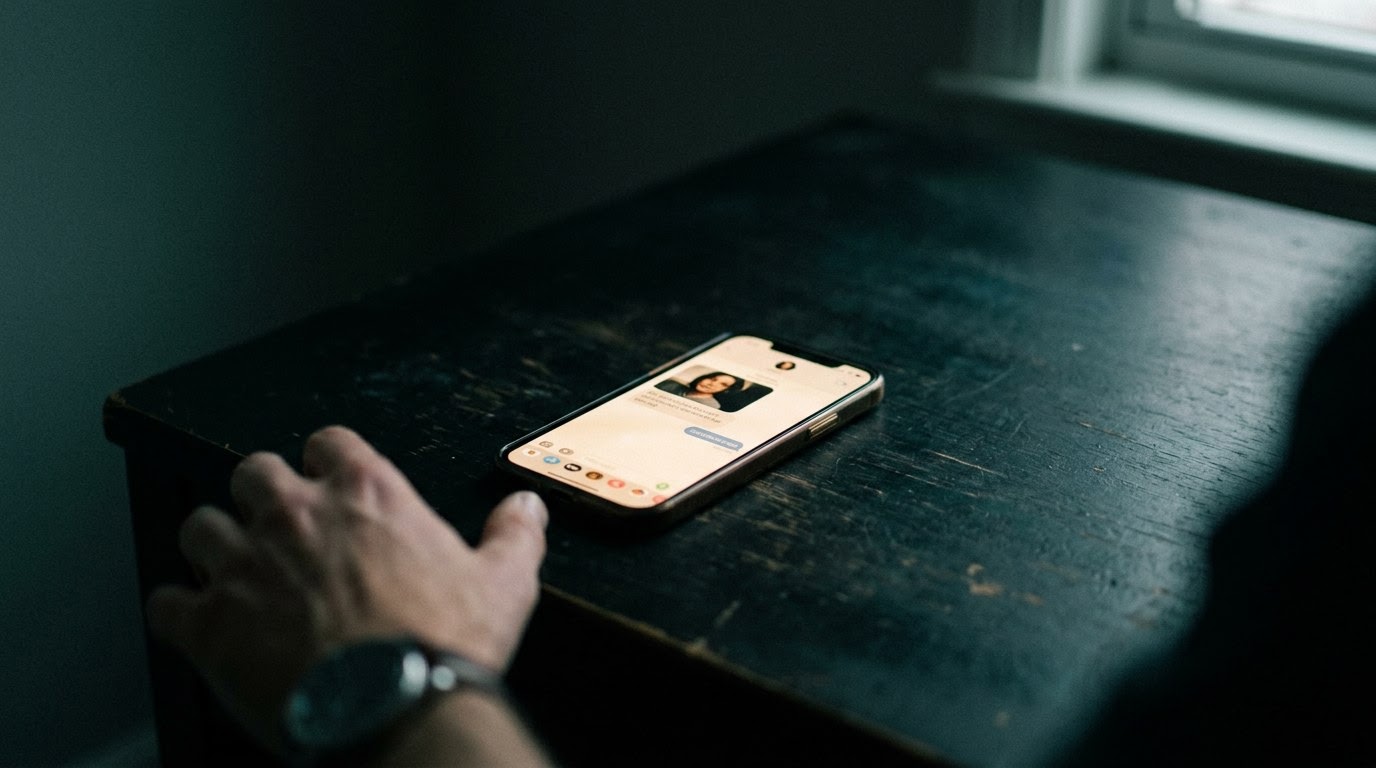
The romance package reshipping scam is a hybrid financial fraud where online dating predators trick targets into accepting stolen merchandise and reshipping it abroad, turning victims into unwitting money-laundering mules. According to FTC data published in 2024, consumers lost over $1.3 billion to romance scams, with illegal package forwarding emerging as one of the fastest-growing operational methods for international cybercrime networks. As of August 2026, criminal syndicates rely heavily on remote logistics operations to monetize compromised credit cards and stolen identities. Instead of asking for direct bank transfers upfront, fraudsters groom victims into handling high-value electronics, designer goods, and financial documents, exposing everyday online daters to severe federal felony charges.
When online daters hear about romance fraud, they typically picture direct requests for wire transfers, crypto deposits, or urgent gift cards. However, organized cybercrime rings have shifted toward physical asset laundering to bypass bank safety controls. By embedding reshipping requests within an ongoing romantic relationship, fraudsters exploit the victim's goodwill and desire to help a partner. Understanding how this scheme operates from initial match to police intervention is essential for protecting your home, your credit, and your freedom.
How the Scam Unfolds
The romance package reshipping scam follows a structured, multi-stage playbook that systematically turns romantic intimacy into criminal exploitation. Scammers initiate contact on mainstream dating apps or social media, spend weeks building intense trust, and present a plausible explanation for why they require physical packages shipped to your domestic residence. By framing parcel handling as a temporary favor for a business project, a family gift, or an international logistics emergency, the fraudster tricks you into forwarding stolen goods without recognizing that you are committing federal mail fraud.
- First Contact and Rapid Grooming: The scammer matches with you on a popular dating app, niche relationship website, or social media platform. They quickly request to move the conversation off the dating app to private encrypted messaging channels like WhatsApp, Telegram, or Google Chat under the guise of wanting more privacy. Within days, the fraudster bombards you with constant affection, sweet morning messages, deep personal disclosures, and promises of a permanent future together. This psychological manipulation, known as love-bombing, creates an intense emotional bond that lowers your normal skepticism.
- Establishing a High-Status, Remote Persona: To explain why they cannot meet in person or manage their own mail, the scammer adopts a career persona that keeps them overseas or constantly traveling. Typical personas include offshore oil rig engineers, international defense contractors, global aid workers, luxury art buyers, or foreign civil engineers. This cover story serves two distinct purposes: it establishes high social standing and financial solvency while providing a credible reason for why they lack a permanent domestic mailing address in your country.
- Introducing the Logistics Narrative: Once psychological trust is firmly established, the fraudster introduces a soft logistical complication into daily conversation. They claim they are purchasing specialized equipment for an upcoming contract, buying high-end gifts for family members in another country, or acquiring supplies that vendor shipping policies refuse to send directly to their foreign workplace. They ask if they can use your home address as a temporary shipping drop, assuring you that everything is paid for and that you are simply doing them a favor.
- Arrival of the First Stolen Merchandise: High-value parcels begin arriving at your residence. These packages contain expensive items such as flagship smartphones, laptops, mirrorless cameras, designer handbags, or specialized medical equipment. In reality, the criminal syndicate bought these items using stolen credit card numbers, hijacked retail store accounts, or compromised identity data. Because your real name and physical home address appear as the delivery destination, merchant fraud prevention algorithms do not immediately flag the order.
- The Inspection and Reshipping Orders: The scammer instructs you to open the boxes, inspect the items to confirm they are undamaged, take photographs of the contents, and print out new international shipping labels provided directly by the scammer. In many cases, the fraudster asks you to consolidate multiple smaller retail boxes into one larger box or strip off original store receipts and customs declarations. Removing receipts destroys physical paper trails linking the purchase to stolen payment credentials, while consolidation reduces international freight costs for the criminal syndicate.
- The Legal Trap and Sudden Disappearance: Within 30 to 90 days, automated corporate fraud detection systems, bank chargeback departments, and federal law enforcement agencies trace the compromised credit cards straight to your front door. Investigators from the United States Postal Inspection Service or local police arrive at your home with search warrants while credit reporting agencies flag your identity. When you attempt to contact your online partner for help, you discover their phone numbers are disconnected, social media profiles are deleted, and the romantic interest has completely vanished, leaving you holding full legal responsibility.
The operational progression relies entirely on replacing professional skepticism with personal affection. Scammers realize that once a target accepts the emotional intimacy of the relationship, they are far less likely to question the legality of forwarding sealed boxes.
| Stage of the Scam | What the Scammer Says | What's Actually Happening |
|---|---|---|
| Initial Grooming | "I have never felt this strong connection with anyone before. I want to build a real life with you as soon as my foreign contract finishes." | The scammer uses scripted love-bombing to build fast emotional dependency and lower your critical analytical boundaries. |
| Persona Building | "My engineering firm requires specialized tools, but major US stores won't ship directly to my job site in West Africa." | The criminal creates a cover story to explain why merchandise must be routed through an innocent domestic home address. |
| First Package Request | "Can I ship a small package to your place? It is a birthday gift for my sister, and I will send you a prepaid shipping label to forward it." | The fraudster tests your willingness to assist while using stolen payment details to send ill-gotten goods to your physical address. |
| Consolidation & Inspection | "Please open the electronics boxes, throw away the retail slips, and put everything in one large box so customs charges us less." | The syndicate forces you to eliminate physical sales evidence while turning you into the primary distributor of stolen property. |
| Discovery & Confrontation | "There is a huge misunderstanding with my bank accounts right now! Send those packages today, and I will wire you $5,000 tomorrow." | Fraud investigators have flagged the transactions, and the scammer is attempting to extract final goods before cutting all ties. |
Every single step of this playbook is designed to distance the criminal organization from the physical crime scene. The victim acts as an unpaid logistics buffer, absorbing all legal risk while the crime syndicate collects clean merchandise overseas.
Who Gets Targeted and Why
Romance package reshipping scammers target single, empathetic online daters who demonstrate high interpersonal trust, steady daily routines, and stable residential living arrangements. Criminals seek out middle-aged adults, recent divorcees, and widowed individuals who live alone and have regular home delivery presence. The psychological hook exploits human desires for companionship and mutual support, disguising illegal merchandise mule work as an innocent romantic favor or administrative collaboration.
According to an FBI IC3 report released in 2023, victims reported over 19,000 romance scam complaints with total losses exceeding $650 million, highlighting how criminal networks use emotional bonds to execute illicit financial and logistics operations. Cybercrime rings favor romance targets over job seekers for reshipping operations because romantic targets are far less likely to demand upfront wages, tax documentation, or formal employment contracts. A person who believes they are helping their future spouse will happily process dozens of parcels for weeks without asking for monetary payment, whereas a traditional job applicant would quickly spot missing payroll details.
Scammers select targets based on specific profile attributes visible on dating apps and social networks. Profiles that mention living in suburban single-family homes, enjoying quiet routines, or working remotely signal to scammers that the target is frequently available to receive signed delivery drops during standard carrier hours. Once contact is made, the fraudster constantly evaluates the victim's willingness to follow instructions without asking uncomfortable questions.
Furthermore, psychological isolation plays a major role in vulnerability. When a target is going through a major life transition, such as retirement, loss of a spouse, or moving to a new city, the scammer fills the emotional void with non-stop virtual presence. The victim comes to view handling packages not as a legal risk, but as a meaningful contribution toward building a future home with their partner.
How to Recognize It Before Money Moves
Spotting a romance package reshipping scheme requires evaluating the objective behaviors of your online connection rather than relying on emotional feelings. Legitimate dating partners will never ask someone they have never met in person to receive, inspect, open, repackage, or forward mail, electronics, or financial documents from their private home address. Recognizing the behavioral indicators before accepting your first package is essential to avoiding civil and criminal liability.
To determine whether your new dating connection is genuine or a predatory fraudster attempting to recruit you as a reshipping mule, ask yourself these vital assessment questions:
- Have you ever met this individual in person or verified their identity during a clear, unedited, real-time video call where they answered questions naturally and matched their profile photos?
- Does your match claim to work in a lucrative international field—such as offshore oil exploration, overseas military operations, international architecture, or private maritime security—that conveniently prevents physical meetups?
- Has the person requested permission to send commercial parcels, luxury electronics, designer merchandise, or monetary instruments to your residential address?
- Are the packing slips or shipping receipts inside the boxes made out to names and billing addresses completely unknown to you?
- Has the contact provided pre-printed shipping labels directing packages to overseas destinations, foreign post office boxes, or domestic freight-forwarding warehouses in states like Delaware, Oregon, or Florida?
- Has the person asked you to remove original retail receipts, open sealed manufacturer boxes, remove price tags, or alter customs declarations before reshipping?
- Does the contact express extreme urgency, agitation, or emotional guilt whenever you hesitate to forward a package immediately?
If you answer yes to any of these questions, you are dealing with a criminal reshipping operation. TrustMatch does not analyse photos or images. A TrustCheck compares the name, phone, email and address you were given against identity records to see whether they describe one real person.
Pay close attention to the billing documentation accompanying delivered items. When legitimate purchases are made online, the billing name matches the account owner. In reshipping scams, the billing name on the packing slip belongs to an identity theft victim residing in another city or state, while the delivery name is yours. Scammers will offer elaborate excuses for this discrepancy, claiming the buyer is their corporate accountant, business associate, or personal assistant. In reality, that credit card owner has no knowledge of the purchase and will soon report the theft to law enforcement.
If It's Already Happened
If you discover that you have received or reshipped packages for an online dater, you must stop all parcel handling immediately and take swift legal self-protection measures. Continuing to receive, open, or forward merchandise after suspecting illegal activity can be viewed by federal prosecutors as active participation in a criminal conspiracy. Taking structured actions within the first 72 hours helps demonstrate to law enforcement agencies that you were an exploited victim rather than a willing co-conspirator.
Follow these essential emergency protocol steps immediately upon realizing you are involved in a reshipping scheme:
- Stop All Shipping and Receiving Immediately: Refuse any upcoming deliveries at your door. Do not forward, drop off, or ship any packages currently inside your home. Preserve every delivered item exactly as it arrived, including original retail boxes, outer mailing cartons, packing slips, tissue paper, and shipping labels.
- Cut Off Contact with the Scammer: Cease all communication with the fraudster across all messaging platforms, social media, and email. Do not confront them about the scam or demand an explanation. Confrontation prompts criminals to delete digital evidence, wipe messaging histories, or make intimidating threats to force continued compliance.
- Preserve All Digital and Physical Evidence: Take high-resolution screenshots of all chat conversations, social media profiles, email headers, phone call logs, and voice notes. Save digital copies of all pre-printed shipping labels, customs forms, tracking numbers, and retail receipts. Store these files securely on an external drive or cloud storage folder.
- Submit Formal Reports to Federal and Local Authorities: File a detailed report with your local police department to establish an official law enforcement record. Submit a formal fraud complaint online to the Federal Trade Commission at reportfraud.ftc.gov and to the FBI Internet Crime Complaint Center at ic3.gov. In addition, file a report with the United States Postal Inspection Service (USPIS), as federal postal inspectors lead investigations into mail fraud and illicit package reshipping networks.
- Notify Shipping Carriers and Merchants: Contact customer protection departments at major logistics carriers—including FedEx, UPS, DHL, and the United States Postal Service—to inform them that your address was targeted by an illegal reshipping ring. Contact the customer service offices of the retailers named on the packing slips to report that merchandise was fraudulently sent to your house using stolen accounts.
- Protect Your Financial Identity and Credit: Place an immediate fraud alert or credit freeze on your files with Equifax, Experian, and TransUnion to prevent unauthorized credit lines from being opened in your name. Update passwords, security questions, and multi-factor authentication on all financial institutions, personal email accounts, and mobile devices.
Documenting the deceptive nature of the interaction is critical when presenting your case to law enforcement officers. Running a TrustCheck afterwards can show you that the name, phone and email you were given never resolved to one consistent person — useful for your own notes, but not proof of anything. It does not identify whoever was actually on the other end. The reports that matter go to your bank, the platform, and the FTC at reportfraud.ftc.gov.
Never attempt to sell, pawn, keep, or gift merchandise left in your home. Possessing known stolen goods creates distinct criminal liability under state and federal law. Cooperate fully with law enforcement agents and postal inspectors to arrange for the safe surrender or return of all items. While ending a fake relationship causes significant emotional distress, taking decisive corrective action protects your legal standing, secures your finances, and prevents further harm.