How Fake Classic Car Part Deposit Scams Target Automotive Restorers
· 10 min read
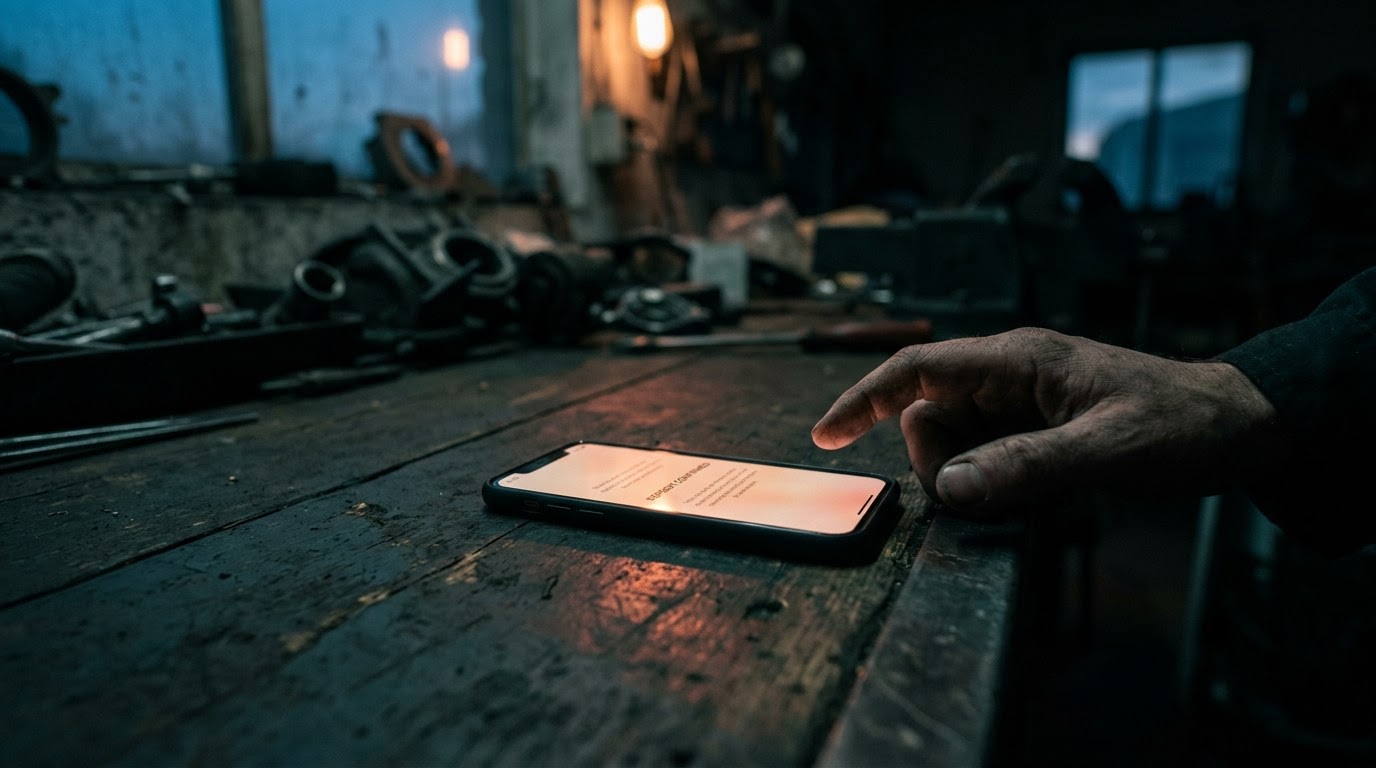
Vintage automobile restoration is a labor of love that relies heavily on locating obscure, original parts. Whether searching for a New Old Stock (NOS) grille for a 1969 Muscle Car, original Weber carburetors for a vintage European coupe, or a matching-numbers engine block, automotive restorers spend months—sometimes years—hunting for specific components. Fraudsters exploit this dedication through fake classic car part deposit scams, posing as private sellers or forum members who claim to possess hard-to-find components. Typical financial losses range from $300 for minor trim accessories to upwards of $5,000 for intact drivetrain components. Federal Trade Commission reports revealed that non-delivery scam losses surged past $390 million in 2024. As of November 2026, digital fraud targeting niche hobbyist marketplaces continues to evolve, making it essential for auto restorers to recognize the exact mechanics of this scam before sending funds to an unverified seller.
How the scam unfolds
The fake classic car part deposit scam unfolds through a structured process where fraudsters locate buyers on restoration forums, present stolen images of rare parts, build trust, and coerce non-refundable payments before disappearing. Scammers exploit the scarcity of vintage components and the restorer's urgency, systematically isolating victims from safe payment platforms. By understanding each phase of this playbook, automotive restorers can identify suspicious behavior before transferring funds.
A typical sequence involves a scammer carefully monitoring enthusiast communities, observing which members are actively looking for hard-to-find items, and systematically staging a fake transaction. Below is the step-by-step playbook executed by fraudsters targeting automotive restorers.
- Target Identification and Marketplace Scraping: The scammer monitors enthusiast web forums, specialized subreddits, Facebook restoration groups, and vintage vehicle classified boards. They search specifically for threads labeled "Wanted to Buy" (WTB) or posts where a restorer mentions needing a specific original part. Scammers take note of the restorer's location, budget, and project urgency.
- Digital Asset Theft (Image Harvesting): Once a target part is identified—such as an original 1967 Ford Mustang Shelby GT500 steering wheel—the scammer searches old online auctions, archived sales listings, foreign classified sites, or image search engines. They save high-resolution photos of the legitimate part from an old sale to present as their own current inventory.
- Initiating Unsolicited Direct Contact: The scammer contacts the restorer via direct message, private forum message, email, or text message. They typically claim to be a long-time enthusiast, a former collector selling off excess inventory, or someone liquidating a deceased relative's estate or auto shop. They state clearly that they have the exact part requested in excellent condition.
- Building Credibility and Visual Proof: When the buyer requests images, the scammer provides the harvested photos. If the buyer asks for specific angles, the scammer uses digital editing software to crop, rotate, or alter the color of the stolen images. Some scammers go as far as using AI image manipulation tools to add realistic shadows or background textures to make the part look like it is sitting on a garage workbench.
- Creating Artificial Urgency and Scarcity: The scammer offers the rare part at a fair or slightly below-market price to prevent the buyer from walking away. However, they immediately introduce pressure. They state that another buyer is coming to view the part later that afternoon, or that they have an offer from a local swap-meet buyer, urging the victim to lock in the sale immediately.
- Demanding a Non-Refundable Deposit via P2P Channels: To reserve the item, the scammer insists on a holding deposit—typically 20% to 50% of the agreed price—or full payment if the amount is lower. They strictly reject buyer-protection platforms like PayPal Goods and Services or escrow services, claiming past bad experiences with seller fees or tax forms. Instead, they insist on Zelle, Venmo Friends & Family, Cash App, wire transfers, or cryptocurrency.
- Secondary Extortion (Fake Shipping and Insurance Fees): Once the deposit is transferred, the scammer does not immediately vanish. Instead, they attempt to extract more money. They create a fake shipping receipt or use a fraudulent logistics website, contacting the buyer to claim the package requires mandatory "hazardous materials insurance," "special crate fees," or "customs clearing charges" that must be paid prior to dispatch.
- Total Blackout and Profile Deletion: After the victim refuses further payments or demands tracking confirmation from a legitimate carrier like FedEx or UPS, the scammer cuts off communication entirely. They block the victim's phone number, delete their forum profile or social media account, and re-list the stolen images under a new alias to target another restorer.
Who gets targeted and why
Automotive restorers, classic car collectors, and DIY mechanics working on rare or out-of-production vehicles are targeted due to their specialized need for scarce parts. Scammers capitalize on the emotional investment in restoration projects and the psychological pressure of missing a rare component. This vulnerability makes restorers willing to overlook standard safety precautions when an elusive part seemingly appears online.
The demographic profile of targets spans from individual hobbyists rebuilding a single family heirloom vehicle in a home garage to professional restoration shops managing client builds. According to FBI IC3 data from 2024, online shopping and non-delivery scams resulted in over $350 million in total consumer losses, with niche collectors facing disproportionately high per-incident losses.
Fraudsters target classic auto restorers for three core structural reasons:
- Extreme Part Scarcity: Original equipment manufacturer (OEM) components for vehicles produced between the 1950s and 1980s are no longer in production. When a restorer has been searching for a specific cast-iron intake manifold or original chrome trim piece for two years, their rational risk evaluation drops when an offer suddenly materializes.
- High Dollar Values: Classic car components command high prices. A pair of original bucket seats or an authentic vintage badge can easily fetch $1,500 to $4,000. This provides a lucrative return for scammers relative to the effort required to post fake listings.
- High Reliance on Informal Peer-to-Peer Marketplaces: Unlike modern car repair, which relies on standardized distributor networks, classic car parts are traded heavily across enthusiast forums, swap-meet bulletin boards, and private messaging groups. These informal networks traditionally operate on trust, making them easy targets for malicious actors.
Recognizing the scam playbook step by step
Comparing the seller's specific claims against their operational reality reveals the fundamental patterns of classic car part fraud. Fraudsters use predictable scripts to justify non-standard payment methods, rushed timelines, and lack of physical verification. Recognizing how common sales phrases map to fraudulent underlying actions allows auto restorers to break off communication before financial loss occurs.
| Stage of the scam | What the scammer says | What's actually happening |
|---|---|---|
| Initial Contact | "I saw your WTB post for the 1968 Charger grille. I have one sitting in my shop from a past project." | The scammer monitored forum postings, identified a buyer actively searching for a high-value item, and initiated direct outreach despite having no inventory. |
| Proof Phase | "I sent you pictures of the part. I can't take a new picture with today's newspaper because I'm out of town on business." | The images were stolen from an old online listing or auction. The scammer cannot produce new custom photos because they do not physically possess the item. |
| Negotiation & Pressure | "I have a guy coming by my garage at 5:00 PM with cash. If you put down a $500 deposit now, I'll hold it for you." | The scammer manufactures artificial competition and deadline urgency to panic the buyer into skipping safety checks and sending money immediately. |
| Payment Request | "I only take Zelle or Venmo Friends & Family. PayPal locked my account because of tax forms, so I don't use it anymore." | The scammer intentionally routes the transaction into payment channels that offer zero buyer protection or dispute resolution mechanisms. |
| Post-Deposit Follow-Up | "The shipping company says the crate needs $200 in refundable insurance before they can generate the tracking number." | Having successfully extracted the deposit, the scammer attempts an secondary extortion attempt before severing contact completely. |
How to recognize it before money moves
Spotting a fake classic car part listing before transferring money requires systematic verification of both the part and the person offering it. Red flags include sellers refusing custom verification photos, demanding peer-to-peer payment transfers, or operating brand-new forum accounts with no transaction history. Evaluating suspicious offers against strict identity and proof standards protects your restoration budget from non-delivery fraud.
Before transferring any deposit or full payment for a classic auto part, ask yourself the following critical evaluation questions:
- Will the seller provide a handwritten, date-stamped photo? Ask the seller to write today's date, your forum username, and a specific word on a piece of paper, place it directly on the part, and take a clear photograph. If they provide excuses like "it's already packed in a box" or "I am away from the shop," step away immediately.
- Is the seller insisting on non-reversible payment methods? Peer-to-peer services like Zelle, Cash App, wire transfers, and Venmo Friends & Family are intended for people who know each other in real life. They offer no buyer protection against fraud. If a private seller refuses PayPal Goods and Services—even when you offer to cover the 3% transaction fee—it is overwhelmingly likely to be a scam.
- Has the contact identity been independently verified? Scammers frequently create fake profiles or hijack abandoned forum accounts. Running a TrustCheck on the contact in week one catches most variants by cross-referencing their claimed name, phone number, and location against known online identities and fraud databases.
- Did the seller contact you directly after you posted a WTB ad? Unsolicited private messages following a public "Wanted to Buy" posting are the statistical leading origin point for non-delivery auto parts fraud. Treat every direct outreach from a WTB post with extreme skepticism.
- Are the photos original or pulled from elsewhere? Perform a reverse image search using Google Images or TinEye on every photograph provided by the seller. If the images appear on an old eBay listing, a completed auction from 2019, or a blog post, the offer is fraudulent.
If it's already happened
If you have already sent money to a fake auto parts seller, immediate action within the first 72 hours is critical to trace the funds and mitigate damage. Contacting your financial institution to dispute the transfer, documenting all communications, filing reports with law enforcement, and reporting to fraud databases increases the chances of account recovery and prevents further unauthorized transactions.
Taking structured action immediately after realizing you have been scammed improves the likelihood of recovering funds or assisting authorities in freezing the scammer's bank accounts. Execute the following steps sequentially:
- Contact Your Financial Institution Immediately: Call your bank or wire service right away. Inform them that you were tricked into sending funds to a fraudulent account via non-delivery fraud. Ask for a fraud chargeback or wire recall. If you paid via credit card or PayPal Goods and Services, open an immediate formal non-receipt dispute.
- Preserve All Evidence: Take clear screenshots of the entire conversation thread, including forum messages, text messages, phone numbers, email headers, photos of the part, payment confirmation screens, and bank transaction details. Do not delete any chat logs.
- Report the Incident to Federal Cybercrime Authorities: File a detailed report at ic3.gov (the FBI's Internet Crime Complaint Center). Include the scammer's bank account details, routing numbers, digital wallet handles, email addresses, and phone numbers.
- File a Consumer Complaint with the FTC: Submit an official non-delivery fraud report at reportfraud.ftc.gov. The FTC aggregates fraud data to track organized crime rings operating online sales schemes.
- Notify Local Law Enforcement: File a police report with your local municipal police department or county sheriff. Obtain a formal police report number; banks and credit bureaus often require a formal report number to process fraud claims.
- Notify Platform Administrators: Alert the moderators and administrators of the auto forum, Facebook group, or classified site where the scam initiated. Provide evidence so they can ban the user profile and post a public warning to protect other restorers.
- Confirm Identity Details for Recovery Reports: If you need to supply detailed reporting details to your financial institution or police investigator, running a TrustCheck on the contact confirms the identity is fake and provides documented evidence that the phone number or digital account does not belong to the claimed individual.
Frequently asked
Why are classic car part buyers targeted by deposit scams?
Classic car buyers are targeted because vintage auto parts are rare, out-of-production, and expensive. Restorers often spend months searching for specific original components. Scammers exploit this scarcity and buyer urgency, using stolen photos of rare parts to coerce non-refundable deposits from desperate enthusiasts before vanishing.
How can I verify if a car part seller actually has the part?
Require the seller to provide a handwritten paper tag placed directly on the part. The note must clearly state your name, today's date, and a custom word you choose. If the seller makes excuses or provides digitally edited photos, do not send money under any circumstances.
Is PayPal Friends and Family safe for buying classic car parts?
No, PayPal Friends and Family offers zero buyer protection against fraud or non-delivery. It is designed solely for sending money between trusted friends or relatives. Always use PayPal Goods and Services or an accredited third-party escrow service for private vintage auto part purchases.
What should I do if a scammer asks for extra shipping insurance after I paid a deposit?
Do not send additional money. Demanding extra funds for mandatory insurance or custom clearance fees after receiving a deposit is a classic secondary extortion tactic. Cut off communication, preserve your message logs, and contact your bank immediately to file a fraud claim.
Can I get my deposit back if I paid via Zelle or Venmo?
Recovering money sent via peer-to-peer apps like Zelle or Venmo is difficult because these transfers operate like cash. However, you should immediately report the unauthorized or fraudulent transaction to your bank's fraud department within 72 hours to request a chargeback or account investigation.
More in Scams
- How Fake ATV Purchase Deposit Scams Target Private Buyers
November 14, 2026
- How Fake Coin Grading Slab Scams Target Peer Numismatic Collectors
November 12, 2026
- How the Post-Sale Smartphone Insurance Blacklist Scam Targets Peer Buyers
November 9, 2026