How Fake Concert Ticket Sellers Scam Buyers on Social Media
· 10 min read
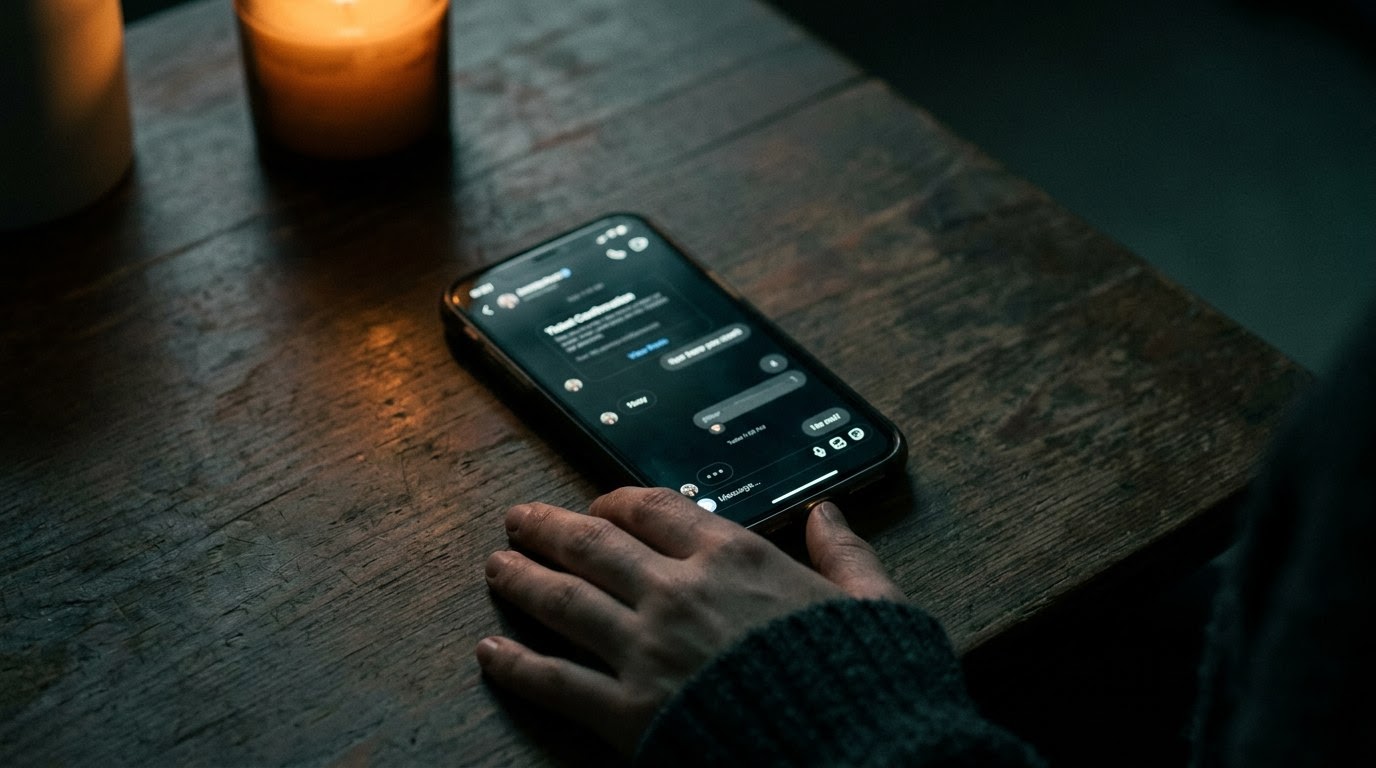
As of August 2026, social media ticket fraud represents one of the fastest-growing peer-to-peer imposter schemes online. According to FTC reports from 2025, consumer financial losses from event ticket fraud on social platforms reached over $120 million, with average individual losses ranging from $250 to $1,500 per incident. Fake concert ticket sellers operate across platforms like Facebook, X, Instagram, and Reddit, exploiting sold-out stadium tours and high-demand music festivals. Fraudsters take advantage of emotional urgency and fan eagerness by offering duplicate digital tickets or non-existent seats, collecting non-refundable peer-to-peer payments, and disappearing before showtime.
How the Scam Unfolds: Step-by-Step Playbook
Fake concert ticket sellers execute a multi-stage social engineering playbook designed to extract immediate, non-refundable payments before victims suspect fraud. Scammers begin by manufacturing social proof on platforms like Facebook and X, listing tickets for sold-out events, and presenting fabricated proof of transfer. They engineer artificial urgency, insist on peer-to-peer cash app payments, and send fake wallet links or duplicated dynamic PDF tickets. Once payment settles, the scammer either demands additional security fees or immediately blocks the target.
- Profile Hijacking and Bait Deployment: The sequence begins when a scammer acquires access to a legitimate, aged social media account through phishing or credential stuffing. Because the profile features years of real family photos, authentic post history, and local friend connections, potential buyers immediately lower their guard. The scammer posts in local community groups, fan pages, or event comment threads, claiming a sudden conflict prevents them from attending: "So devastated that work travel came up! Selling two floor tickets for tonight's sold-out tour at face value so a real fan can enjoy them." Alternatively, the scammer creates a dedicated burner account equipped with stock avatars and copied concert imagery to flood popular event hashtags.
- Establishing Contact and Building Emotional Rapport: When a buyer reaches out via direct message, the scammer builds fast emotional rapport while maintaining pressure. A typical sequence involves expressing shared enthusiasm for the artist while emphasizing that multiple other buyers are waiting in line. The scammer asks friendly questions about where the buyer is traveling from, making the exchange feel personal and informal. If the buyer asks why the tickets are priced lower than secondary market brokerages, the seller claims they simply want to recoup their original purchase price rather than profit off fellow fans.
- Fabrication of Transfer Proof and Screen Recordings: To eliminate buyer skepticism, the scammer provides fabricated evidence of ticket ownership. When the buyer asks for proof, the fraudster sends a pre-recorded screen capture video showing a legitimate ticketing app opening, navigating to event tickets, and displaying seat assignments. In reality, these videos are spliced, edited from public videos, or recorded using modified web browsers that display fake DOM elements. Data published by the BBB in 2024 revealed that over 40% of online concert ticket buyers who purchased through social media groups received fake or duplicated digital passes. The scammer may also present a manipulated PDF purchase confirmation email featuring altered names, order numbers, and dates.
- Steering to Non-Refundable Payment Channels: Once the buyer confirms interest, the scammer shifts the transaction toward non-reversible payment rails. They specifically request payment via peer-to-peer services like Zelle, Cash App, Venmo Friends and Family, or Apple Cash. If the buyer suggests using payment methods with buyer protection, such as PayPal Goods and Services, the scammer invents a pretext to decline: claiming their account is restricted, that tax forms are triggered by commercial payments, or that fees take days to clear. They insist that immediate peer-to-peer transfer is necessary to lock in the tickets before selling to another eager fan waiting in DMs.
- The Squeeze: Inventing Platform Security and Transfer Fees: After the initial payment is sent, the scammer does not send the tickets. Instead, they execute a secondary extortion play known as "the squeeze." The seller contacts the buyer claiming the transfer stalled because the ticketing platform requires a "verification deposit," "transfer fee," or "name-change charge" of $50 to $150 before releasing the digital seats. They reassure the victim that this fee is fully refundable and will be returned automatically along with the tickets. Reluctant buyers, already emotionally and financially invested, often send the second payment in hopes of salvaging the original transaction.
- Ghosting and Entry Gate Invalidation: Once the scammer determines no further funds can be extracted, they sever communication. They block the buyer on social media, delete the sales posts, and deactivate burner payment handles. In cases where the scammer actually sends a digital file—such as a static PDF or a wallet screenshot—the victim discovers the deception at the venue entrance. Modern concert venues utilize dynamic, rotating barcode technology that refreshes every few seconds within official mobile apps. Static images, duplicate PDF printouts, or screen grabs fail automated venue scanners, leaving the buyer stranded outside the arena without entry or recourse.
According to FBI IC3 data from 2024, online event ticket scams generated more than 15,000 individual victim complaints, highlighting the widespread distribution of these deceptive tactics across social media ecosystems.
Who Gets Targeted and Why
Social media ticket scams specifically target active music fans, college students, and last-minute event attendees between ages 18 and 45 who use social platforms to locate sold-out event passes. Scammers exploit fear of missing out (FOMO) and the emotional excitement of attending high-profile concerts. Fans let down their guard because sellers often present hijacked accounts belonging to real people with years of posted photos, making the listing appear authentic and safe.
The core psychological driver in ticket scams is artificial scarcity combined with time decay. When major tours sell out in minutes, fans face exorbitant markup prices on official secondary brokerages. Scammers position themselves as benevolent peers offering fair prices, triggering cognitive biases like confirmation bias and social trust. When a buyer believes they are speaking to a fellow fan who genuinely cannot attend, their critical risk assessment decreases significantly.
Furthermore, social media platforms lack structural transaction safeguards for private sales. Comment sections and direct message channels offer no escrow, identity verification, or automated dispute resolution. Fraudsters capitalize on this structural blind spot, knowing that once cash flows through peer-to-peer payment networks, recovery is nearly impossible for consumer victims.
How Stage-by-Stage Signals Reveal the Fraud
Recognizing fake concert ticket sellers requires understanding how scammers manipulate every interaction stage to simulate legitimacy while preventing actual verification. By comparing a seller’s stated promises against underlying operational realities, buyers can identify key red flags early. Scammers routinely alter payment terms, refuse video verification, and provide static screenshots rather than direct platform-to-platform mobile ticket transfers. Identifying these specific shifts in seller behavior protects your funds before any transaction completes.
The following breakdown highlights what scammers claim versus what is genuinely occurring behind the scenes during private social media ticket sales:
| Stage of the Scam | What the Scammer Says | What's Actually Happening |
|---|---|---|
| Initial Engagement | "Selling 2 floor tickets at face value because I caught COVID and can't make the show tonight." | The scammer uses a hijacked profile or stock persona to target frantic buyers seeking sold-out event access. |
| Proof Request | "Here is a screen recording of my Ticketmaster app showing the active seats in my digital wallet." | The seller shares a pre-recorded or manipulated screen capture video created using browser developer tools or edited overlays. |
| Payment Agreement | "Please send payment via Zelle or Venmo Friends & Family so I don't get hit with commercial tax fees." | The scammer deliberately steers the transaction to payment rails that offer zero fraud protection or chargeback options. |
| Post-Payment Delay | "The transfer is pending! The app requires a $50 ticket re-issuance fee before final wallet delivery." | The fraudster attempts an extra extortion extraction ("the squeeze") after realizing the target is susceptible to pressure. |
| Final Delivery / Gate Entry | "Just show this screenshot PDF barcode at the gate; the scanner will read it fine." | The seller provided a duplicate static image or fake PDF that fails against dynamic, rotating venue entry scanners. |
How to Recognize It Before Money Moves
To evaluate whether a social media ticket offer is genuine, buyers must analyze seller behavior, transfer methods, and identity signals using specific diagnostic questions before sending money. Honest ticket sellers accept verified platform transfers and buyer-protection payment methods. If a seller refuses native app transfers, demands Friends and Family payment options, or pressures you to send money instantly without secondary identity verification, you are dealing with an active fraud attempt.
Evaluate your ticket transaction against these critical safety checks before transferring any money:
1. Does the seller agree to direct, in-app mobile transfers?
Legitimate modern tickets residing on major platforms are transferred directly through official apps using the recipient's email address or mobile phone number. If a seller offers to send a PDF attachment, an email link to an external website, or a screenshot of a barcode, walk away immediately. Real digital event tickets require active account-to-account transfer mechanisms with dynamic rotating barcodes.
2. Is the seller insisting on non-protected payment rails?
Peer-to-peer payment options like Zelle, Cash App, and Venmo Friends and Family are designed strictly for transfers between trusted acquaintances. They do not offer buyer protection for goods or services. If a seller refuses PayPal Goods and Services or credit card payments—where buyer protection is enforced—they are ensuring you have no legal recourse when tickets fail to arrive.
3. Can the seller verify their real-world identity?
Scammers routinely operate behind hijacked accounts that do not belong to them. No identity check can guarantee a safe transaction. A TrustCheck tells you whether the details someone gave you are consistent with one real identity — the judgement, and the risk, stay with you. If a seller refuses to complete a quick identity check, claims their camera is broken during a requested video call, or if their payment handle name does not match the social media profile name, suspend all communications.
4. Is there artificial urgency or unusual pressure?
Be wary if the seller gives you a rigid deadline (e.g., "Pay within five minutes or I give them to the next buyer"). Scammers construct high-pressure environments to prevent buyers from performing basic due diligence, consulting friends, or analyzing account histories.
5. Are the account markers suspicious?
Inspect the seller's profile closely. Look for sudden changes in posting activity, recent profile picture updates after years of dormancy, disabled comments on listing posts, or a location history that contradicts where the concert is taking place. Mismatched location details or generic account responses indicate an imposter operating remotely.
If It's Already Happened: Recovery and Reporting Steps
If you transferred money to a fake concert ticket seller, taking swift protective action within the first 72 hours maximizes your chances of securing accounts and reporting the crime. Victims should immediately contact financial institutions to attempt charge reversals, freeze compromised accounts, document all chat logs, and submit official reports to federal oversight agencies. Prompt reporting alerts law enforcement agencies to active fraud rings and prevents secondary scam attempts aimed at vulnerable victims.
Execute this systematic 72-hour emergency protocol if you suspect you have been scammed:
Hour 0 to 12: Financial Interception and Account Lockout
Contact your bank or payment app support immediately. If you paid via bank transfer or credit card, inform your institution's fraud department that you were induced into a fraudulent transaction. While peer-to-peer transfers are difficult to reverse, filing a formal fraud claim starts an internal investigation. If you provided credit card details or bank credentials on a phishing link sent by the scammer, request an immediate card cancellation and account freeze.
Hour 12 to 24: Comprehensive Evidence Gathering
Preserve every piece of digital interaction before the scammer deletes their profile or chat history. Take complete screenshots showing:
- The original social media listing and profile page (including account URL or handle).
- Full unedited direct message conversations, including timestamps.
- Payment transaction receipts, handles, phone numbers, and email addresses.
- Any fake tickets, screen recording videos, or forged confirmation emails provided.
Hour 24 to 48: Filing Official Regulatory Reports
File formal complaints with federal authorities and consumer defense organizations. A TrustCheck can tell you whether the details you were given trace back to a consistent identity, which is worth writing down for your own record of what happened. It cannot confirm that someone is a scammer, it will not tell you who was really behind the profile, and it is not evidence. Report the incident to your bank, to the platform where you met, and to the FTC at reportfraud.ftc.gov. Submit details to official regulatory clearinghouses:
- Report consumer fraud and imposter schemes to the Federal Trade Commission at reportfraud.ftc.gov.
- Submit internet crime complaints, transaction details, and scammer handles to the FBI Internet Crime Complaint Center at ic3.gov.
- Report the seller profile directly to the social media platform's trust and safety team to prevent further target exploitation.
Hour 48 to 72: Securing Personal Identity and Monitoring
Be prepared for secondary scam targeting. Fraudsters often add past victims to target lists for "recovery scams"—where secondary bad actors reach out claiming they can hack or recover stolen funds for an upfront service fee. Ignore all recovery offers. Monitor your financial statements and consider placing a credit freeze with major credit bureaus if personal identity details were shared during the exchange.
Frequently asked
Can I get my money back from Zelle or Cash App if I was scammed for concert tickets?
Peer-to-peer payment networks generally classify transactions authorized by account owners as non-refundable transfers, even if induced by fraud. However, you should immediately notify your financial institution to file an imposter fraud dispute. Some banks will evaluate claims if accounts were compromised or under specific merchant dispute policies.
Are PDF concert tickets sent via social media direct messages safe to buy?
PDF concert tickets are highly risky and often fraudulent when bought through social media. Modern event venues require dynamic, rotating barcodes hosted inside official ticketing mobile apps. Static PDF files, printouts, or screenshots are easily duplicated and sold to multiple victims, resulting in rejection at the arena entrance.
How do scammers forge screen recordings showing tickets in their app?
Fraudsters use video editing software, pre-recorded playback clips, or browser developer tools to alter displayed names and seat numbers. They record screen actions over real ticketing interfaces to create convincing video proof. Always insist on official mobile transfers rather than relying on video clips or images.
Why do sellers refuse to use PayPal Goods and Services?
PayPal Goods and Services includes buyer protection and dispute rights that allow victims to reclaim funds when promised items are not delivered. Fake sellers refuse this option because it prevents them from successfully stealing money, claiming tax complications or transfer delays to force non-refundable payment options.
What should I do if a seller asks for a secondary verification fee?
Never send additional money for purported transfer fees, security deposits, or verification charges. Legitimate ticketing platforms do not require buyers to pay secondary cash fees to receive transferred tickets. Secondary payment demands are a clear sign of an ongoing extortion attempt known as a squeeze scam.
More in Scams
- How Fake Bar Tab Scams Exploit Victims During In-Person Dates
September 19, 2026
- How Fake Peer Boat Charter Deposit Scams Target Vacationers
September 17, 2026
- How Spoofed Bank Text Alerts Steal Access to Peer Payment Apps
September 14, 2026