How Fake Dating Profiles Lure Victims Into In-Person Robberies
· 9 min read
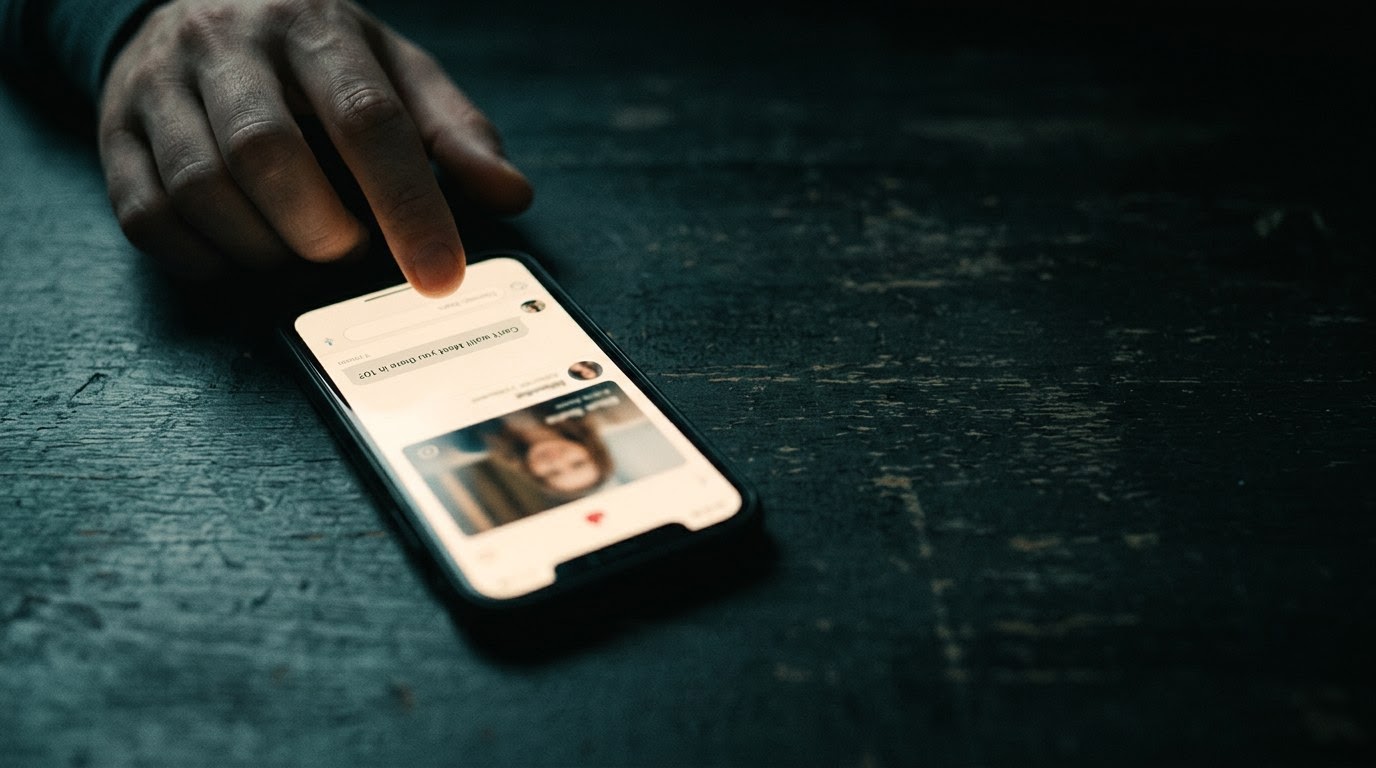
As of August 2026, dangerous lure schemes known as fake dating profile robberies are rapidly expanding across metropolitan areas. In this violent crime model, criminal networks set up attractive fraudulent profiles on popular dating platforms, quickly build intimacy, and arrange private in-person encounters where accomplices wait to ambush the target. FTC reports show that online dating scams and physical lure schemes accounted for over $1.3 billion in direct consumer losses in 2024. While historical dating fraud relied heavily on wire transfers and distance deception, this physical variant leaves victims stripped of electronics, vehicles, personal jewelry, and financial access at gunpoint or knife-point.
How the Fake Dating Profile Robbery Scam Unfolds
The fake dating profile robbery scam unfolds when criminal syndicates create fraudulent social or dating profiles, rapidly build emotional trust, and lure the target into a controlled, private location for an ambush. Once the target arrives at a pre-arranged home, apartment, or secluded park, armed accomplices confront the victim to steal physical valuables, financial devices, and personal property before deleting digital accounts to eliminate evidence.
Organized criminal groups execute these operations with military precision, treating online dating apps as hunting grounds to identify, vector, and contain victims. The playbook follows a structured multi-stage progression designed to reduce the scammer's operational risk while maximizing physical leverage over the victim.
- Initial Contact and Immediate Off-Platform Migration: The scammer creates a high-attractiveness profile using stolen model photography or AI-generated images on major dating platforms. Within a few messages, the scammer claims their app notifications are broken or that they rarely log in, urging you to move the conversation to encrypted messaging apps like WhatsApp or Telegram. This step removes the conversation from dating app safety monitoring algorithms.
- Rapid Grooming and Specific Location Profiling: Over 24 to 48 hours, the scammer initiates constant communication to build rapid psychological intimacy. During these exchanges, they ask probing questions about your routine, your neighborhood, what vehicle you drive, whether you live alone, and your evening availability. This information helps them evaluate your physical target value and plan logistics.
- Setting the Trap with a Private Location: Instead of proposing a public coffee shop, bar, or restaurant for a first meeting, the scammer insists on meeting at a private residence, an unverified short-term rental, or a quiet park late at night. They use pretexts such as wanting a quiet evening, feeling introverted, or opening a bottle of wine at their apartment.
- Last-Minute Location Switch or Isolation Tactic: Shortly before the agreed arrival time, the scammer updates the meeting location to a nearby side street, an alley entry, or a specific rear apartment door. This sudden change disrupts your hazard perception and isolates you from foot traffic or security surveillance cameras.
- The Ambush and In-Person Physical Robbery: Upon stepping into the designated property or dark entryway, one or more hidden accomplices enter with weapons. The perpetrators physically corner you, demand your phone passcodes, strip you of luxury items, car keys, cash, and jewelry, and force you to complete instant peer-to-peer bank transfers.
- Post-Robbery Digital Wipe and Coercive Intimidation: Before permitting you to leave or fleeing the scene, the criminals erase the conversation logs, unmatch your account on the dating app, and confiscate or factory-reset your mobile device. They threaten physical retaliation at your home address if you contact law enforcement.
Consider a typical sequence documented in metropolitan police reports. A professional daters matches with an profile claiming to be a visiting designer staying at a local short-term rental. The match suggests drinking wine at the rental residence rather than a crowded hotel lounge. When the dater arrives, the front door is unlocked as instructed in a text message. Stepping into the living area, two armed individuals emerge from an adjoining bedroom, block the exit, and hold the victim for forty-five minutes while draining bank accounts and taking vehicle keys. By the time the victim reaches safety, the dating profile has been deleted and the rental property cleared.
Who Gets Targeted and Why
Criminals target online daters across all demographics, but particularly single men, business travelers, and discreet daters who seek quick, private meetups. Scammers exploit psychological triggers like emotional anticipation, romantic enthusiasm, and fear of public embarrassment. Targets often hesitate to report the crime due to social stigma, personal embarrassment, or fear that partners or family members might discover their private dating activities.
Target selection relies on perceived vulnerability rather than extreme wealth. Business travelers staying in unfamiliar cities are especially prized because they lack local support networks and often drive rental vehicles or carry expense-account luxury goods. FBI IC3 reports revealed that violent robbery lures involving digital platforms targeted individuals aged 21 to 55 across urban and suburban corridors in 2025.
The core psychological hook relies on artificial urgency combined with heavy romantic validation. When an exceptionally attractive profile expresses immediate interest and proposes a private meetup, the brain releases dopamine that obscures normal safety precautions. Scammers deliberately leverage discrete daters' desire for confidentiality, knowing these victims are less likely to inform friends about where they are going or file an official police report afterward.
How Stage-by-Stage Signals Escalated the Trap
Recognizing how scam tactics shift throughout the interaction allows potential victims to spot physical robbery traps before traveling to a meeting location. Early warning signs move from immediate requests to exit dating platforms to persistent refusals of public venues and sudden last-minute address changes. Understanding the progression from digital charm to physical containment enables daters to enforce firm safety boundaries at each operational stage.
Evaluating communication tactics stage by stage reveals clear operational differences between authentic daters and criminal lures:
| Stage of the Scam | What the Scammer Says | What Is Actually Happening |
|---|---|---|
| Initial Contact & Migration | "My app keeps crashing. Text my private number on WhatsApp so we can chat easier." | The scammer moves off-platform to prevent dating app automated moderators from banning their fraudulent account. |
| Intelligence Gathering | "What kind of car do you drive? Are you coming straight over from work or your house?" | The criminal assesses your economic value, plans how to handle your vehicle, and checks if anyone knows your whereabouts. |
| Location Selection | "Bars are so loud and overpriced. Just come directly to my place for a glass of wine." | The scammer selects an environment where accomplices can control access points, eliminate public witnesses, and disable exits. |
| Arrival Instructions | "The front gate is propped open. Walk around to the back alley door and come right upstairs." | The criminal guides you into a pre-positioned trap away from public street lighting, foot traffic, and security cameras. |
| Post-Ambush Intimidation | "We have your home address and your family photos. If you call police, we come for you." | Perpetrators use psychological fear to gain a multi-hour delay before you report the crime, allowing them time to clear stolen funds. |
By mapping these conversational pivots, daters can identify underlying motives. When a match prioritizes private access over mutual physical safety, the probability of a physical lure increases dramatically. Authentic dates respect personal boundaries and safety preferences without hesitation.
How to Recognize It Before Money Moves
To recognize a fake dating profile robbery setup before money, property, or safety is lost, daters must evaluate specific behavioral red flags framed as self-assessment safety questions. Key warning indicators include absolute refusal to video chat, insistence on private meetups for first dates, and last-minute changes to secluded meeting spots. Asking clear verification questions early exposes fraudulent profiles before any physical encounter occurs.
Before agreeing to meet any stranger from a dating platform, evaluate the interaction against these critical safety questions:
- Have they completed a live video call with you? Refusing a brief 30-second video call is the primary indicator of an impersonation profile. Scammers offer excuses like bad cellular connectivity, broken camera lenses, or intense shyness. A 2024 BBB study found that over 65% of impersonation profiles refused live video interaction prior to scheduling in-person meetings.
- Are they pushing to meet exclusively in a private space? First dates should always take place in populated, well-lit, public settings like coffee shops, busy restaurants, or crowded public plazas. If your match rejects public locations and insists on a private home, secluded park, or empty residential lot, terminate contact.
- Did they press to leave the dating app within the first three exchanges? Immediate pressure to transition to encrypted messaging services is an operational tactic to bypass app safety controls. Running a TrustCheck early narrows the question to one thing: whether the details you were given describe a real, consistent identity. Plenty of scams are run by people using their own names, so treat the result as evidence about the details, not a verdict on the person.
- Does the meeting address belong to a real, occupied residential property? Scammers frequently use unleased apartments, short-term rentals, or vacant structures. Cross-check addresses on digital mapping services. Avoid meeting at unlisted addresses, alley entrances, or industrial parking lots.
- Are they manufacturing extreme urgency late at night? High-pressure invitations sent late at night are structured to impair your logical assessment. When someone demands an immediate private visit without prior daytime or public interaction, decline the invite.
If It Has Already Happened: Immediate Recovery Steps
If you have been targeted in a fake dating profile robbery, immediate actions within the first 72 hours are crucial to secure your physical safety, restrict financial losses, and assist law enforcement. Prioritize reaching a safe public location, seeking medical attention if harmed, filing reports with police, notifying your financial institutions, and reporting the incident directly to federal authorities through reportfraud.ftc.gov and ic3.gov.
Execute this critical action plan immediately following a physical lure incident:
- 1. Reach Physical Safety Immediately: Move to a well-lit public establishment, busy hotel, or police precinct. Do not return to the crime scene or attempt to track the perpetrators on your own.
- 2. Contact Emergency Services and File a Police Report: Call emergency services right away. Inform officers that an armed robbery occurred, provide physical descriptions of perpetrators, weapons involved, vehicle descriptions, and exact location addresses. Obtain a official police incident report number.
- 3. Freeze Financial Accounts and Devices: Call your financial institutions to freeze all credit cards, debit cards, wire capabilities, and peer-to-peer payment applications. Place a fraud freeze on your credit files with major reporting agencies like Equifax, Experian, and TransUnion. Change passwords for all online accounts using a secure computer.
- 4. Report to Federal Fraud Authorities: File a formal fraud complaint with the Federal Trade Commission at reportfraud.ftc.gov and submit a cybercrime report to the FBI Internet Crime Complaint Center at ic3.gov. Federal tracking helps cross-jurisdictional task forces dismantle organized robbery syndicates.
- 5. Preserve Digital Evidence: Save all conversation screenshots, phone numbers, email headers, profile links, and payment handles. After the fact, a TrustCheck tells you only whether the contact details held together as one identity. That is context, not evidence, and investigators will not treat it as documentation. Report what happened to your bank and to the FTC at reportfraud.ftc.gov, and keep your own records of the messages and payments.
- 6. Access Trauma and Recovery Support: Surviving an armed ambush creates severe emotional stress. Seek support from crime victim advocacy organizations, professional counseling services, or trauma recovery resources to help navigate post-incident recovery.
Frequently asked
What is a fake dating profile robbery scam?
A fake dating profile robbery scam occurs when organized criminals create attractive fraudulent dating profiles to arrange in-person meetups at secluded or private locations. Once the victim arrives, armed accomplices ambush them to steal smartphones, jewelry, financial accounts, vehicles, and personal valuables under threat of physical violence.
Why do scammers insist on leaving dating apps quickly?
Scammers press targets to move to messaging apps like WhatsApp or Telegram to bypass safety algorithms on dating platforms. Off-platform communications prevent automated filters from detecting suspicious link sharing or fraudulent patterns, allowing scammers to coordinate robberies without risking early account suspension by app administrators.
What should I do if a date changes the meeting spot at the last minute?
If a date changes a meeting location to an unlit, private, or unfamiliar area shortly before you arrive, decline the change immediately. Re-anchor the meetup at a well-lit, busy public location like a hotel lobby or popular restaurant. If they refuse public alternatives, cancel the date.
How can I verify if a dating profile is real before meeting?
Always insist on a quick live video call before meeting anyone in person for the first time. Real individuals will agree to a short video chat. Additionally, perform identity verification on their phone number and social accounts to confirm that their stated identity matches legitimate public and digital records.
Should I report an in-person dating robbery to the police?
Yes, report the crime to local police immediately. Criminals rely on victim embarrassment and fear to operate undetected. Filing reports with local police, the FTC at reportfraud.ftc.gov, and the FBI at ic3.gov helps law enforcement track organized robbery networks, disable fraudulent accounts, and prevent future ambushes.
More in Scams
- How Fake Smartphone Setup Bypasses Scam Peer Cell Phone Buyers
September 24, 2026
- How Fake Land Plot Sale Deposits Target Rural Property Buyers
September 21, 2026
- How Fake Bar Tab Scams Exploit Victims During In-Person Dates
September 19, 2026