How Fake Designer Handbag Receipt Scams Target Peer Resale Buyers
· 11 min read
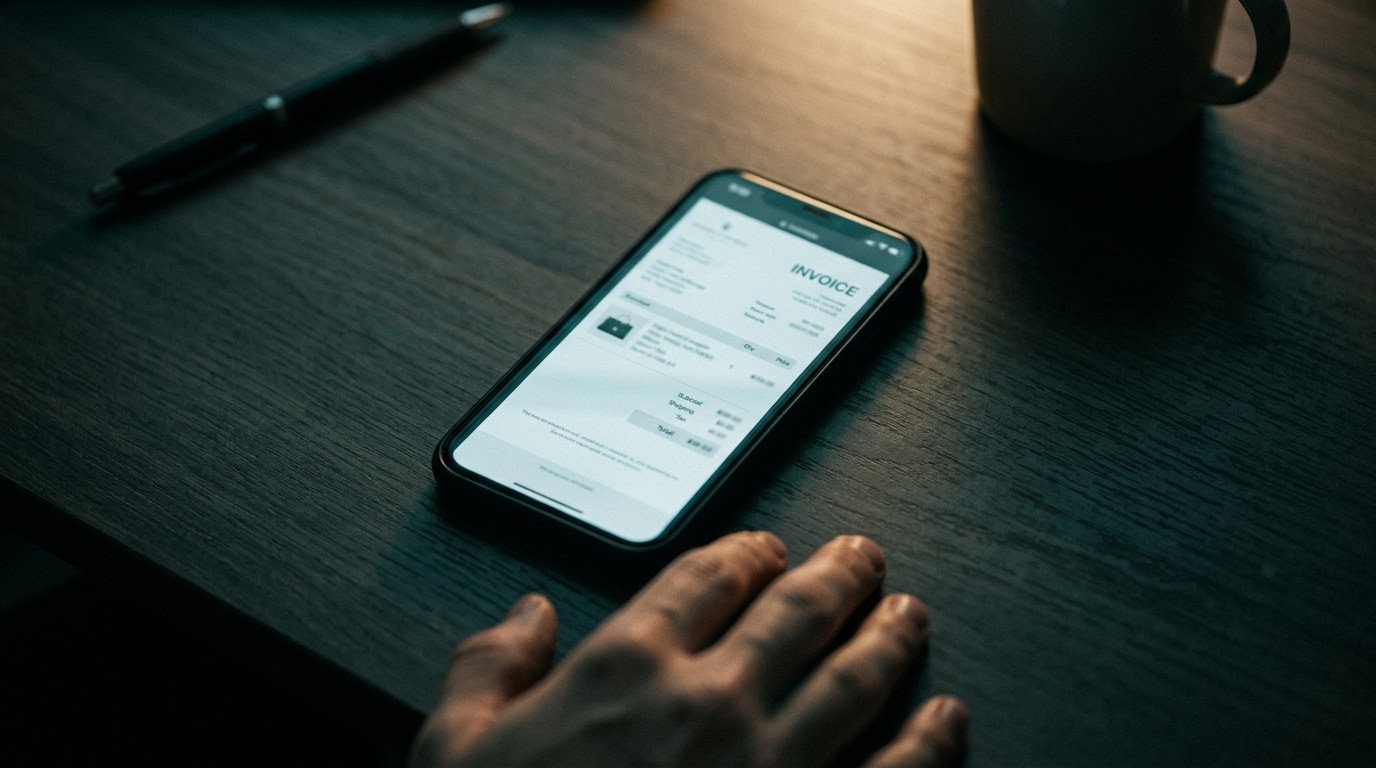
As of September 2026, luxury handbag fraud on local peer-to-peer resale platforms continues to escalate as counterfeiters shift from selling low-quality knockoffs to pairing high-grade replica bags with forged point-of-sale receipts. FTC data shows that consumer losses from online retail and peer-to-peer resale scams reached over $390 million in 2024. Buyers frequently report losing between $1,200 and $5,000 in cash or instant cash app transfers after realizing that paper receipts from flagship boutiques—complete with watermark details, store addresses, and transaction timestamps—were generated on commercial thermal printers or sourced online. Understanding how fake designer handbag receipt scams target peer resale buyers allows you to recognize the precise psychological and mechanical tactics used during local transactions before your money moves.
How Fake Designer Handbag Receipt Scams Target Peer Resale Buyers: The Playbook
Fake designer handbag receipt scams target peer resale buyers by pairing realistic replica bags with forged purchase receipts to fabricate authenticity during fast-paced local transactions. Scammers build trust by presenting physical boutique receipts, printed order confirmations, or fake digital emails that mimic major luxury brands. By shifting buyer focus from verifying the leatherwork or serial numbers to reviewing paper documentation, fraudsters secure immediate payment through cash or non-refundable peer-to-peer money transfers before disappearing.
The operational sequence follows a calculated playbook designed to lower your guard, neutralize skepticism, and force a rapid decision during a face-to-face encounter. Here is the step-by-step breakdown of how the scheme develops from initial listing to the final escape.
-
Sourcing "Superclones" and Forged Paperwork
The operation begins long before a listing appears online. Fraudsters purchase high-grade replica handbags—commonly referred to in counterfeit networks as "superclones" or "1:1 replicas"—from overseas suppliers for $100 to $300. These replicas copy leather grain, stitching counts, weight, and hardware stamps with high precision. To complete the deception, the seller acquires replica receipt packages. These packages include blank boutique receipt rolls, forged brand dust bags, fake care booklets, and counterfeit store boxes. Counterfeiters use low-cost desktop thermal printers to generate fake receipts complete with custom boutique addresses, sales clerk names, item stock-keeping units (SKUs), and realistic sales tax totals. -
Constructing the Low-Profile Local Listing
The fraudster lists the item on local peer-to-peer resale venues like Facebook Marketplace, OfferUp, or Craigslist. They price the bag in a psychological "sweet spot"—typically 30% to 40% below current secondary market value. For example, a bag retailing at flagship stores for $4,500 and reselling on verified platforms for $3,800 will be listed for $2,400. The listing photos display the handbag alongside a folded boutique receipt, explicitly stating: "Purchased directly at the Soho boutique. Comes with original store receipt, box, dust bag, and ribbon. Selling because I need quick moving money." -
Establishing Rapid Digital Rapport and Proof Sourcing
When you message the seller, they respond quickly and politely. If you ask for proof of authenticity, they immediately send high-resolution photos or a video recording of the receipt. They focus your attention on the paperwork rather than the bag itself. A typical sequence involves the seller highlighting specific details on the paper: "Look, you can see the store phone number, transaction date from last month, and the last four digits of my card." They offer digital order confirmation screenshots or fake Apple Wallet passes if you ask for digital proof. -
Setting an Urgency-Driven, Public Meetup
Once you express serious interest, the seller introduces time pressure. They claim another buyer is offering to pay full price later that evening, but offer to prioritize you if you can meet within two hours. They select a busy, high-traffic location like a shopping center parking lot or coffee shop. This environment introduces noise, visual distraction, and social pressure, making it difficult for you to sit quietly and inspect minute physical details of the leatherwork or run verification checks. -
Executing the In-Person Receipt Distraction
During the meetup, the seller hands you the physical receipt first or places it prominently on top of the dust bag. This shifts your cognitive focus. Instead of examining the bag's blind stamps, date codes, hardware engravings, or leather smell, you spend your time reading the receipt. The seller narrates the purchase history: "I bought it for my sister, but she wanted a different color. You can call the store if you want, everything is right there." They remain standing close to you, keeping the environment fast-paced. -
Securing Non-Reversible Funds and Disappearing
The seller insists on cash or non-reversible peer-to-peer electronic payments like Zelle, Venmo (via "Friends and Family"), or Apple Cash. They decline protected commercial platform payments, claiming they cannot wait for funds to clear. Once you hand over the cash or complete the digital transfer, the seller quickly collects their belongings, exits the area, and blocks your profile across all messaging and social platforms within minutes. -
The Discovery of the Counterfeit
Hours or days later, you bring the handbag to a luxury consignment shop or submit photos to an online authentication service. The authenticator points out fatal flaws: the receipt font does not match official point-of-sale typography, the sales tax calculation on the paper contains a mathematical rounding error, the store SKU matches a completely different item model, and the bag's interior serial code is a known mass-produced counterfeit number. By this time, the seller's account has been deleted and the phone number disconnected.
Who Gets Targeted and Why
Peer resale scammers target aspiring luxury collectors, price-conscious fashion buyers, and side-hustle resellers seeking discounted designer goods on local platforms like Facebook Marketplace or OfferUp. Fraudsters exploit the psychological bias that paper proof equals product authenticity. Buyers are frequently caught off guard because they assume counterfeiters only forge the product itself, neglecting the reality that printed store receipts, gift receipts, and digital order confirmations are simple to recreate using desktop software and thermal printers.
A 2023 BBB report revealed that nearly 45% of counterfeit goods fraud reports involved forged documentation or fake store receipts used to mislead buyers. The targets of this scam span several distinct buyer profiles, each possessing specific vulnerabilities that fraudsters deliberately exploit.
First, first-time luxury buyers are prime targets. These individuals know high-end brand names but lack deep technical experience with specific material finishes, stitch patterns, or hardware weights. When presented with a physical paper receipt bearing a official store logo, their brain registers the receipt as definitive proof, shutting down further critical inspection of the item itself.
Second, opportunistic resellers fall victim because they are motivated by rapid profit margins. Scammers present a scenario where a high-value bag is being sold far below market value due to a fake personal crisis (such as sudden moving expenses or emergency bill payments). The reseller sees an immediate margin and rushes the deal to prevent competing buyers from snatching the inventory.
The core psychological hook relies on trust transfer. Physical paper receipts carry historical authority in retail commerce. For decades, a physical receipt was difficult for an individual citizen to replicate. Today, commercially available thermal receipt printers cost under $50 online, and counterfeit receipt graphic templates circulate freely on private messaging forums. Scammers exploit the gap between historical consumer trust in paper records and modern digital printing capabilities.
The Anatomy of Fraud: Scam Stage Breakdown
To evaluate how fraudsters structure their narrative during a peer-to-peer luxury transaction, review the table below. It contrasts what the scammer says at each stage against the operational reality behind the interaction.
| Stage of the Scam | What the Scammer Says | What's Actually Happening |
|---|---|---|
| Initial Contact | "I have the original store receipt from the flagship boutique, plus the box, ribbon, and dust bag." | The seller uses complete counterfeit gift sets purchased from overseas suppliers to manufacture artificial trust before you inspect the bag. |
| Negotiation | "I'm listing this way below market because I need cash today for an unexpected bill." | The price is set low enough to induce urgent action, but high enough to make the victim feel they are securing a legitimate deal. |
| Pre-Meetup Proof | "I can text you a picture of the receipt right now so you know it's 100% authentic." | The seller sends images of a forged receipt created on a home thermal printer or downloaded from fake documentation templates. |
| The Meetup | "Take a look at the store address and transaction code on the paper while I get the bag out." | The seller redirects your sensory focus toward reading paper text so you skip physical testing of leather, hardware weight, and stitching. |
| Payment Request | "Zelle or cash only please, my PayPal account is currently undergoing a routine security hold." | The seller avoids protected payment channels with buyer protection mechanisms, forcing irreversible payment methods. |
| Post-Transaction | "Thanks again! Let me know if you need anything else!" (Followed by blocking). | The seller immediately terminates contact channels, deletes the marketplace listing, and burns temporary contact profiles. |
How to Recognize It Before Money Moves
Recognizing a fake designer handbag receipt scam requires inspecting both the seller's verified identity and the physical characteristics of the receipt before handing over any cash. Authentic receipts use specific thermal paper types, accurate sales tax calculations, and verified store clerk IDs. You can protect yourself by demanding third-party authentication, checking for thermal print smudging, cross-referencing boutique store numbers, and running a quick digital identity check on the seller prior to meeting.
Before agreeing to meet or handing over money, evaluate the transaction using these high-signal red flag questions:
- Does the physical receipt pass basic material tests? Boutique receipts from major fashion houses are printed on specific thermal paper stock. Authentic thermal printing uses heat rather than ink. If you run your fingernail quickly across thermal paper, the friction heat leaves a faint black mark. Counterfeiters using cheap ink-jet desktop printers create receipts that will not react to friction heat or will smear under liquid.
- Is the mathematical detail on the receipt accurate? Forged receipts frequently contain calculation errors. Check the store address listed on the receipt, then calculate the local sales tax rate for that specific city or municipality. Scammers downloading templates from other states often use incorrect local tax rates or fail to accurately add municipal fees to the subtotal.
- Does the seller refuse independent third-party authentication? Legitimate sellers of high-value bags willingly cooperate with third-party mobile authentication apps (such as LegitApp or Entrupy) or meet at an established professional consignment shop. If a seller insists that "the paper receipt is all the proof you need" and declines independent inspection, cancel the meeting immediately.
- Is the serial number or date code consistent with brand manufacturing rules? Major luxury brands use specific coding conventions. For instance, Chanel replaced paper authenticity cards with embedded microchips inside bags in mid-2021. If a seller presents a bag claimed to be purchased in 2023 along with a physical plastic authenticity card and paper receipt, the combination is physically impossible for authentic store inventory.
- Does the seller's digital identity match their claimed background? Scammers operate behind newly created marketplace accounts, burner phone numbers, and temporary handles. Running a TrustCheck on the contact in week one catches most variants by revealing whether the person offering a high-end handbag has a verified identity history or is operating behind synthetic burner records.
- Are you being pushed into an instant, non-reversible payment method? Legitimate peer sellers accepting large sums generally accommodate buyer safety preferences. Demands for immediate Zelle, Venmo Friends & Family, cash, or cryptocurrency transfers are strong indicators of an unrecoverable transaction structure.
If It's Already Happened: Immediate Recovery Steps
If you bought a fake handbag accompanied by a forged receipt, act within the first 72 hours to preserve evidence and file criminal reports. Document all text conversations, listing details, payment handles, and the fake receipt itself. File formal reports with local law enforcement, your bank or payment processor, and federal fraud repositories like reportfraud.ftc.gov and ic3.gov to establish an official paper trail for potential recovery or insurance claims.
Taking structured action immediately maximizes the probability of account freezes and supports criminal intelligence tracking. FBI IC3 data indicates that reported losses from online shopping and peer resale fraud exceeded $350 million in 2023, making detailed reporting essential for federal law enforcement action. Follow this step-by-step emergency protocol:
- Preserve All Physical and Digital Evidence Do not throw away the fake receipt, dust bag, box, or counterfeit handbag. Take clear, high-resolution photographs of the bag's stitching, serial tags, and hardware, along with front-and-back photos of the fake receipt. Export full PDF transcripts of your chat logs, taking screenshots that show the seller's profile ID, phone number, payment handle, and exact marketplace listing URL.
- Contact Your Financial Institution Immediately If you paid via wire transfer, debit card, or credit card, call your bank's fraud division immediately. Explain that you were victimized by a fraudulent peer transaction involving counterfeit goods and forged documentation. While peer-to-peer transfers (like Zelle or wire transfers) are challenging to reverse, opening a formal fraud case forces the institution to flag the recipient account for suspicious activity.
- File a Local Police Report Visit your local police precinct to file a formal report for grand larceny or fraudulent sale of counterfeit goods (depending on jurisdictional dollar thresholds). Provide the officer with the seller's contact details, payment handles, chat logs, and photos of the fake receipt. Obtain a copy of the official police report number, as financial institutions require this document during fraud disputes.
-
Submit Reports to Federal Fraud Repositories
File detailed complaints with primary government consumer protection databases:
- Submit a consumer fraud report at reportfraud.ftc.gov to notify the Federal Trade Commission.
- File a cybercrime and financial fraud complaint with the FBI Internet Crime Complaint Center at ic3.gov.
- If the item or receipt was delivered via mail, file a mail fraud complaint with the U.S. Postal Inspection Service.
- Confirm Identity Details for Law Enforcement Records If you suspect the seller used an alias or temporary handle during the meetup, running a TrustCheck on the contact confirms the identity is fake, providing vital documentation for law enforcement investigators to attach to your criminal file.
Frequently asked
Why do scammers forge receipts instead of just selling the bag?
Scammers forge receipts because buyers frequently trust paper documentation over their own technical inspection skills. A realistic paper receipt creates immediate psychological confirmation bias, making the victim overlook visible flaws in the fake handbag.
Can boutique stores verify a receipt if I bring it in?
Boutique luxury stores generally decline to verify or authenticate receipts presented by third-party buyers due to liability protocols. Store associates cannot look up purchase transaction histories for non-original account holders or confirm second-hand authenticity.
How can I tell if a luxury receipt was printed on home equipment?
Check the thermal paper properties by running a fingernail firmly across the paper. Authentic thermal paper leaves a dark friction mark, whereas home ink-jet or laser printouts will not react to friction heat or may smear.
Are Zelle or Venmo payments reversible if I bought a fake bag?
Peer-to-peer transfers made via Zelle or Venmo Friends & Family are considered equivalent to cash and are rarely reversible. Financial institutions usually only reverse transactions authorized without account holder permission, not authorized purchases of fraudulent goods.
Where should I report a seller who sold me a counterfeit bag with a fake receipt?
File an official police report with local law enforcement, report the seller profile to the marketplace platform, and submit online fraud reports to reportfraud.ftc.gov and the FBI IC3 at ic3.gov.
More in Scams
- How Fake Smartphone Setup Bypasses Scam Peer Cell Phone Buyers
September 24, 2026
- How Fake Land Plot Sale Deposits Target Rural Property Buyers
September 21, 2026
- How Fake Bar Tab Scams Exploit Victims During In-Person Dates
September 19, 2026