How Fake Rideshare Voucher Links Target Online Daters Before Meetups
· 8 min read
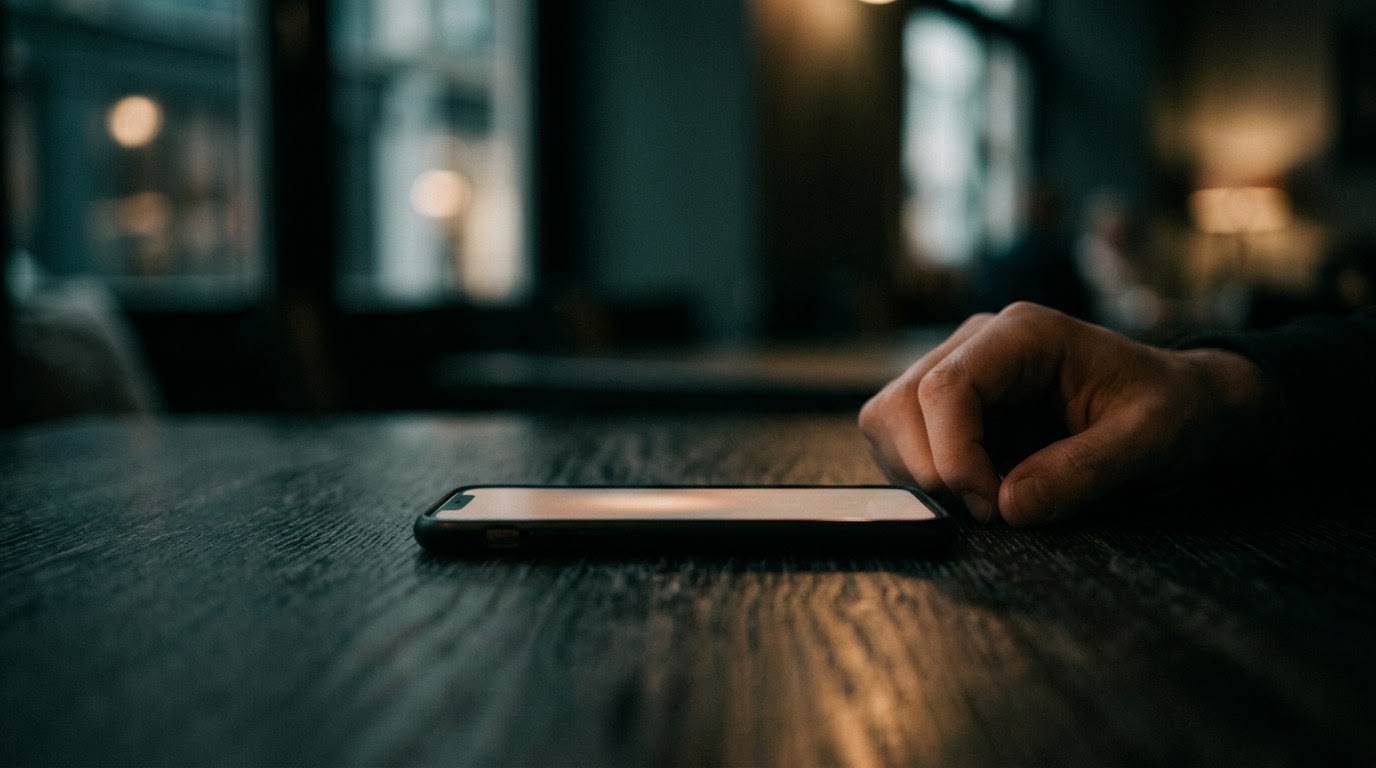
Online daters organizing first-time meetups are increasingly targeted by the fake rideshare voucher scam, an scheme that routinely drains between $500 and $5,000 from connected payment cards and digital wallets. FTC data shows that online imposter and romance phishing scams grew by 18% between 2023 and 2025. As of October 2026, threat actors are stepping away from long-term romance fraud in favor of short-game tactics that exploit routine dating gestures, such as offering to send a car for a first date.
How the Scam Unfolds Step by Step
The fake rideshare voucher scam unfolds over a rapid sequence where a new online match builds fast rapport, offers to pay for your transportation, and sends a spoofed voucher link. Once clicked, this link captures your rideshare login credentials or session tokens, granting scammers instant access to your linked digital wallets, payment cards, and personal profiles.
A typical sequence involves a smooth transition from a dating application to an encrypted messaging platform, followed by an overly courteous gesture. The scammer leverages social pressure, excitement, and time limits to bypass your normal security instincts.
-
The Rapid Match and Platform Migration: The scammer establishes a match on a popular dating app using stolen or synthetic photos. Within a few dozen messages, they steer the conversation toward off-platform messaging apps like WhatsApp or Telegram under the guise of convenience or bad app notifications.
-
The First Date Proposal and Courteous Offer: After agreeing on a public venue for dinner or drinks, the scammer insists on paying for your ride. They frame this as a polite gesture, a safety precaution, or a chivalrous courtesy so you do not have to drive or pay for parking.
-
Delivery of the Spoofed Voucher Link: Instead of ordering a car through their own app, the scammer texts a customized link. They explain that it is a "corporate guest pass," a "promo code claim link," or a "safety pass" that allows you to book the ride directly from your own phone.
-
The Fake OAuth and Credential Harvesting Portal: Clicking the link opens a landing page designed to mirror official Uber, Lyft, or general mobility management portals. The page prompts you to "Sign in to Claim Your $50 Ride Voucher" using your phone number, email, or single sign-on credentials.
-
Bypassing Multi-Factor Authentication: When you attempt to log in, the reverse-proxy phishing kit triggers a real SMS verification code from the legitimate rideshare service. The fake site asks you to enter that code, which the scammer’s automated script feeds into the real platform in real-time, hijacking your active session.
-
Digital Wallet Draining and Fraudulent Orders: Once inside your real account, the attacker changes the associated phone number or email, adds high-value gift cards, orders expensive delivery orders via linked food delivery services, or drains funds stored in connected digital wallets like Apple Pay, Venmo, or linked bank cards.
-
Abrupt Disconnection and Ghosting: Minutes after the credentials are secured, the scammer unmatches on the dating app, deletes their messaging profile, or claims an urgent emergency forced them to cancel the date. You are left stranded, locked out of your rideshare account, and facing fraudulent bank charges.
Consider a composite example: a dater receives a link that looks like `uber-pass-claim-2026.com`. The site displays legitimate logos and asks for an SMS verification code to deposit a $40 credit into their account. Within five minutes of submitting the code, the dater receives four consecutive notifications from their bank for high-value gift card purchases made through their rideshare app wallet across town.
Who Gets Targeted and Why
Scammers target safety-conscious online daters, working professionals, and active dating app users who routinely engage in private messaging before meeting in person. Targets are selected because they are receptive to polite, chivalrous gestures like a prepaid ride, creating a psychological hook built on trust, safety, and cognitive overload right before a date.
This demographic profile is particularly vulnerable due to modern dating norms. Many daters appreciate when a match takes initiative or expresses concern for their physical safety late at night. The scammer flips this genuine safety protocol into an attack vector. The hook relies on three specific psychological triggers:
First, reciprocity makes it difficult to refuse a generous offer. When someone offers a free $50 ride voucher, refusing can feel rude or unappreciative.
Second, safety framing creates a false sense of security. Because rideshares are associated with safe transit, victims rarely suspect that the link facilitating the ride is an attack tool.
Third, pre-date cognitive overload creates distraction. When getting ready for a date, reviewing directions, and managing time, individuals perform quick, low-scrutiny actions like tapping a login button without checking the underlying URL structure.
According to FBI IC3 reports, tech support and credential phishing schemes resulted in over $12.5 billion in reported losses in 2023. Cybercriminals apply these exact credential-harvesting tools to social dating platforms because victim guard levels are significantly lower during social interactions than during corporate work hours.
Stage-by-Stage Breakdown of Scammer Tactics
Understanding how scammer messaging shifts across each phase helps targets spot suspicious patterns before authenticating on fake portals. This breakdown maps the exact scripts used during the fake rideshare voucher scheme against the actual technical operations taking place behind the scenes.
| Stage of the Scam | What the Scammer Says | What's Actually Happening |
|---|---|---|
| Initial Contact | "I rarely check messages on this app. Let's text on WhatsApp so I don't miss your replies!" | Moving off the dating platform removes safety filters and prevents app moderators from reviewing flagged links. |
| Date Planning | "Let me send a car for you tonight! I want you to relax and not worry about parking or traffic." | Establishing a helpful demeanor lowers your defenses and sets up the need for a ride transfer link. |
| Link Delivery | "Here is the voucher link from my business account: ride-claim-pass.com/uber. Just log in to activate it!" | Delivering a typosquatted domain that leads to an adversary-in-the-middle phishing server. |
| Authentication Request | "Did you get the SMS code? Type it into the screen so the driver can be dispatched to your location." | Intercepting your multi-factor authentication token to hijack your legitimate rideshare account session. |
| Delay Strategy | "The driver is running 10 minutes late because of traffic. Hold tight while the app refreshes!" | Buying time to add payment methods, drain stored wallet balances, and purchase digital gift cards. |
| Post-Theft Ghosting | [Account Unmatched / Phone Number Disconnected] | Severing communications immediately after account control is solidified and funds are extracted. |
Notice how every statement is designed to create a sense of normalcy. Scammers deliberately leverage terms like "corporate account," "guest pass," or "business credit" to explain why the link does not open directly inside your pre-installed mobile application.
How to Recognize It Before Money Moves
Spotting a fake rideshare voucher link requires inspecting URL domain structures, rejecting requests for full account re-authentication outside official app stores, and verifying your match early. Running a TrustCheck on the contact in week one catches most variants before malicious links enter the conversation.
To evaluate a link safely, ask yourself these crucial verification questions before tapping any web address sent by a dating match:
Does the link redirect to an web browser instead of opening your native app? Legitimate rideshare referral codes, passes, and deep links automatically trigger the native Uber or Lyft app installed on your smartphone. If tapping a link opens a mobile web browser asking for your phone number or password, close the window immediately.
Is the domain name subtly misspelled or padded with extra words? Inspect the address bar carefully. Authentic domains use clean structures like `uber.com` or `lyft.com`. Fake domains use extra hyphens, altered suffixes, or altered letters such as `uber-voucher-claim.net`, `lyft-rides-pass.com`, or `uber-login-security.org`.
Is the match demanding an immediate login to confirm a driver? Legitimate rideshare vouchers do not require immediate multi-factor authentication re-verification to receive a gift pass. If a match pressures you to submit a fresh SMS code right away, they are actively harvesting your credentials in real-time.
Why can't they order the car directly to your address? If someone genuinely wants to pay for your ride, they can order a car through their own account and share the ride status with your mobile number. A real person does not need you to log into a third-party website to send a car to your starting location.
A 2024 AARP study found that roughly 25% of victims never reported digital imposter scams due to embarrassment. Recognizing these domain tricks strips away the scammer's advantage before any account takeover occurs.
If It's Already Happened: Recovery and Reporting Steps
If you entered your details into a fake rideshare link, act immediately within the first 72 hours by revoking active app sessions, securing linked payment cards, and reporting the incident. A TrustCheck on the contact confirms the identity is fake and helps document details for financial institutions and law enforcement agencies.
Taking structured action within the first few hours can significantly limit financial damage and secure your digital identity across connected services.
Follow these immediate recovery steps if you suspect your account has been compromised:
1. Log out all active sessions and reset credentials: If you still have access to your rideshare account, open the official app, navigate to security settings, and select "Sign out of all devices." Change your password immediately. If you are locked out, use the official app's account recovery portal to report a compromised account.
2. Contact your financial institutions: Call the credit card issuers, debit card banks, or digital payment providers linked to your rideshare wallet. Request immediate holds or card reissuances for any payment methods stored inside the compromised app.
3. Revoke digital wallet authorizations: Open your mobile device payment settings (such as Apple Wallet or Google Wallet) and remove any active billing authorizations tied to the affected rideshare account.
4. Document evidence and conversation logs: Take screenshots of the scammer's dating profile, phone numbers, off-platform chat histories, the phishing URL, and any transaction notices. Do not delete the chat thread until you have captured all details.
5. File official fraud reports: Report the incident to government cybercrime portals. Submit a report to the FTC at reportfraud.ftc.gov and file an internet crime complaint with the FBI IC3 at ic3.gov. FBI IC3 data shows that digital payment fraud reports reached $1.2 billion in 2024, emphasizing the need for fast account freezes.
Finally, notify the dating platform where you initially matched. Reporting the account allows moderation teams to ban the scammer's device identifier and IP address, protecting other users from falling target to the same malicious link campaign.
Frequently asked
How do legitimate rideshare voucher links work?
Legitimate rideshare passes or voucher links open directly inside your pre-installed Uber or Lyft app without asking for a web browser login. They automatically add promotional credits directly to your account wallet. They never require you to enter SMS verification codes or passwords on an external website.
Can a scammer steal money if I only clicked the link but didn't log in?
Simply clicking a link rarely grants direct access to your financial accounts unless your mobile browser has unpatched exploits. However, the scammer receives your IP address and device details. If you did not enter credentials or MFA codes, your accounts and connected wallets remain secure.
Why do scammers ask to move the conversation to WhatsApp or SMS?
Scammers move conversations off dating apps to bypass automated security filters, safety warnings, and account moderation tools. Dating platforms active monitoring can detect malicious external URLs quickly, whereas off-platform private messaging allows scammers to send spoofed links without automatic detection.
What should I do if I am locked out of my rideshare account?
Contact the official support team through the rideshare provider's genuine website immediately. Submit an account takeover claim, freeze all credit cards tied to that app account through your bank, and revoke payment authorizations inside your mobile payment settings.
Is it safe to let a date send an Uber or Lyft for me?
It is safe if they order the ride directly from their app and use the official share status feature to send tracking details to your phone. Never click external voucher links, web claims, or log into third-party portals to accept a ride.
More in Scams
- How Fake ATV Purchase Deposit Scams Target Private Buyers
November 14, 2026
- How Fake Coin Grading Slab Scams Target Peer Numismatic Collectors
November 12, 2026
- How the Post-Sale Smartphone Insurance Blacklist Scam Targets Peer Buyers
November 9, 2026