How In-Person Fake Bank Payment Screenshots Steal High-Value Items
· 9 min read
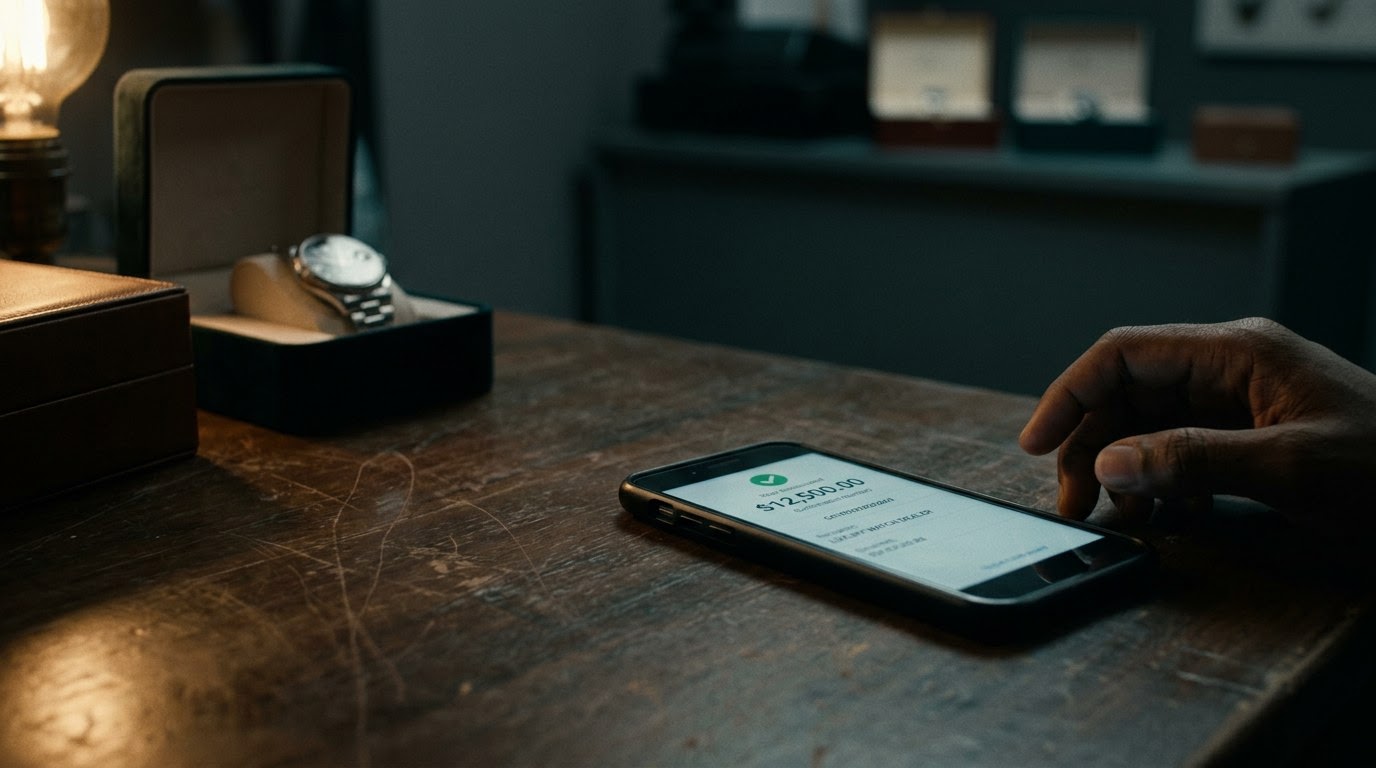
In-person fake bank payment screenshot scams involve fraudulent buyers using custom software to simulate live wire or peer-to-peer transfers during private sale meetups. Federal Trade Commission data from 2025 showed that payment platform and online seller scams accounted for over $240 million in direct consumer losses. This form of fraud has surged rapidly in popularity because bad actors no longer rely on static image edits; instead, they deploy fully interactive spoofed applications purchased on Telegram that generate convincing payment screens tailored to the seller's real name and phone number on the spot.
How In-Person Fake Bank Payment Screenshots Steal High-Value Items
In-person fake bank payment screenshot scams occur when a buyer meets a seller face-to-face and uses a cloned mobile banking application to generate a realistic confirmation screen showing money sent. Because bank transfers or peer-to-peer networks can occasionally take minutes or hours to settle, scammers convince the seller that funds are currently processing. Sellers hand over high-value items believing the money is en route, only to discover later that no transaction ever hit the banking network.
The mechanics of this deception rely on psychological pressure combined with sophisticated digital deception. In past years, private sales fraud often involved bad checks or obviously altered photos sent via text message. Today, organized criminal networks develop specialized Android Application Packages (APKs) and web-based iOS overlays designed to mirror the user interfaces of major retail banks, Zelle, Venmo, Cash App, and international wire apps.
When meeting in person, the fraudster opens what appears to be a legitimate mobile banking application on their smartphone. They ask for your routing details, email address, or phone number in plain view. They type your information directly into their device, press send, and present a screen that displays official branding, animated checkmarks, transaction reference numbers, and current timestamps. To an unsuspecting seller, the screen looks identical to a genuine transfer receipt.
Because the seller sees their own full name and exact phone number on the screen, their guard drops. The fraudster takes advantage of this moment, claiming that standard network congestion or security reviews cause a temporary delay before the balance reflects on the recipient's phone. Relying on basic social norms and reluctance to make a scene, the victim allows the buyer to leave with the merchandise.
By the time the seller arrives home and realizes their account ledger remains unchanged, the scammer has disabled their burner phone number, deleted their marketplace account, and listed the stolen item for sale on another platform.
How the Scam Unfolds Step by Step
The fake bank payment playbook relies on high-speed psychological pressure during a face-to-face transaction to bypass a seller's standard verification rules. By controlling the physical setting, faking payment interface screens, and exploiting human courtesy, scammers walk away with high-value goods before the victim verifies their account ledger.
Understanding the sequential steps of this scam allows sellers to spot warning signs early in the interaction. A typical sequence unfolds through six distinct operational phases:
- The Target Listing and Immediate Acceptance: You list a high-value item, such as a $2,200 camera lens or a $1,800 laptop, on an online marketplace. Within hours, a prospective buyer contacts you and agrees to your full asking price without negotiating. This immediate agreement triggers enthusiasm, encouraging you to finalize the transaction quickly without questioning their background.
- Steering the Payment Method: When you suggest cash, the buyer claims they cannot withdraw large amounts due to daily ATM limits or personal safety concerns. They insist on paying via a direct bank transfer, Zelle, or Cash App. They offer to initiate the payment right in front of you during the meetup so you can observe the transaction live.
- Selecting a High-Distraction Meetup Location: The buyer chooses a location designed to induce subtle stress or distraction. They may suggest a busy gas station parking lot, a crowded curbside location, or schedule the meeting after sunset or during poor weather. These factors create physical discomfort and pressure you to rush the transaction.
- Executing the Fake Live Transfer: At the meetup, the buyer opens a modified app on their smartphone that replicates a major bank's user interface. In full view, they enter your phone number, email address, and the exact dollar amount. They tap the send button, causing an animated confirmation screen to appear complete with a green checkmark, reference ID, and your personal contact details.
- Fabricating the Network Delay Explanation: When you check your own phone and notice no payment notification or updated bank balance, the buyer immediately delivers a plausible excuse. They explain that cross-bank transfers take 15 to 30 minutes to settle or claim that security checks for transfers over $500 cause routine delays. Some counterfeit apps even include programmed popup messages that read "Transfer Pending Network Clearance."
- The Departure and Disappearance: The buyer appeals to your trust, acts slightly insulted if you hesitate, or claims they must hurry to work. Feeling pressured to avoid social confrontation, you hand over the merchandise. Minutes after driving away, the scammer blocks your phone number and deletes their social media and marketplace profiles.
Who Gets Targeted and Why
Private sellers listing high-value, easily liquidable goods like smartphones, laptops, luxury watches, and camera gear are primary targets. Scammers exploit the seller's eager desire to complete a high-dollar transaction quickly, relying on societal pressure and social politeness in face-to-face interactions to prevent the seller from holding up the transaction while waiting for funds to officially post.
Criminals systematically scan private sales boards for specific types of inventory. Items valued between $500 and $3,500 represent the preferred target range. Goods in this range are expensive enough to yield significant profits on secondary markets, yet small enough that private sellers regularly accept mobile payment methods rather than demanding cashier's checks or cash.
One common pattern involves creators selling professional video equipment. For example, a videographer selling a high-end camera package meets a buyer in a public shopping center. The buyer appears well-dressed, polite, and completely comfortable using mobile technology. When the fake confirmation screen shows the seller's full legal name, the seller feels psychological validation that the person on the screen is real and acting in good faith.
Scammers also target sellers who state in their listing description that they need cash urgently for rent, medical bills, or moving expenses. Fraudsters recognize that individuals facing immediate financial strain operate under higher cognitive stress. In these scenarios, sellers are far more inclined to accept a visual transfer confirmation on faith because they desperately want the transaction to succeed.
How to Recognize It Before Money Moves
Recognizing a fake bank payment scam requires shifting your focus from the buyer's smartphone screen to your own bank account ledger. Scammers rely on visual convincingness, but true electronic transfers reflect immediately in your official bank app balance or official SMS/email alerts from verified sender numbers, regardless of what the buyer shows you on their device.
To evaluate whether an in-person payment is genuine, maintain strict boundaries and ask yourself these essential verification questions before handing over any item:
- Is the money visible in my available balance on my own device? Never rely on a confirmation screen held in someone else's hands. Open your official banking app on your personal phone. If the updated ledger balance does not show cleared, usable funds, the money has not arrived.
- Is the buyer pressuring me to finish the interaction quickly? Scammers frequently manufacture urgent time constraints, claiming they double-parked, have a crying child in the car, or need to reach an appointment. Legitimate buyers paying hundreds or thousands of dollars will willingly wait a few minutes while you verify your bank balance.
- Is the buyer insisting on showing me their phone screen? Authentic buyers complete a transaction and put their phone away. Scammers actively push their screen into your field of view, emphasizing dynamic checkmarks, reference numbers, and transaction timestamps to convince you without waiting for ledger confirmation.
- Did I verify the buyer's identity before agreeing to meet? No identity check can guarantee a safe transaction. A TrustCheck tells you whether the details someone gave you are consistent with one real identity — the judgement, and the risk, stay with you.
- Does the buyer refuse to perform the exchange inside a financial institution? A genuine buyer willing to transfer thousands electronically should have no issue meeting inside your local bank branch, where cash can be withdrawn directly at the teller counter or verified on-site.
Key Differences Between Fake Apps and Real Transfers
Understanding the specific mechanics that distinguish fraudulent payment interfaces from legitimate bank transfers helps sellers identify high-risk situations instantly. Scammers simulate bank interfaces using modified offline software, whereas real transfers execute through centralized banking rails that update your personal banking ledger in real time.
The table below breaks down the major stages of this scam, contrasting the buyer's deceptive statements against the technical reality occurring behind the scenes.
| Stage of the Scam | What the Scammer Says | What's Actually Happening |
|---|---|---|
| Initial Contact | "I'll pay your asking price right now using direct instant transfer." | The scammer avoids cash because they intend to use counterfeit software that costs them nothing. |
| Location Proposal | "Let's meet at a quick roadside pull-off because I am driving between meetings." | They choose an uncomfortable, exposed environment where you feel hurried and disoriented. |
| Interface Display | "Look, I typed your exact phone number and name—see the green checkmark?" | They entered your info into an offline graphic app designed to generate fake confirmation screens. |
| Transfer Delay Explanation | "My bank shows a temporary processing hold because the payment is over $500." | No transfer request was sent to any bank; the delay excuse allows them to walk away with your item. |
| Final Departure | "I'll message you when I get home to ensure the funds posted to your app." | The scammer immediately disables their burner line and blocks your profile on marketplace channels. |
If It's Already Happened
If you have fallen victim to a fake bank payment screenshot scam, taking rapid recovery actions within the first 72 hours is critical to trace the suspect and mitigate financial secondary risks. Immediately notify local law enforcement, report the fraud to federal authorities, preserve all communication logs, and secure your personal details from further exposure.
Discovering that you handed over valuable property in exchange for a fake payment screen is frustrating, but taking disciplined recovery steps helps law enforcement investigate the crime and protects your identity from broader misuse.
Follow these immediate action steps following a fraudulent meetup:
1. Document All Evidence Immediately: Take screenshots of all conversation logs, marketplace profiles, email addresses, and phone numbers before the scammer deletes their online presence. Save details such as vehicle make, model, color, license plate, and physical features of the suspect. Note the exact time and physical address where the exchange took place.
2. File a Local Police Report: Visit your local law enforcement agency to file a formal report for stolen property. In-person scam theft often meets the threshold for felony grand larceny depending on the item's dollar value. Provide officers with details regarding nearby surveillance cameras, such as gas station or retail store security systems that may have recorded the transaction.
3. File Reports with Federal Agencies: Submit a report to the Federal Trade Commission at reportfraud.ftc.gov to assist regulatory tracking. Additionally, file an online cybercrime complaint with the FBI Internet Crime Complaint Center at ic3.gov. According to a 2024 FBI report, the Internet Crime Complaint Center logged over 880,000 fraud complaints involving digital payment processing and identity deception.
4. Verify Identity and Protect Accounts: A TrustCheck can tell you whether the details you were given trace back to a consistent identity, which is worth writing down for your own record of what happened. It cannot confirm that someone is a scammer, it will not tell you who was really behind the profile, and it is not evidence. Report the incident to your bank, to the platform where you met, and to the FTC at reportfraud.ftc.gov. If you shared personal banking information, routing numbers, or primary email addresses during the encounter, contact your financial institution to secure your accounts and monitor your credit files through major bureaus like Experian or Equifax for unauthorized activity.
Frequently asked
How can I tell if a bank transfer confirmation screen is real?
A legitimate transfer confirmation is reflected immediately inside your personal banking application, not on the buyer's screen. Fake banking apps generate realistic confirmation screens featuring checkmarks, timestamps, and your name. Never hand over merchandise until you log into your own bank app and confirm cleared funds exist.
Why do bank transfers take time to show up during peer-to-peer sales?
Legitimate instant payment networks like Zelle or Cash App process transfers within seconds under standard conditions. While security checks occasionally delay transfers, legitimate buyers will willingly wait with you until funds reflect in your available balance rather than pressuring you to accept a screenshot as proof.
Can fraudsters fake Zelle or bank wire apps on an iPhone?
Yes, fraudsters deploy modified web apps or sideloaded mobile software that mirrors the visual layout of major banks and payment platforms. These counterfeit applications allow bad actors to type in your real phone number and amount, rendering a fake success screen during face-to-face meetups.
What should I do if a buyer gets aggressive when I ask to wait for funds?
If a buyer becomes hostile, creates artificial pressure, or refuses to wait while you verify your bank balance on your device, cancel the transaction immediately. Keep possession of your item, step away safely, and leave the location. Honest buyers understand basic security protocol.
Where should I report an in-person fake bank app scam?
Report the incident to local law enforcement to create an official police report for stolen property. File federal fraud reports at reportfraud.ftc.gov with the Federal Trade Commission and ic3.gov with the FBI Internet Crime Complaint Center, then notify the marketplace platform where you met.
More in Scams
- How Fake Land Plot Sale Deposits Target Rural Property Buyers
September 21, 2026
- How Fake Bar Tab Scams Exploit Victims During In-Person Dates
September 19, 2026
- How Fake Peer Boat Charter Deposit Scams Target Vacationers
September 17, 2026