How to Safely Buy a Pet Online Without Getting Scammed
· 11 min read
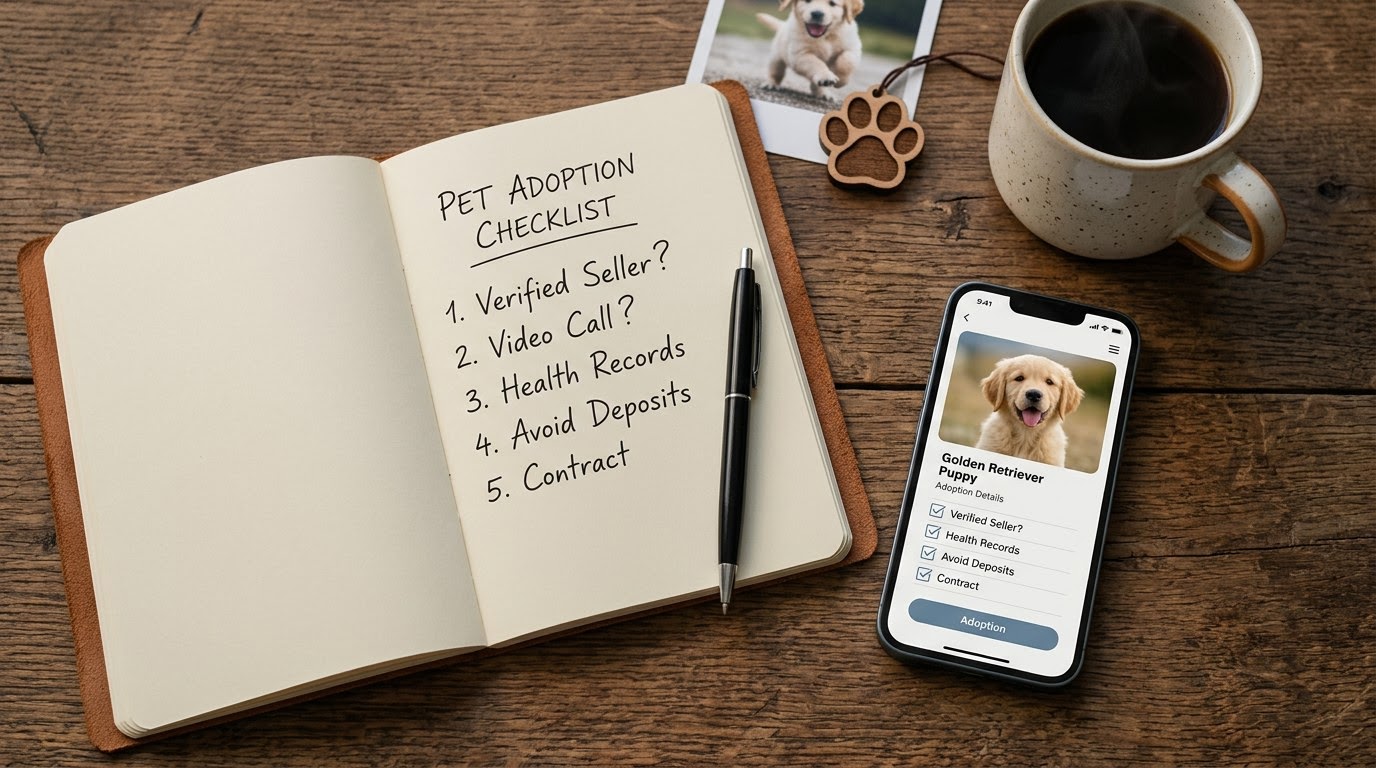
Use this playbook the moment you find an online pet listing and prepare to send a deposit or schedule transport. Running a quick identity verification through TrustMatch before transferring money protects you from fake listings and fraudulent sellers.
1. Run a TrustCheck on the seller
Run an instant identity verification on the seller before discussing deposits or sending any personal information. Enter the seller's first name along with their phone number or email address into TrustMatch to generate a comprehensive TrustScore and safety verdict in under sixty seconds. A legitimate breeder willingly provides accurate contact details, whereas scammers use disposable phone numbers, throwaway email accounts, or constantly shifting identities to evade detection and steal deposit funds.
As of August 2026, identity impersonation remains the primary vector for digital consumer fraud across private transactions. Fake pet sellers operate dozens of fictitious breeding websites simultaneously, utilizing synthetic identities and burner phone numbers to trap prospective buyers. When you request a seller's full contact information, pay attention to their willingness to cooperate. Scammers frequently make excuses about broken phones, lost emails, or strictly messaging through third-party encrypted apps.
According to Better Business Bureau reporting from 2024, online pet fraud accounts for over 35% of all non-delivery scam reports submitted by consumers. Initiating a TrustCheck gives you immediate visibility into whether the contact details belong to a real individual with an established digital footprint. If the seller's score reflects high risk or mismatched records, break off contact immediately and report the listing.
Execute this step before you build an emotional attachment to the animal. Scammers count on emotional investment to blind buyers to obvious identity discrepancies. Verifying identity upfront establishes a secure boundary for the entire transaction.
2. Reverse-image search every photo and video
Reverse-image search every photograph and video thumbnail provided in the pet listing before communicating further. Upload the listing images into search tools like Google Lens or TinEye to check whether the photos were stolen from active social media accounts or archived breeder websites. Scammers regularly scrape high-quality photos of purebred puppies and kittens from legitimate breeders to build convincing fake web storefronts and lure buyers into sending deposit money.
Perform this check on every image in the seller's gallery, including background details, parent animal photos, and kennel facilities. Scammers often forget to scrub original metadata or leave stolen watermark remnants on cropped images. If a search reveals that the exact same puppy photo appears on multiple websites across different states or countries under different breeder names, you are dealing with a fake listing.
Ask the seller to provide three additional, unedited photos of the pet taken from specific angles in plain household surroundings. Request that they place a distinct object, such as a handwritten note with today's date or a specific household item, directly beside the animal. Fake sellers cannot reproduce custom photo requests because they do not possess the actual animal.
Inspect video clips for repetitive looping patterns, missing audio, or visual glitches that indicate stolen screen recordings. Scammers often download legitimate breeder videos from social media platforms and strip out the original audio to hide background dialogue or regional accents that contradict their claimed location.
3. Demand a live video call with the pet
Schedule a live video call on Apple FaceTime, Zoom, or Google Meet to see the animal in real time before paying any money. Ask the seller to hold up a piece of paper with today's date and your name written on it, or request that they touch the animal's left ear during the call. Scammers always make excuses to avoid live video calls, offering pre-recorded video clips or claiming internet connectivity problems.
Pay close attention to the environment shown during the live stream. Observe whether the animal appears healthy, alert, and comfortable in its surroundings. Check that the physical space matches the seller's stated geographic region and living situation, looking for consistent lighting, climate indicators, and background noise.
FTC data published in 2025 indicates that online pet buyers lost over $20 million to fake breeder websites and shipping fraud schemes. The vast majority of these victims admitted to skipping a live video verification step because they trusted polished website graphics and fake online testimonials. A genuine breeder takes pride in showing off their animals, facilities, and care routines to prospective owners.
If the seller claims that video calls disrupt the animals, insist on a quick two-minute session strictly for identity confirmation. If they refuse, make bad excuses, or repeatedly drop the connection to send pre-recorded video files instead, cease all negotiations. Non-compliance at this stage confirms that the animal does not exist in their physical possession.
4. Verify veterinary records and licensing details
Contact the listed veterinary clinic directly using an independently verified phone number to confirm the animal's health history and breeder credentials. Ask the clinic staff if the seller is an active client in good standing and confirm that the specific litter was recently vaccinated and examined. Legitimate pet breeders maintain transparent relationships with licensed veterinarians, whereas fake sellers provide forged health certificates featuring fake clinic names or mismatched contact details.
Never call the phone number printed directly on a health certificate provided by the seller, as scammers routinely set up fake call routing lines to impersonate veterinary staff. Perform an independent web search for the official facility name, address, and office phone number. Speak with the receptionist or office manager directly to cross-reference the breeder's name, microchip numbers, and rabies vaccination schedules.
Verify commercial breeding licenses with state or federal regulatory bodies when purchasing purebred or specialized breeds. USDA-licensed breeders must display their license numbers publicly, allowing you to check their inspection history on official government portals. Cross-reference registry documentation from organizations like the American Kennel Club or Cat Fanciers' Association to ensure paper validity.
Forged documentation often features incorrect medical terminology, altered dates, missing vet signatures, or generic logo images pulled from public internet searches. A legitimate medical health guarantee includes verifiable microchip numbers that match the pet's official veterinary intake file.
5. Inspect payment terms and avoid non-refundable wire transfers
Pay for your pet using secure payment methods that offer built-in buyer protection, such as credit cards or protected merchant accounts. Never send money through wire transfers, Zelle, Venmo, Cash App, cryptocurrency, or gift cards, as these transactions are irreversible once completed. Scammers demand untraceable payment formats and frequently invent last-minute fee demands for specialized climate-controlled transport crates, insurance policies, or emergency delivery permits.
Understand how legitimate pet deposit contracts function before sending any funds. Reputable breeders provide written purchase agreements detailing exact deposit conditions, refund policies, genetic health guarantees, and delivery timelines. If a seller insists on receiving full payment upfront before you have met the animal or verified transport, walk away immediately.
Be aware of the "cascading fee" extortion model used by organized scam rings. Once you send an initial deposit, the scammer claims that special regulatory permits, vaccinations, or shipping crates require additional payments before delivery. They pressure you by claiming the animal will suffer or be abandoned at an airport transit facility if you do not pay immediately.
Always document every payment transaction with written receipts and keep copies of all electronic communications. If a seller requests that you mark peer-to-peer payments as a "friends and family" transfer, they are actively attempting to bypass consumer protection mechanisms. Insist on protected goods-and-services channels or secure escrow services.
6. Verify transport and delivery logistics directly
Verify the pet transport company independently by calling the official phone number listed on the carrier's verified domain. Demand a tracking number and search the carrier's official website rather than clicking links provided in email messages from the seller. Fraudulent pet operations routinely create fake shipping company websites and fabricate tracking status updates to demand additional fake fees for thermal crates, animal insurance, and USDA quarantine clearances.
Examine shipping web domains carefully for minor typos, extra hyphens, or recent domain registration dates. Scammers purchase domain names that mirror legitimate cargo companies to trick buyers into believing their pet is currently en route. Use public domain lookup tools to confirm that the delivery company's website was created years ago rather than three days before your purchase.
Legitimate pet couriers and USDA-certified animal transporters communicate directly with buyers regarding ground or air transit schedules. They provide clear, upfront cost estimates that include proper ventilation, hydration, feeding schedules, and climate control needs. Real transport companies never demand sudden wire transfers for emergency medical clearance fees during transit.
Consider driving to pick up the pet directly whenever feasible, even if it requires a long road trip. Direct pick-up removes shipping scams from the equation entirely and allows you to evaluate the animal's living condition firsthand before handing over final funds.
7. Complete a safe pickup and handover protocol
Arrange to pick up your pet directly at the breeder's physical residence or at a well-lit, public police department safe-exchange location. Inspect the animal's physical condition, temperamental responses, and sanitary environment in person before releasing final balance payments. Legitimate breeders encourage in-person home visits or structured public handovers, whereas scammers refuse direct meetings and insist on home delivery handled exclusively by their fraudulent courier services.
When picking up an animal at a private residence, observe the facility's cleanliness, the mother animal's presence, and how the litter interacts with the breeder. Responsible breeders operate clean environments and are eager to answer questions about nutrition, exercise, and early socialization. They will also ask you detailed questions to confirm that you can provide a safe home.
If meeting at a neutral public location, choose an area equipped with active security cameras, such as a designated police department transaction zone or busy retail parking lot. Bring a friend or family member along for safety and extra support during the inspection. Ensure you receive physical copies of all signed health guarantees, vaccination logs, microchip registration transfers, and sales receipts before departing.
Conduct a basic physical health check on the spot. Look for clear eyes, clean ears, healthy coat condition, and comfortable movement. If the animal displays signs of severe lethargy, illness, or distress, withhold final payment and contact a veterinarian immediately.
Step-by-step verification breakdown
Review this quick reference breakdown to match each verification step with its core inspection task and critical red flags. Comparing seller responses against these standardized standards allows you to spot fraudulent behavior instantly and secure your deposit money. Never move forward with a pet transaction if a seller fails any of these core verification checkpoints.
| Step | What to verify | Red flag if missing |
|---|---|---|
| Identity Check | Seller full name, phone, email via TrustMatch | Seller uses VoIP, burner emails, or hides identity |
| Image Audit | Photo originality via reverse-image search | Photos match external sites under different seller names |
| Live Video Verification | Real-time view of pet with custom requested action | Seller offers excuses or pre-recorded video clips |
| Veterinary Audit | Clinic records and vet license validity | Unreachable clinic or altered health paperwork |
| Payment Safety | Protected payment methods with recourse | Demands for wire transfers, gift cards, or Zelle |
| Logistics Check | Independent courier tracking and domain validity | Fake shipping sites demanding extra crate fees |
Red flags during this process
Stop all communications and hold your funds immediately if you encounter suspicious behavior or sudden payment demands during the pet buying process. Scam operations rely on artificial urgency, unexpected extra fees, and emotional manipulation to bypass your logical caution. Recognizing these warning signs mid-process protects your financial assets and prevents emotional heartbreak before fraudulent transactions become irreversible.
Be alert to these specific threat indicators during your seller interactions:
- Artificial Urgency: The seller claims another buyer is offering cash right now and demands an immediate deposit to reserve the animal.
- Refusal of Direct Meetings: The seller claims Covid restrictions, family emergencies, or distance prevent in-person pickups or video calls.
- Price Too Good to Be True: Purebred or highly sought-after breeds are priced hundreds of dollars below established market averages.
- Sudden Logistics Fees: The shipping company demands additional non-refundable payments for thermal insurance, animal crates, or custom permits.
- Inconsistent Messaging: Communication tone shifts rapidly, grammar quality drops, or contact numbers change unexpectedly during negotiations.
If any of these signs appear, freeze all transaction attempts immediately. Do not allow the seller to guilt-trip you by claiming the animal's safety is at risk. Report the listing to the host platform, file a complaint with local regulatory agencies, and preserve all conversation logs for law enforcement review.
Quick checklist
Execute this ordered checklist sequentially before transferring any money or agreeing to purchase a pet online. Following these steps in exact chronological order guarantees that every critical safety check is completed, from initial background identity verification to final physical handover. Keep this list active on your phone or desktop screen whenever you interact with an online pet seller.
- Run a TrustCheck on the seller using their name and contact info to verify their identity.
- Perform a reverse-image search on all listing photographs and videos.
- Complete a live 5-minute video call where the seller demonstrates ownership with a custom gesture.
- Contact the seller's listed veterinarian directly using an independently looked-up phone number.
- Verify breeding licenses and registry documentation with official regulatory databases.
- Confirm that all payment deposits use protected channels like credit cards or merchant accounts.
- Verify the shipping courier's official web domain and tracking numbers independently.
- Complete final payment only upon physical handover and inspection of the pet.
Protecting yourself while respecting legitimate breeders
Balancing personal safety with professional courtesy ensures a smooth transaction for both you and legitimate pet breeders. Professional breeders appreciate safety-conscious buyers who value transparent identity verification and structured communication protocols. Applying these essential verification checks safeguards your hard-earned funds while building a trusting relationship with an ethical, responsible pet breeder.
Legitimate breeders invest substantial effort, time, and medical care into raising healthy animals. They willingly share medical documentation, participate in video calls, and provide clear identification because they care deeply about where their animals are placed. Approaching the verification process professionally demonstrates that you are a serious, responsible pet owner.
Using TrustMatch ensures that you stay safe without turning a legitimate transaction into an invasive interrogation. These essential verification steps protect your financial security while respecting the real person on the other side, serving as practical self-defense rather than intrusive surveillance.
Frequently asked
What should I do if a seller refuses a live video call?
Refuse to send any money and terminate the transaction immediately. Legitimate pet breeders welcome live video calls to demonstrate the animal's health, housing conditions, and personality. Scammers rely on pre-recorded clips, stolen photos, and technical excuses to obscure the fact that the pet does not exist.
Is paying a deposit with Zelle or Cash App safe when buying a pet online?
No, peer-to-peer payment applications like Zelle, Cash App, and Venmo do not offer buyer protection for fraudulent transactions. Money sent through these platforms is treated like physical cash and cannot be recovered once transferred. Always use secure credit card processors or escrow services when paying pet deposits.
How can I tell if a breeder's health certificate is genuine?
Call the listed veterinary clinic directly using an independently searched phone number rather than the contact details on the document. Verify that the clinic exists, confirm the veterinarian's license status, and ask if the seller is an active client who brought that specific litter in for exams and vaccinations.
What are the most common fake transport fees added by scammers?
Scammers routinely claim that shipping authorities require specialized climate-controlled thermal crates, mandatory animal health insurance, or urgent USDA quarantine permits before delivery. They insist these fees are fully refundable upon delivery, but once paid, the scammer disappears and no pet ever arrives.
How does TrustMatch verify a pet seller's identity?
TrustMatch checks whether the seller's first name, phone number, and email address are linked to the same identity. Within under a minute, TrustMatch generates a clear TrustScore and identity safety verdict, revealing whether the seller is using disposable contact information or a real, verified identity.
More in Guide
- How to Safely Buy Fine Art From Private Online Sellers
September 20, 2026
- How to Safely Buy a Used Jet Ski From a Private Seller
September 18, 2026
- How to Safely Buy a Used Drone From a Private Seller Online
September 16, 2026