How to Safely Sell High-End Trading Cards to In-Person Buyers
· 11 min read
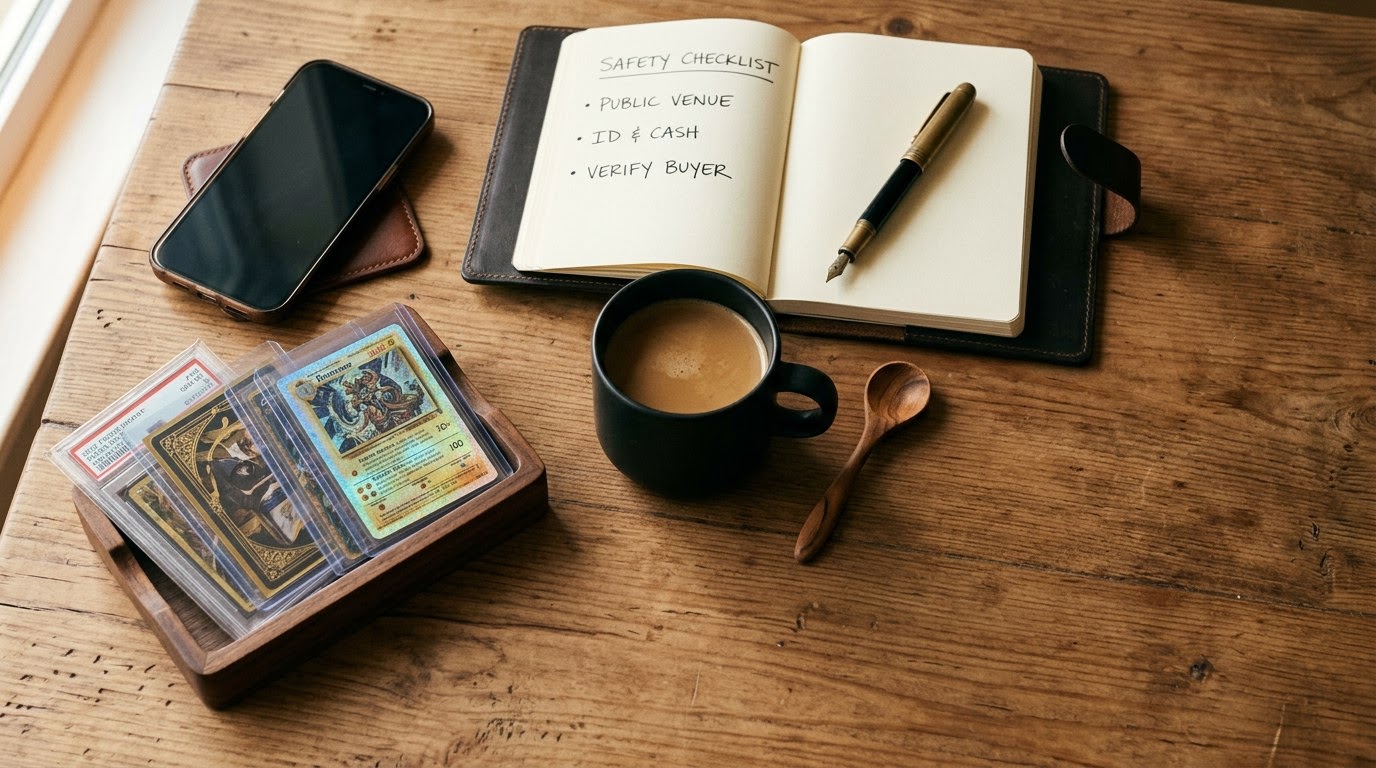
1. Run a TrustCheck Verification
Enter the buyer's first name and phone number or email into TrustMatch to run a rapid identity verification check. Within under a minute, you receive a clear TrustScore and identity verdict that confirms whether their digital footprint matches a real, verified person. Confirming identity before agreeing to meet eliminates anonymous accounts, throwaway prepaid numbers, and potential robbery set-ups before you carry high-value cards into public locations.
High-end trading card transactions attract sophisticated fraud rings. Scammers frequently operate using stolen social media profiles, disposable burner phone numbers, and fake marketplace accounts created hours before reaching out to you. When selling high-grade PSA, BGS, or CGC graded cards, never rely solely on a buyer's profile picture or basic chat history. Requesting an identity verification check ensures that the individual asking to meet you in person possesses a legitimate, verifiable identity.
To initiate this verification step, ask your prospective buyer to provide their legal first name along with their primary mobile phone number or email address. Input these details directly into the verification tool. The system checks risk signals, phone carrier data, identity records, and active risk flags without exposing sensitive personal information. FTC data showed that peer-to-peer payment fraud and marketplace scam reports surpassed $210 million in 2024. Conducting this identity check upfront creates a clear layer of protection that separates serious collectors from predatory scammers.
Evaluate the output carefully before moving forward with negotiations. If the check returns a green verdict and high TrustScore, you can proceed with confidence to the next step. If the system flags disposable numbers, VOIP lines, mismatched names, or high-risk activity, pause the negotiation immediately. Refuse to carry thousands of dollars in rare cardboard or acrylic slabs into the field when a buyer refuses or fails basic identity verification.
2. Ask for a 5-Minute Video Call
Schedule a brief live video chat on FaceTime, Google Meet, or Zoom prior to scheduling your face-to-face appointment. Ask the buyer to hold up their government-issued ID alongside their face while confirming the exact purchase price and payment method. A legitimate high-end card collector will gladly spend three minutes confirming details, while a scammer using stolen photos or a hijacked account will immediately invent excuses to avoid camera exposure.
A video call bridges the gap between digital messages and a physical meetup. Demand a live video interaction whenever the deal value exceeds five hundred dollars. Set up a quick 5-minute call where both parties turn on their cameras. Pay close attention to environmental cues, lighting, and the individual's willingness to appear on screen. Scammers frequently operate in organized groups or remotely from distant regions, relying on local runners to grab merchandise.
During the video call, request that the buyer state their full name and confirm the specific details of the transaction, such as the card name, certification number, and agreed purchase price. A 2023 BBB study found that overall counter-party fraud in high-value hobby transactions increased by 28% year over year. A quick live conversation disrupts automated fraud setups and impersonation tactics before any physical meeting takes place.
Watch out for classic video evasion tactics. If the buyer claims their camera is broken, their internet connection is too weak, or their work schedule prevents a two-minute video chat, treat these excuses as severe security risks. Legitimate collectors investing substantial capital in high-grade trading cards appreciate strict security procedures because it protects their investment as well. Make a live video screening an absolute mandatory requirement for finalizing any physical sales appointment.
3. Set Strict Terms for Payment Methods
Specify acceptable non-reversible payment channels before leaving your home to prevent electronic chargeback fraud or fake bill handoffs. Demand cash verified on-site or immediate bank-to-bank wire transfers finalized inside a financial branch prior to releasing the slab or card. Never accept digital peer-to-peer apps like Venmo, Zelle, or PayPal Friends & Family for thousands of dollars in public, as fraudulent accounts and disputed transfers will drain your bank balance days later.
Payment fraud in the trading card market has evolved far beyond counterfeit bills. Scammers regularly utilize stolen bank accounts, hijacked peer-to-peer payment profiles, and fraudulent wire transfers to pay sellers in person. Once you hand over the card and walk away, the original account holder discovers the unauthorized transfer and files a fraud dispute with their bank. The payment processor reverses the funds from your balance, leaving you without your high-value card and without payment.
Establish non-negotiable payment rules during early text communications. If the payment is under two thousand dollars, require cash paid in person, but mandate that the final counting and bill verification take place inside a bank or bank lobby where teller equipment can verify authenticity. For deals exceeding two thousand dollars, require a direct cash deposit into your bank account made by the buyer at a teller window, or an instant wire transfer completed while both of you stand inside the bank branch.
Reject any requests to use peer-to-peer digital wallets for large sums, even if the buyer offers to pay extra. Scammers frequently use compromised Zelle or Cash App accounts that trigger automatic chargebacks within 48 to 72 hours. Never accept checks, cashier's checks, or money orders, as modern counterfeit checks easily bypass initial bank processing before bouncing days later. Lock down your payment terms in writing before agreeing to any physical meeting location.
4. Choose a Secured Public Meeting Location
Select a high-security neutral venue such as a bank lobby, local police department safe trade zone, or busy card shop with active surveillance cameras. Never meet in parking lots, quiet residential driveways, or secluded coffee shop corners where snatch-and-grab robberies occur without witnesses. Confirm that the location features adequate lighting, clear exit paths, and on-site staff before sitting down to present your high-grade collectibles.
Location selection dictates the level of physical safety for your transaction. Carrying high-value trading cards, such as a vintage rookie card or rare Pokemon slab, makes you a prime target for physical theft. Scammers often suggest meeting in conveniently located parking lots, fast-food dining areas, or outside transit stations. These locations offer quick escape routes for thieves who intend to grab your card case and sprint to a waiting vehicle.
Insist on conducting the meetup inside a local bank branch or a police department lobby equipped with designated e-commerce safe exchange zones. Police stations offer continuous video monitoring, physical security personnel, and an immediate deterrent to criminals. Alternatively, a busy bank lobby provides financial security, professional tellers, multiple high-definition security cameras, and armed security guards.
If a bank or police station is unavailable due to business hours, choose an established local trading card store where you are a regular customer. Speak with the store owner beforehand to request permission to conduct a high-value private deal at a reserved table. Card shops offer an environment filled with knowledgeable staff and hobbyists who act as natural witnesses, significantly lowering the risk of physical altercations or quick theft attempts.
5. Inspect Payment and Finalize Transfer
Count every bill manually using counterfeit detector pens or request the bank teller to deposit cash directly into your account before handing over the card holder. If using a wire transfer, verify the funds are fully settled inside your official mobile banking app rather than trusting SMS text alerts or buyer screenshots. Hand over the physical trading card only when money sits completely cleared in your custody.
Executing the actual exchange requires extreme focus and strict adherence to protocol. Place your card box or protective case securely on the table in front of you, but keep your hands near the item at all times. Do not allow the buyer to examine, hold, or handle the graded slab until payment verification is complete. Scammers sometimes attempt to swap real graded slabs with identical counterfeit acrylic cases containing fake cards while pretending to examine the grade under light.
When receiving cash payments, use an ultraviolet counterfeit detection light or a chemical test pen on every individual bill. Better yet, hand the stack directly to a bank teller and ask them to run the bills through their automated counting machine and deposit the funds straight into your checking account. FBI crime reporting statistics indicate that financial fraud schemes involving fake currency notes rose by 14% year over year in 2024. Confirming cash authenticity through a bank teller completely eliminates fake currency risk.
If receiving an electronic wire transfer, open your mobile banking application directly on your phone and log in to verify that the balance reflects available, settled funds. Never trust a buyer showing you their phone screen with a "Transfer Successful" confirmation window. Scammers create simulated banking apps that generate convincing fake receipt screens. Only transfer physical custody of your high-end trading cards when your bank confirms non-reversible clearance.
6. Document the Completed Transaction
Draft a physical or digital bill of sale noting the card grade, certificate number, exact purchase price, date, and signatures from both parties. Take a final photo of the buyer holding the purchased item alongside the signed receipt in front of venue security cameras. This paper trail protects you against false claims of damaged goods, fake slab allegations, or stolen property disputes after both parties leave the location.
Documenting the exchange creates a binding record that deters post-sale scam attempts. Fraudulent buyers sometimes contact card grading companies or law enforcement days after a transaction, falsely claiming that you sold them a cracked or tampered slab, a fake card, or stolen property. A comprehensive bill of sale signed by both parties serves as legal proof of a consensual, verified transaction.
Prepare two copies of a standard bill of sale beforehand. Include specific item identifiers: the player or character name, release year, set name, grading company, grade score, and unique certification number printed on the slab label. Include both your legal name and the buyer's verified legal name, the agreed transaction date, and the precise cash or wire transfer amount exchanged.
Once both signatures are affixed to the document, take a high-resolution photo showing the signed bill of sale next to the graded card, ensuring the certification number is clearly legible. Store this digital photo, along with your verification record and video call log, in a secure cloud storage folder. Retain these records for at least twelve months to safeguard against any eventual financial audit, police query, or fraudulent dispute attempt.
Verification Steps Matrix for High-Value Card Sales
Utilize a structured verification matrix to evaluate your buyer's credentials at every phase of the deal. Comparing required buyer details against red flags allows you to identify fraudulent intent early and abort risky meetups before physical safety or financial assets are compromised.
| Step | What to Verify | Red Flag if Missing |
|---|---|---|
| 1. Identity Check | Legal first name and matching active phone number or email | Refusal to share contact info, VOIP burner lines, or failed TrustScore |
| 2. Video Call | Live face match with government photo ID and verbal terms check | Broken camera excuses, dark lighting, or refusing to show face |
| 3. Payment Terms | Agreement to bank cash deposit or verified bank wire transfer | Insistence on P2P apps (Venmo/Zelle), checks, or money orders |
| 4. Meeting Location | Confirmation of bank lobby, police safe zone, or card shop | Demands for parking lot, quiet alley, or private residence meetup |
| 5. Payment Inspection | Teller-verified cash deposit or confirmed mobile app clearance | Showing phone screenshots, unverified cash, or rushing the handoff |
| 6. Sales Documentation | Signed bill of sale detailing card cert number and purchase price | Refusal to sign receipt or objecting to clear record keeping |
Red Flags During This Process
Recognizing suspicious behaviors mid-transaction allows you to pull back before losing valuable cards or cash. If a buyer suddenly changes terms, refuses identity checks, or exhibits manipulative pressure tactics, abort the meeting immediately to maintain your safety and protect your financial collection.
Pay close attention to sudden changes in agreed meeting parameters. Scammers often agree to meet inside a bank branch initial chat messages, but as the scheduled time approaches, they send frantic messages claiming they are running late and ask to meet in a car outside instead. Never modify your safety boundaries to accommodate a buyer's sudden change of plans. If the buyer refuses to step inside the agreed secure venue, cancel the meeting immediately.
Watch for aggressive pushiness surrounding card handling. If a buyer attempts to grab the card slab off the table before payment has been verified by the bank, cover the item or put it back into your bag immediately. Be wary of buyers who arrive with unannounced companions who cluster around you or attempt to distract your attention while the main buyer inspects the collectible.
Be alert to pressure tactics involving urgency. Fraudulent buyers frequently claim they have a tight flight to catch, a work emergency, or another pressing commitment, using artificial time stress to force you to skip bill counting or payment verification. Maintain complete control of the pace of the trade. If a buyer creates urgency to bypass security protocols, end the transaction and walk away.
Quick Checklist for In-Person Card Sales
Follow this ordered checklist in exact sequential order whenever you prepare to negotiate and execute an in-person high-end trading card transaction. Completing these six distinct verification tasks minimizes your exposure to theft, physical robbery, counter-party chargebacks, and counterfeit payment scams.
- Run an identity check using the buyer's legal name and contact details.
- Complete a 5-minute live video call to verify identity and confirm price terms.
- Establish non-reversible payment terms (cash deposited at bank teller or verified wire).
- Select a secure public meeting venue like a bank lobby, card shop, or police station.
- Verify full payment clearance with a teller or banking app before releasing card custody.
- Execute a signed bill of sale detailing certification numbers and store photographic proof.
As of November 2026, implementing robust seller verification workflows remains the most effective defense against evolving marketplace scams in the trading card community. By incorporating TrustMatch into your standard selling routine, you maintain complete control over high-value trades. These verification steps protect your physical safety and hard-earned assets while maintaining full respect for legitimate buyers, ensuring a safe transaction rather than an intrusive surveillance operation.
Frequently asked
How do I handle a buyer who refuses a video call?
Walk away from the deal immediately. Legitimate buyers spending substantial funds on trading cards understand security precautions. Scammers refuse video calls because live video exposes stolen profiles and impersonation tactics. Never risk high-value collectibles for an unverified contact who rejects a two-minute identity confirmation call.
What should I do if a buyer brings unexpected companions to the meetup?
Keep your collectibles locked in your bag or vehicle and request to meet inside a secured bank branch or police station lobby immediately. If the buyer refuses to enter a monitored building or their companions act aggressively, cancel the transaction, exit the area safely, and notify local security or law enforcement personnel.
Are peer-to-peer payment apps safe for in-person trading card sales?
No, digital payment apps like Venmo, Zelle, or Cash App carry severe chargeback risks when selling high-value items in person. Scammers frequently use compromised accounts or stolen banking credentials that lead to payment clawbacks days after the transaction. Stick strictly to verified cash deposits or official wire transfers completed at bank teller windows.
How can I verify that a PSA or BGS slab has not been tampered with?
Inspect the acrylic holder under direct light for cloudiness, fractures, or glue residue along the sonic weld seam. Cross-reference the certification number on the grading company's official mobile application to confirm the slab details match the online database records precisely before accepting payment or completing the sale.
Is a bill of sale legally necessary for private trading card deals?
While not legally required for small sales, a written bill of sale is essential for high-value transactions. It creates a documented paper trail containing buyer signatures, purchase prices, and slab certification numbers. This record protects you against post-sale fraud claims, chargeback disputes, and false allegations of selling stolen goods.
More in Guide
- How to Safely Conduct a Video Verification Call Before a First Date
November 13, 2026
- How to Safely Buy a Used Tiny House From a Private Seller
November 11, 2026
- How to Safely Buy a Used Smartphone From a Private Seller
November 8, 2026