How to Safely Buy Luxury Goods From Private Sellers Online
· 12 min read
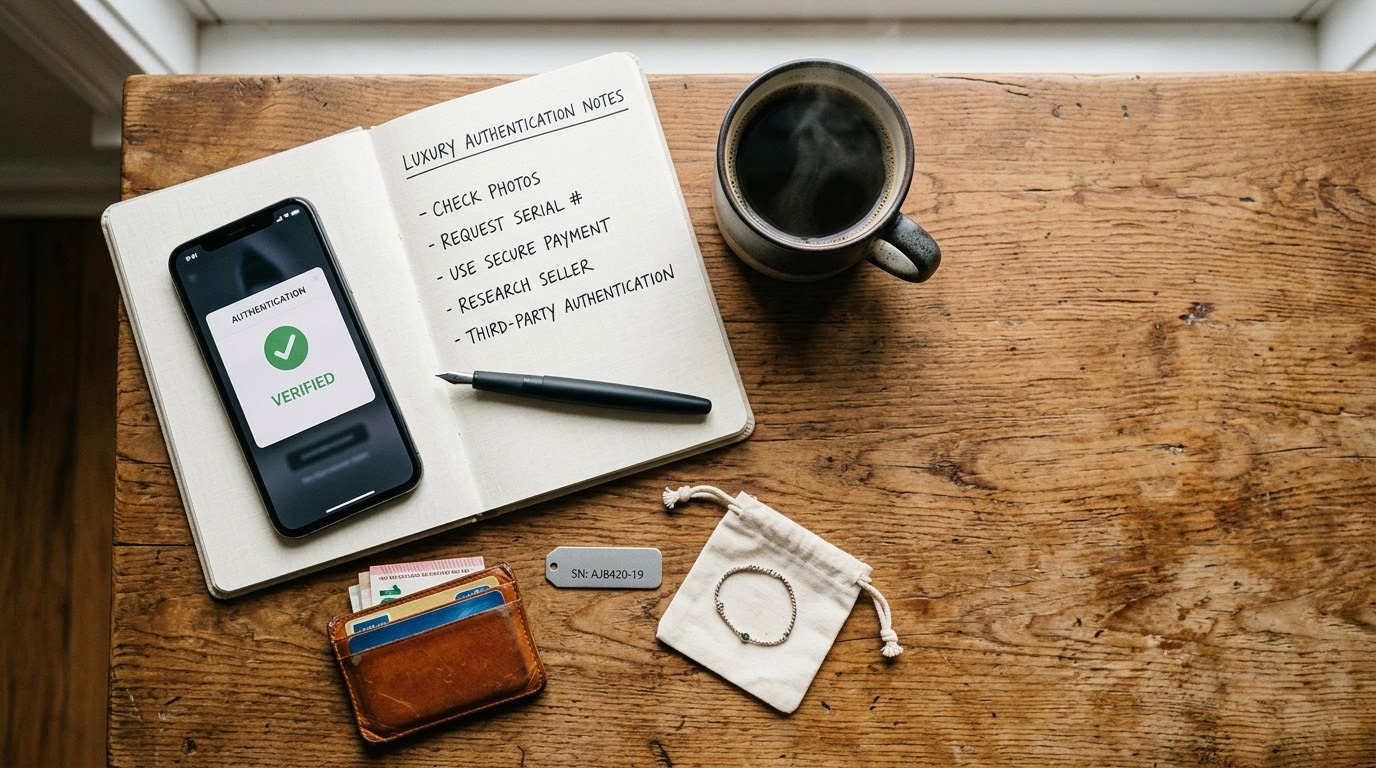
As of August 2026, you are about to purchase a pre-owned luxury watch, designer handbag, or fine jewelry piece from a private seller on an online marketplace. Use TrustMatch and this step-by-step protocol to verify the seller's identity, confirm item authenticity, and protect your funds before sending a single dollar.
1. Run a TrustCheck on the Seller
To verify a private luxury seller's identity, enter their first name and mobile phone number or email address into TrustMatch before committing to any deal. TrustMatch processes these inputs instantly, returning a clear TrustScore and identity verdict in under a minute. A verified score confirms you are dealing with a real individual with an established digital footprint rather than an anonymous scammer using a disposable burner phone or stolen persona.
To execute this step, open TrustMatch and input the phone number or email address the seller used during your initial communication. Submit the details to generate an instant risk profile. A high TrustScore indicates an established digital history across verified networks, confirming the seller's identity matches the details provided. If the result yields an unverified identity, a newly activated burner number, or mismatched name details, stop the transaction immediately.
Scammers operating in the secondary luxury market frequently rely on synthetic identities, hacked social media profiles, or temporary VoIP numbers to avoid law enforcement tracking. FTC data shows online shopping and private sale scam losses surpassed $390 million in 2023. Verifying identity upfront eliminates anonymous fraud operators before you invest time in negotiating prices or evaluating merchandise. Success means receiving an authenticated identity match with a reassuring TrustScore in less than sixty seconds.
2. Request Specific Proof-of-Possession Photos
To confirm the seller physically possesses the luxury item, require them to send clear photos showing the item alongside a handwritten note displaying today's date, your name, and a unique code word. Ask for specific close-up shots of high-wear areas like stitching, serial numbers, hardware engravings, and date codes. Legitimate sellers will gladly provide fresh photos, whereas scammers using stolen listing pictures will offer excuses or refuse to comply.
Do not rely on standard listing photos uploaded to online marketplaces, as scammers routinely harvest high-resolution images from legitimate secondary luxury sites, social media accounts, or luxury resale catalogs. Message the seller with a specific photographic request. For example, ask them to place a handwritten paper note listing today's date, your full name, and a specific word like "TrustMatch Verification" directly next to the item.
Request specific macro photos of key authentication points depending on the item type:
- Handbags: Close-ups of the font heat stamp, interior lining seams, zipper undersides, strap stitching, and serial sticker or microchip tag.
- Watches: High-resolution shots of the dial font, magnification cyclops over the date window, case back serial numbers, reference numbers between the lugs, and clasp logo stampings.
- Jewelry: Macro shots of metal purity stamps (750, Pt950, 18K), maker hallmarks, serial numbers, and diamond laser inscriptions under magnification.
A genuine seller holding physical inventory can take and send these custom photos within minutes. If the seller claims the item is at a relative's house, packed away in storage, or that their phone camera is broken, end negotiations immediately. Success looks like receiving multiple clear, high-resolution photos displaying your unique handwritten note adjacent to critical construction details.
3. Conduct a Live 5-Minute Video Call
To inspect the item and cross-examine the seller in real time, insist on a quick live video call via FaceTime, Zoom, or WhatsApp before transferring funds. Use this time to inspect the item under bright lighting, ask the seller to manipulate specific zippers or clasps, and confirm that the person on screen matches their verified identity. Scammers consistently avoid live video calls due to identity exposure and lack of physical inventory.
Initiate a brief video call request once initial photos pass inspection. Frame the request as a routine safety step for high-value transactions. During the call, ask the seller to hold the item under direct lighting and perform specific real-time actions. Have them open and close bag zippers, operate watch chronographs or winding crowns, hold up the serial number tag directly to the camera lens, and demonstrate smooth hardware movement.
Compare the facial appearance and voice of the individual on the video call against the verified name provided in your initial identity check. Pay attention to how comfortable the seller is handling the luxury good. Knowledgeable owners handle authentic luxury goods naturally and understand specific operational features of high-end watches or designer leather goods.
Scammers will offer numerous excuses to avoid live video calls, including poor signal, technical issues, shyness, or busy work schedules. Never bypass this step. According to a 2024 BBB report, over 40% of online marketplace scam victims reported purchasing counterfeit luxury merchandise from sellers who refused direct live communication. Success in this step means completing a smooth five-minute video call where you observe the exact item in real-time hands-on operation and confirm the seller's face matches their claimed identity.
4. Verify Serial Numbers and Date Codes Against Official Databases
To validate authenticity details, cross-reference the item's serial number, factory code, or date code with official brand reference databases and secondary market registries. Check that the typography, placement, font depth, and formatting strictly align with genuine production standards for that specific model year. Discrepancies in font weight, missing digits, or invalid factory codes immediately signal a counterfeit item regardless of accompanying paperwork.
Once you obtain macro photos or video views of the item's serial numbers and codes, perform an independent forensic review. Compare the alphanumeric formatting against established brand standards:
- Louis Vuitton: Verify date codes to ensure the factory location code matches the country stamped on the item, and that week and year digits correspond logically. For newer models, note microchip presence.
- Chanel: Cross-check serial stickers against Chanel serial number year charts and verify gold flake speckling patterns under flash light.
- Rolex: Verify that watch serial numbers between lugs match the warranty card or original paperwork exactly, and check font engraving styles.
- Hermès: Confirm blind stamp letters and shape outlines align with official production year standards.
Search public stolen-property registries such as The Watch Register or brand-specific databases to ensure the serial number has not been reported as stolen, lost, or subject to insurance fraud claims. Scammers often purchase genuine boxes, booklets, and counterfeit cards with invalid serial numbers printed on them. Success is confirming that serial numbers match valid factory production formats, align perfectly with the model year, and display clean records across stolen property databases.
5. Utilize an Independent Third-Party Authentication Service
To get a professional opinion before finalizing payment, submit detailed photos of the handbag, watch, or jewelry to a reputable digital authentication provider such as LegitApp or Master Control. Independent authenticators analyze microscopic details, heat stamps, material composition, and hardware weight to render an official Certificate of Authenticity. Requiring third-party verification filters out sellers offering high-tier replicas who hope buyers will rely solely on surface visual inspection.
Do not rely solely on your own judgment or a seller's oral promises, receipts, or paper certificates. High-tier counterfeits often match weight, general shape, and color almost perfectly, failing only under microscopic analysis of stitch angles, canvas weight, or metal alloys. Inform the seller that you require digital authentication before sending payment.
Upload high-resolution macro photos to a dedicated third-party authentication app or service. Ensure you include:
- Heat stamps, brand foil logos, and embossing depth
- Serial numbers, date tags, or microchip scans
- Interior stitching, pocket linings, and seam construction
- Hardware screws, zipper pull backs, and clasp mechanisms
- Original packaging, box labels, and authenticity cards
Pay the nominal fee for a rapid turnaround digital evaluation. Most reputable services deliver a binding digital certificate or rejection report within 30 to 120 minutes. If a seller panics, makes excuses, or attempts to rush you into paying before authentication results arrive, abort the purchase. Success means holding a verified digital Certificate of Authenticity issued by a recognized third-party service for the specific item in question.
6. Agree on a Fraud-Protected Payment Method
To safeguard your money against non-delivery or undisclosed counterfeit goods, use buyer-protected payment methods such as PayPal Goods & Services or an escrow payment platform. Never send money via Zelle, Venmo friends and family, wire transfers, or cryptocurrency, as these payment channels offer zero buyer protection or dispute recourse. Legitimate private sellers understanding high-value transactions will accept protected payment methods even if you agree to cover the small processing fee.
Establish payment terms explicitly in writing before taking step toward final delivery or meetup. Specify that payment must go through a channel offering clear buyer protection and dispute resolution for physical goods. PayPal Goods & Services provides robust purchase protection if an item turns out to be counterfeit, damaged, or unreceived. For transactions exceeding $2,500, insist on using a licensed escrow service, where funds are held safely by a neutral third party until you inspect and accept the item.
If the seller asks you to pay via Zelle, Cash App, Venmo personal transfers, bank wire, or crypto to avoid fees, offer to pay an additional 3% to 4% on top of the purchase price to cover their transaction fee. If they still refuse buyer-protected options despite fee coverage, cancel the purchase immediately. Direct peer-to-peer bank transfers are permanent and irreversible, making them the primary vehicle for private luxury sales scams.
A 2024 CFPB report emphasized that peer-to-peer instant payment platforms do not provide federal transaction reversal rights for voluntary transfers, even when induced by fraud. Success means locking in a transaction through a secure escrow contract or PayPal Goods & Services invoice detailing the specific item, serial number, and condition.
7. Execute the Exchange at a Secure Local Safe Zone
To safely complete an in-person high-value transaction, schedule the final meeting at a designated safe exchange location, such as a police station lobby or a public bank branch. Complete the visual and tactile inspection inside the facility before completing payment or taking physical possession of the luxury good. High-security environments eliminate the risk of physical theft, sudden rob-and-run tactics, or counterfeit bill handoffs during the final transaction.
Never meet a private seller at a private residence, isolated parking lot, dimly lit street, or unfamiliar neighborhood. Propose meeting inside the lobby of a local police station or a major bank branch during business hours. Bank lobbies offer optimal security, active video surveillance, staff presence, and safe cash handling if cash withdrawal or cashier's checks are involved.
Arrive early to inspect the surroundings and bring a trusted companion with you. Once the seller arrives, conduct a final physical inspection of the luxury item:
- Check physical weight: Authentic luxury watches and heavy hardware feel substantial; replicas often use lighter alloys.
- Test hardware and mechanics: Zip every zipper, open every clasp, adjust the crown, and test movement functions.
- Inspect smell and feel: Genuine leather smells distinct; fake materials often emit chemical or synthetic adhesive odors.
Once completely satisfied, authorize payment release through your protected platform or hand over bank-issued funds inside the secure facility. Obtain a handwritten bill of sale signed by both parties specifying the item name, serial number, sale price, date, and seller's verified name. Success looks like completing a calm, secure exchange in a high-surveillance environment with zero physical or financial risk.
Quick Checklist for Private Luxury Buyers
Follow this summary checklist in precise sequential order before transferring funds or completing an in-person exchange with a private luxury seller. Executing each action step ensures you maintain complete financial protection and seller accountability throughout the purchasing process. Skipping any individual verification step significantly increases your exposure to financial loss, counterfeit goods, or identity scams.
- Verify identity: Input the seller's mobile number or email into TrustMatch to confirm their identity score and rule out fraudulent burner profiles.
- Request custom proof-of-possession: Obtain fresh photos showing the item alongside a handwritten note with today's date and a unique keyword.
- Perform a live video inspection: Conduct a 5-minute video call to verify physical possession, check moving parts under bright light, and confirm seller identity.
- Audit serial numbers: Match serial numbers, date codes, and factory marks against official brand reference standards and stolen property databases.
- Get third-party digital authentication: Submit macro photos to an independent authentication app to receive a formal digital Certificate of Authenticity.
- Lock in protected payment: Use PayPal Goods & Services or a dedicated escrow account; never send irreversible wires or cash transfers.
- Meet in a designated safe zone: Perform the final inspection and transfer inside a police station lobby or bank branch with a companion present.
Verification Matrix: What to Verify and Red Flags
Use this reference table to evaluate seller compliance at each phase of the purchasing process. If a seller triggers any red flag listed in the right-hand column, halt the transaction immediately to protect your funds. Maintaining a disciplined evaluation standard keeps high-value transactions safe and predictable.
| Step | What to Verify | Red Flag if Missing |
|---|---|---|
| Identity Verification | Match seller's claimed name and phone/email against TrustMatch records and verified identity score. | Unverified identity score, newly created burner phone number, or seller refusal to provide contact details. |
| Proof of Possession | Custom high-resolution photos displaying the item next to a handwritten note with date and custom phrase. | Seller uses recycled stock images, refuses handwritten notes, or makes excuses about item location. |
| Live Video Call | Real-time visual inspection of item condition, working hardware, and face-to-face seller match. | Refusal to join video call, claiming broken camera, low signal, or severe camera lag covering item details. |
| Serial & Code Audit | Typography depth, correct factory codes, logical production dates, and clean stolen property registry checks. | Misaligned fonts, incorrect date format, scraped serial numbers, or matches on stolen property databases. |
| Independent Authentication | Binding digital Certificate of Authenticity from a recognized third-party authentication app. | Seller insists visual inspection or receipt is sufficient and refuses third-party digital submission. |
| Payment Method | Transaction protected by PayPal Goods & Services or escrow holding with buyer dispute recourse. | Demands for Zelle, Venmo Friends & Family, wire transfer, Cash App, or cryptocurrency payments. |
| In-Person Exchange | Safe, highly visible public meeting inside a police station lobby or bank with surveillance cameras. | Insistence on meeting at private residences, quiet side streets, isolated parking lots, or late night hours. |
Red Flags During This Process
If something feels off mid-routine during your luxury transaction, stop moving forward immediately and execute an immediate tactical pause. Scammers often rely on psychological pressure, artificially created urgency, and emotional manipulation to bypass your planned security steps. Recognizing red flags early saves thousands of dollars and prevents dangerous real-world encounters.
Pay close attention to sudden behavioral shifts or procedural excuses mid-way through negotiations:
- Artificial Urgency: The seller suddenly claims another buyer is offering cash right now or that they must sell within the hour due to a flight, emergency, or moving sale. Real luxury sellers understand high-value purchases require careful verification.
- Payment Channel Switching: The seller agrees to PayPal Goods & Services initially, but right before payment, claims their account is frozen and asks for Zelle or wire transfer instead.
- Pressure to Skip Video or Authentication Steps: The seller becomes offended when you request video verification or third-party authentication, accusing you of calling them a liar.
- Changing Meeting Locations Last Minute: The seller agrees to meet at a bank lobby, but contacts you 15 minutes before arrival asking to switch to an empty parking lot or side street.
- Mismatched Identity Profile: The seller's voice, age, or appearance on the video call does not align with the identity profile generated by TrustMatch or their social media profile.
If any of these red flags occur, immediately suspend all payment transfers and refuse to meet. Message the seller calmly stating that you strictly adhere to a zero-exceptions verification protocol for luxury purchases. If the seller refuses to return to the original secure protocol, block the contact and move on. Using TrustMatch alongside these safety measures ensures a secure transaction experience for both parties, as these steps protect you and respect a real person—they are not surveillance.
Frequently asked
How can I verify a seller's identity without being intrusive?
You can easily verify a seller's identity by using TrustMatch before making payment commitments. Simply enter their first name and phone number or email address to receive an instant TrustScore and identity verdict in under a minute. Legitimate luxury sellers who engage in high-value transactions understand safety protocols and will gladly cooperate with a quick, non-intrusive identity check to build mutual confidence.
What should I do if a private seller refuses a live video call?
If a private seller refuses a brief live video call, treat it as a critical security red flag and pause the transaction immediately. Live video calls allow you to confirm physical possession, inspect working hardware, and match the seller's face to their verified identity profile. Genuine sellers of expensive luxury goods will readily accommodate a quick call, while scammers systematically refuse video calls due to lack of inventory.
Is PayPal Goods and Services completely safe for buying luxury goods?
PayPal Goods & Services provides strong buyer protection against non-delivery and undisclosed counterfeit merchandise when purchasing from private sellers. However, you must ensure the invoice explicitly lists the exact brand, model name, condition details, and serial number of the luxury item. Never use PayPal Friends & Family or third-party bank transfers, as those transaction methods offer zero dispute resolution or money-back guarantees if fraud occurs.
Can counterfeit luxury watches and bags pass as real in basic photos?
Yes, modern high-grade replicas—often called super-replicas—can replicate genuine luxury watches, leather bags, and designer jewelry with remarkable visual accuracy in standard photos. Scammers frequently use stock images or high-grade replicas that fool casual eyes. This is why you must demand customized proof-of-possession photos, conduct a live video inspection, and utilize an independent digital authentication service before completing any purchase.
What is the safest location to complete an in-person luxury transfer?
The safest locations for in-person high-value transactions are the public lobby of a local police station or a major bank branch during business hours. Police station lobbies deter theft and robbery attempts, while bank lobbies feature heavy video surveillance, trained staff, and secure environments for executing electronic transfers or cashier's check handoffs safely. Never meet private sellers at personal residences, isolated streets, or parking lots.
More in Guide
- How to Safely Join a Local Volunteer Group Discovered Online
September 23, 2026
- How to Safely Buy Fine Art From Private Online Sellers
September 20, 2026
- How to Safely Buy a Used Jet Ski From a Private Seller
September 18, 2026